
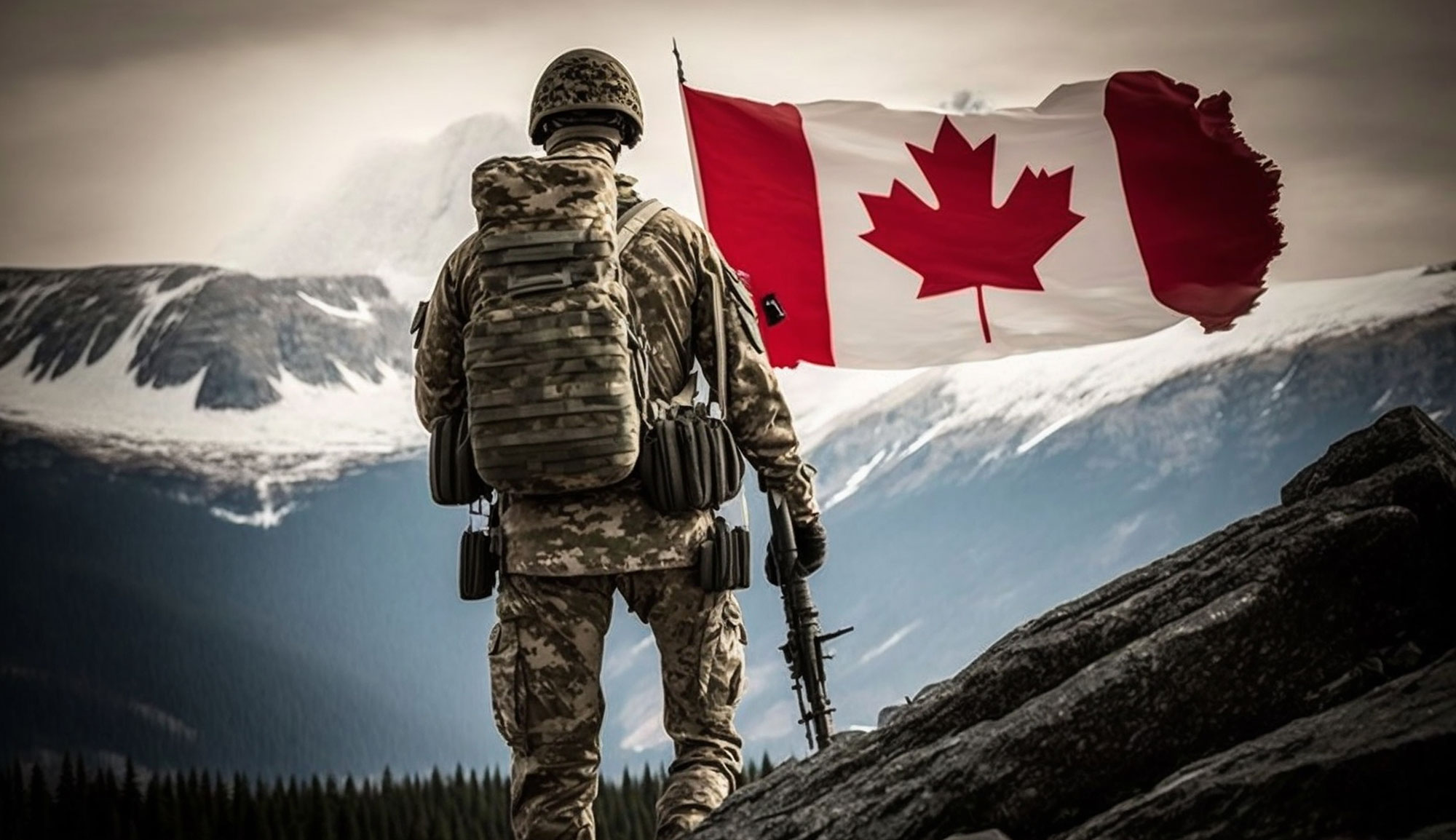
When Canada’s military operates in the High Arctic, equipment failures aren’t just inconvenient—they can be life-threatening. From Alert, Nunavut (the world’s northernmost permanently inhabited settlement) to training operations in the Northwest Passage, our Armed Forces depend on equipment that performs flawlessly at temperatures that would immobilize most commercial products. This includes something as seemingly simple, yet critically important, as asset identification labels.
The Arctic Challenge: Where Standard Labels Fail
Canada’s northern territories routinely experience temperatures between -40°C and -50°C during winter months, with wind chills pushing the effective temperature even lower. At these extremes, standard paper labels become brittle, adhesives lose their grip, and printed information becomes illegible through frost accumulation and UV exposure from the intense reflection off snow and ice.
For military logistics operations managing thousands of pieces of equipment—from weapons systems to survival gear, vehicle components to communication equipment—label failure creates serious operational risks:
-
- · Asset tracking breakdown in supply depots and forward operating bases
- · Safety protocol violations when warning labels become unreadable
- · Maintenance schedule disruptions when service date information is lost
- · Chain of custody issues for sensitive equipment and materials
The consequences of these failures extend beyond inconvenience. They can compromise mission readiness, personnel safety, and national security operations in Canada’s Arctic sovereignty missions.
Synthetic Labels: Engineered for Extreme Performance
ProVision Labels has developed synthetic labeling solutions specifically engineered to withstand the punishing conditions of Arctic military operations. Our synthetic labels utilize advanced material science to deliver reliable performance where traditional labels simply cannot survive.
Material Composition
Our military-grade synthetic labels are constructed from specialized polyester and polypropylene films that maintain flexibility and durability across extreme temperature ranges. Unlike paper-based labels that contain moisture and become brittle when frozen, synthetic materials remain dimensionally stable and resistant to:
-
- · Temperature cycling from -50°C to +80°C
- · Moisture, ice accumulation, and freeze-thaw cycles
-
- · UV radiation intensified by snow reflection
- · Chemical exposure from fuels, lubricants, and de-icing compounds
- · Abrasion from handling with heavy gloves and equipment contact
Adhesive Technology
The adhesive system is equally critical. ProVision Labels employs Arctic-rated acrylic adhesives that maintain bonding strength at temperatures far below the threshold where conventional adhesives fail. These specialized adhesives:
-
- · Bond effectively to cold surfaces without pre-warming requirements
- · Maintain adhesion through repeated freeze-thaw cycling
- · Resist moisture infiltration that causes edge lifting
- · Adhere to diverse substrates including metals, plastics, and composites
- · Perform on textured, powder-coated, and irregular surfaces common in military equipment
Print Durability
Information permanence is non-negotiable in military applications. Our thermal transfer printing process creates images that are:
-
- · Chemically resistant to fuel, oil, solvents, and cleaning agents
- · UV stable to prevent fading under intense Arctic sunlight conditions
- · Abrasion resistant to withstand rough handling and equipment contact
- · Cryogenically tested to ensure barcode scannability at extreme cold
Real-World Arctic Applications
Equipment Storage Depots
Canadian Forces maintain strategic equipment reserves in northern locations where materiel must remain deployment-ready despite years of storage in unheated facilities. ProVision’s synthetic labels ensure that inventory tracking, maintenance histories, and safety information remain intact and readable throughout extended storage cycles in conditions that regularly reach -45°C.
Vehicle and Equipment Identification
Armored vehicles, snowmobiles, and specialized Arctic equipment require durable identification that survives continuous exposure to extreme weather, road salt, and mechanical wear. Our synthetic labels maintain adhesion and readability on equipment operating in the harshest environments, from Canadian Ranger patrol vehicles to heavy military transport equipment.
Ammunition and Ordnance Tracking
Temperature-sensitive materials like ammunition and explosives require rigorous tracking throughout their lifecycle. Synthetic labels provide the durability needed for lot identification, storage date tracking, and safety warnings that must remain legible under all environmental conditions encountered in Arctic ammunition depots.
Cold Weather Survival Equipment
Personal survival gear, cold weather clothing systems, and emergency equipment must be clearly labeled with size information, issue dates, and maintenance requirements. Labels that fail in cold storage warehouses create logistical nightmares and potentially compromise personnel safety.
Communication and Electronic Systems
Sensitive electronic equipment used in Arctic operations requires labeling that won’t contaminate components or fail when equipment is moved between heated facilities and extreme outdoor conditions. Our synthetic labels are designed for clean removal when necessary and leave no adhesive residue that could compromise equipment function.
Testing Standards and Military Specifications
ProVision Labels subjects our Arctic-rated synthetic labels to rigorous testing protocols that meet and exceed military environmental specifications:
-
- · Temperature cycling: 500+ cycles from -50°C to +80°C
- · Cold temperature adhesion: Testing at -40°C and -50°C on multiple substrates
- · Humidity resistance: 95% RH at varying temperatures
- · Chemical resistance: Exposure to MIL-SPEC fuels, oils, and solvents
- · UV exposure: Accelerated weathering equivalent to years of Arctic sunlight
- · Abrasion resistance: Taber testing simulating years of handling and contact
These testing protocols ensure that when our labels are applied to military equipment, they’ll perform reliably throughout the equipment’s service life, regardless of environmental challenges.
Operational Benefits for Military Logistics
The reliability of synthetic labels in Arctic conditions delivers tangible operational advantages:
Enhanced Asset Visibility: Maintain accurate inventory tracking even in unheated storage facilities and outdoor equipment yards, supporting just-in-time logistics and rapid deployment readiness.
Reduced Maintenance Costs: Eliminate the need for label replacement and re-identification of equipment due to label failure, reducing labor costs and preventing tracking errors.
Improved Safety Compliance: Ensure warning labels, hazard identification, and safety protocols remain visible and readable, protecting personnel and maintaining regulatory compliance.
Supply Chain Integrity: Maintain unbroken chain of custody documentation for sensitive equipment and materials through reliable label performance in all environmental conditions.
Operational Readiness: Ensure equipment can be rapidly identified, deployed, and maintained without delays caused by illegible or missing identification labels.
Canada’s Arctic: The Ultimate Proving Ground
Canada’s Arctic territories represent one of the most demanding operational environments on Earth. The combination of extreme cold, intense UV radiation, dramatic temperature swings, and logistical isolation creates conditions where equipment must perform flawlessly or face catastrophic failure.
For military forces charged with Arctic sovereignty operations, supporting communities across the North, and maintaining readiness for Arctic deployment, label failure is not an acceptable risk. ProVision Labels’ synthetic labeling solutions have been proven in these extreme conditions, providing the durability, reliability, and performance that military logistics operations demand.
Beyond Military Applications
While designed to meet military specifications, ProVision’s Arctic-rated synthetic labels serve numerous civilian applications in Canada’s North:
-
- · Mining operations in remote northern locations
- · Oil and gas facilities in Arctic and sub-Arctic regions
- · Transportation and logistics companies serving northern communities
- · Telecommunications infrastructure in extreme environments
- · Research stations and scientific equipment in polar regions
- · Cold storage facilities and frozen food logistics
Any organization operating equipment or managing assets in extreme cold environments can benefit from the same labeling technology trusted by military operations.
Partner with ProVision Labels
When mission success depends on equipment that performs in Canada’s most challenging environments, ProVision Labels by Ahearn & Soper Inc. delivers synthetic labeling solutions you can trust. Our Arctic-tested labels ensure that your asset identification, safety warnings, and tracking information remain readable and securely attached at temperatures down to -50°C and beyond.
Contact ProVision Labels today to discuss your extreme environment labeling requirements. Our technical team will work with you to specify the optimal label materials, adhesives, and printing methods for your specific application—whether you’re managing military logistics, operating mining equipment in the Far North, or maintaining infrastructure in Arctic communities.
When failure is not an option, choose labels that have been Cold War-tested and Arctic-proven.
 EN
EN  FR
FR