Clinique et conformité
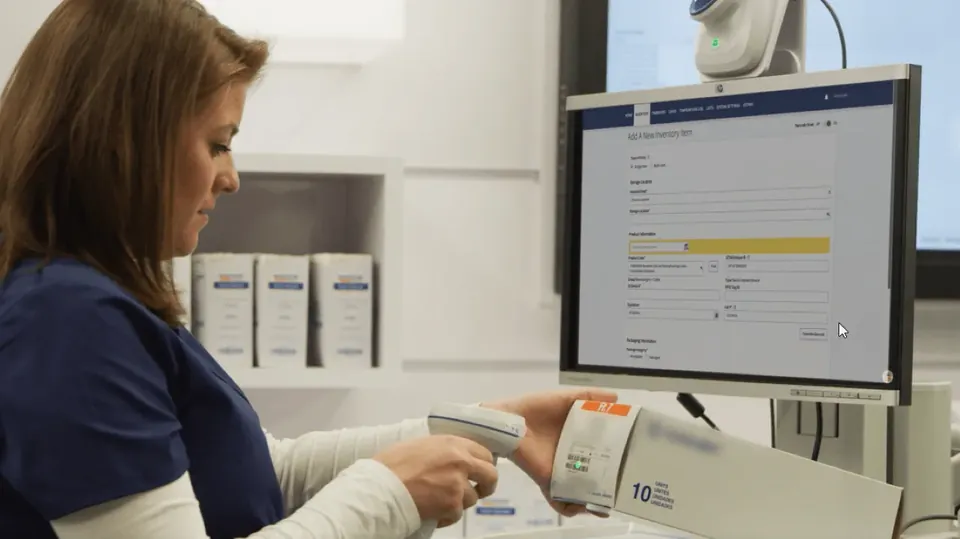
Vérifié du bracelet d’admission à la dose administrée
Ahearn & Soper bâtit l’infrastructure d’identification sur laquelle comptent les hôpitaux, les cliniques et les laboratoires canadiens : les bracelets imprimés à l’admission, les étiquettes d’échantillons et de doses qui restent lisibles, et les appareils qui résistent aux lingettes désinfectantes passées entre deux patients. Une seule équipe en assure la spécification, l’intégration, la formation et l’entretien, pour que la lecture au chevet corresponde à l’ordonnance au dossier.
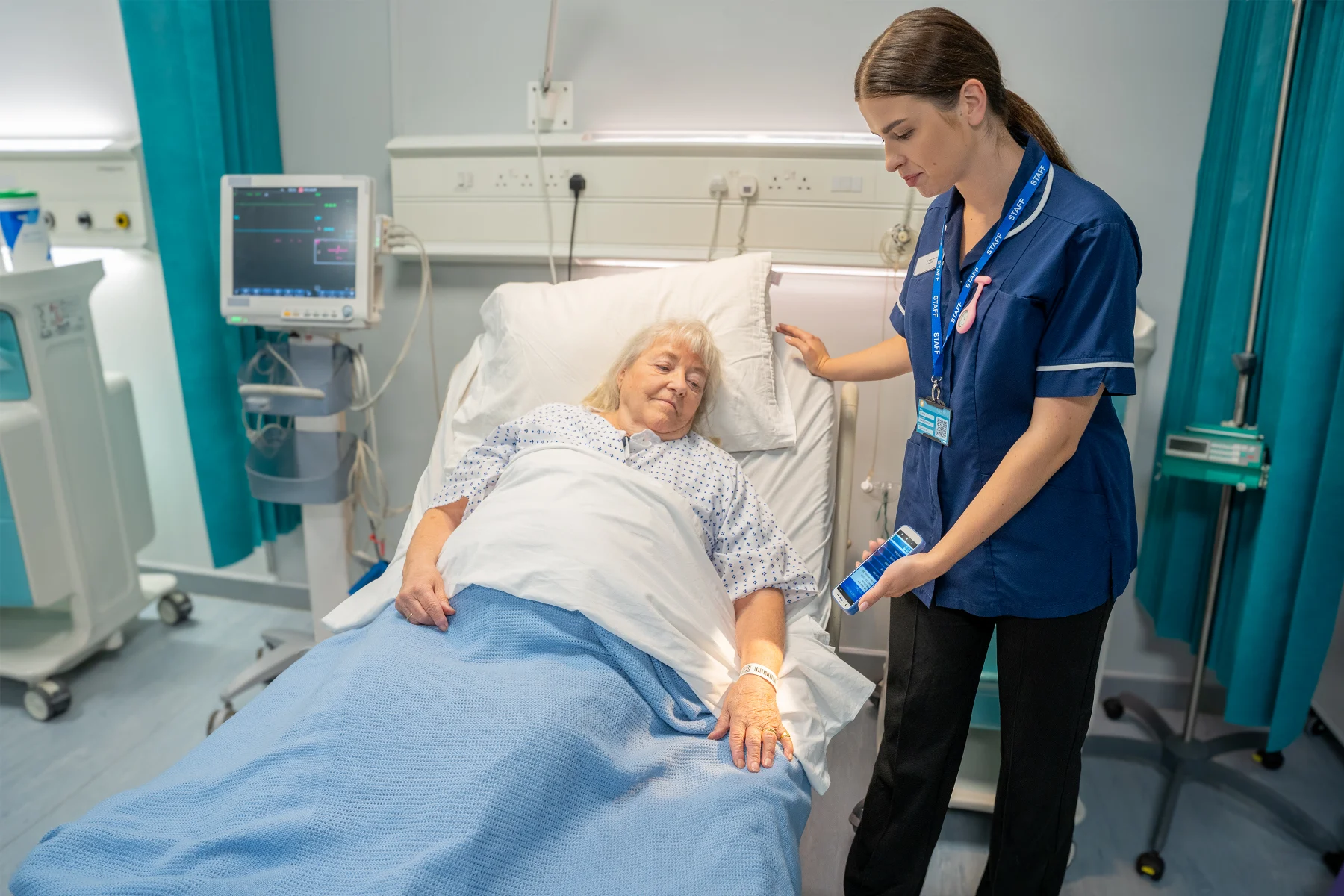
Où l'argent se perd
La plupart des problèmes dans la chaîne d’identification d’un hôpital surviennent aux mêmes quelques endroits. Chacun commence par un écart entre ce qui a été prescrit et ce qui a réellement été administré, et c’est une fois le patient sorti de l’unité de soins qu’il est le plus difficile d’en rendre compte.
- Une identification positive des patients qui repose sur une vérification du nom plutôt que sur une lecture qui la confirme
- Des étapes liées aux médicaments et aux échantillons où seul un rapprochement manuel sépare une ordonnance d’une erreur
- De l’équipement qu’on cherche d’un service à l’autre et d’un quart de travail à l’autre, au lieu de le localiser
- Un contrôle d’accès du personnel et des visiteurs qui doit être rapide, sûr et vérifiable, mais qui repose sur une plastifieuse
- Du matériel standard qui ne résiste pas au protocole de désinfection appliqué plusieurs fois par jour dans l’unité de soins
Comment nous y répondons
Ahearn & Soper assure la spécification, l’intégration, la formation et l’entretien de toute la chaîne : le bracelet imprimé à l’admission, la lecture qui le vérifie au chevet, l’étiquette que porte une dose reconditionnée, les appareils qui suivent les échantillons et les actifs, et la carte d’identification au cordon du personnel. Cinq éléments, une seule équipe responsable.
Des imprimantes et des ordinateurs mobiles conçus pour les unités de soins
Un appareil qui passe d’un chevet à l’autre est essuyé avec une lingette désinfectante plusieurs fois par quart de travail, et un boîtier d’usage général se fendille puis cède sous ce traitement. C’est précisément pour cette raison que les modèles pour la santé sont livrés dans des boîtiers scellés, conçus pour résister aux lingettes, et c’est pourquoi il s’agit d’un produit distinct plutôt que d’une option de couleur.
Les bracelets d’identification et la lecture au chevet
L’identification positive des patients ne boucle la boucle que si le bracelet se lit encore au troisième jour, après les douches, les manches et le ruban adhésif. Le bracelet, l’imprimante et le lecteur doivent être définis ensemble, car un bracelet qui s’imprime parfaitement mais se lit mal échoue au seul moment qui compte.
Le reconditionnement en doses unitaires, et la preuve que le code se lit
Personne n’a rendu obligatoire le code à barres sur la dose unitaire, alors les hôpitaux qui veulent que la lecture au chevet fonctionne reconditionnent les doses et impriment leurs propres codes, ce qui transforme la pharmacie en atelier d’impression. Pour bien le faire, il faut la bonne imprimante, un symbole évalué plutôt que simplement lu, et un vérificateur qui le confirme.
Suivi des échantillons et des actifs
Un échantillon étiqueté au moment du prélèvement et lu à la paillasse est traçable, alors qu’un échantillon étiqueté plus tard, de mémoire, ne l’est pas. Les mêmes lecteurs de codes à barres et lecteurs RFID qui préservent cette chaîne évitent aussi de chercher une pompe à perfusion sur trois étages.
Identification du personnel et des visiteurs
L’émission de cartes d’identification est un système, pas une plastifieuse, et Ahearn & Soper est partenaire Platine Entrust pour le matériel d’impression de cartes et d’identification qui la rend possible. Les imprimantes de cartes Entrust adaptées aux hôpitaux figurent dans la liste de produits ci-dessous, et la gamme complète a sa propre page, où vous pouvez comparer les imprimantes de cartes Entrust Datacard DS, ou commencer par une conversation avec un spécialiste. Pour les laissez-passer visiteurs et les badges du personnel imprimés sur place, la page des imprimantes de cartes Evolis associe une Zenius 2, une Primacy 2, une Agilia ou une Quantum 2 à la carte que vous émettez.
Les produits adaptés à ce travail
Voici les lecteurs, les ordinateurs mobiles, les imprimantes d’étiquettes et les imprimantes de cartes d’identification Entrust et Evolis que nous installons le plus souvent dans les établissements de santé canadiens. Filtrez par type d’appareil ou triez la liste pour trouver ce qu’il vous faut.

Honeywell Xenon Ultra 1960h, lecteur pour la santé
Le Xenon Ultra filaire pour le milieu de la santé, pour les postes de travail cliniques fixes et les paillasses de laboratoire.
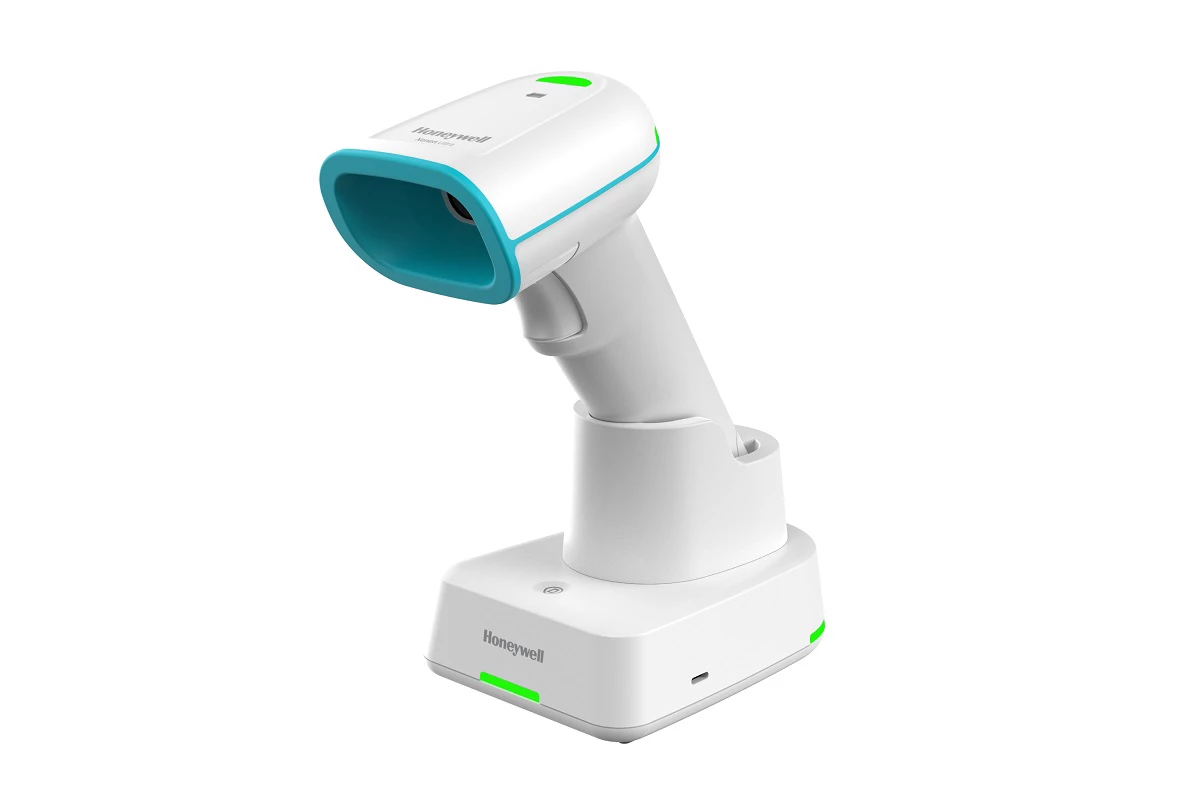
Honeywell Xenon Ultra 1962h, lecteur pour la santé
Le Xenon Ultra sans fil dans un boîtier compatible désinfectants, pour le chevet des patients et le laboratoire.

Honeywell Xenon XP 1952h, lecteur sans batterie pour la santé
Lecteur de santé sans fil et sans batterie. Se recharge en moins d'une minute, rien à remplacer ni à jeter.

Honeywell Xenon XP 1952h, lecteur pour la santé
Lecteur de santé sans fil un cran sous le Xenon Ultra, dans un boîtier compatible désinfectants.
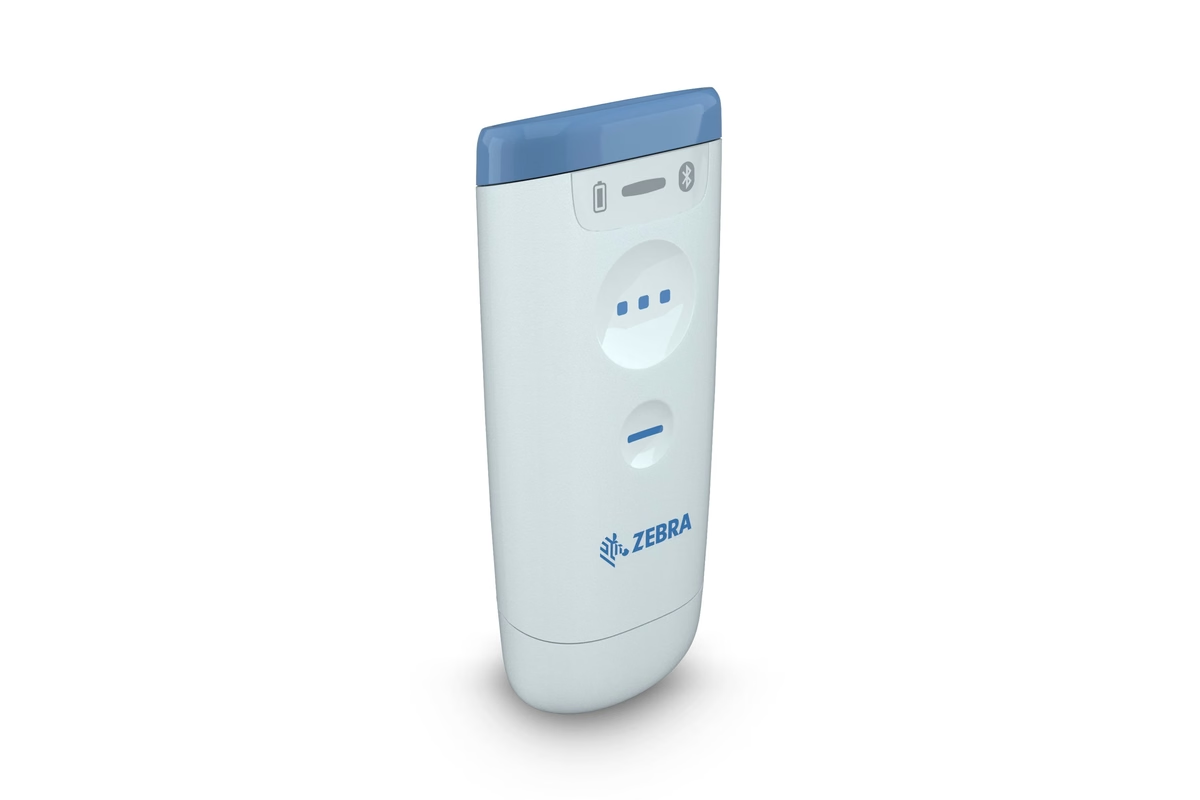
Zebra CS60-HC
Lecteur d'appoint de format poche pour les flux de travail cliniques, utilisable en mode filaire ou sans fil par Bluetooth.
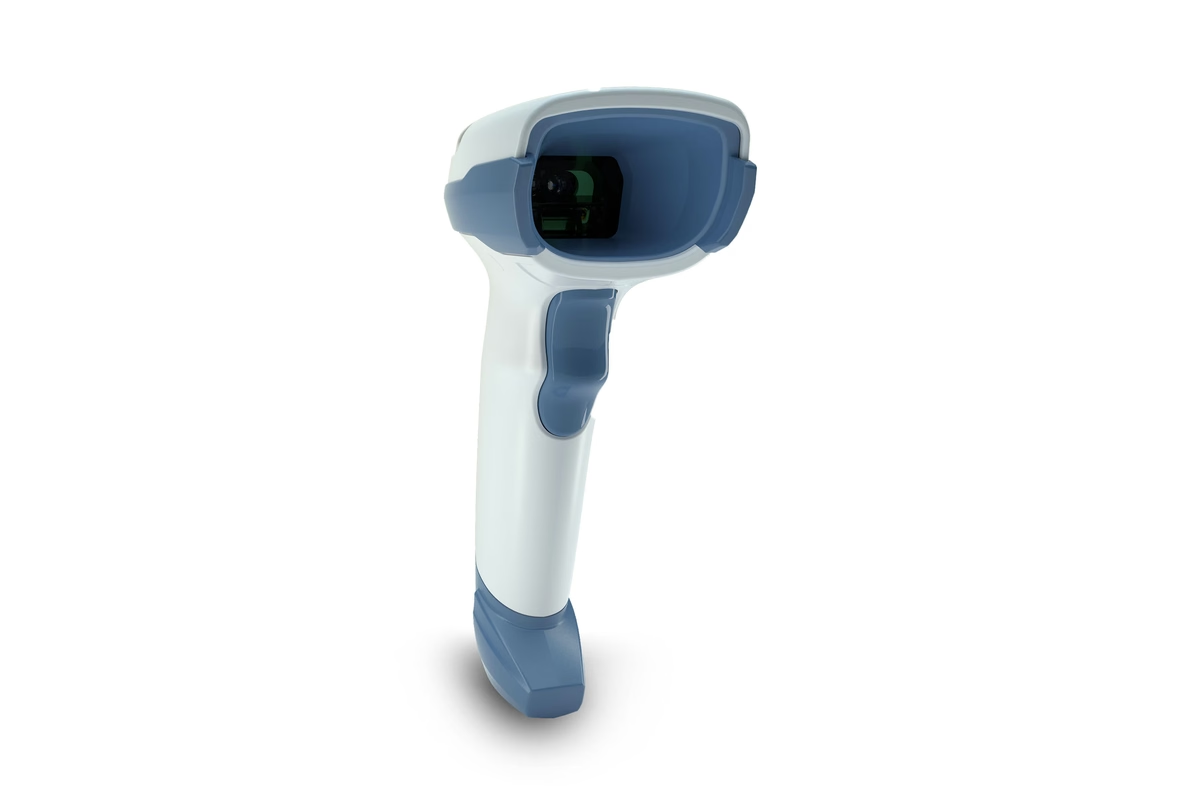
Zebra DS4608-HC
Imageur portatif filaire pour la santé, avec boîtier compatible désinfectants et étanchéité IP52.
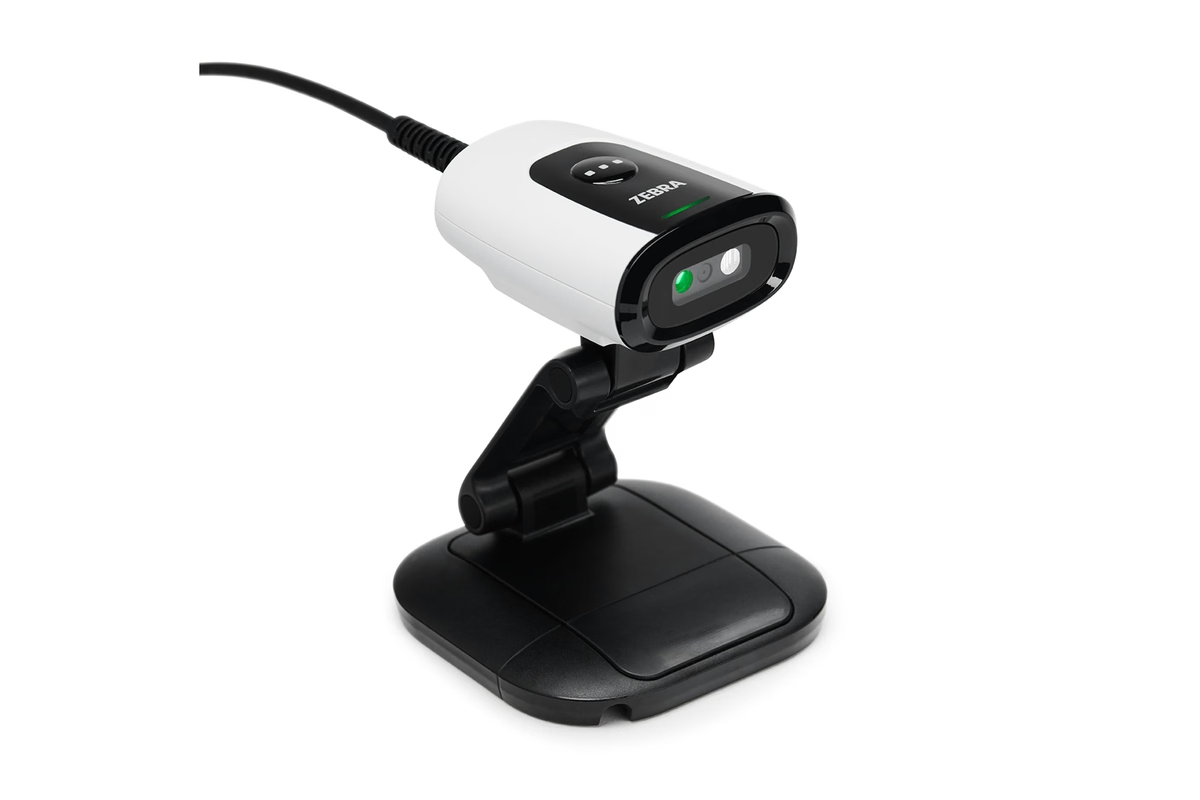
Zebra DS5502-LB
Imageur compact à montage fixe pour les laboratoires, les pharmacies et l'accueil des patients, étanche selon IP54.
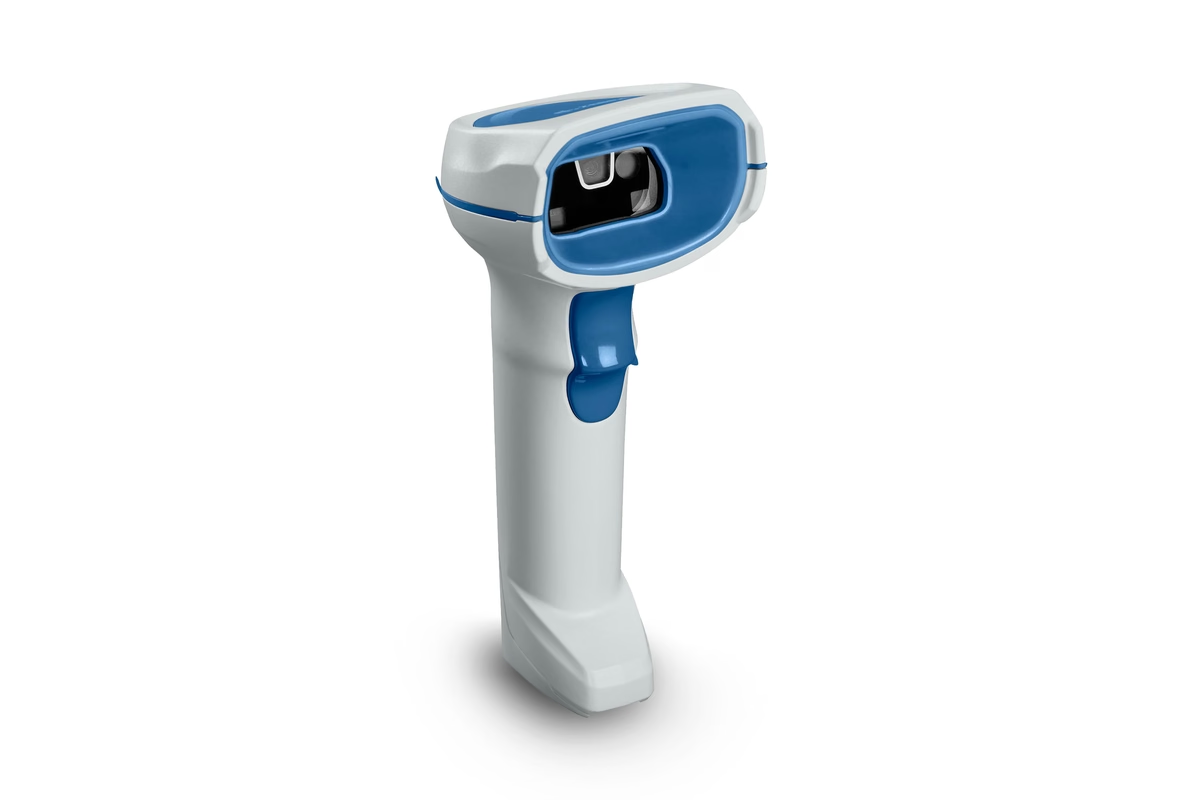
Zebra DS8108-HC
Imageur portatif filaire pour la santé, avec boîtier compatible désinfectants, pour les flux de travail cliniques.
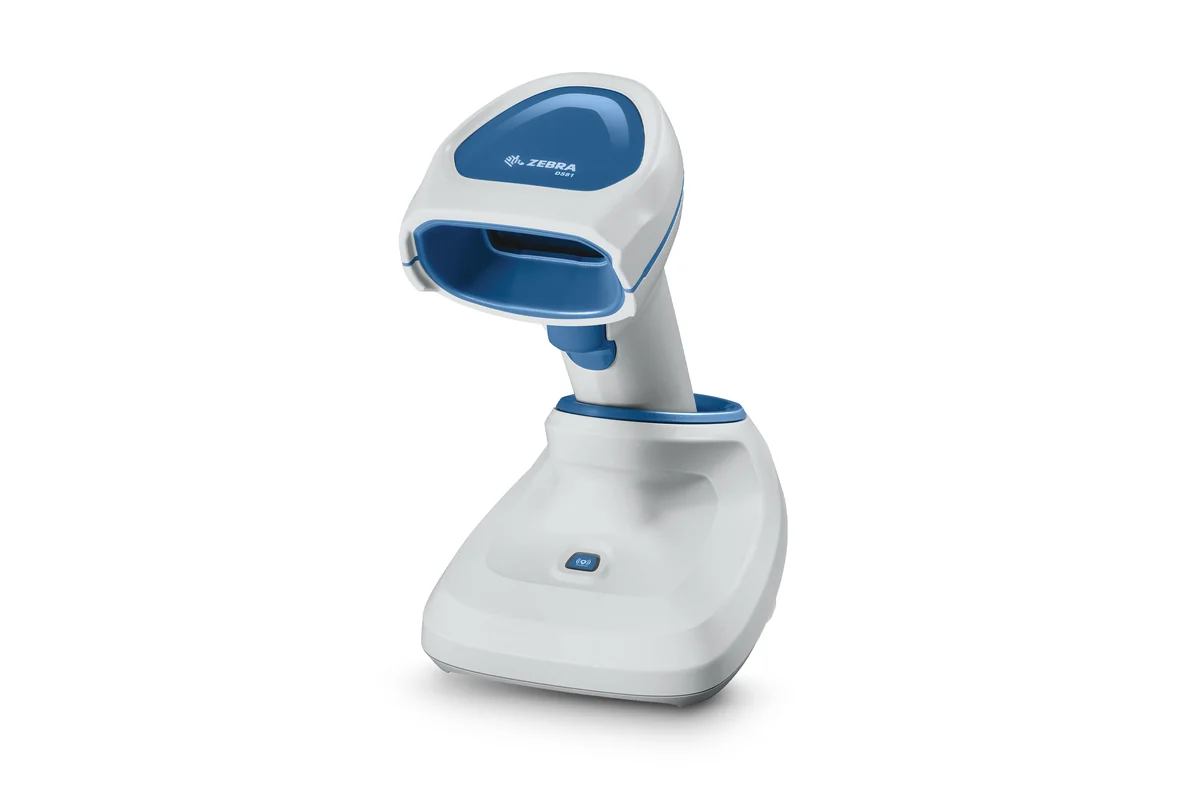
Zebra DS8178-HC
Imageur portatif sans fil pour la santé avec Bluetooth 4.0 et boîtier compatible désinfectants.
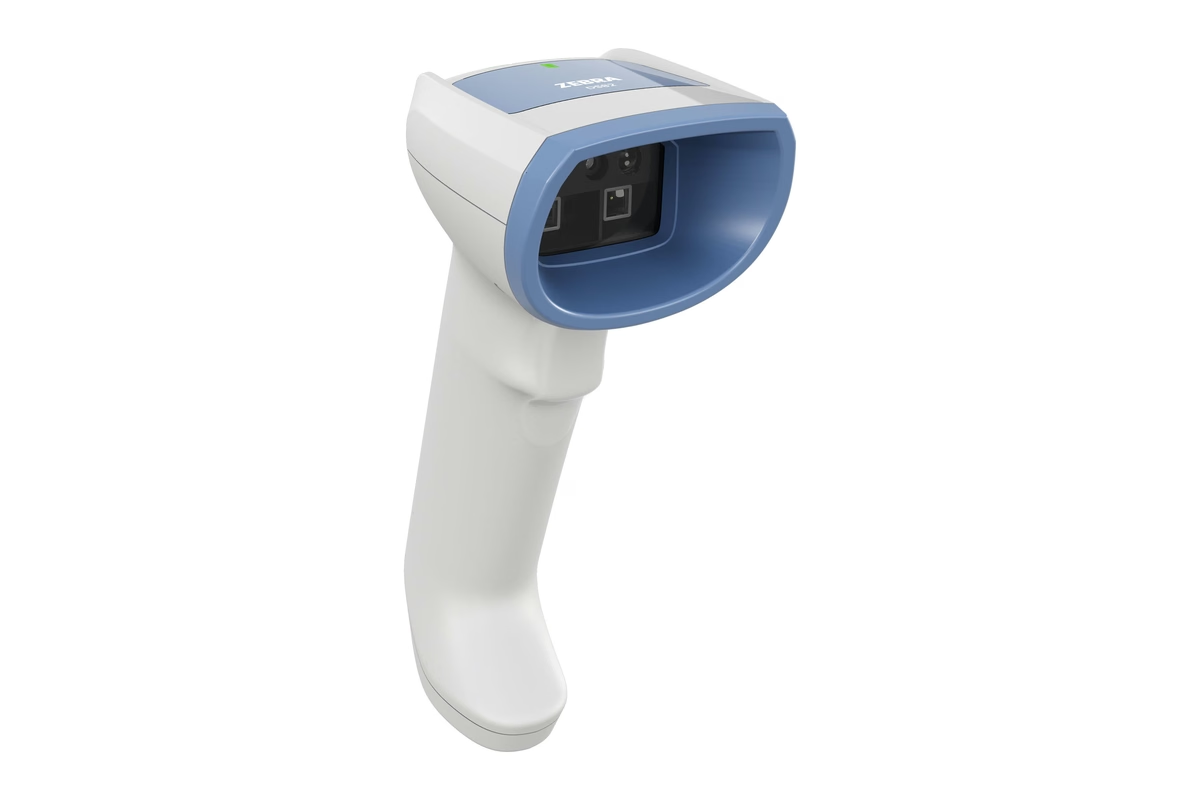
Zebra DS8208-HC
Portatif filaire pour la santé avec capteur de 2 Mpx et maîtrise avancée des infections, qui remplace le DS8108-HC.
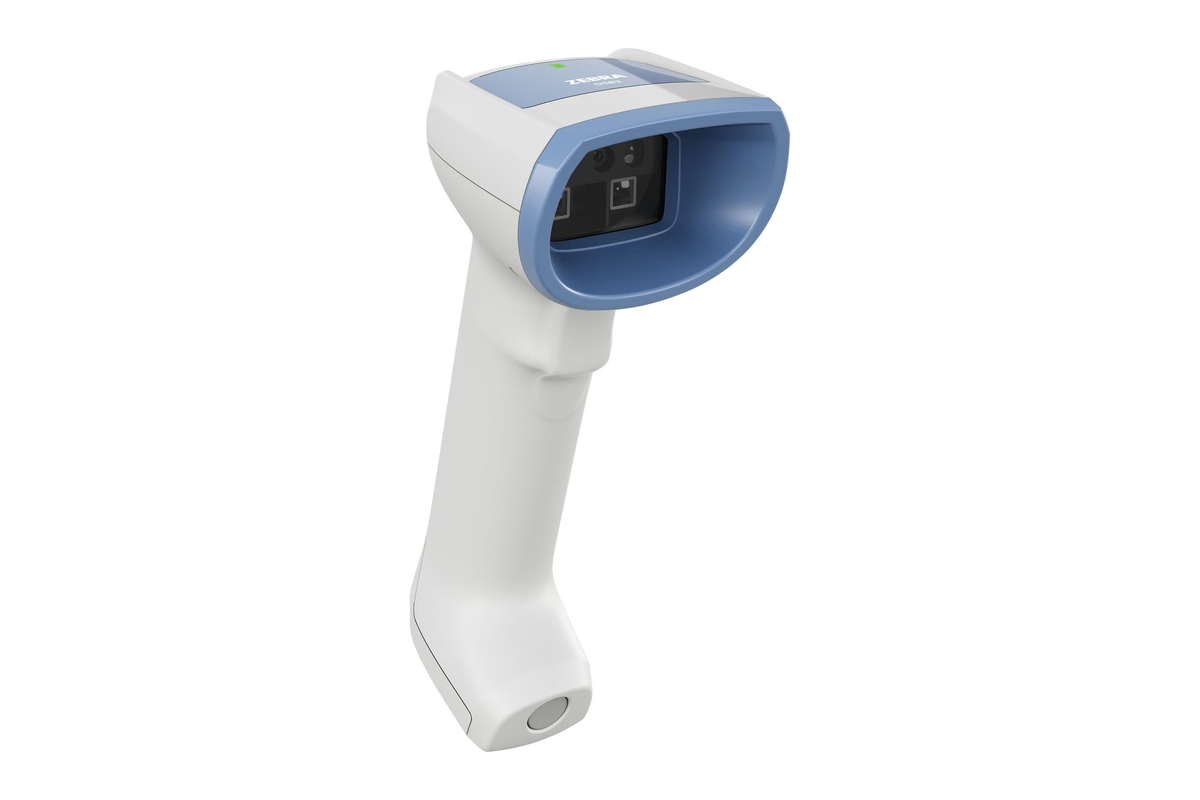
Zebra DS8288-HC
Portatif sans fil pour la santé avec recharge sans contact, alimentation remplaçable et lecture à 2 Mpx.
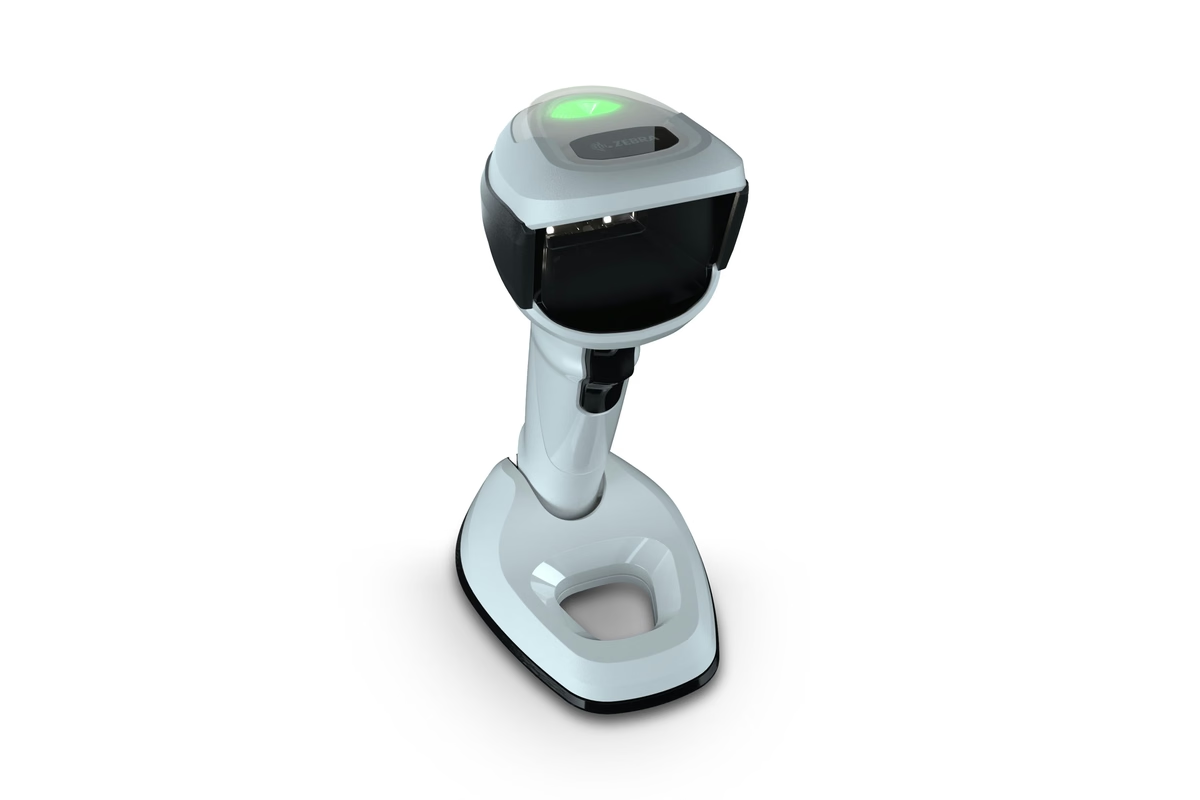
Zebra DS9908-HD
Imageur hybride portatif et de présentation pour les laboratoires et les pharmacies, qui lit les codes 1D, 2D et OCR.
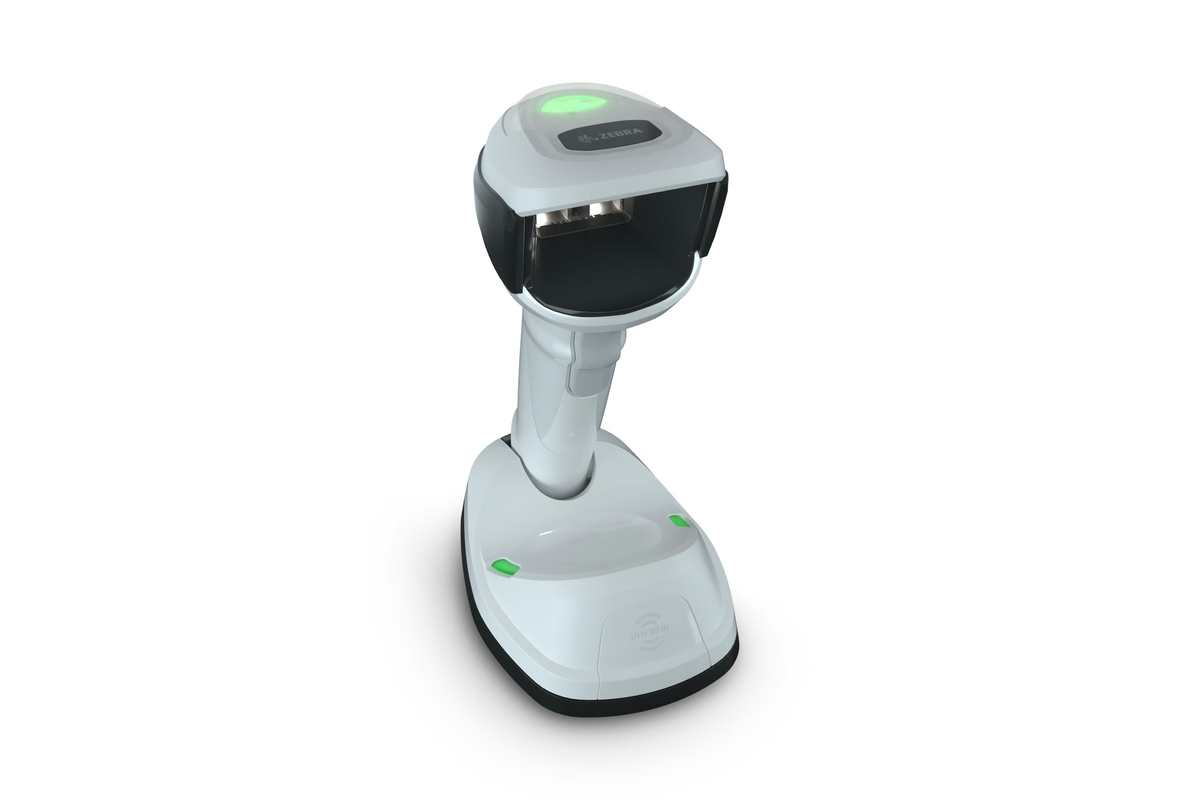
Zebra DS9908R-HD
Imageur hybride pour les laboratoires qui ajoute la lecture et l'écriture RFID UHF à la lecture 1D, 2D et OCR.
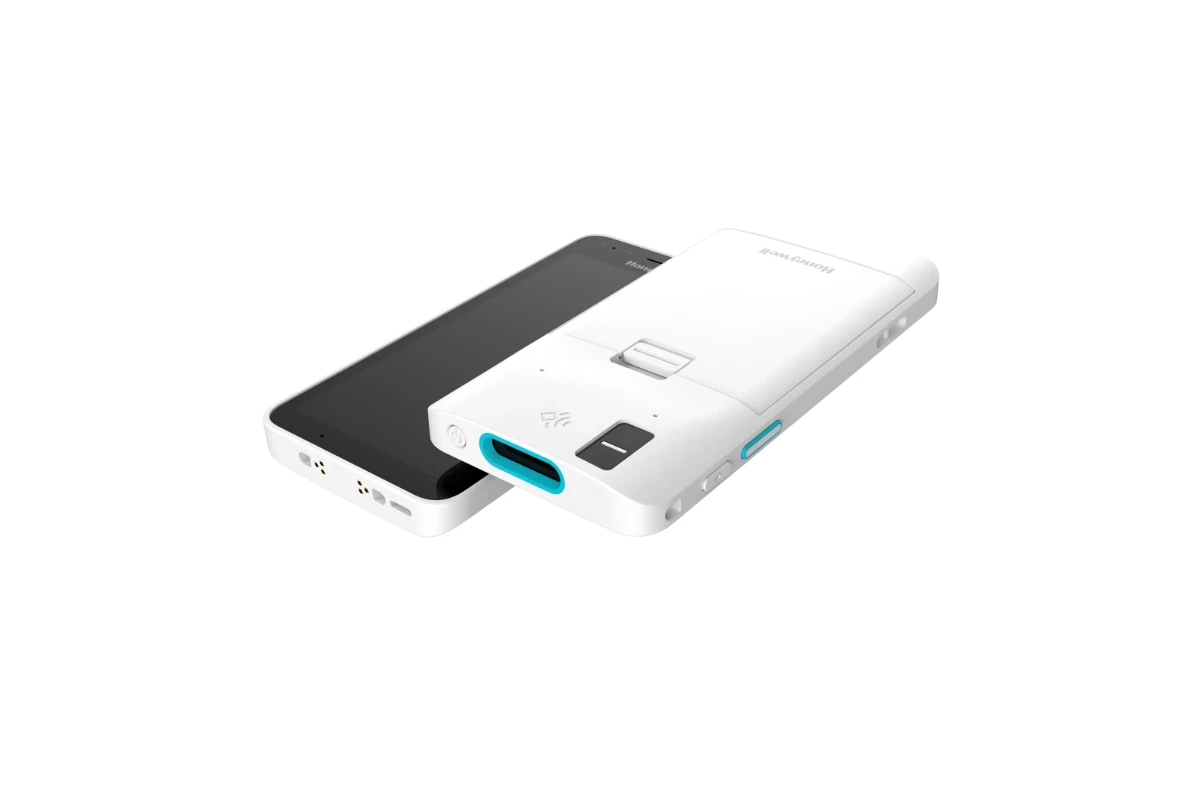
Honeywell CT30 XP HC, ordinateur mobile
Ordinateur clinique mince et de format poche, pour les cliniciens qui veulent un appareil plus proche de leur propre téléphone.
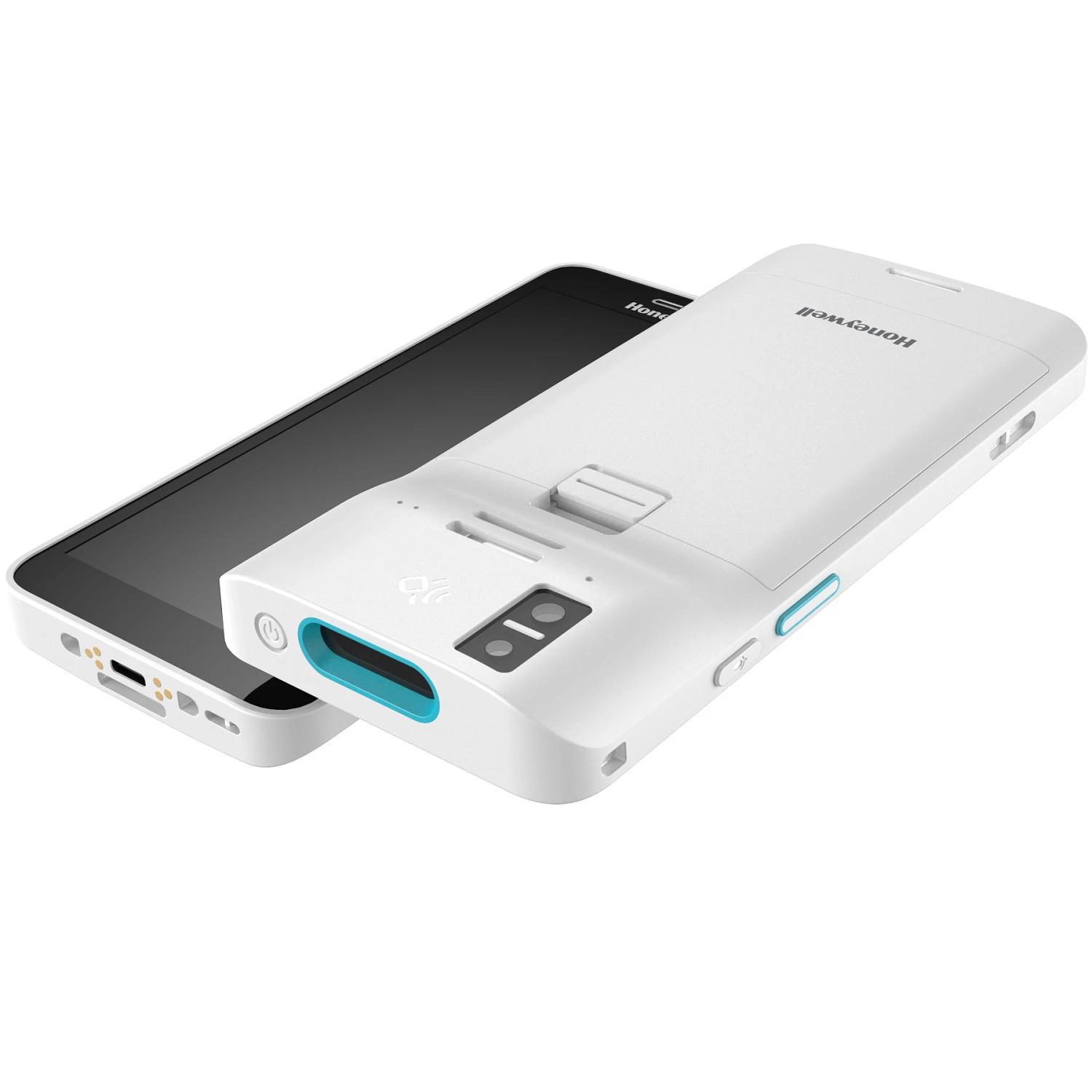
Honeywell CT37 HC, ordinateur portatif
L'appareil clinique phare. 5G, Wi-Fi 6E et batterie remplaçable à chaud pour des changements de quart sans temps d'arrêt.
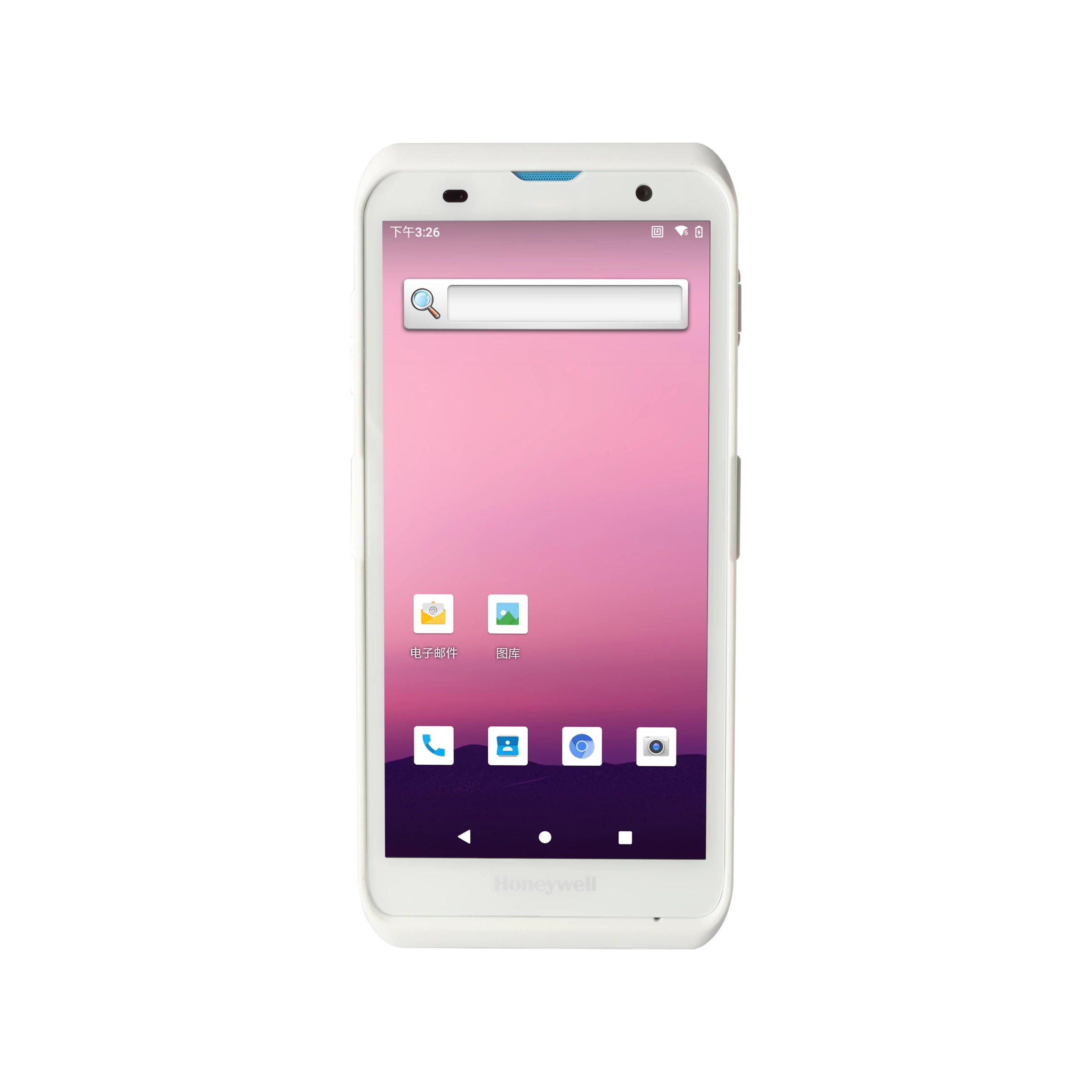
Honeywell ScanPal EDA52, ordinateur mobile pour la santé
L'ordinateur clinique de gamme économique, avec batterie amovible de 4 500 mAh pour les quarts prolongés.
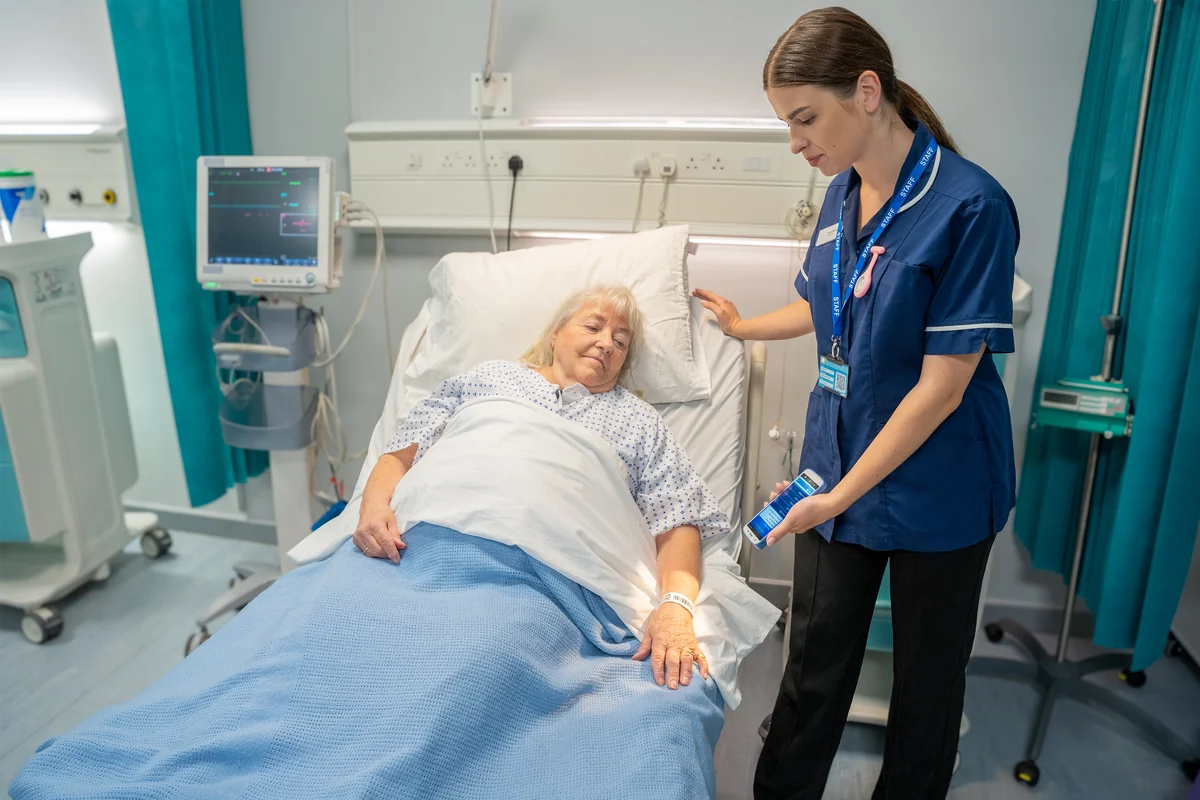
Zebra séries HC2X et HC5X
Appareils portatifs conçus pour la santé, pour la lecture au chevet, l'identification des patients et le prélèvement d'échantillons.
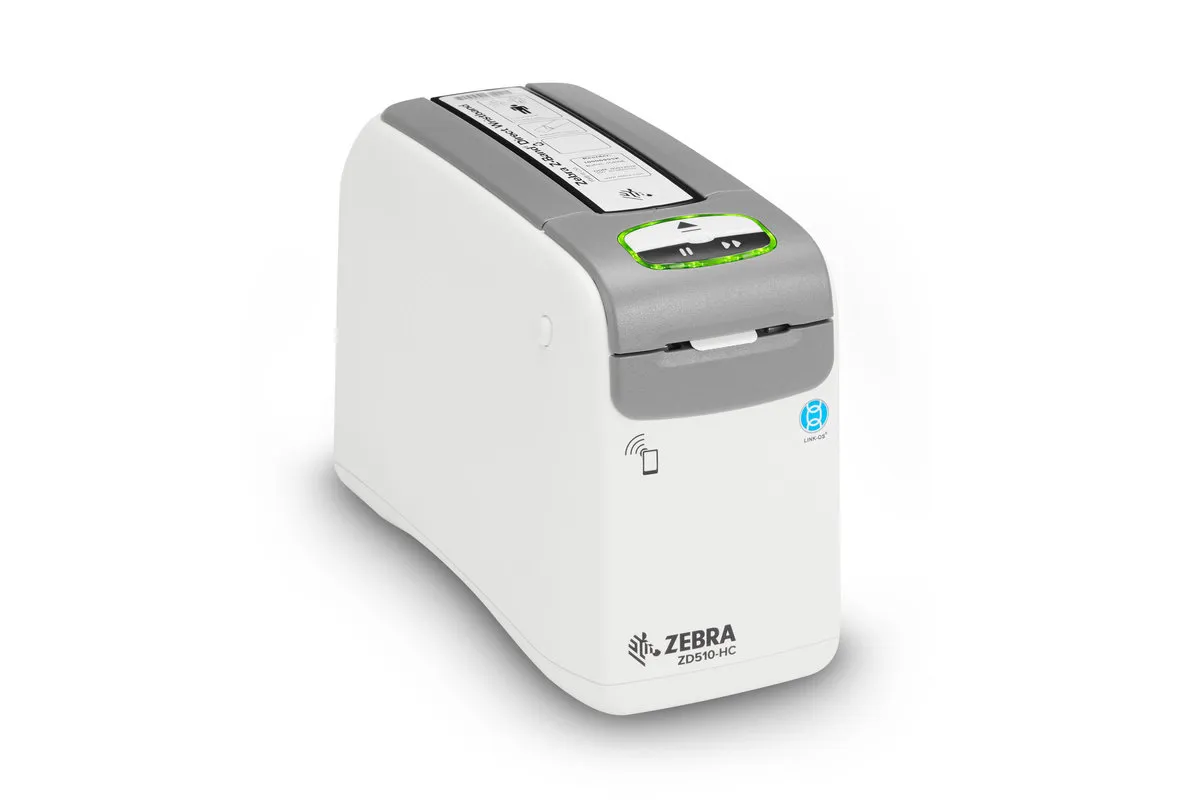
Zebra ZD510-HC
Imprimante de bracelets à cartouche conçue pour l'identification des patients à l'admission.
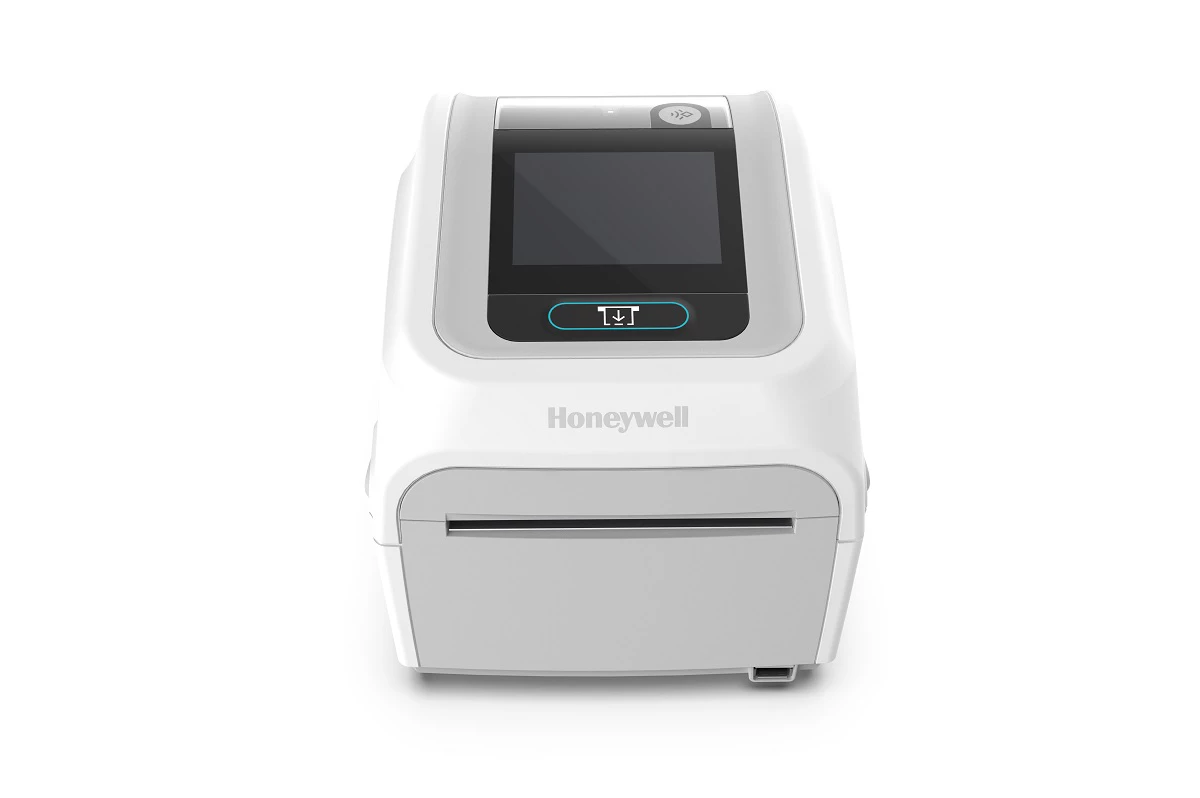
Honeywell PC45D, imprimante de bureau pour la santé
La PC45D dans un boîtier compatible désinfectants, pour les unités de soins où l'imprimante est essuyée entre les patients.
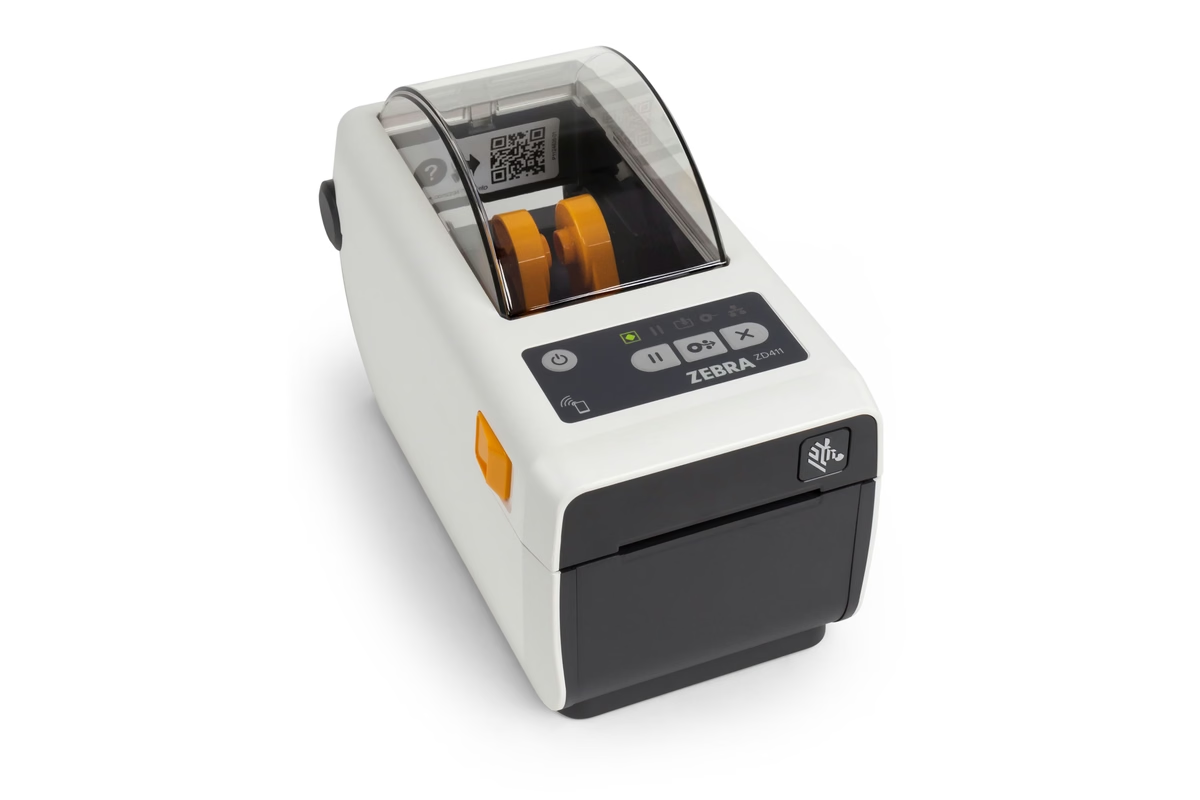
Zebra ZD411-HC
Imprimante thermique directe compacte de 2 po conçue pour l'étiquetage en santé et l'impression de bracelets.
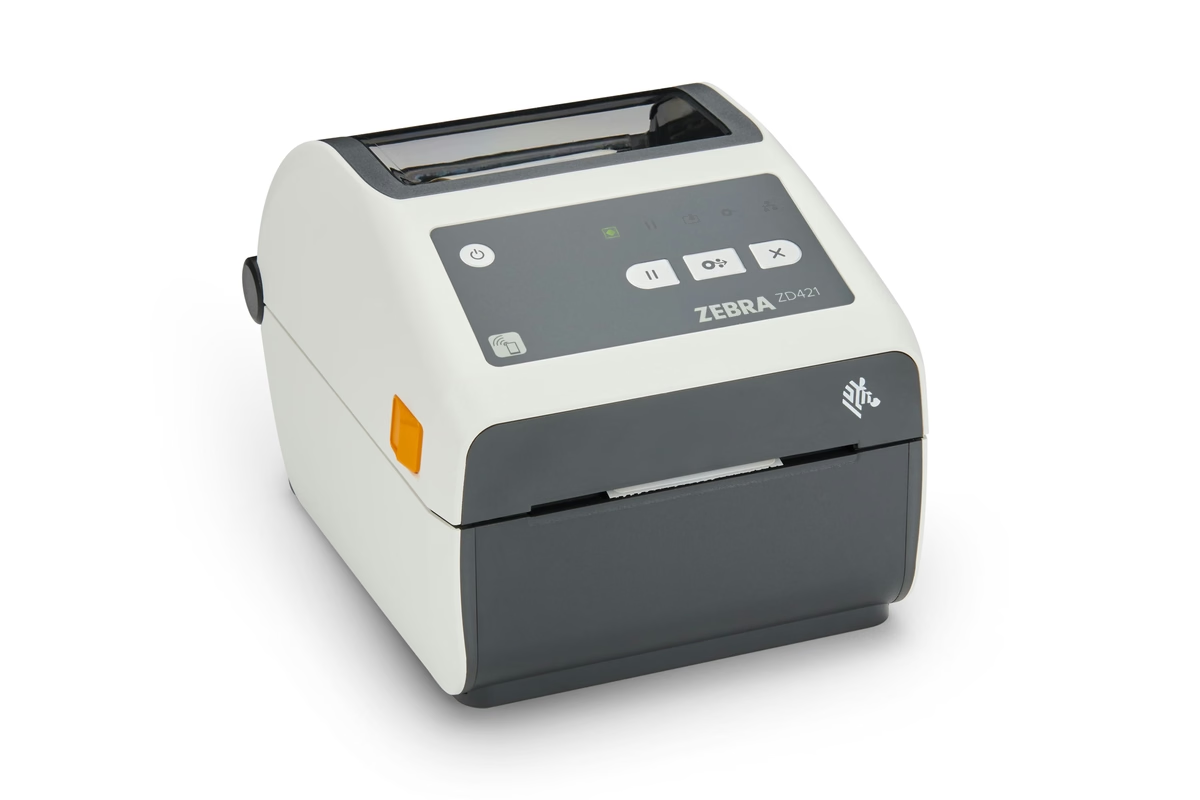
Zebra ZD421-HC
Imprimante de bureau de santé de 4 po pour l'identification des patients et l'étiquetage des échantillons et de la pharmacie.
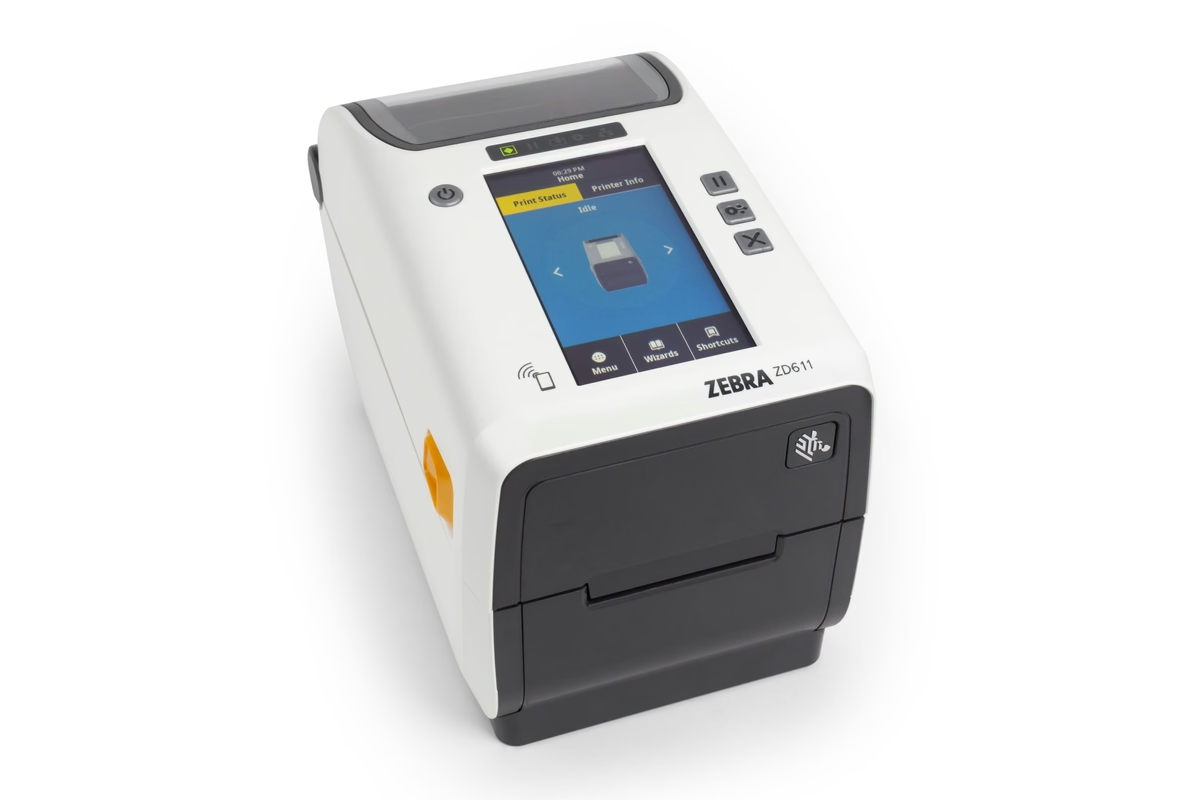
Zebra ZD611-HC
Imprimante de bureau de santé de 2 po pour les bracelets, les étiquettes d'échantillons et l'étiquetage de la pharmacie.
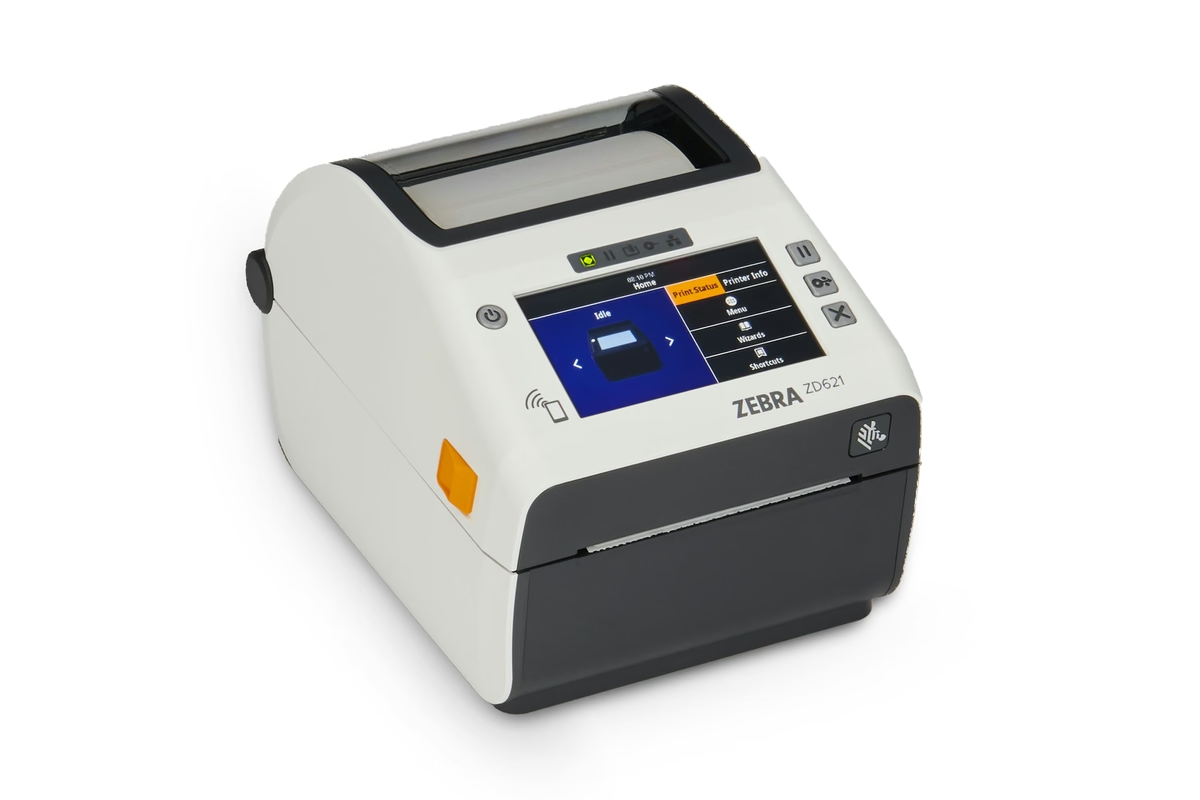
Zebra ZD621-HC
Imprimante de bureau de santé de 4 po pour l'identification des patients et l'étiquetage des échantillons et de la pharmacie.
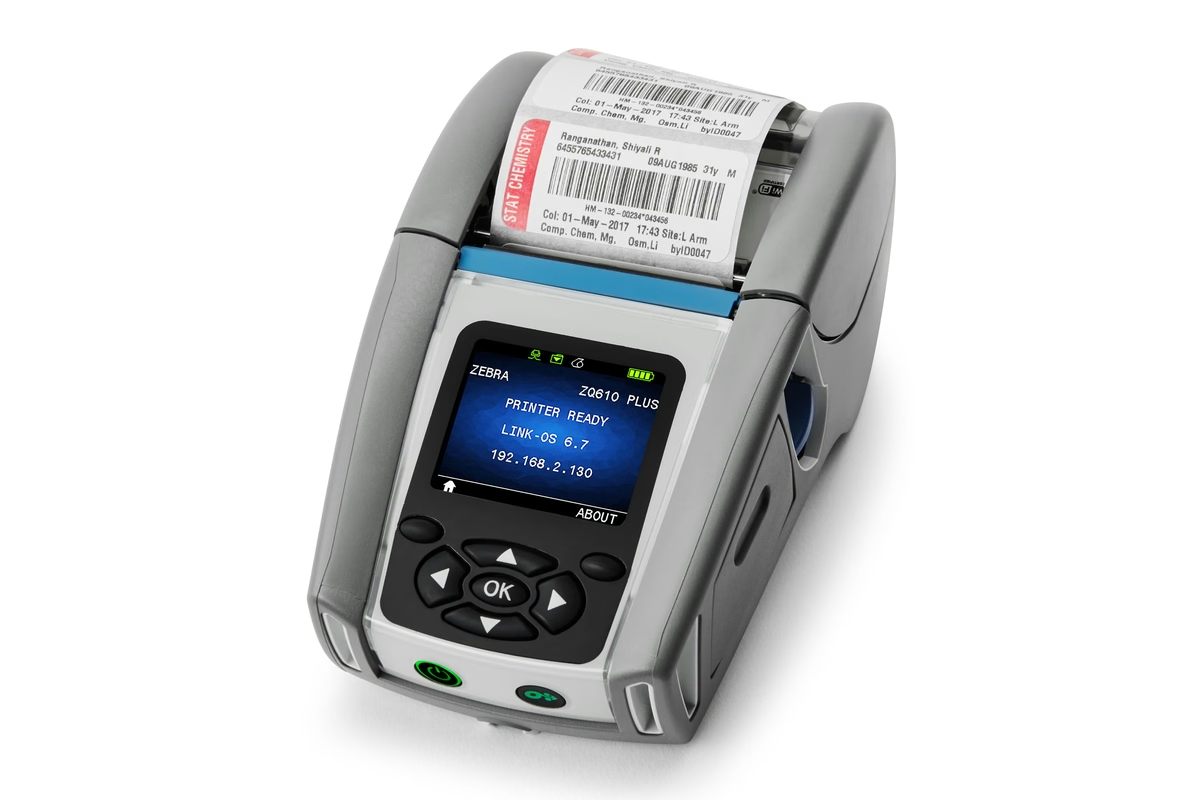
Zebra ZQ610 Plus-HC
Impression mobile de 2 po de qualité santé au point de soins.
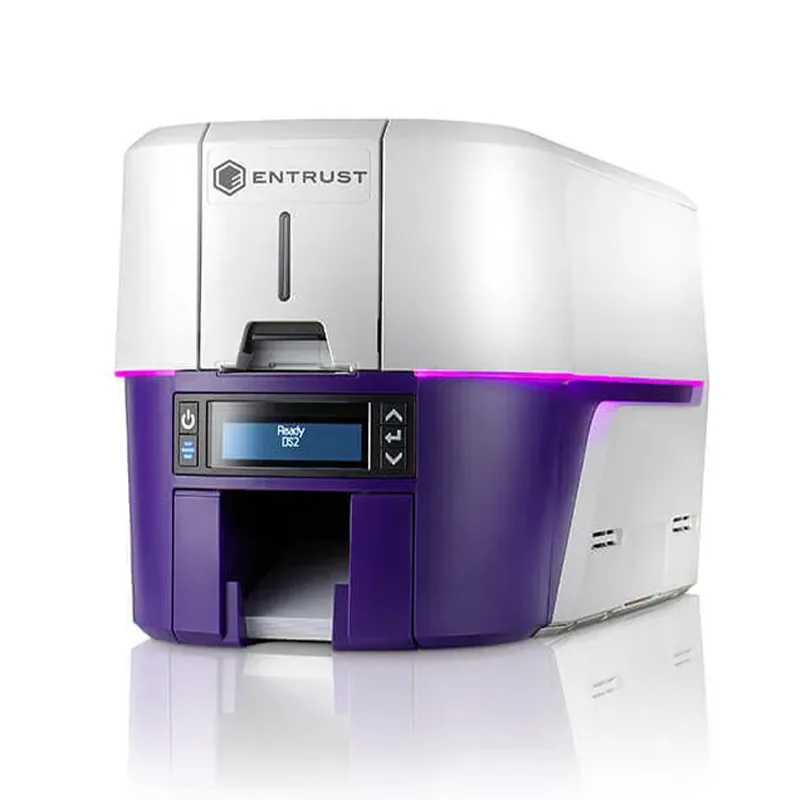
Entrust Datacard DS2
Recto ou recto verso à 300 ppp, avec options d'encodage intégré pour bande magnétique et carte à puce.
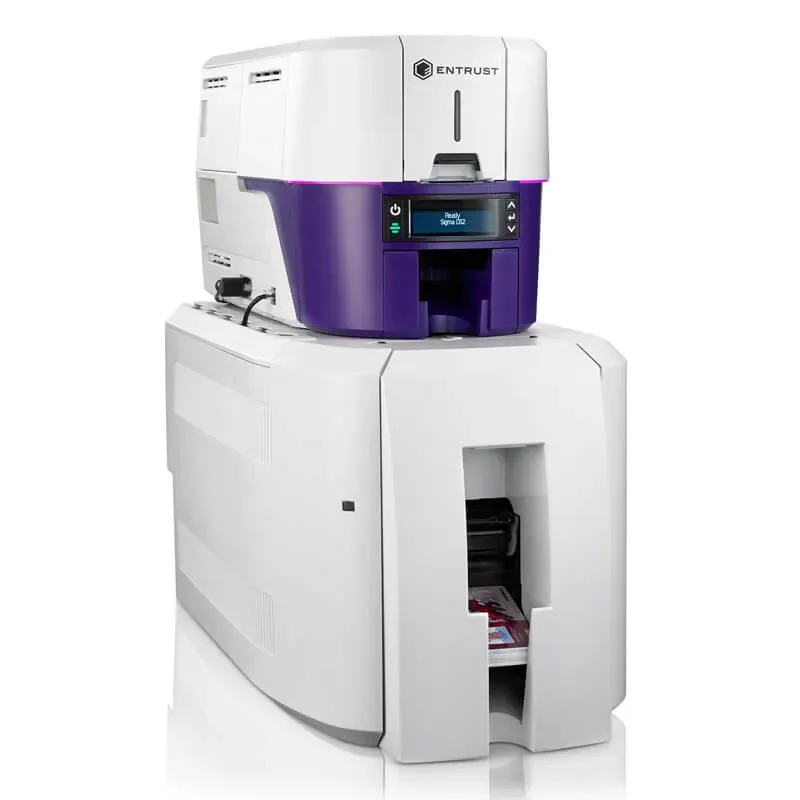
Entrust Datacard DS2 avec module de laminage de cartes
Un module de laminage en ligne applique une couche protectrice ou un film laminé au recto de la carte, au même passage.
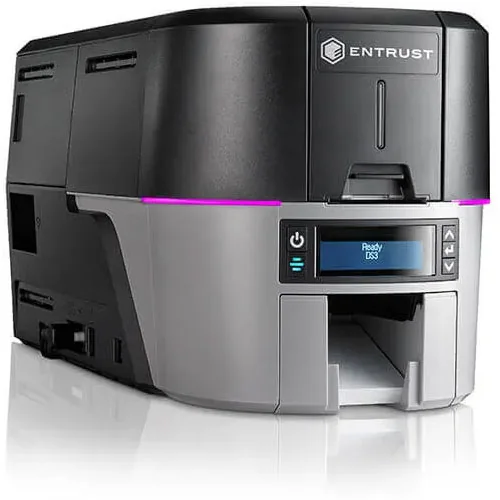
Entrust Datacard DS3
Le système d'impression directe sur carte le plus complet d'Entrust : jusqu'à 250 cartes à l'heure en recto, 180 en recto verso et 1 100 en monochrome.
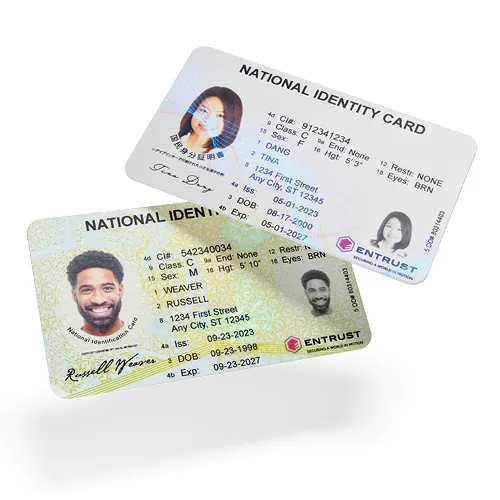
Entrust Datacard DS3 avec 600 ppp
La plus haute résolution de la gamme Datacard DS : 600 x 600 ppp pour les traits fins et les microtextes de sécurité.
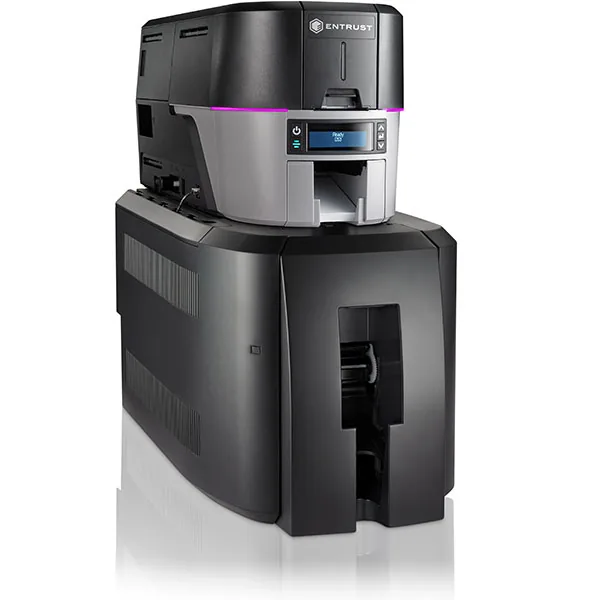
Entrust Datacard DS3 avec module de laminage de cartes
La DS3 avec un module de laminage en ligne qui finit le recto de la carte au même passage.
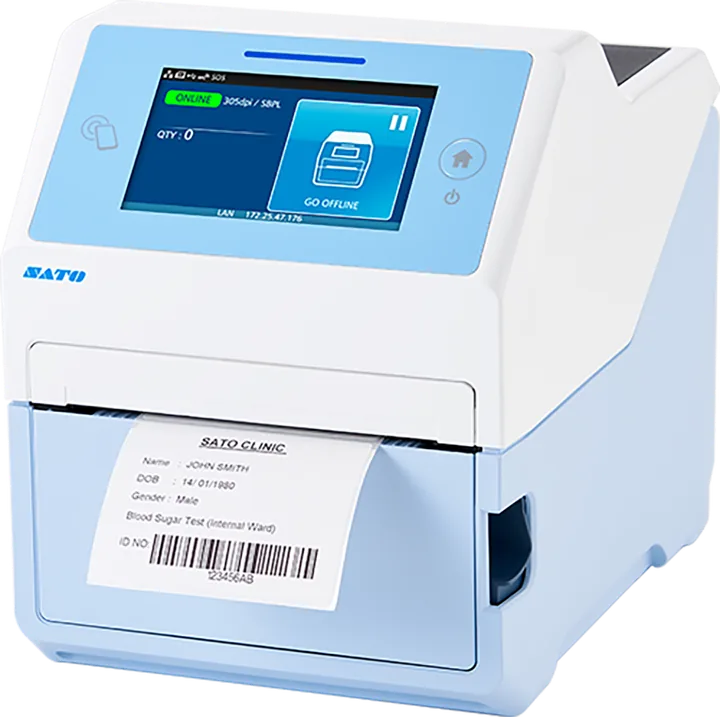
SATO CT4-LX-HC
La CT4-LX dans un boîtier antimicrobien qui se nettoie au désinfectant, pour les étiquettes d'échantillons et de pharmacie au point de soins.
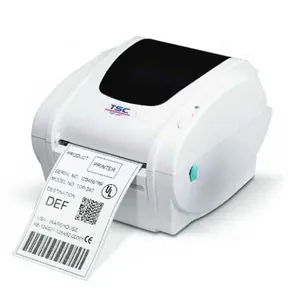
TSC TDP 4 po
Imprimante compacte à thermique directe pour les soins de santé, le commerce de détail et l'identification des actifs.
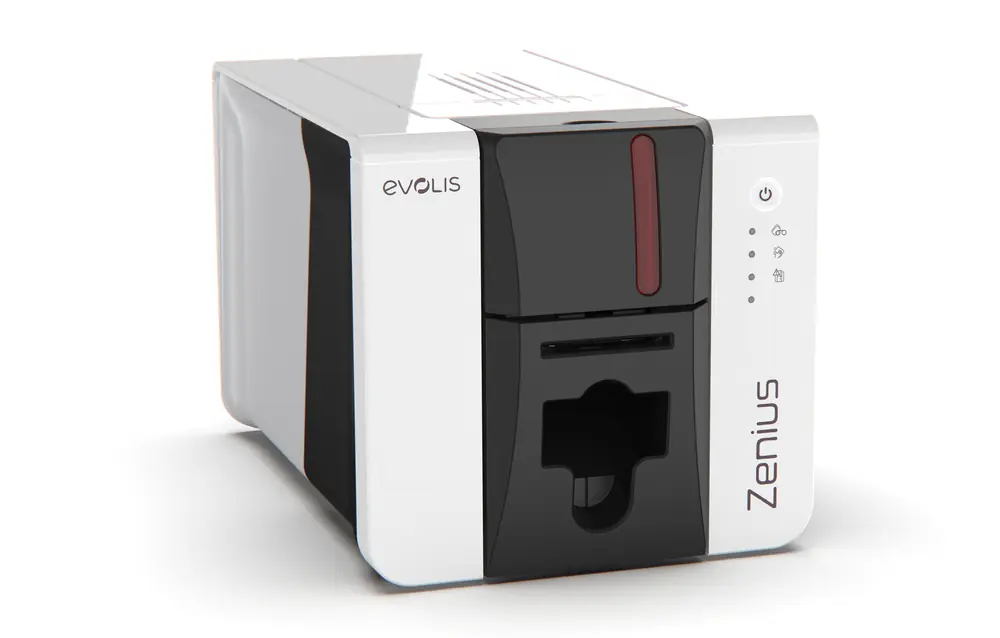
Evolis Zenius 2
Une imprimante recto avec chargeur de 50 cartes, pour les badges et les laissez-passer imprimés au recto seulement.
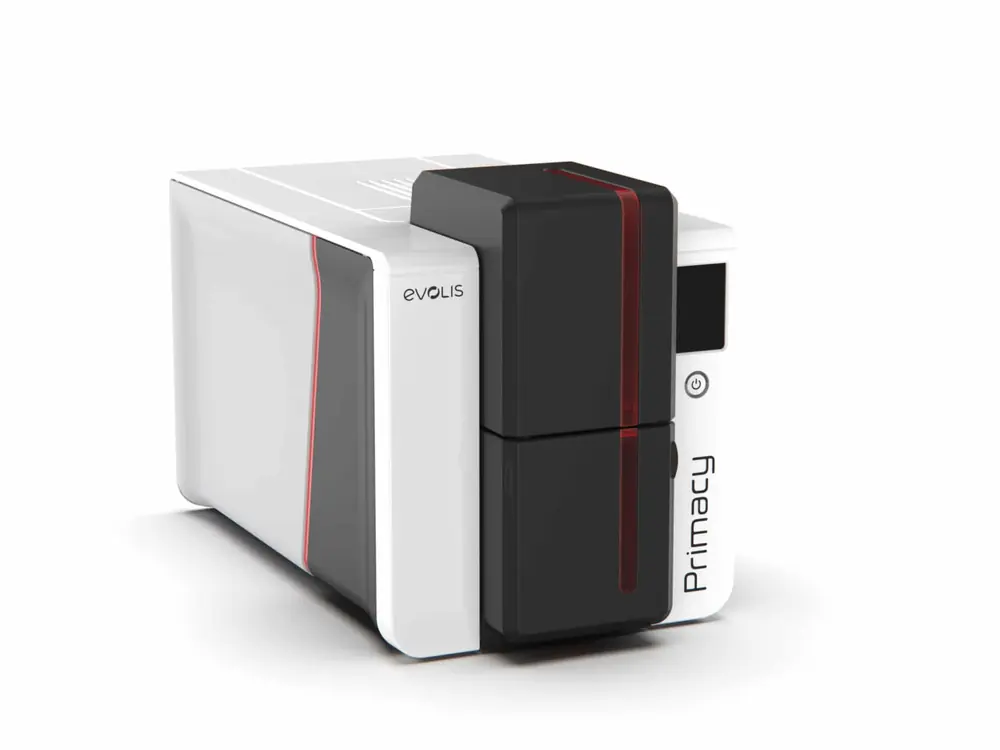
Evolis Primacy 2
Recto ou recto verso, Rewrite de série et des options qui, selon Evolis, peuvent être ajoutées sur place.
Les étiquettes qui conviennent
Un hôpital n’utilise pas une seule étiquette. Il utilise un bracelet qui doit durer trois jours malgré la peau et l’humidité, une étiquette d’échantillon qui doit résister au réfrigérateur, et une étiquette de dose assez petite pour le corps d’une seringue, qui doit tout de même se lire du premier coup.
Un hôpital utilise plusieurs constructions d’étiquettes à la fois, et elles ne sont pas interchangeables. Un bracelet d’identification doit rester lisible malgré le contact avec la peau, l’humidité et la manipulation, une étiquette d’échantillon doit résister à la réfrigération, et une étiquette de dose doit être assez petite pour tenir sur une seringue tout en se lisant du premier coup. Le travail d’Ahearn & Soper en matière d’étiquettes repose sur des constructions synthétiques pour le lot, la date de péremption et la sérialisation, ainsi que sur des bracelets et des étiquettes d’échantillons conçus pour l’entreposage au froid et la manipulation.
La défaillance que l’on remarque est celle du troisième jour, pas celle du premier. Un bracelet qui s’imprime proprement mais se lit mal après une douche a échoué au seul moment qui importe vraiment.
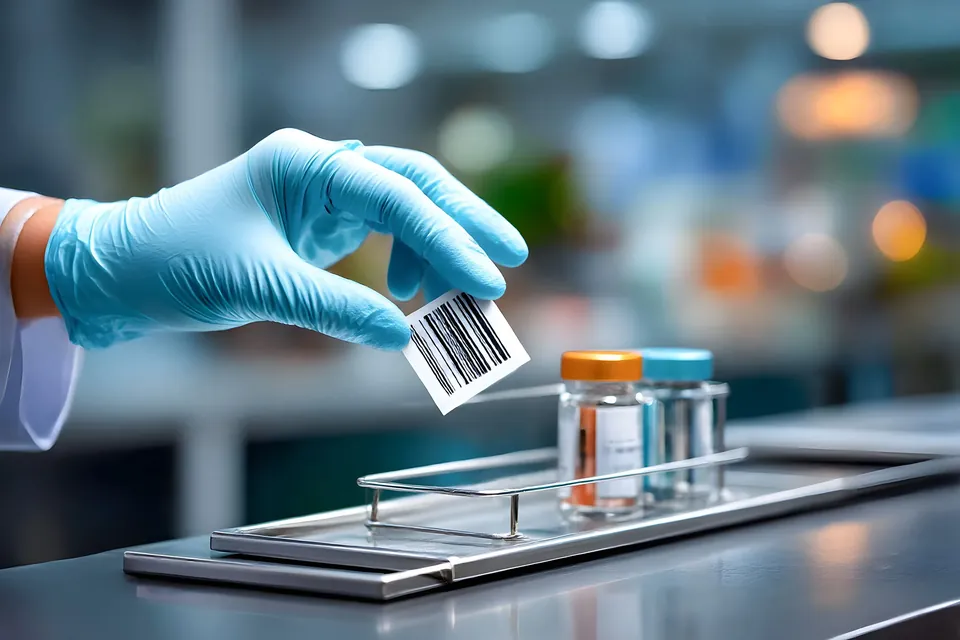
La construction présentée ci-contre est un point de départ pour un bracelet d’unité de soins, et elle change une fois que nous connaissons l’imprimante, le protocole de désinfection et la durée pendant laquelle le bracelet doit tenir.
Où l'identification intervient dans votre journée
La journée d’un patient est une chaîne de moments d’identification. Chacun prolonge le précédent ou le rompt sans bruit.
Admission
Le bracelet d’identification est imprimé et posé, et tout ce qui suit s’y réfère. S’il est imprimé sur le mauvais support ou avec la mauvaise imprimante, chaque lecture subséquente hérite du problème.
Prescription
L’ordonnance est saisie et devient l’inscription au dossier à laquelle la lecture au chevet sera comparée. Rien n’est encore lu, et c’est précisément pourquoi cette inscription doit être exacte.
Délivrance
La pharmacie prélève les médicaments et, lorsque la dose n’est pas déjà codée à l’unité, les reconditionne et imprime les étiquettes. C’est l’étape qui transforme une pharmacie d’hôpital en atelier d’impression.
Administration
Le bracelet et la dose sont tous deux lus avant toute administration. C’est la seule étape où la boucle entre ce qui a été prescrit et ce qui se passe réellement se referme.
Prélèvement
Le tube est étiqueté auprès du patient plutôt qu’à la paillasse, puis lu à son arrivée. Un tube étiqueté de mémoire dix minutes plus tard est, aux yeux du dossier, un tout autre échantillon.
Résultat
Le résultat revient et se rattache au même identifiant qu’au début de la journée. Si le bracelet a bien fait son travail, personne n’a rien à rapprocher à cette étape.
Les questions qu'on nous pose le plus
Voici les questions qui reviennent vraiment, y compris celle à laquelle personne dans ce marché ne répond franchement : l’un des échéanciers canadiens de codage à barres a-t-il force de loi? Aucun n’a force de loi.
Un code à barres 2D sur les médicaments délivrés est-il exigé par la loi au Canada?
Non. La feuille de route de GS1 Canada fixait le 31 décembre 2025 pour la pharmacie et le 31 décembre 2027 pour les produits en vente libre et les produits de santé naturels, mais cette même feuille de route précise que Santé Canada ne réglemente pas le codage à barres. Il s’agit d’un échéancier de l’industrie, sans mécanisme d’application publié, ce qui est tout autre chose qu’une loi.
Alors, qu’est-ce que l’échéancier pour la pharmacie nous demande réellement de faire?
De lire, surtout. L’obligation consiste à lire un code GS1 DataMatrix et à intégrer ce qu’il contient dans votre système, c’est-à-dire le GTIN, la date de péremption et le numéro de lot. Le numéro de série est facultatif au Canada, contrairement aux États-Unis et à l’Union européenne. Les dépenses visent donc les lecteurs et les champs de votre système hôte plutôt que les imprimantes.
Alors pourquoi un hôpital aurait-il besoin d’imprimantes, au juste?
Parce que personne n’a rendu obligatoire le code à barres sur la dose unitaire. Les fabricants ne sont pas tenus d’en mettre un sur un comprimé individuel ou sur une seringue unique, alors les hôpitaux qui veulent que la lecture au chevet fonctionne reconditionnent les doses et impriment leurs propres codes. C’est le seul endroit sur cette page où le choix de l’imprimante et l’évaluation du symbole comptent vraiment.
La lecture au chevet réduit-elle vraiment les erreurs?
Les données les plus solides proviennent de l’étude de Poon et de ses collègues publiée en 2010 dans le New England Journal of Medicine, qui a examiné la lecture de codes à barres jumelée à une feuille d’administration des médicaments électronique sur plus de 13 000 administrations. Elle a fait état d’une réduction d’environ 41 % des erreurs d’administration non liées à l’horaire. Il s’agit d’une seule étude menée aux États-Unis en 2010 : considérez-la comme une preuve solide plutôt que comme une garantie pour votre unité de soins.
Une imprimante d’étiquettes standard tiendra-t-elle le coup dans une unité de soins?
Le mécanisme, habituellement oui. Ce sont le boîtier et les supports d’impression qui posent question, car un appareil désinfecté plusieurs fois par quart de travail a besoin d’un boîtier conçu pour cela, et un bracelet a besoin d’un matériau qui se lit encore après trois jours de douches et de manches. C’est pour cette raison que les versions pour la santé existent comme modèles distincts, et non comme simple choix de couleur.
Pouvez-vous aussi fournir les cartes d’identification du personnel et des visiteurs?
Oui. Ahearn & Soper est partenaire Platine Entrust pour le matériel d’impression de cartes et d’identification, et l’identification du personnel et des visiteurs fait partie de son travail depuis longtemps. Les imprimantes de cartes adaptées aux hôpitaux figurent dans la liste de produits de cette page, la gamme Entrust Datacard DS complète a sa propre page, et un spécialiste peut vous accompagner à partir de là.
Lectures connexes






Réservez une visite guidée de votre exploitation
Dites-nous ce que vous utilisez aujourd'hui et à quel moment le registre cesse de correspondre à ce qui s'est réellement passé. Un spécialiste lit votre message, pose les deux ou trois questions qui décident vraiment de la réponse et vous revient avec ce qui changerait, plutôt qu'avec une liste de pièces.
Merci, nous avons reçu votre demande
Un spécialiste vous répondra dans un délai d’un jour ouvrable.
Une erreur s’est produite et vos renseignements n’ont pas été envoyés. Veuillez réessayer dans un instant.