Multi-client operations
One facility. Every client's rules, followed exactly.
Ahearn & Soper builds the identification and inventory infrastructure Canadian third-party logistics operations run several clients on: ProVision WMS keeping each account's stock and billing segregated, compliance labelling to each client's own spec, and the scanners, printers and RFID readers around it. One team specifies, integrates, trains and services all of it.

Where the money leaks
A 3PL loses money in places a single-client warehouse never sees. Each one starts where one client's rules meet another client's stock in the same building, and each one is most expensive at the moment a client asks you to prove what actually happened.
- Inventory and billing that has to stay segregated by client, with no room for cross-contamination in the count
- Each client demanding different labelling, routing and compliance requirements on the same dock
- Onboarding a new client's SKUs and workflows fast enough to hit their go-live date
- Proving performance against an SLA with data rather than assurances, at the moment a client asks
- Scaling storage and throughput for a growing account without re-platforming
How we solve it
Ahearn & Soper specifies, integrates, trains and services the whole chain: ProVision WMS holding each account separately, automated print and apply for per client compliance labels, RFID where cross-dock has to move faster than a scan at a time, and devices built for the yard and the dock. Four parts, one team accountable.
ProVision WMS, multi-client by design
Client level inventory segregation, workflows configured per account, and reporting that lets you show a client exactly what your own system shows you rather than a summary reconciled after the fact. ProVision WMS was introduced for 3PL, manufacturing and wholesale environments, because a system built around one client breaks on the second.
Automated print and apply for compliance labelling
Retail and distribution partners each set their own labelling and routing requirements. Automated label applicators put the correct label, the correct client's label, on at line speed, which cuts the manual re-labelling that quietly eats the margin on every account.
RFID for high throughput cross-docking
Where pallets have to move faster than a scan at a time allows, fixed mount RFID reads tags in bulk at dock doors and conveyor points. That keeps cross-dock and transload moving, and an overhead reader records where a pallet is rather than only that it passed a read point.
Mobile computers built for the yard and the dock
Rugged handheld, wearable and vehicle mounted devices that hold up to a 3PL's pace, keeping receiving, put-away and outbound data current in real time. That matters when three clients' freight moves through the same dock in the same hour.
Products that fit this work
These are the mobile computers, scanners, RFID readers and printers we put into Canadian third-party logistics operations most often. Each is chosen for a job that happens at a dock door, in a yard or on a cross-dock line rather than for its spec sheet, and each is supported by the same team that supplies it.
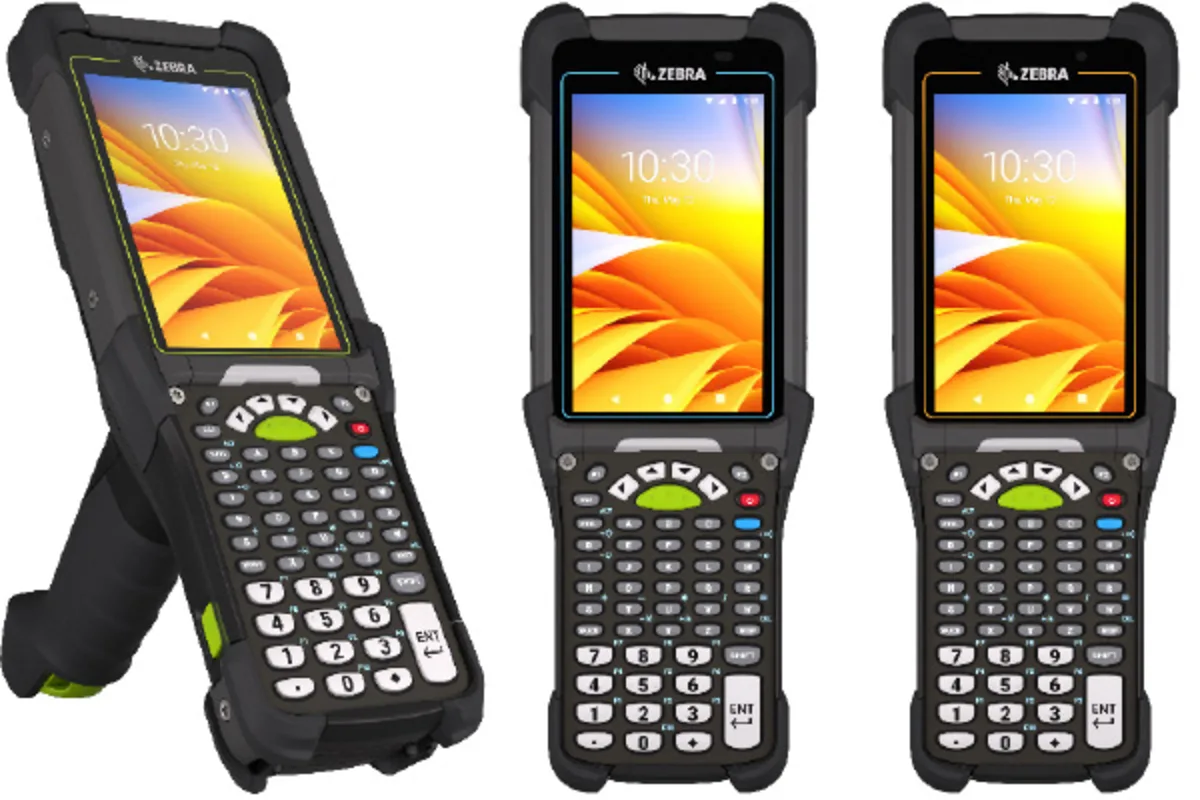
Zebra MC9400 and MC9450
Ultra rugged handheld with a 4.3 inch display and Wi-Fi 6E, with 5G data on the MC9450.
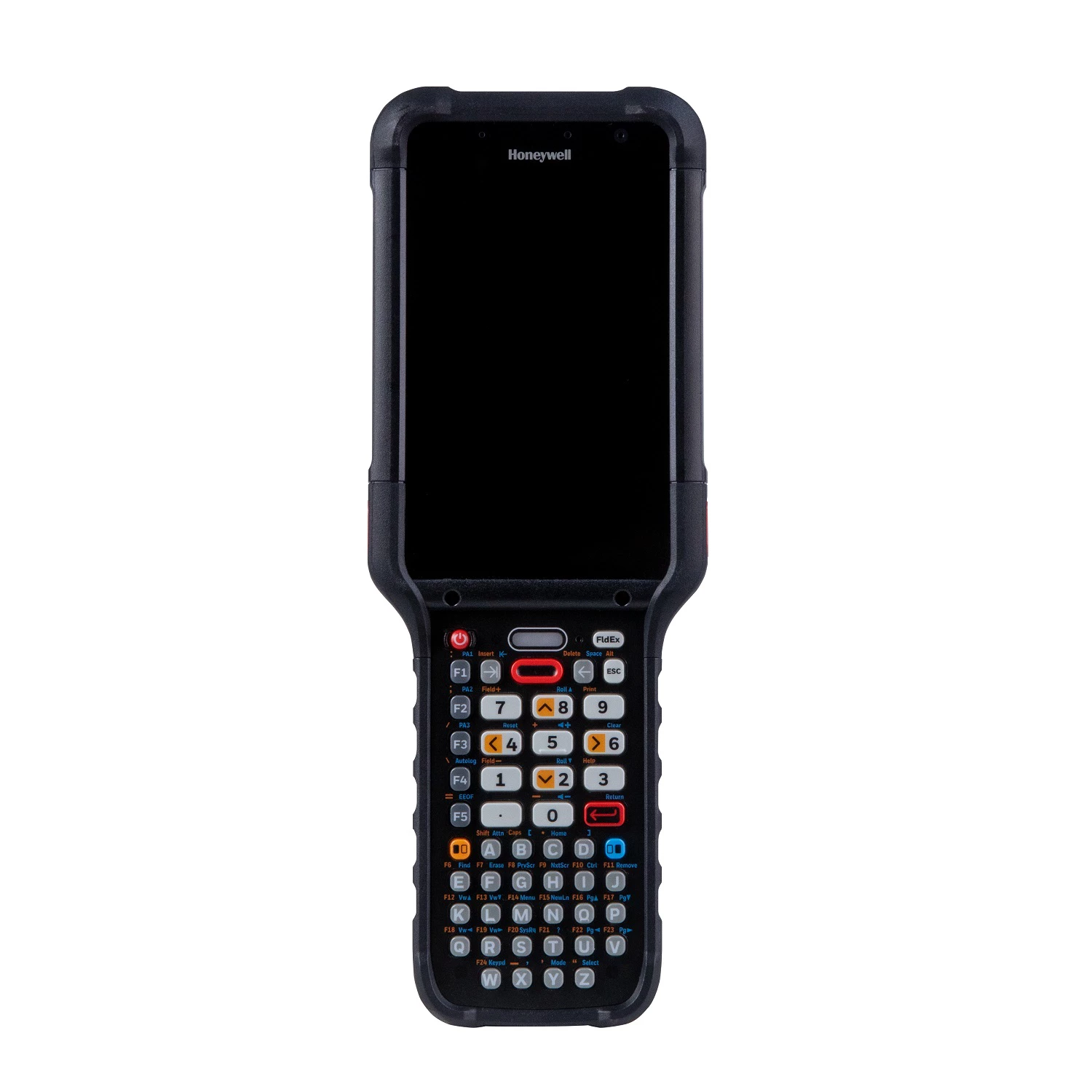
Honeywell CK67 Ultra-Rugged Mobile Computer
The newest CK. 5G, Wi-Fi 6E and guaranteed Android support through 18, so it has the longest runway.
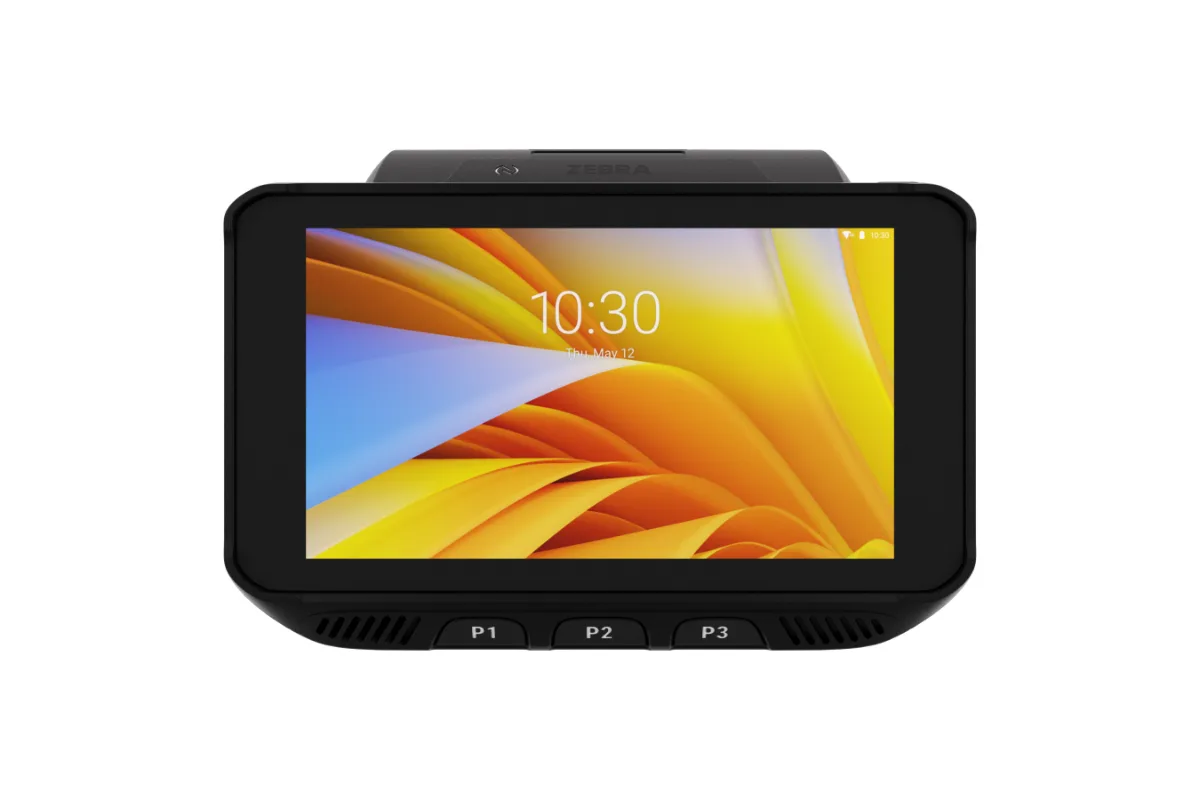
Zebra WT5400 Wearable Computer
Wrist-mounted computer for store associates picking online orders and moving stock from dock to shelf.
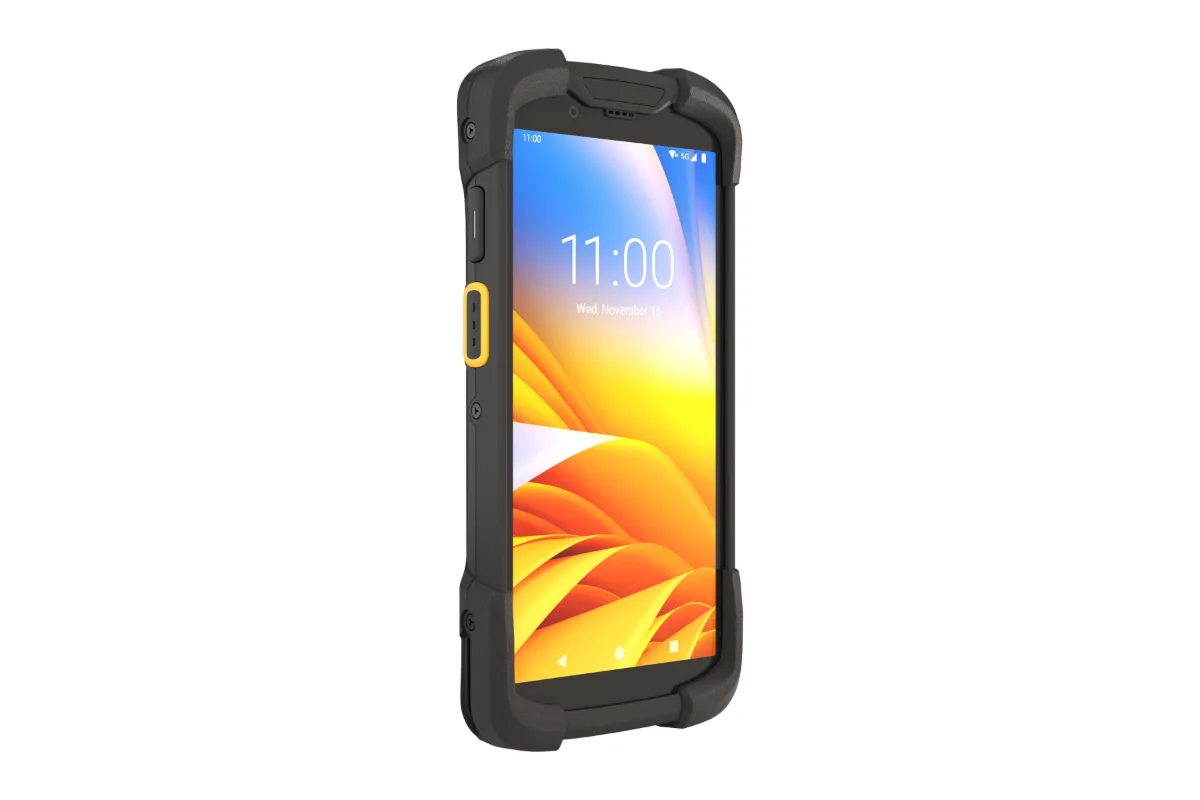
Zebra TC78
Outdoor mobile computer with a 6 inch full HD+ display, Wi-Fi 6E and 5G.
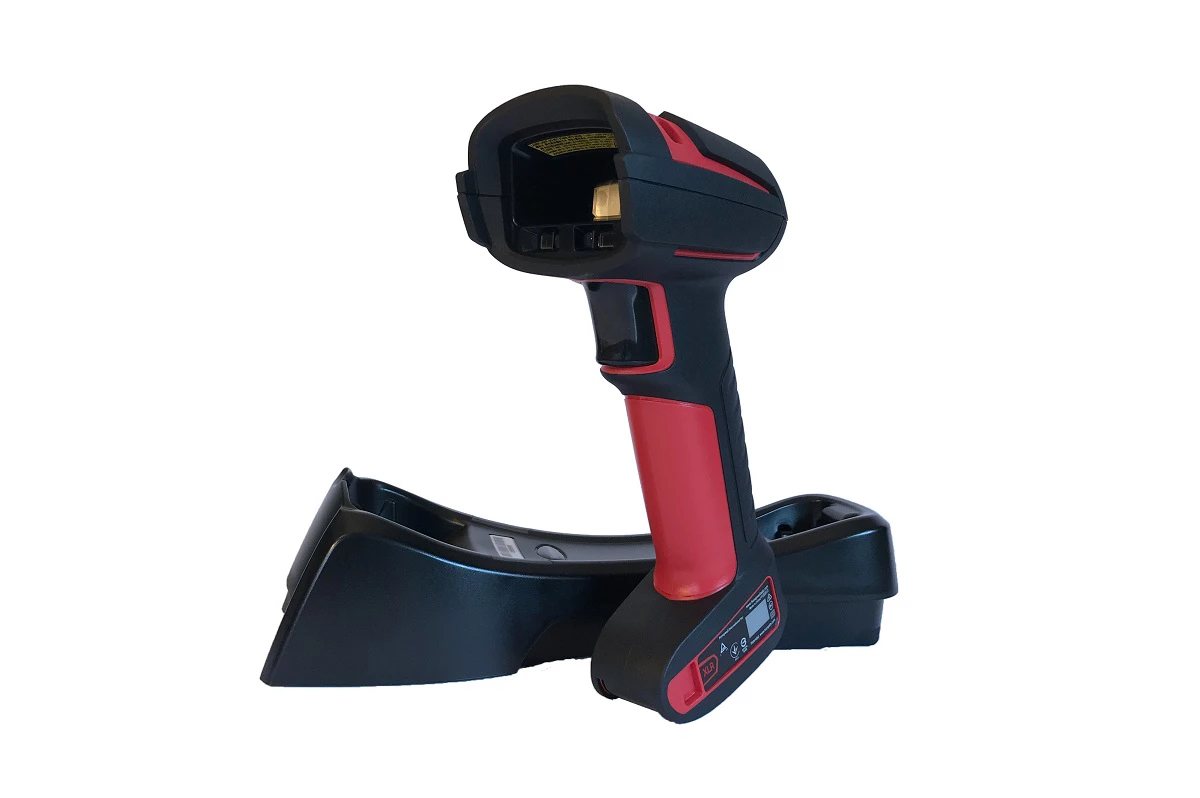
Honeywell Granit XP 1991iXLR Scanner
Cordless extra-long-range. Reads a rack label roughly 24 m away without leaving the aisle floor.
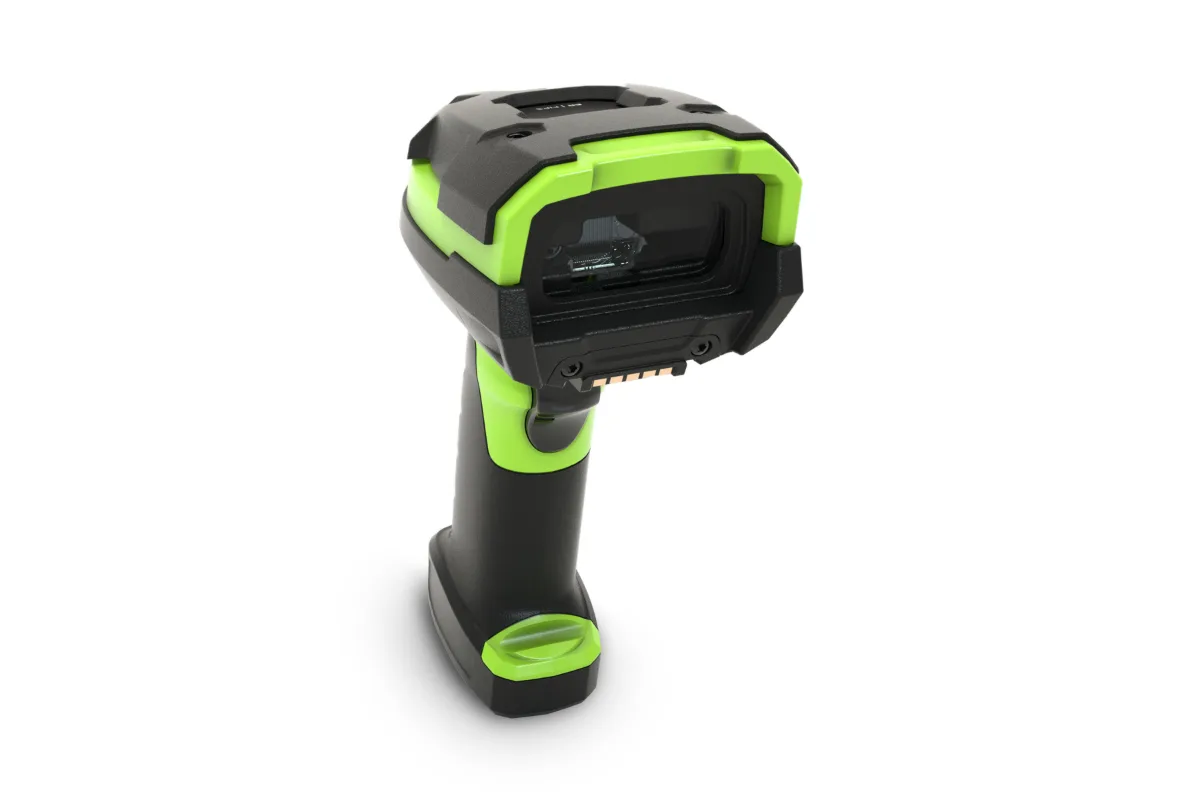
Zebra LI3600 Series
Ultra-rugged linear imager for 1D barcodes, with a 3 m drop rating and IP65/IP68 sealing.
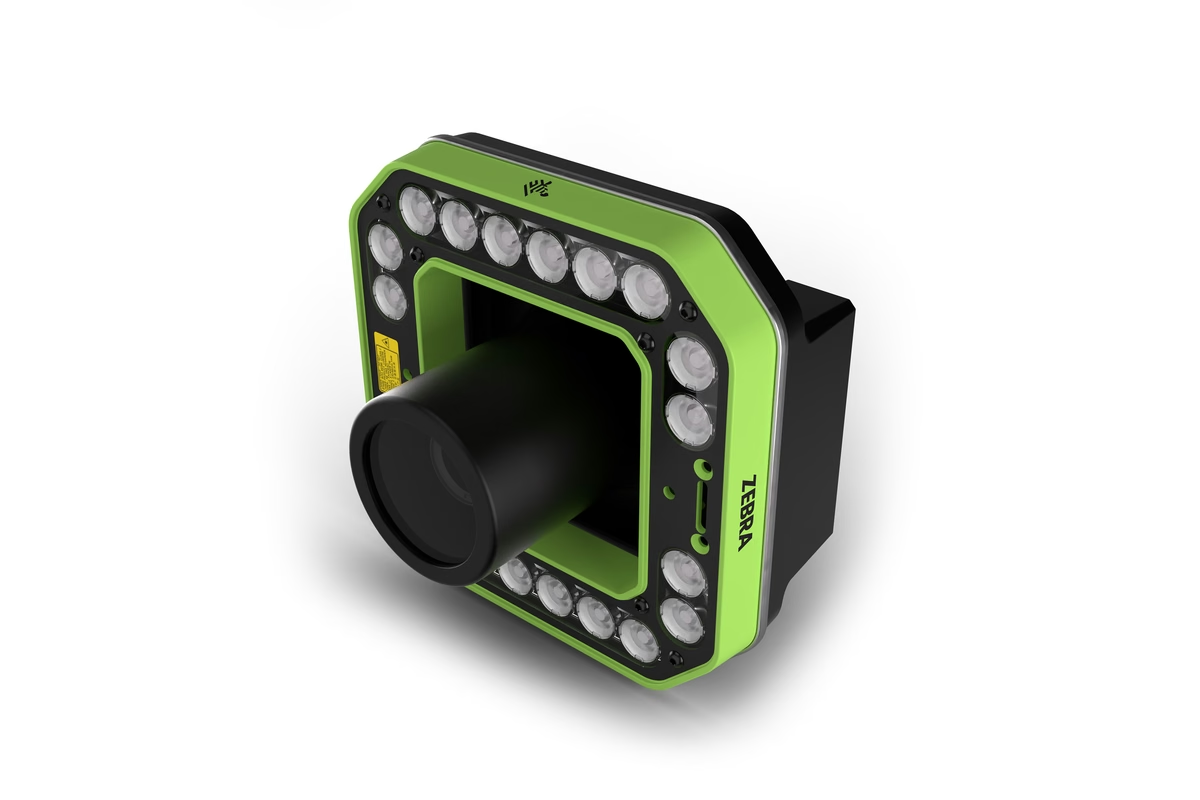
Zebra FS80
High-resolution and long-range, built for tunnels and dock doors.
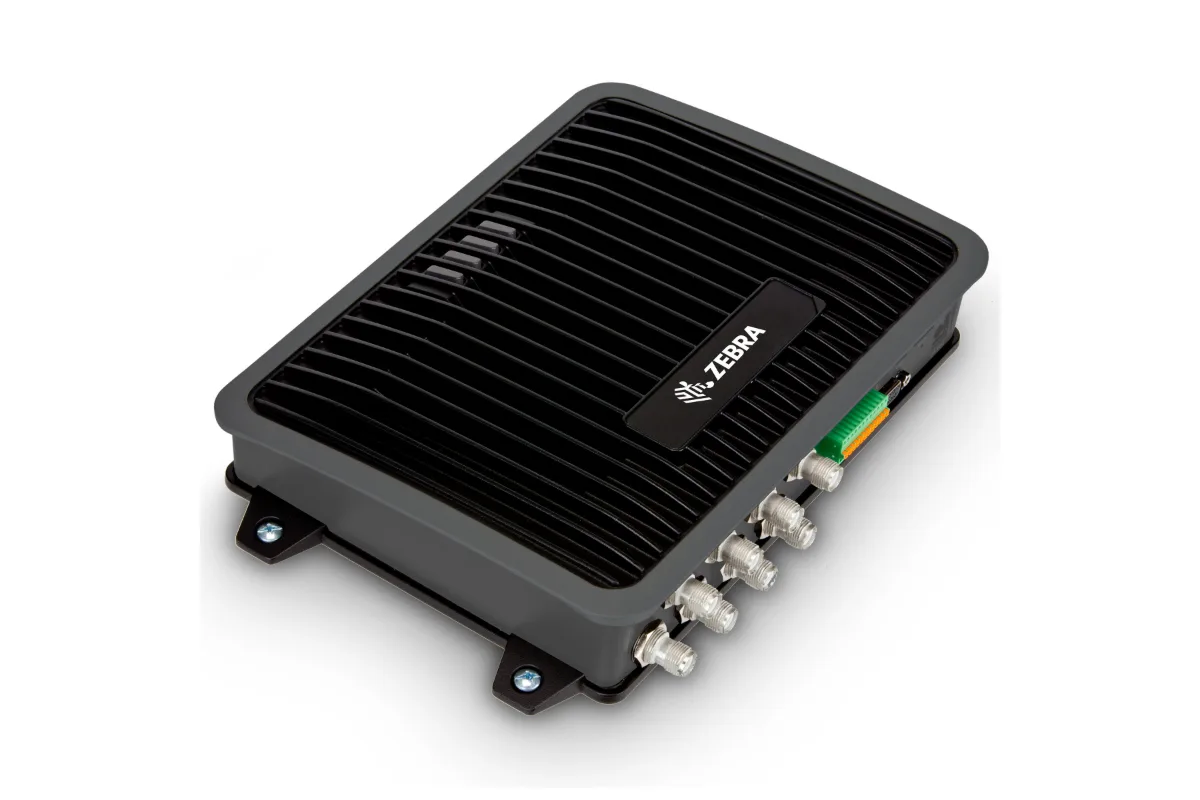
Zebra FX9600 Fixed RFID Reader
Industrial fixed reader for high-density dock door and conveyor reads in warehousing and distribution.
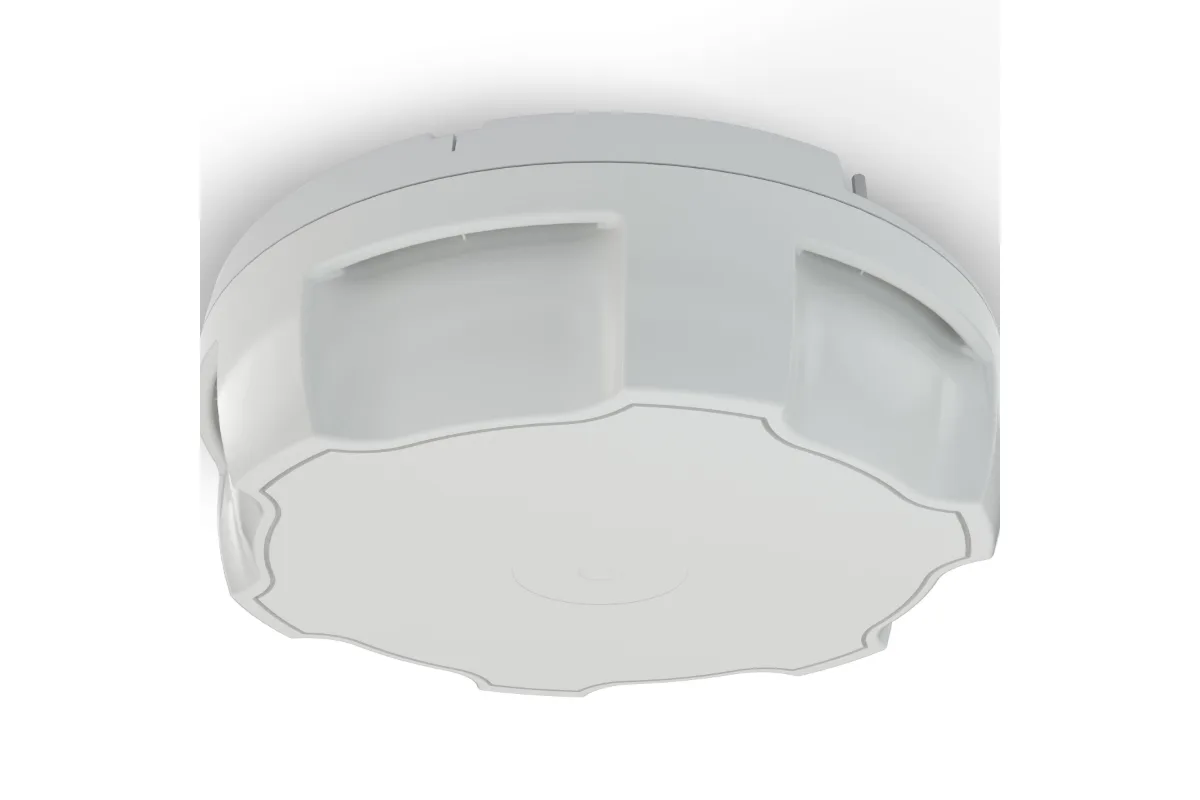
Zebra ATR7000 Overhead RFID Reader
Overhead reader that reports where a tagged asset is, not only that it passed a read point.
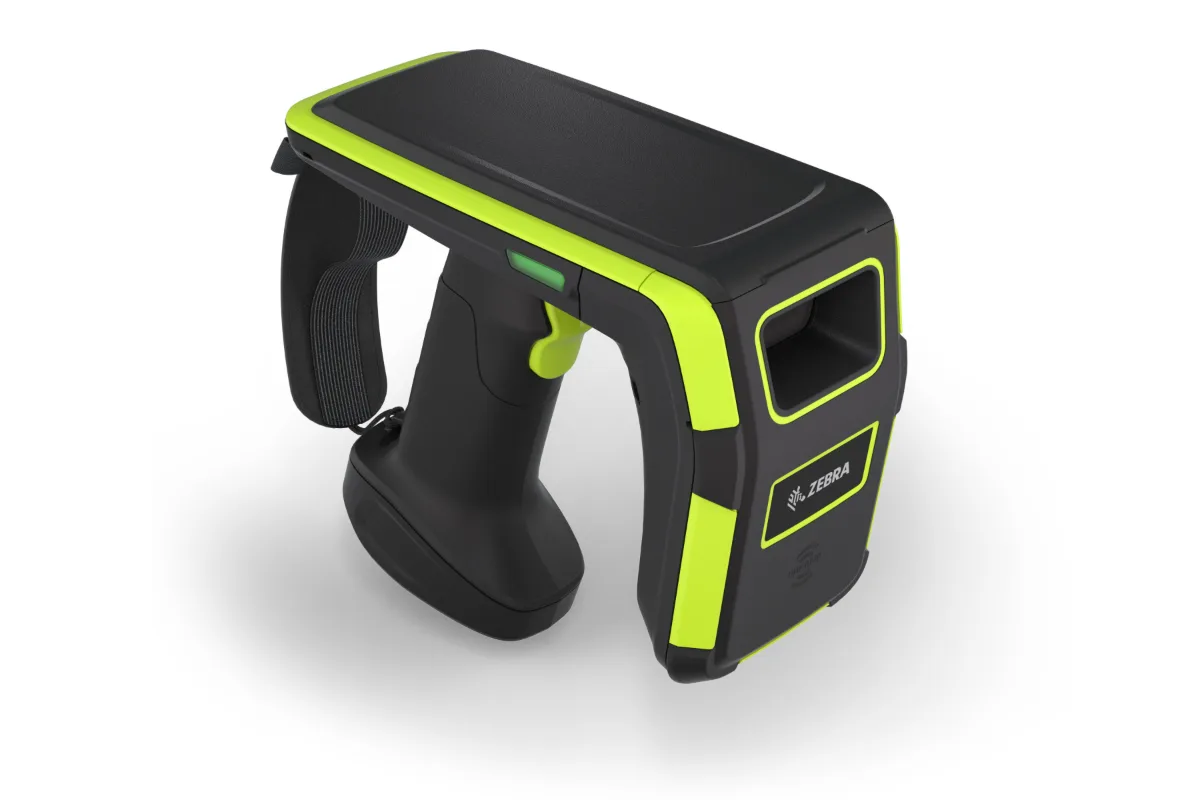
Zebra RFD90 Ultra-Rugged UHF RFID Sled
Long-range sled sealed and drop-rated for the dock, the yard and the freezer store.
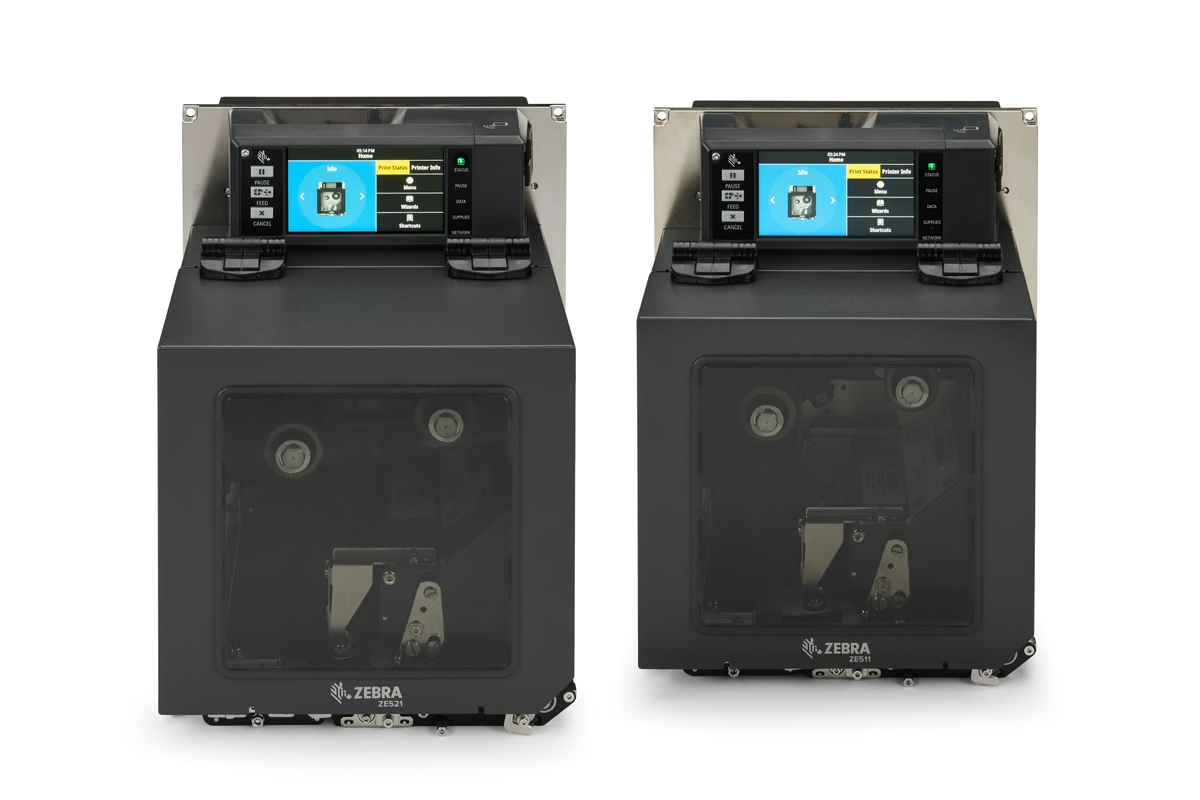
Zebra ZE511 and ZE521 print engines
Next-generation print engines for automated labelling systems.
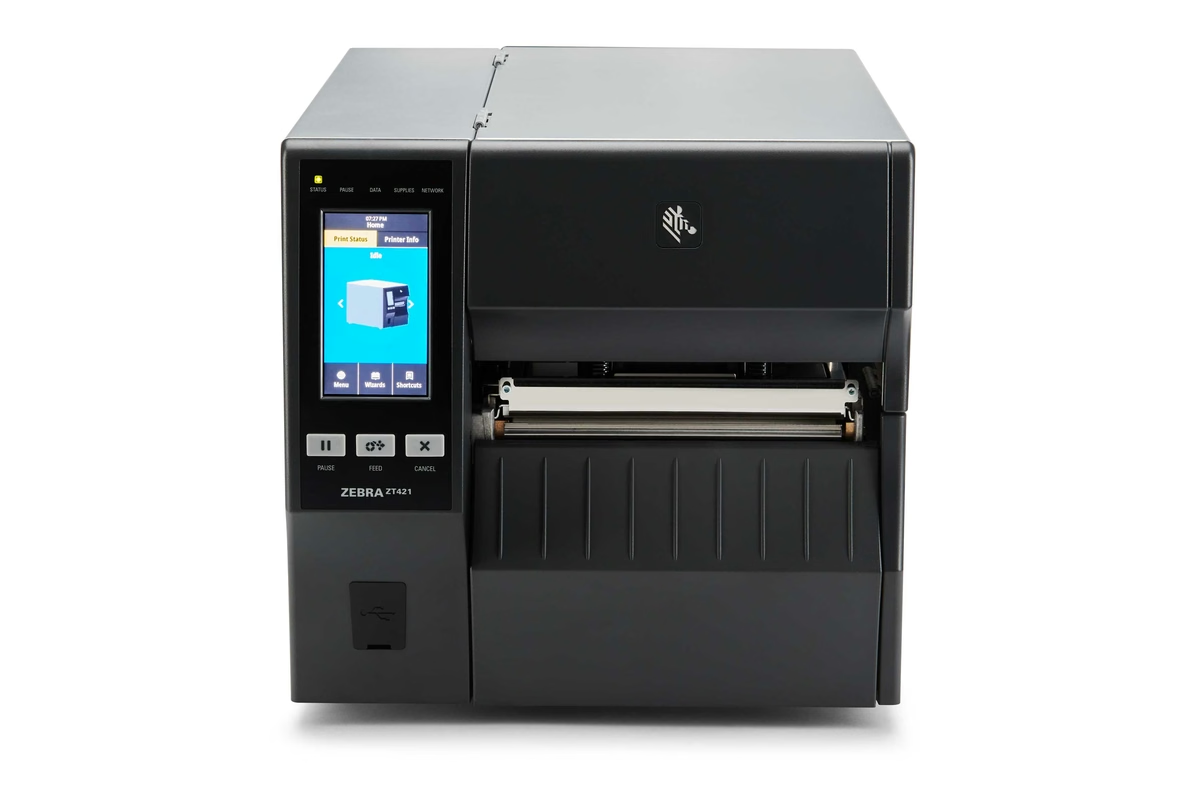
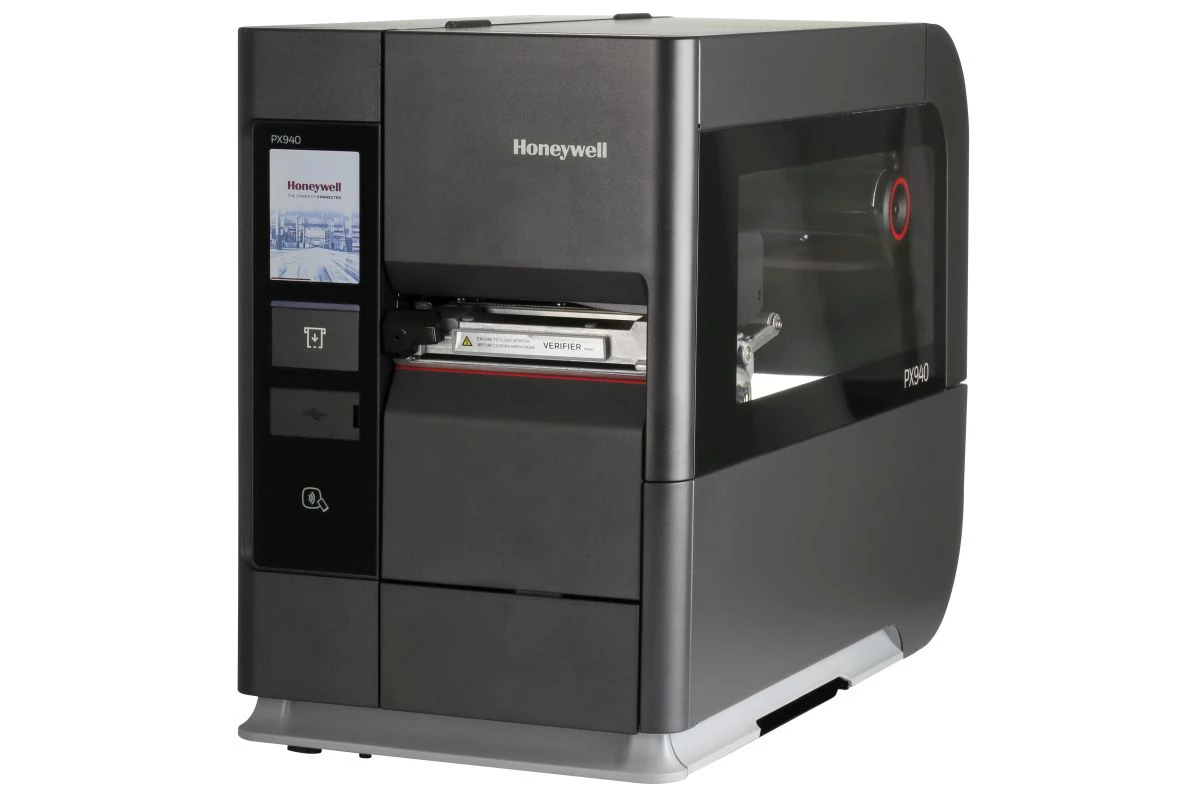
Honeywell PX940 Industrial Printer
The only current Honeywell printer with an integrated verifier. It grades every barcode as it prints.
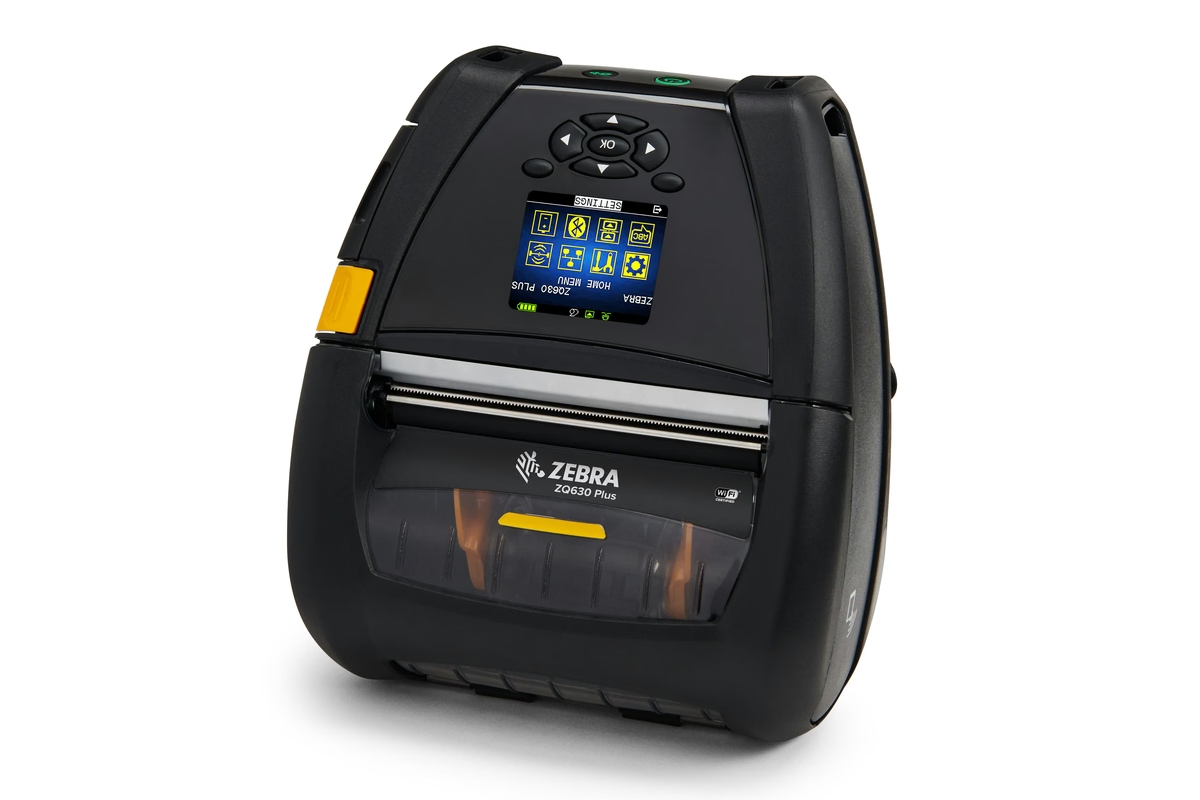
Zebra ZQ630 Plus
High-performance 4-inch mobile printing for demanding duty cycles.
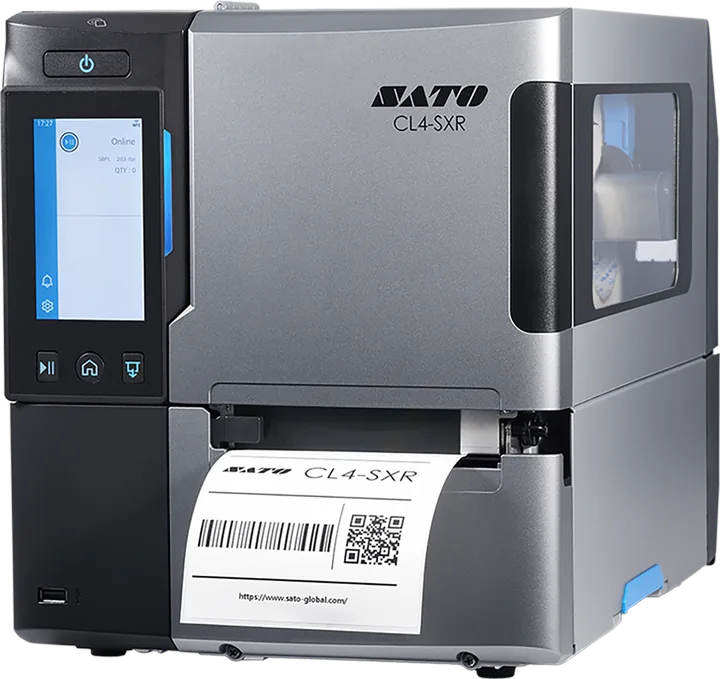
SATO CL4-SXR
The newest 4 inch SATO, built for lines where a missed label stops a shipment. Print accuracy to ±0.3 mm, AI driven predictive maintenance, and a 4.3 inch touchscreen with voice guidance.
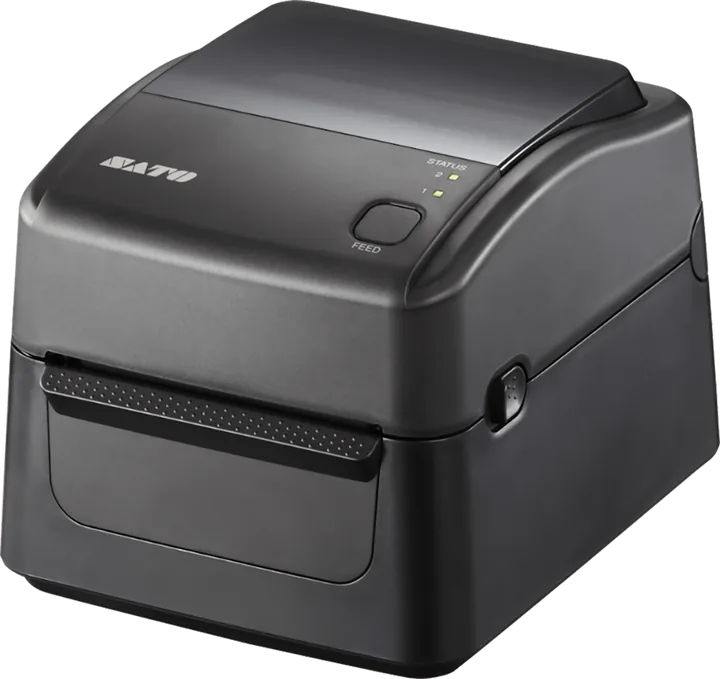
SATO WS4
The no fuss 4 inch desktop for shipping and product labels, in direct thermal or thermal transfer.
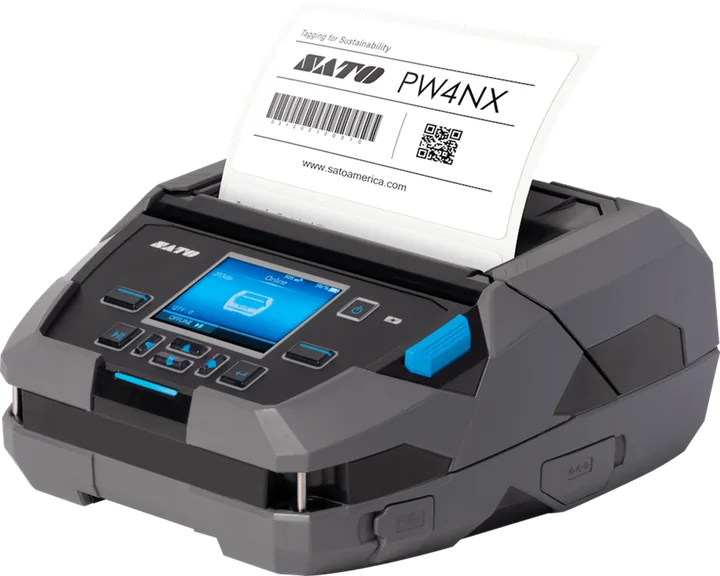
SATO PW4NX
A rugged 4 inch mobile printer rated for 7 foot drops. Works with iOS, Android and Windows, with a DC/DC option to run from a forklift.
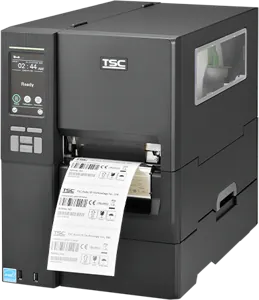
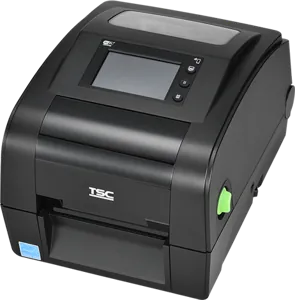
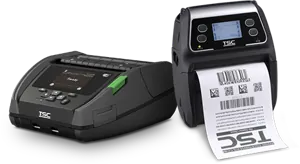
TSC Alpha 4 inch
4 inch mobile with a full accessory line. Linerless models available.
Labels that fit
A 3PL does not run one label. It runs whatever each client's retailer specifies, on the same dock, on the same day. The constant is corrugate and stretch wrap at ambient temperature. The variable is whose compliance spec the label has to satisfy.
Most 3PL labels go onto corrugate, kraft carton and stretch wrapped pallets at ambient temperature. That is a forgiving combination, which is exactly why it gets specified carelessly and then fails at volume. Thermal transfer with the correct ribbon pairing is what survives handling and abrasion from receiving through to the customer's dock.
Compliance labels are a different job. When a client's retailer sets the spec, the label has to satisfy that retailer's placement, symbology and grade requirements rather than yours, and the same carton often carries your licence plate label and their compliance label at once.
Pallet and licence plate labels have to stay readable at distance and through stretch wrap, so symbol size and quiet zone matter more than the stock does. Cross-dock and transload labels have the shortest life of anything here and the least tolerance for a poor read.
Where identification happens in your day
A client's goods pass through six points in your building, and the goods are theirs at every one of them. Miss a point and the answer to a question they are entitled to ask stops existing.
Client onboarding
Their SKUs, units of measure, labelling spec and workflow are configured before the first pallet arrives. Done late, every step after it runs on exceptions somebody has to remember.
Receiving against their ASN
The inbound is scanned against the client's own advance notice rather than a count made afterwards. Without it, the first number in their record is one you cannot source.
Segregated put-away
The location is captured as the pallet lands, tied to that client's stock and nobody else's. Without it, segregation is a filter on a report rather than a fact about the building.
Pick to their SLA
The pick is verified by scan and time stamped against the service level agreed with that client. Without it, you can say you hit the SLA but you cannot show it.
Compliance label and pack
The carton takes the client's retailer's compliance label, applied and checked before it is sealed. Without it, the chargeback arrives weeks later and lands on your margin.
Dispatch and proof
The pallet is read onto the shipment and the record closes with the evidence attached. Without it, proof of what left the building is a conversation rather than a document.
Questions we get asked most
These are the questions 3PL operators ask before they change anything, including the one nobody answers straight: whether multi-client operations need a different WMS or just a differently configured one. It depends on one thing, and that thing is answerable before you buy.
Does a 3PL need a different WMS, or can a single-client system be configured?
It turns on one thing: whether the system treats the client as a first-class entity or as a field on a record. Where ownership, billing rules and workflow are attributes of the client, a second account is configuration. Where they are attributes of the warehouse, a second account is a rebuild, and no amount of configuration fixes it. That is the question to put to a vendor, and it is answerable before you buy.
What does client-level segregation actually mean in the data?
It means ownership is recorded on the stock rather than inferred from where it sits. A filter on a report tells you what a query returned. Segregation means the system cannot show one client another client's inventory, cannot allocate across them, and bills each on its own terms. Physical separation in the racking is a separate question, and most 3PLs run mixed storage with strict logical separation.
Who owns the labelling spec when the client's retailer sets it?
The client owns it, and the chargeback lands on you anyway. The retailer publishes the requirement, the client accepts it in their supply agreement, and you apply it on their behalf, which is why the spec belongs in the onboarding record rather than in somebody's inbox. Where several clients ship to the same retailer, the specs are usually close enough to look identical and different enough to fail.
What does it actually take to onboard a new client's SKUs?
The data load is usually days and the agreement is usually weeks. Item master, units of measure, packaging hierarchy and barcode formats go in quickly once they are settled. What takes the time is settling them, because a client's data usually describes their operation rather than yours. Ask for a sample file early: it tells you more about the go-live date than the project plan does.
Is RFID worth it for cross-dock, or is it a barcode problem?
It depends on whether you can afford to stop. Barcode is right where goods are handled one at a time and a scan costs nothing extra, because it is cheaper, better understood and already in the building. RFID earns its place where pallets move faster than a scan at a time allows, at dock doors and conveyor points, and where tagging already happens upstream at the client's expense rather than yours.
How is SLA performance evidenced when a client audits you?
With time stamped events out of your own system, not a report assembled afterwards. An audit asks when a thing happened, what it was and who recorded it, so the evidence that counts is captured at the moment of the scan rather than reconstructed later. The practical test is whether you can answer a question about a single order from six months ago in minutes rather than days.
Related reading








Book a walkthrough of your operation
Tell us what you run today and where the record stops matching what actually happened. A specialist reads it, asks the two or three questions that actually decide the answer, and comes back with what would change rather than a parts list.
Thanks, we have your request
A specialist will reply within one business day.
Something went wrong and your details were not sent. Please try again in a moment.