Mobility and data capture

Scanners, handhelds and RFID, matched to the work they have to survive

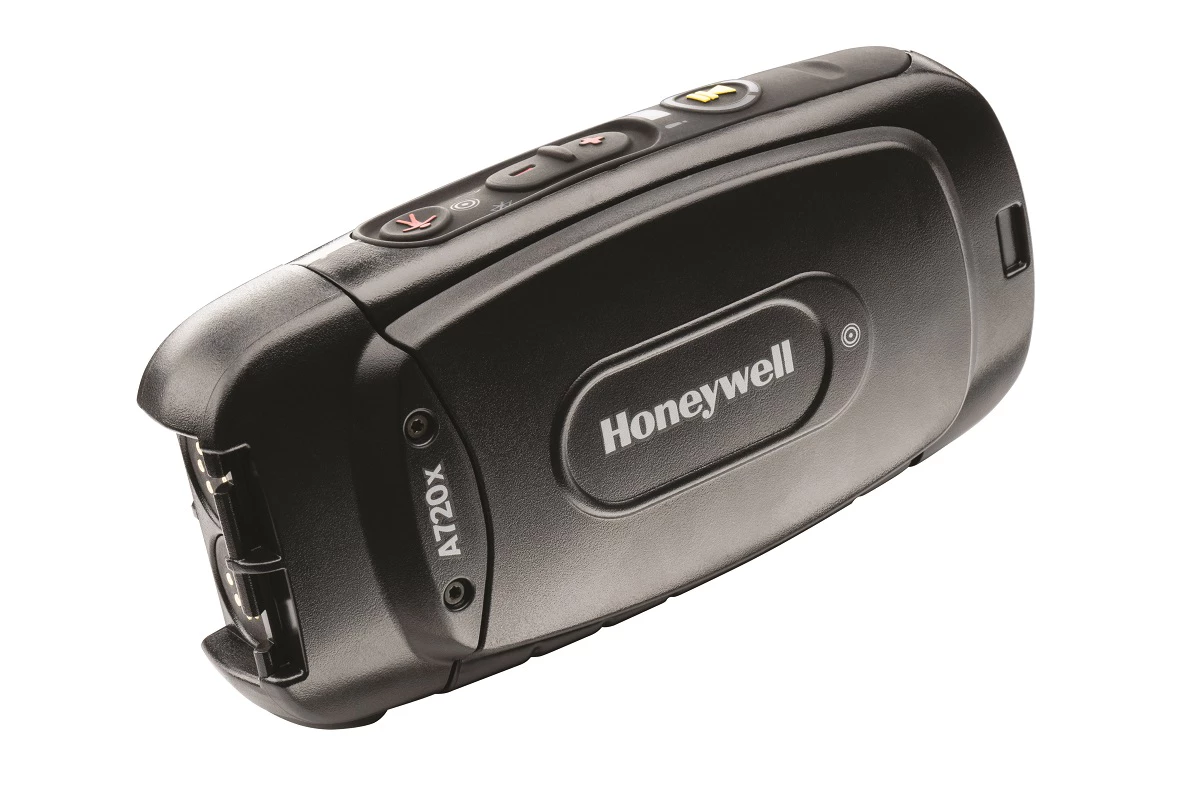
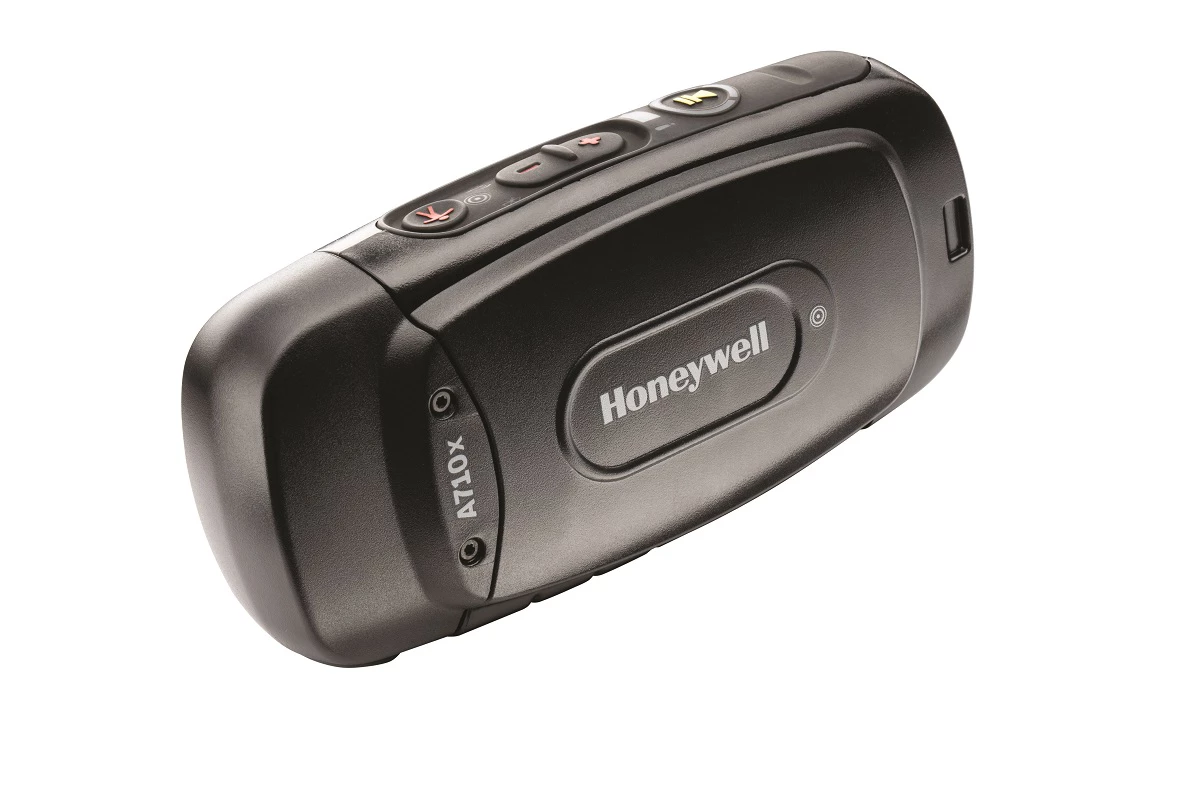
Mobile computers, wearables, barcode scanners, RFID and fixed industrial scanning from the brands we specify, supply and service across Canada. Start from the job your team does and the range narrows itself.
63
Devices in the range
4
Device families
50
Years in the field
CAPTURE LOG AWAITING RECEIVED PICKED COUNTED SHIPPED RECEIVE PICK COUNT SHIP
Device types

Four kinds of device do the capture work

Most of what goes wrong on a hardware order is settled before a model number is chosen. These four classes do different jobs, fail in different ways, and cost different amounts to deploy.

01

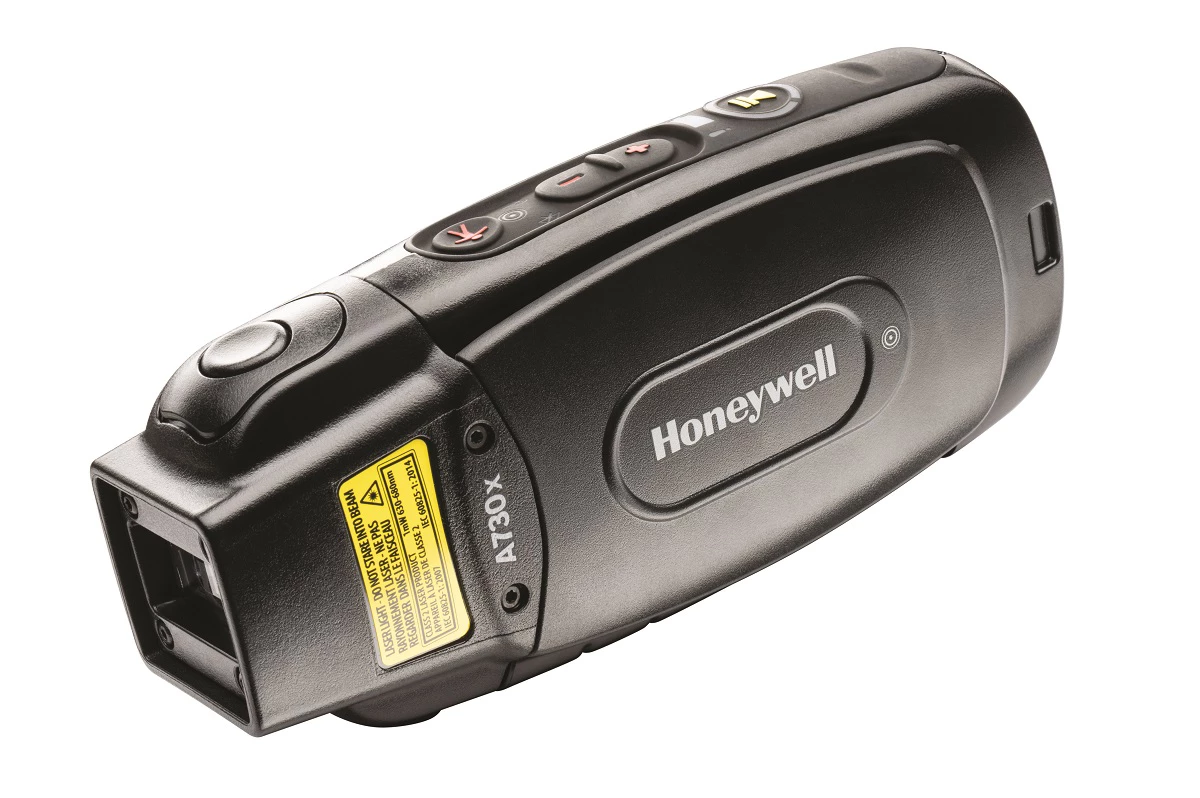
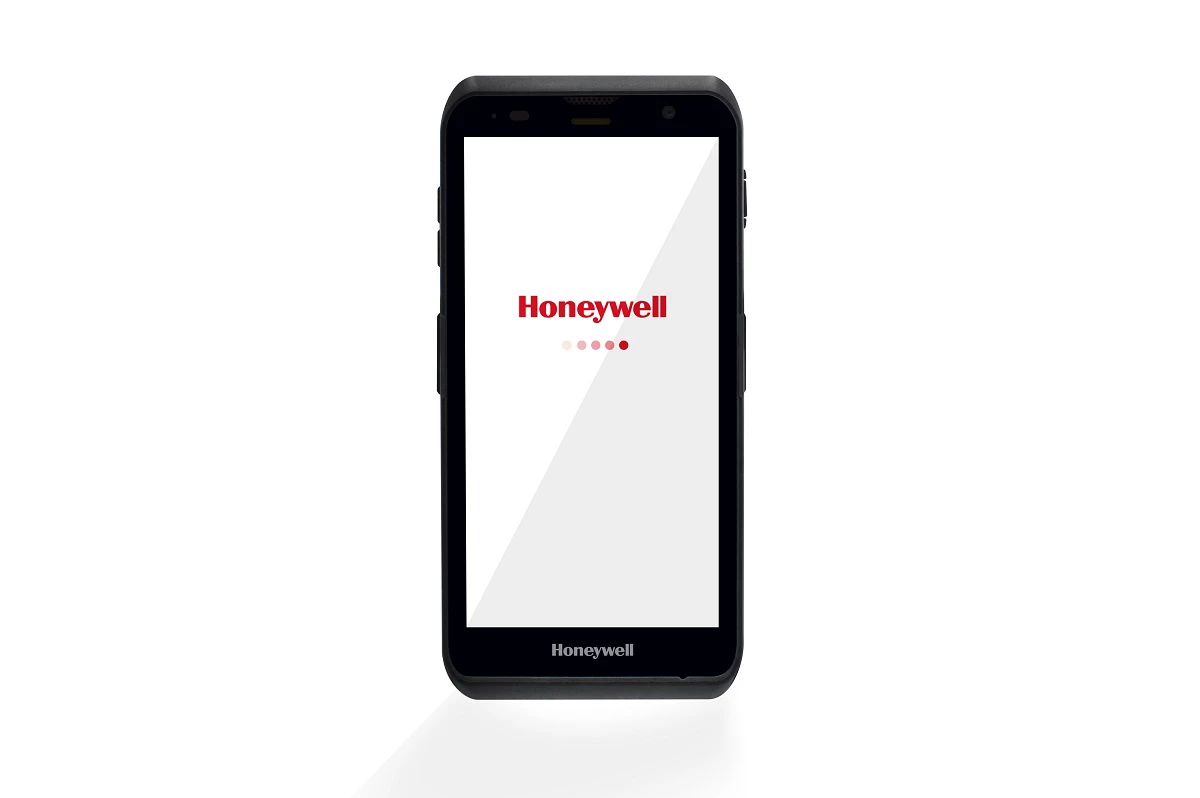
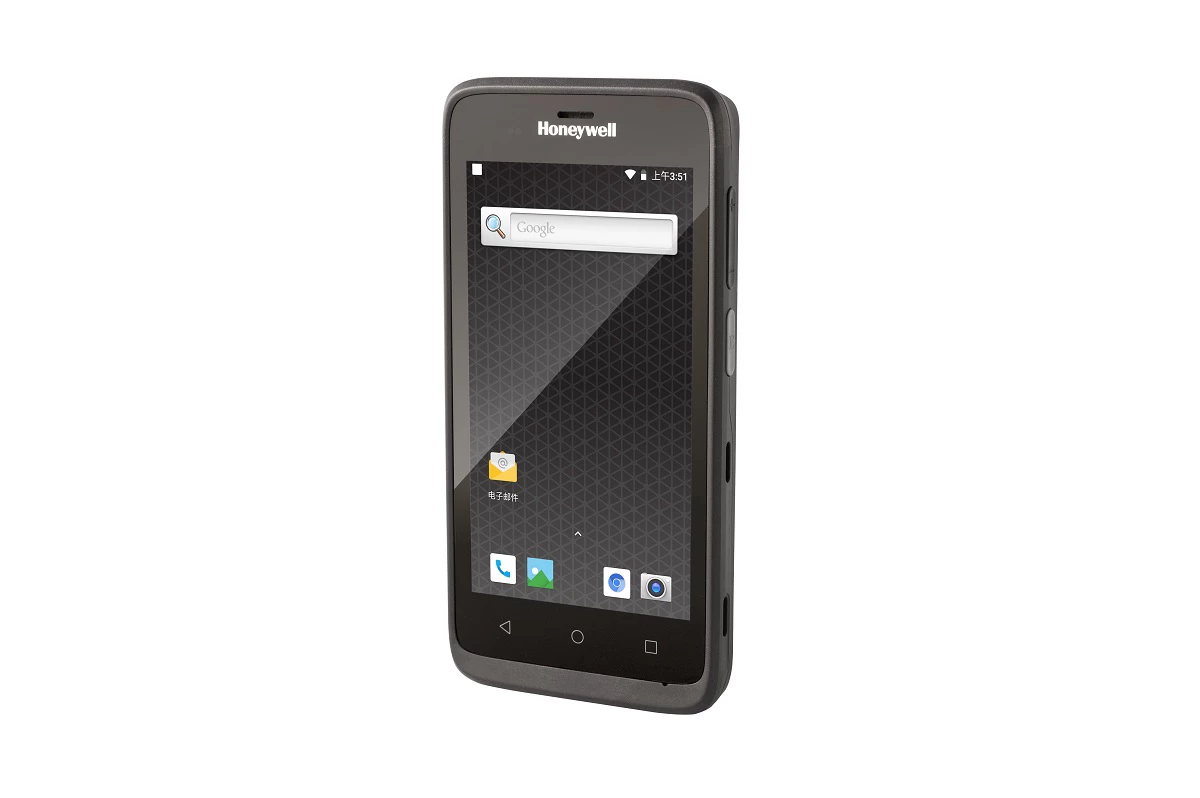
What a mobile computer does that a scanner cannot

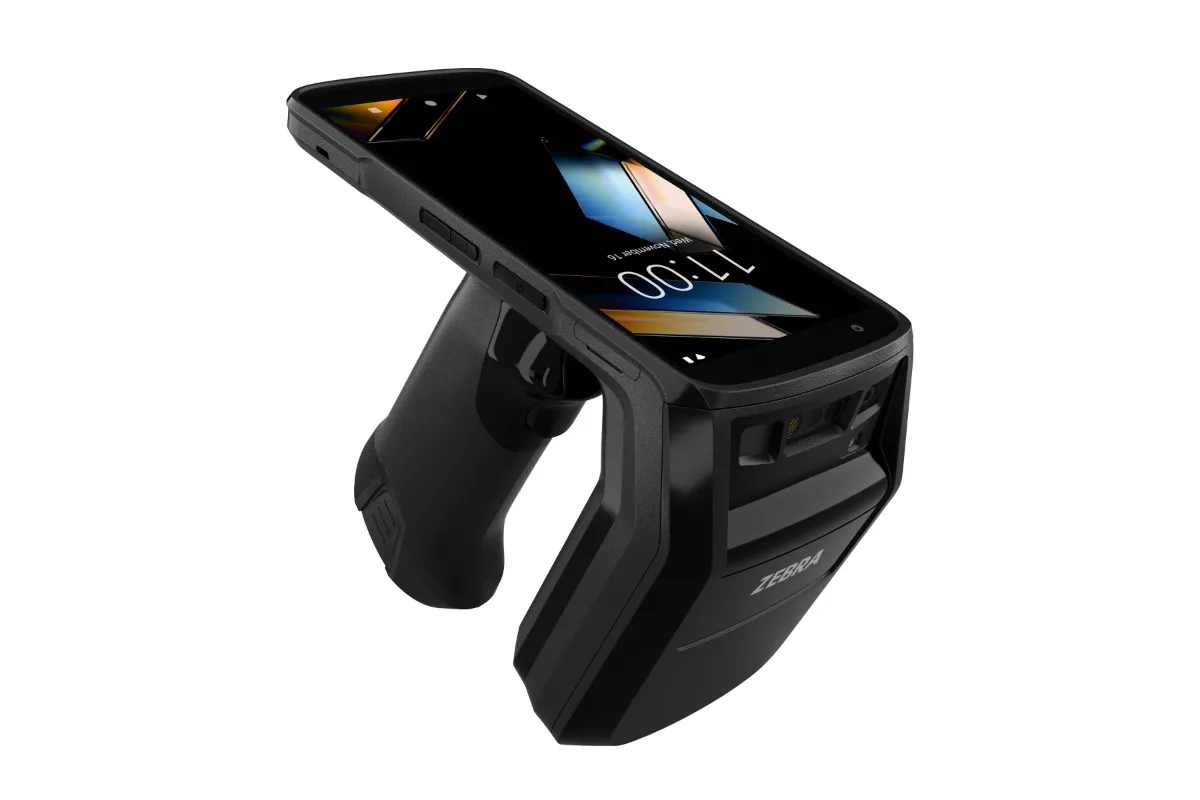
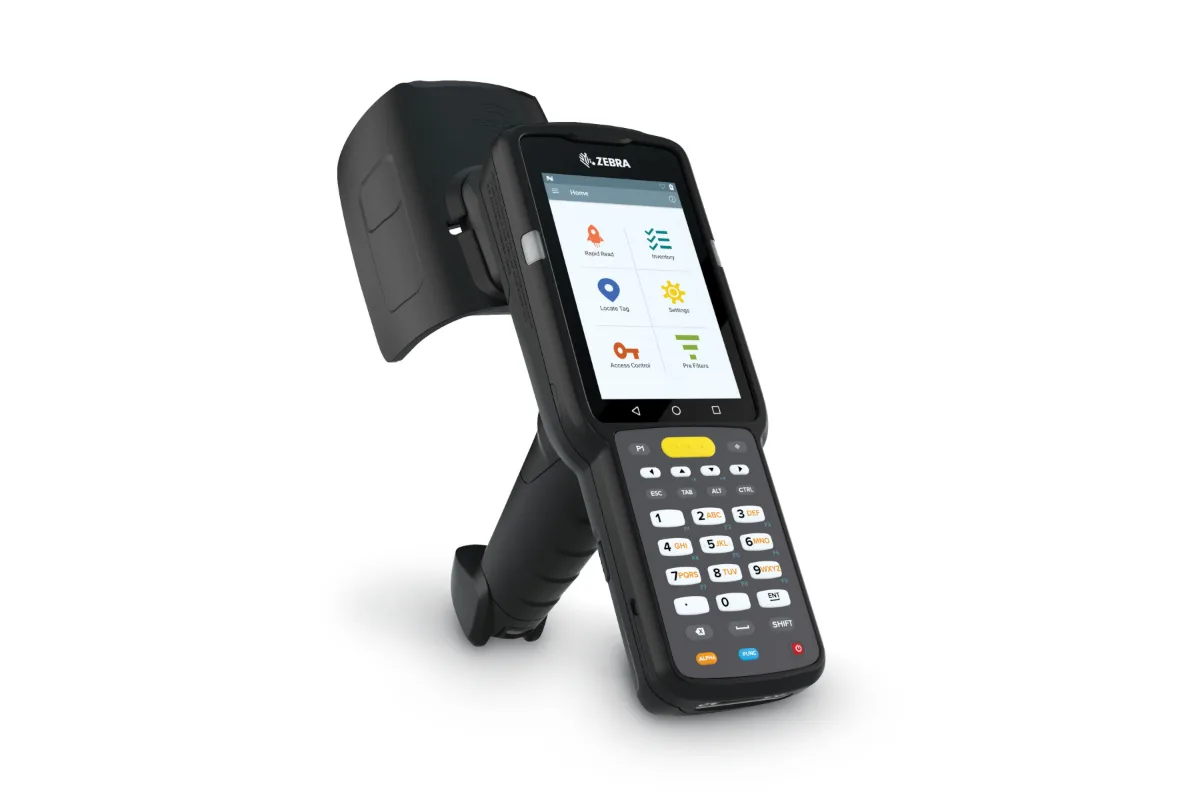
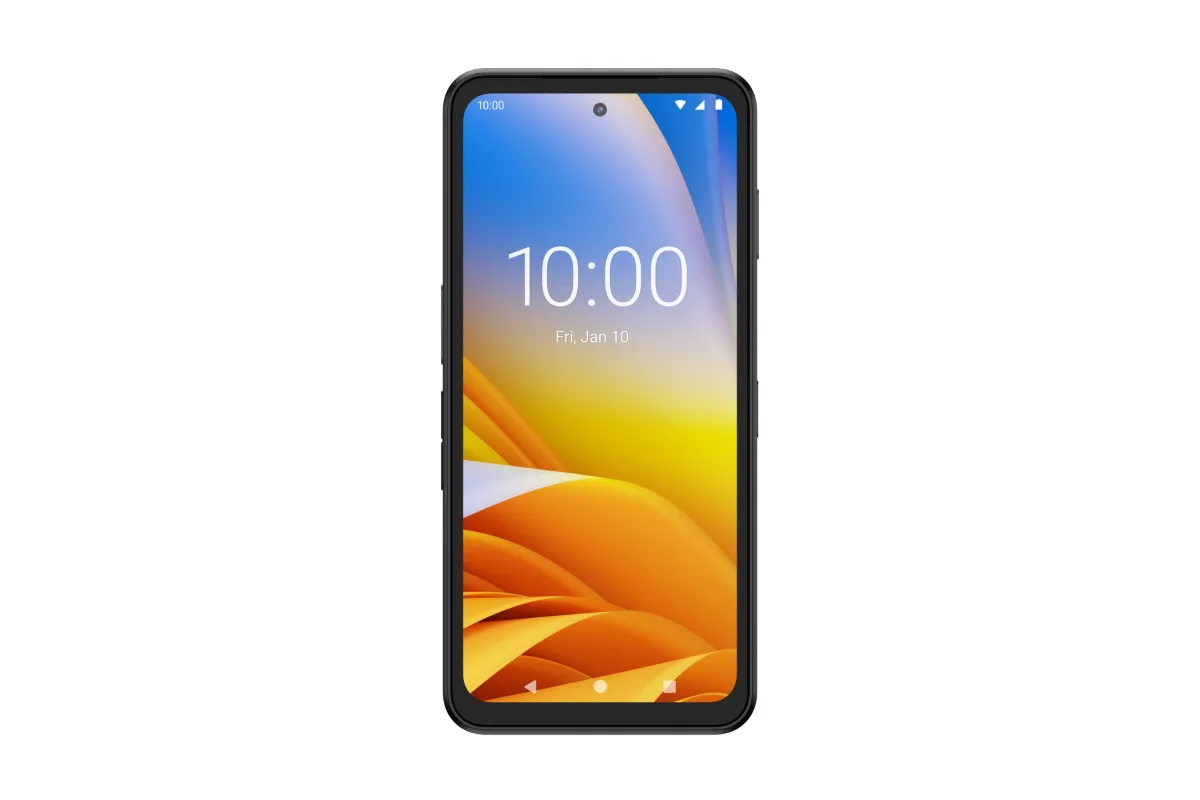
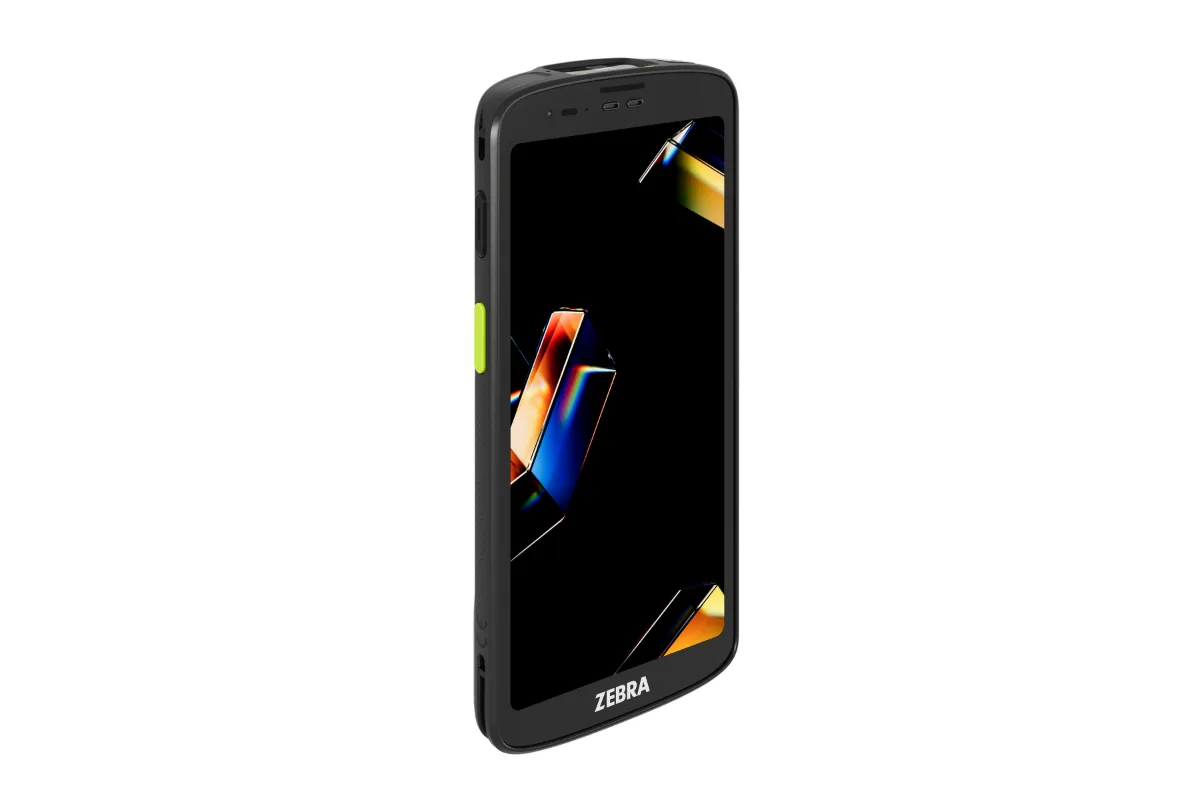
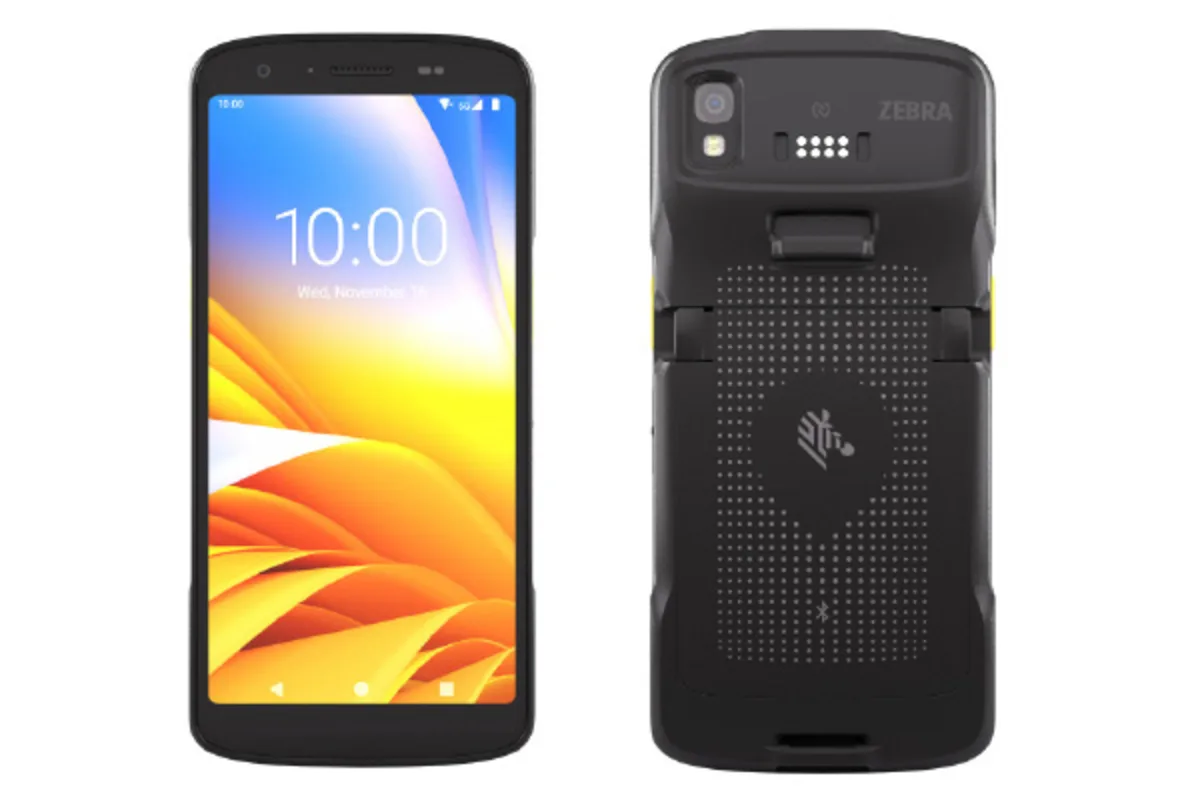
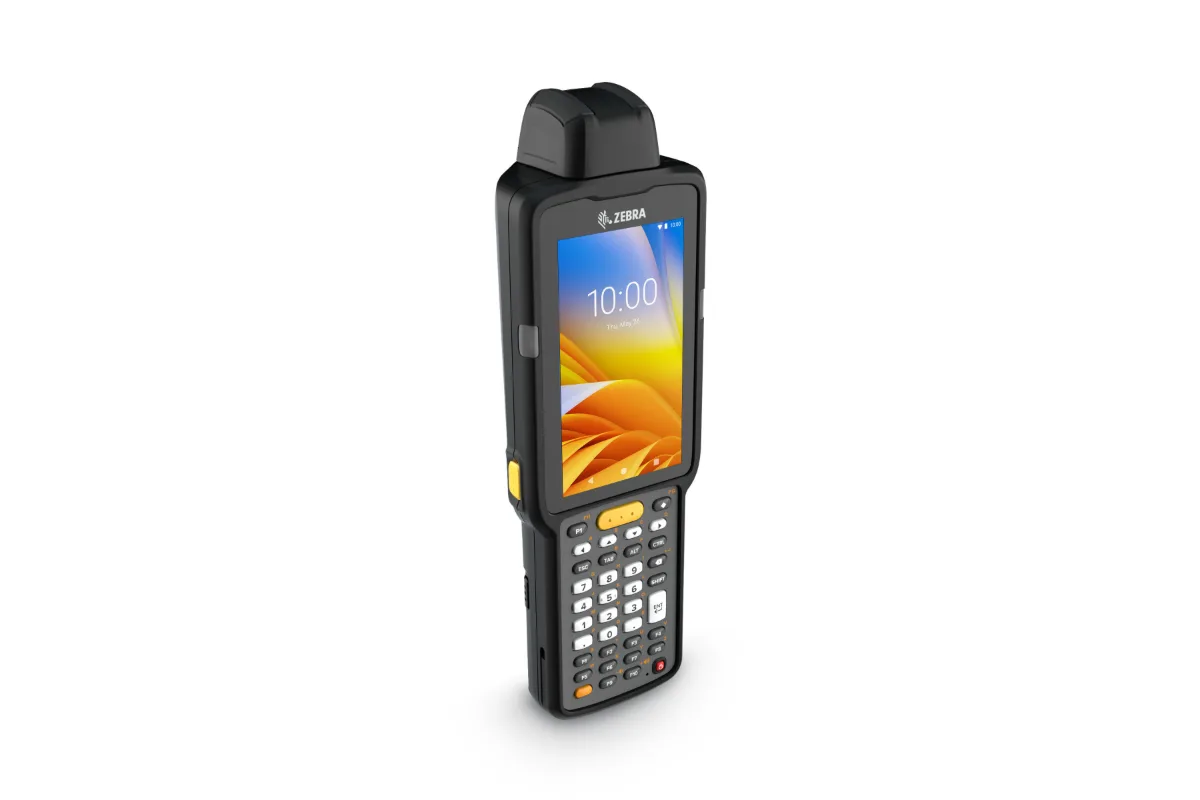
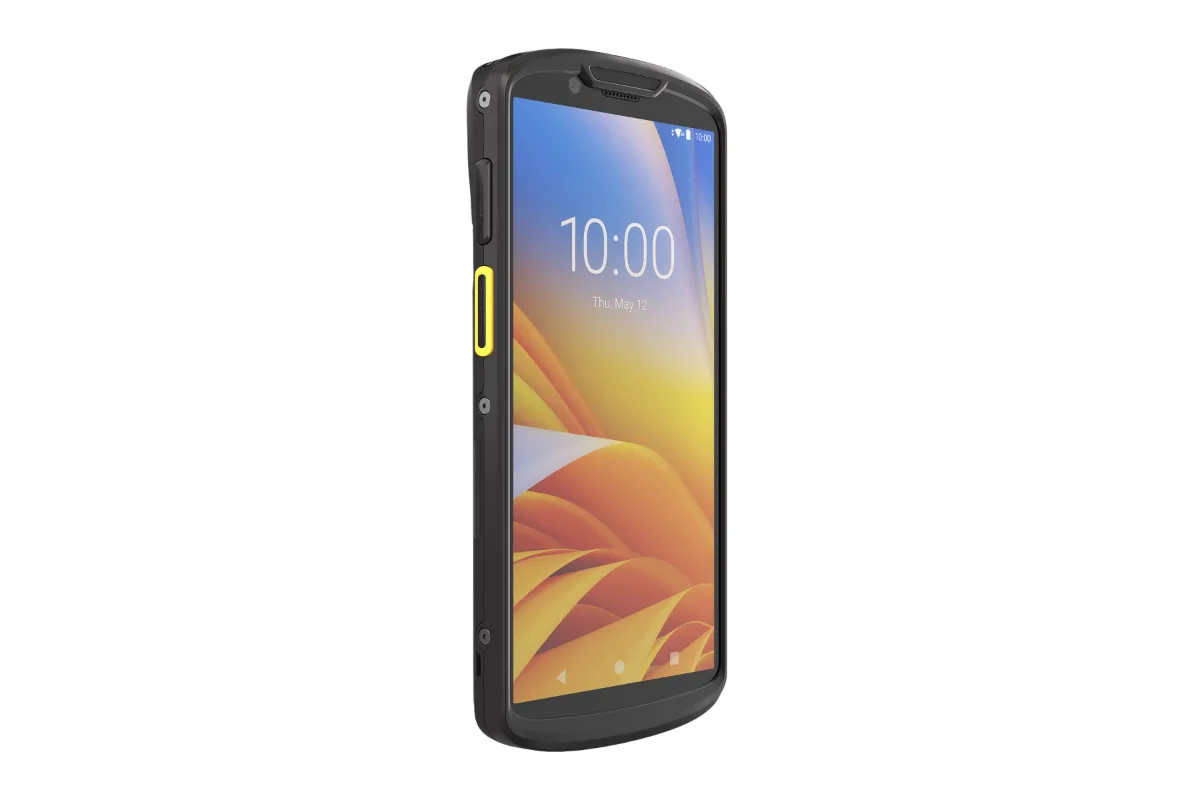
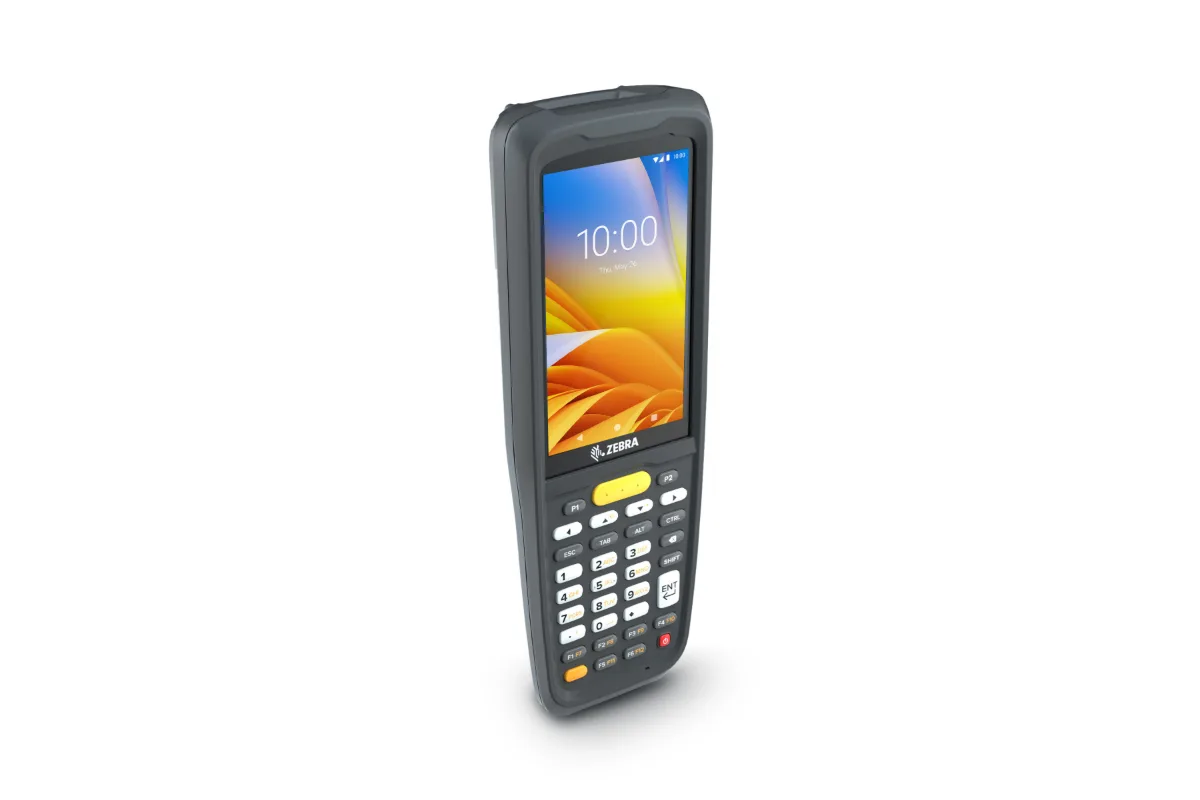
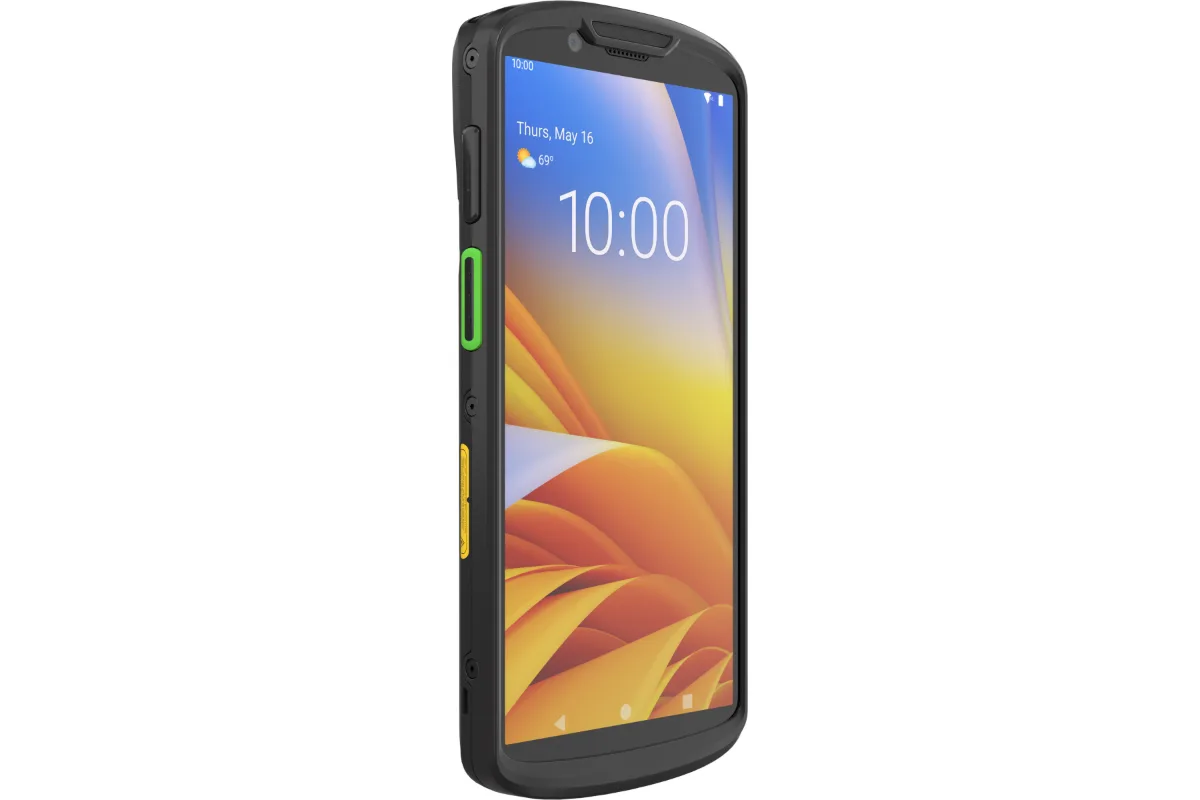
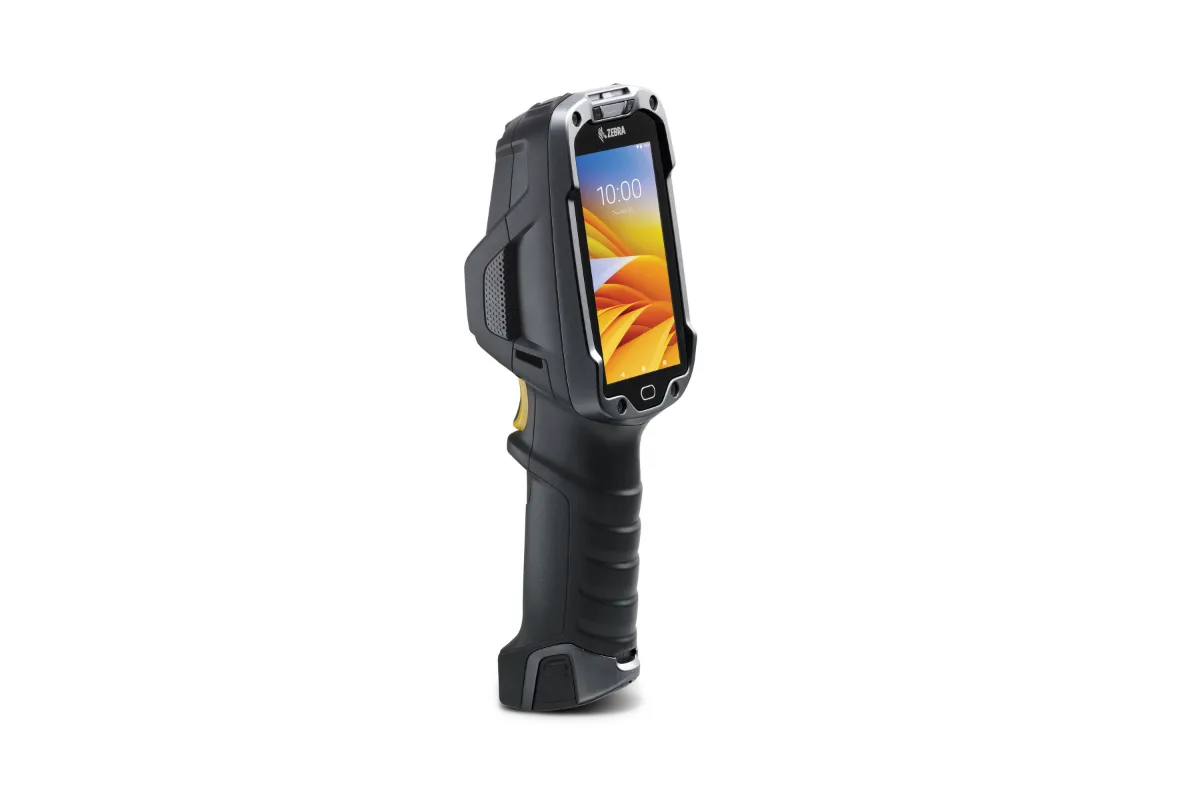
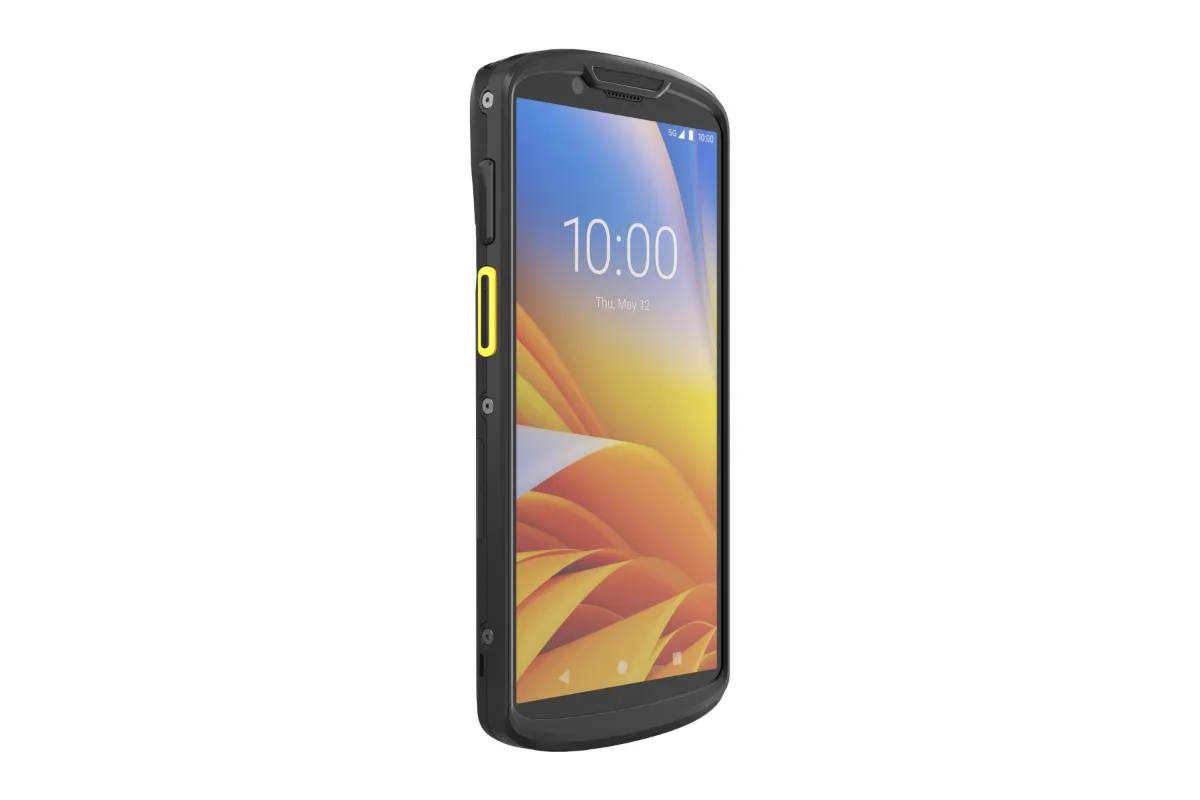
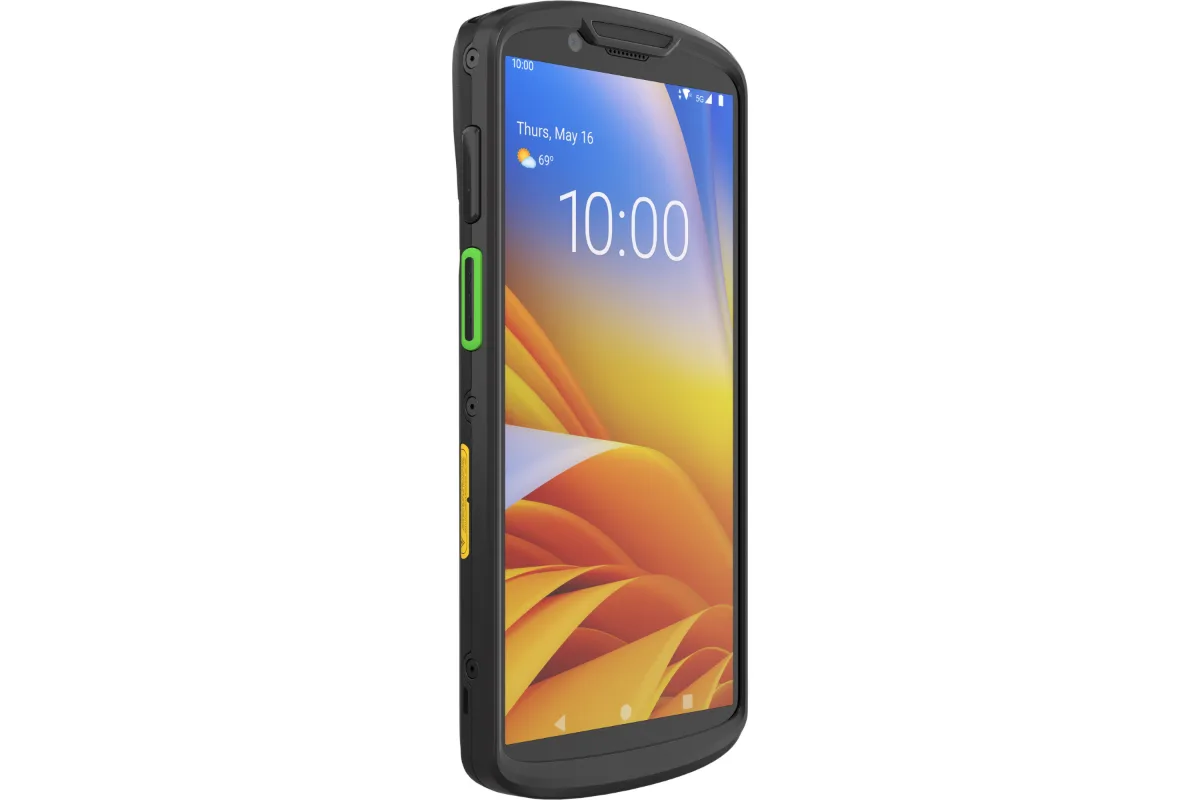
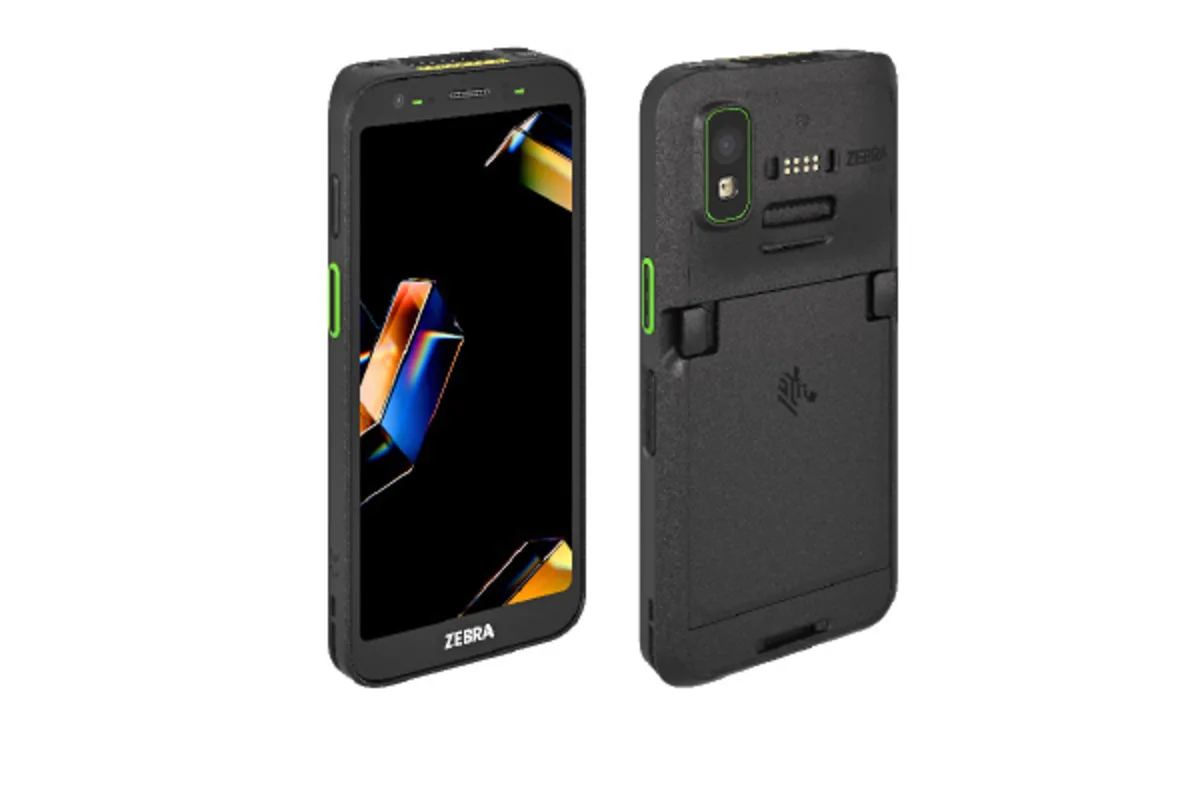
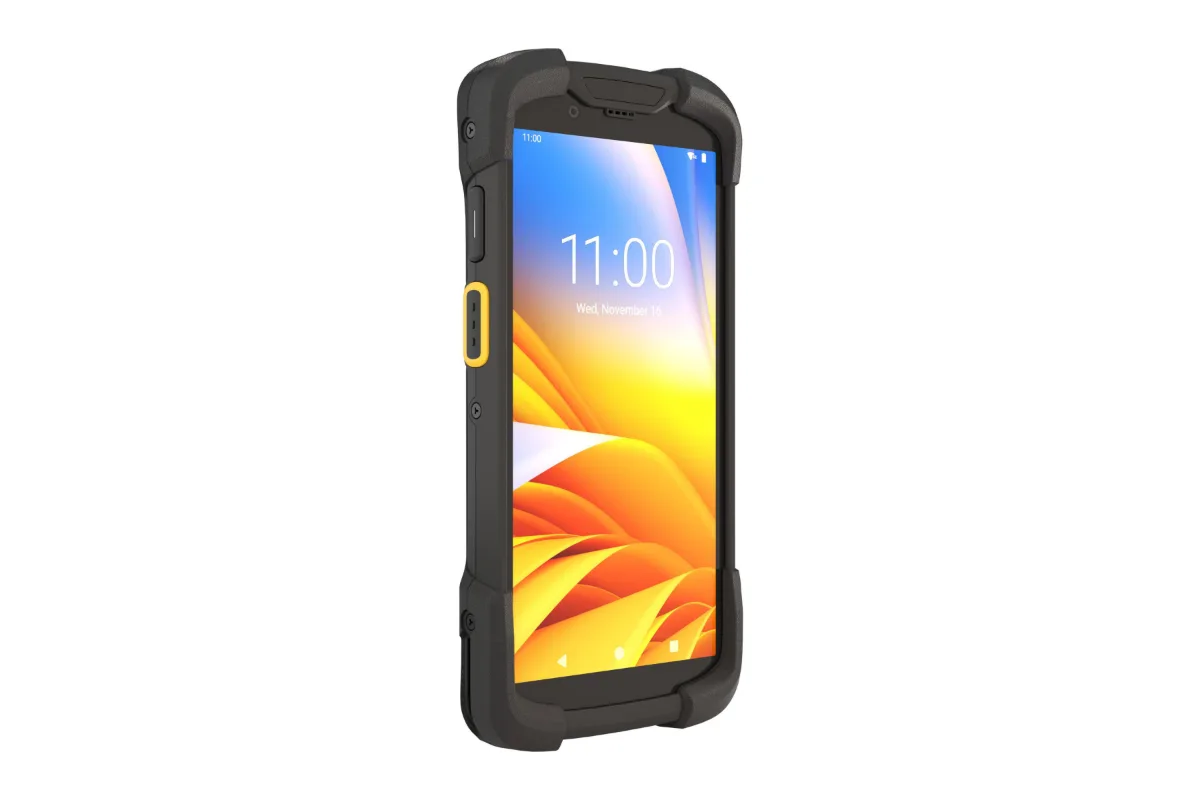
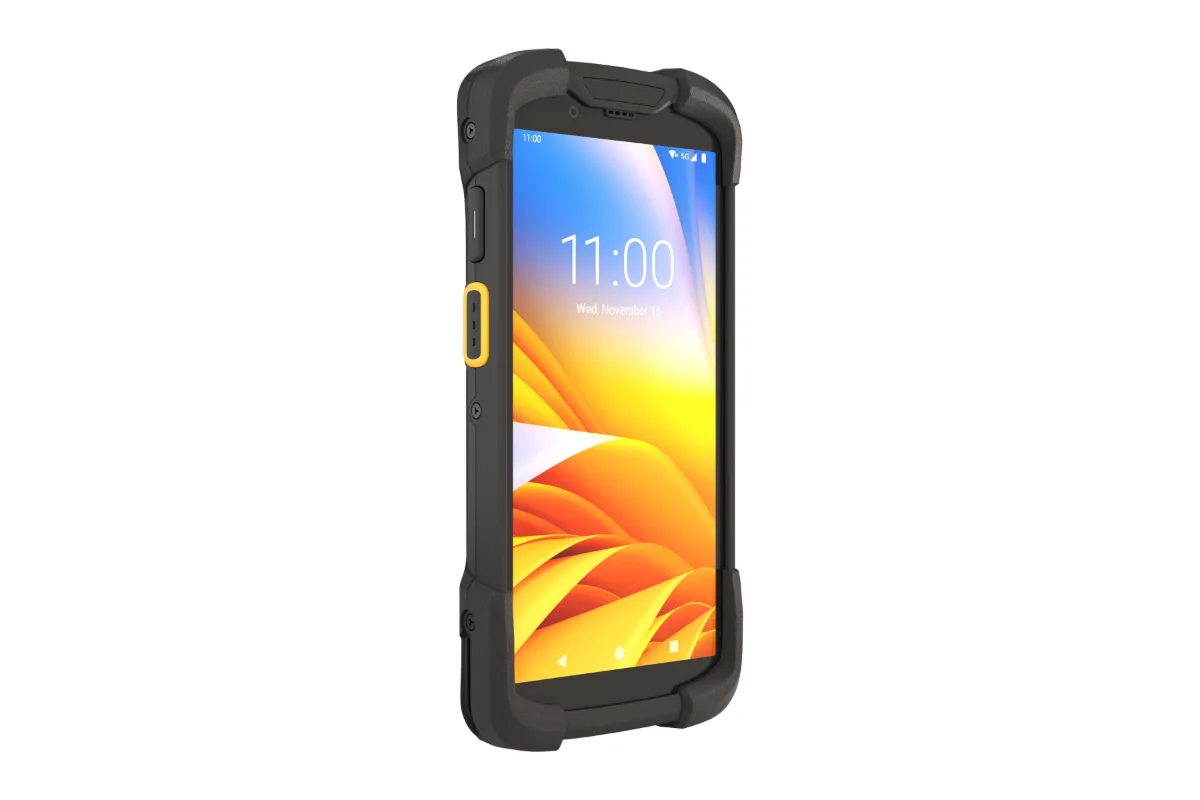
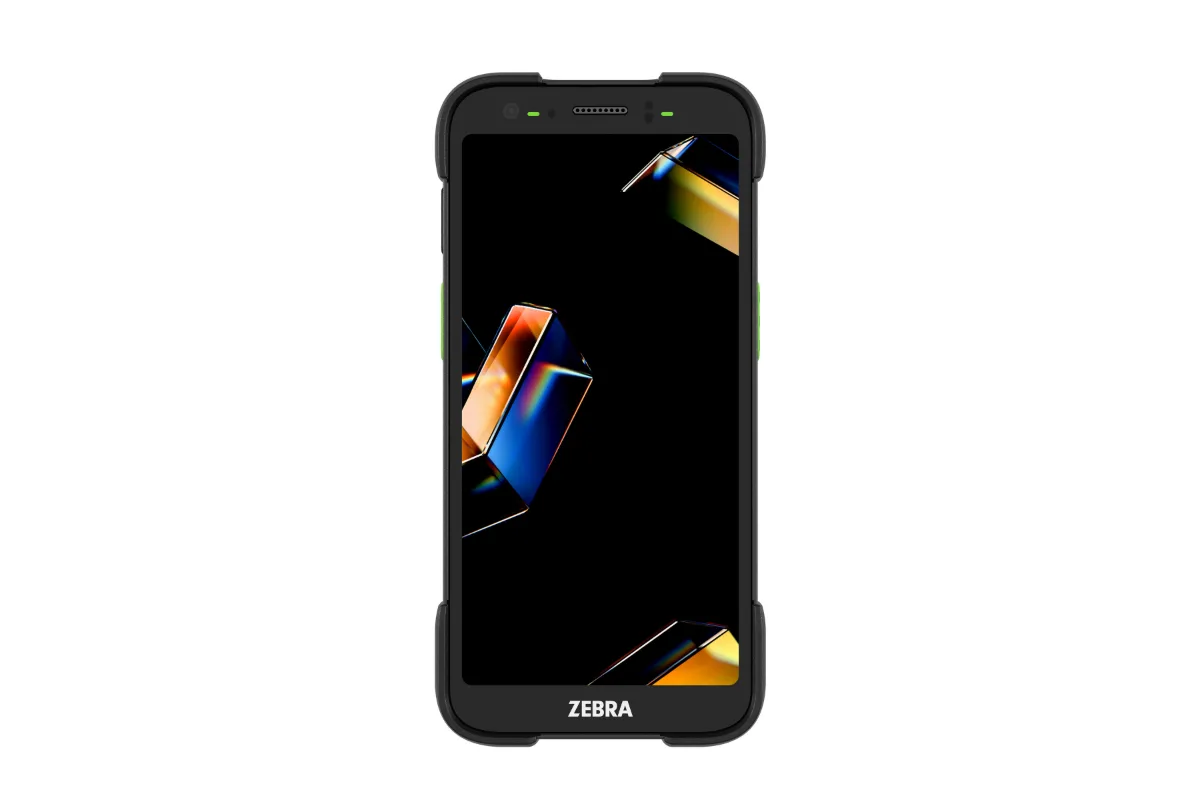
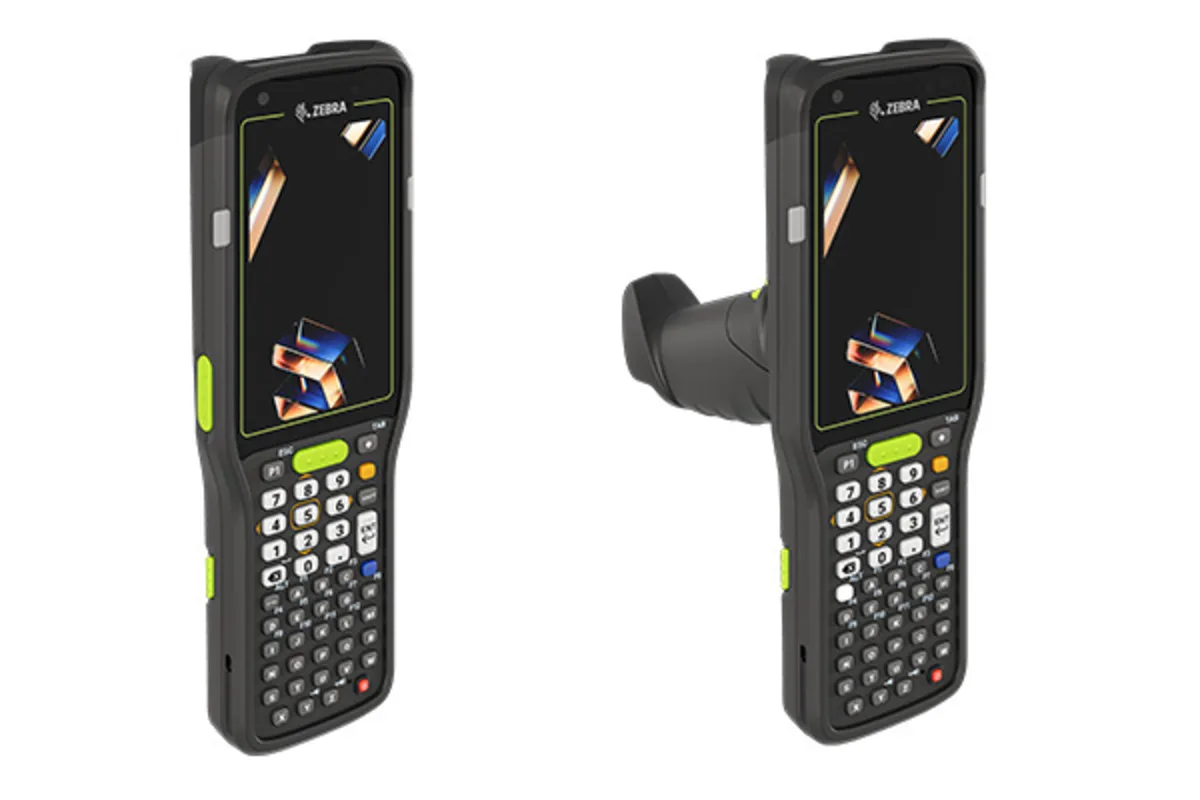
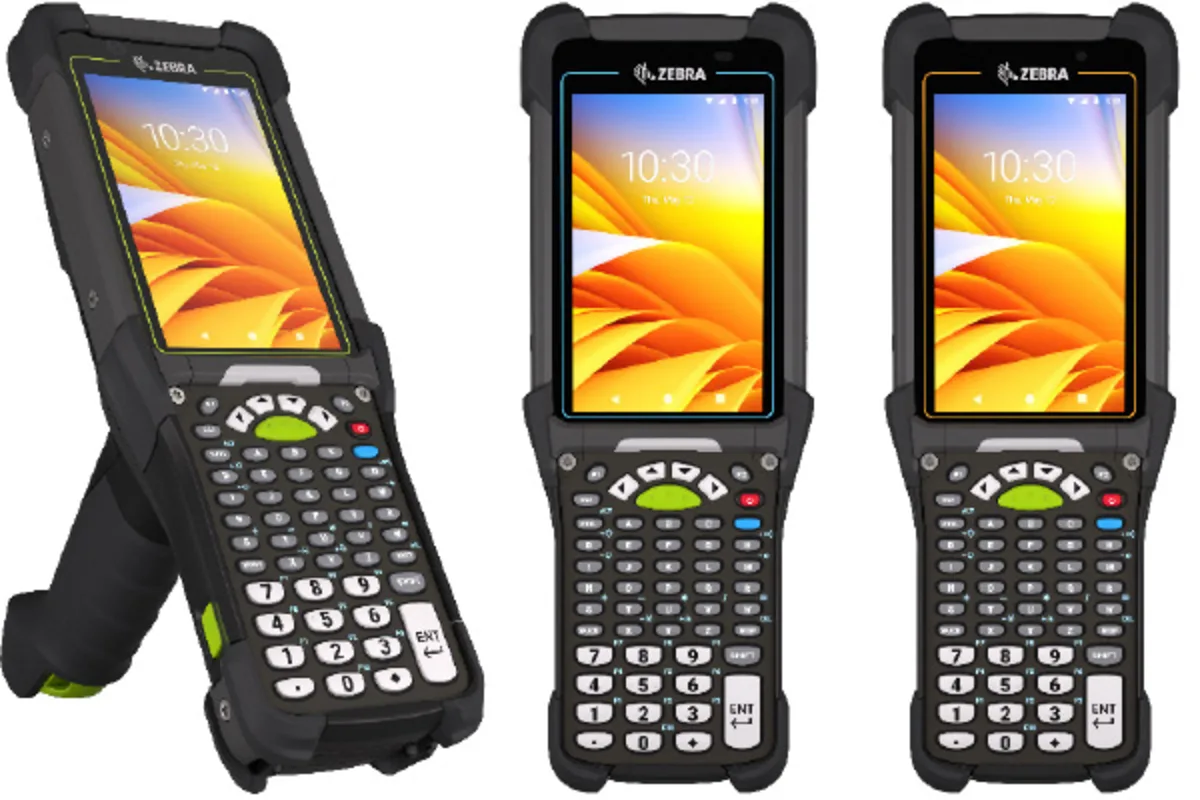
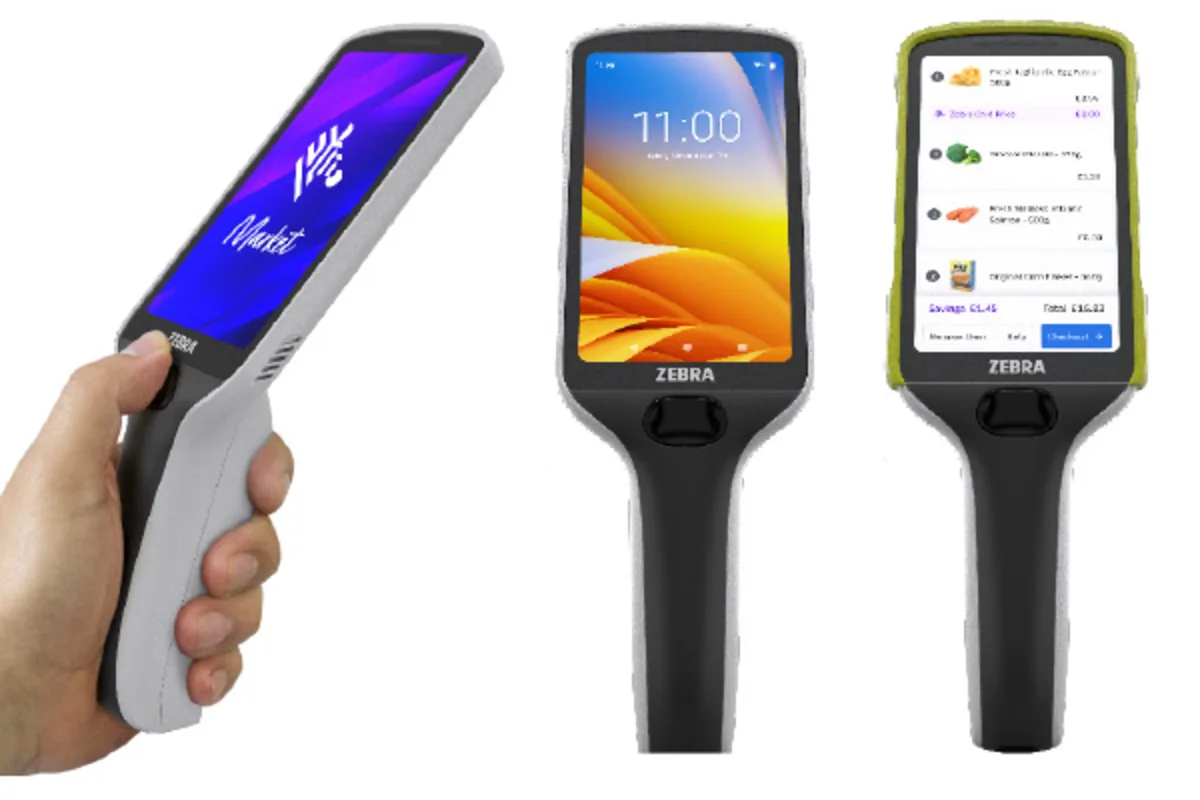
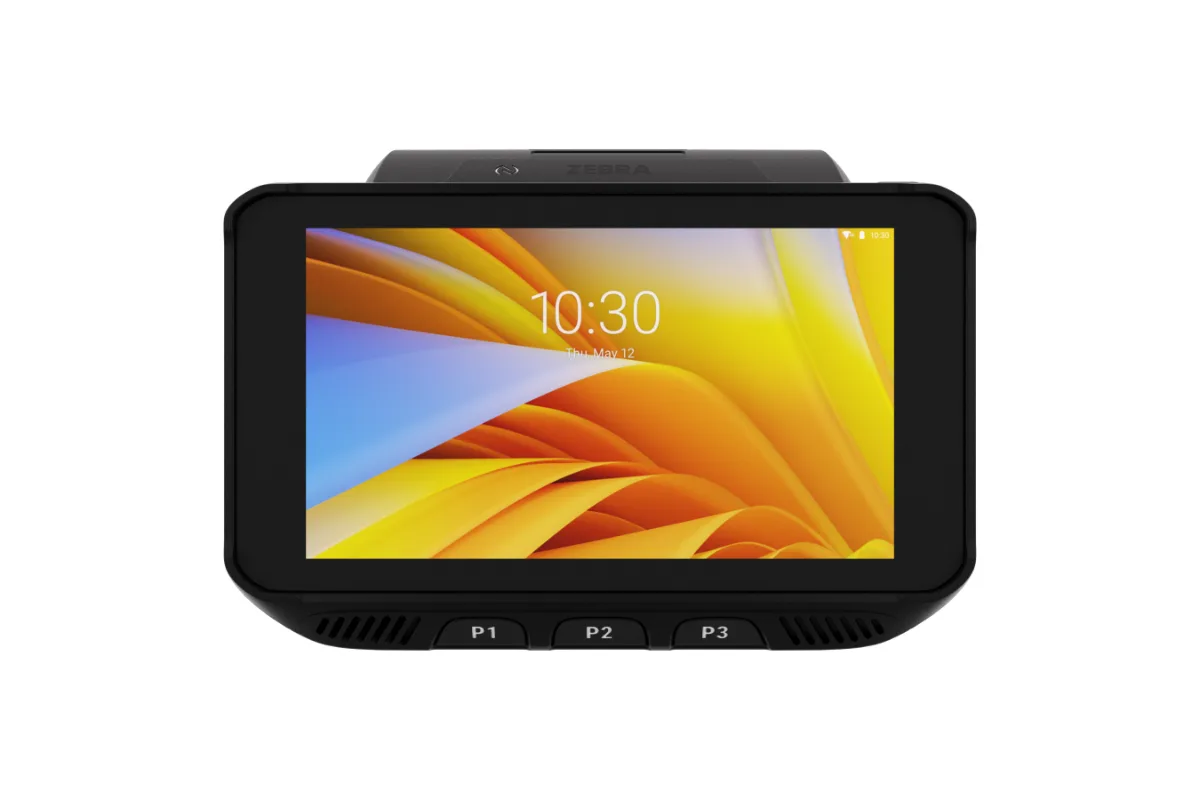
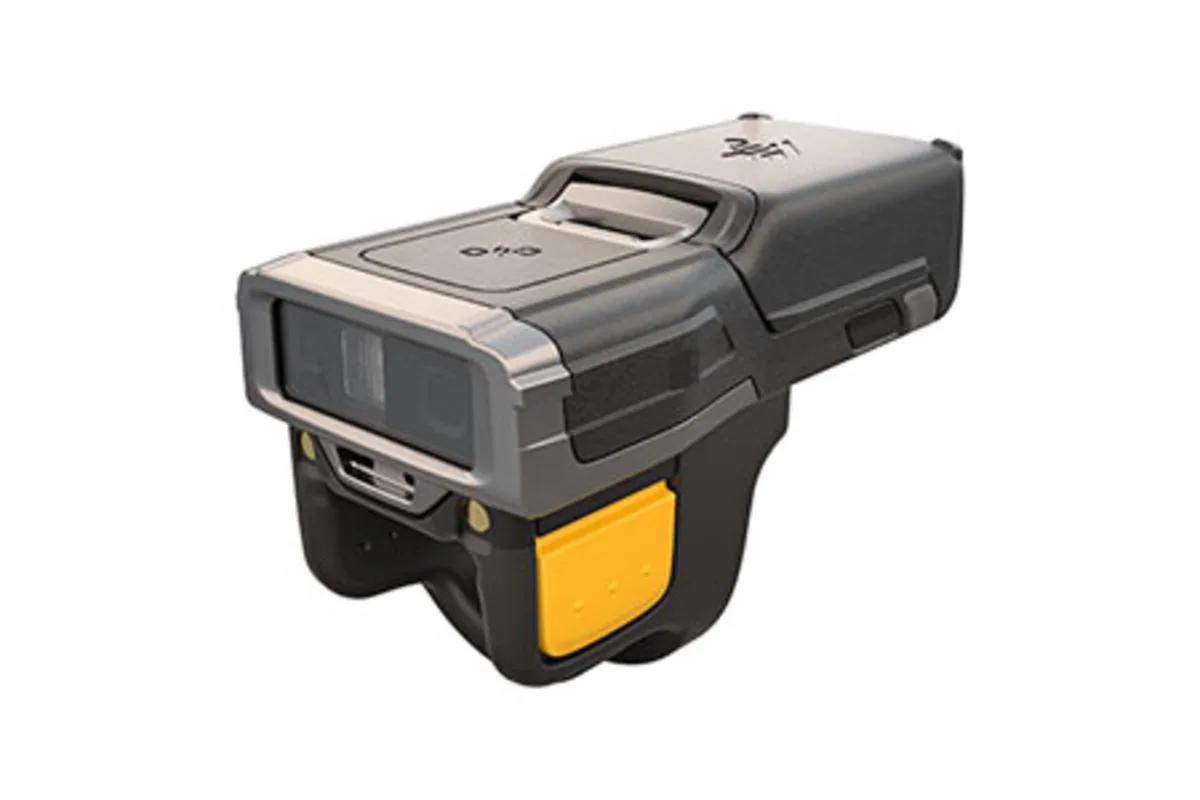
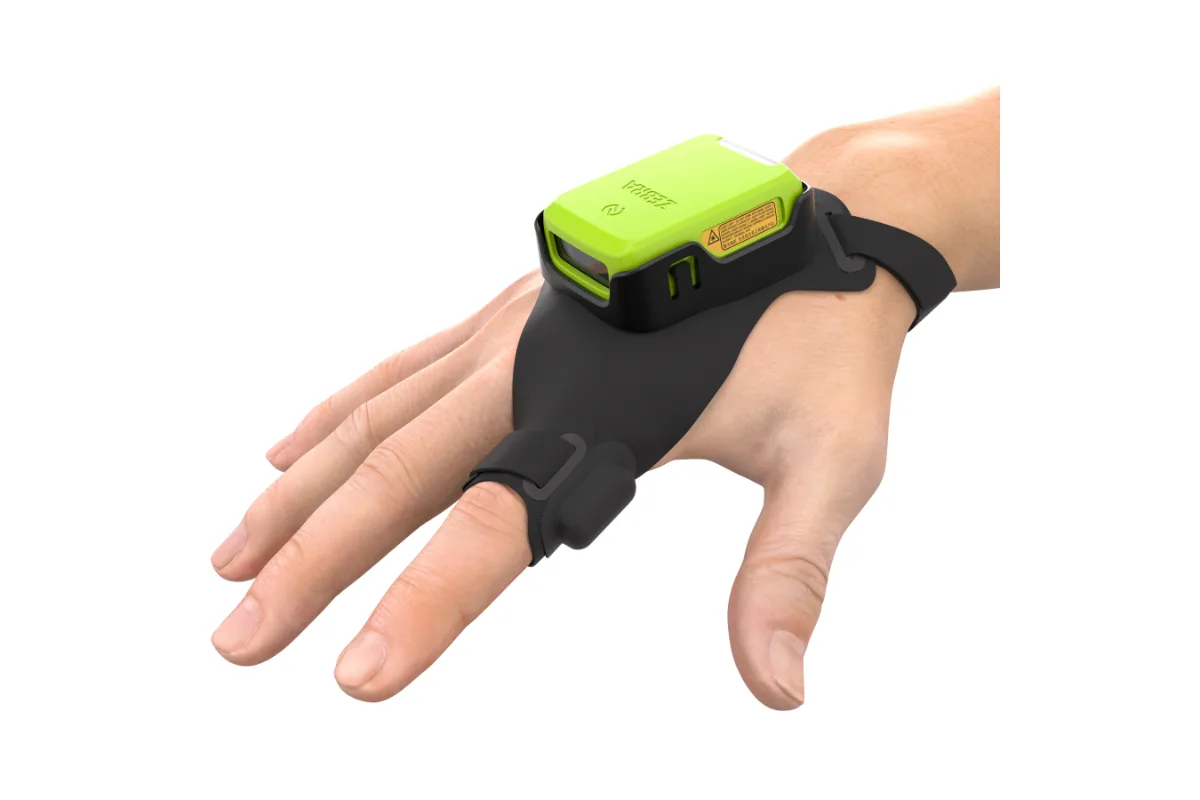
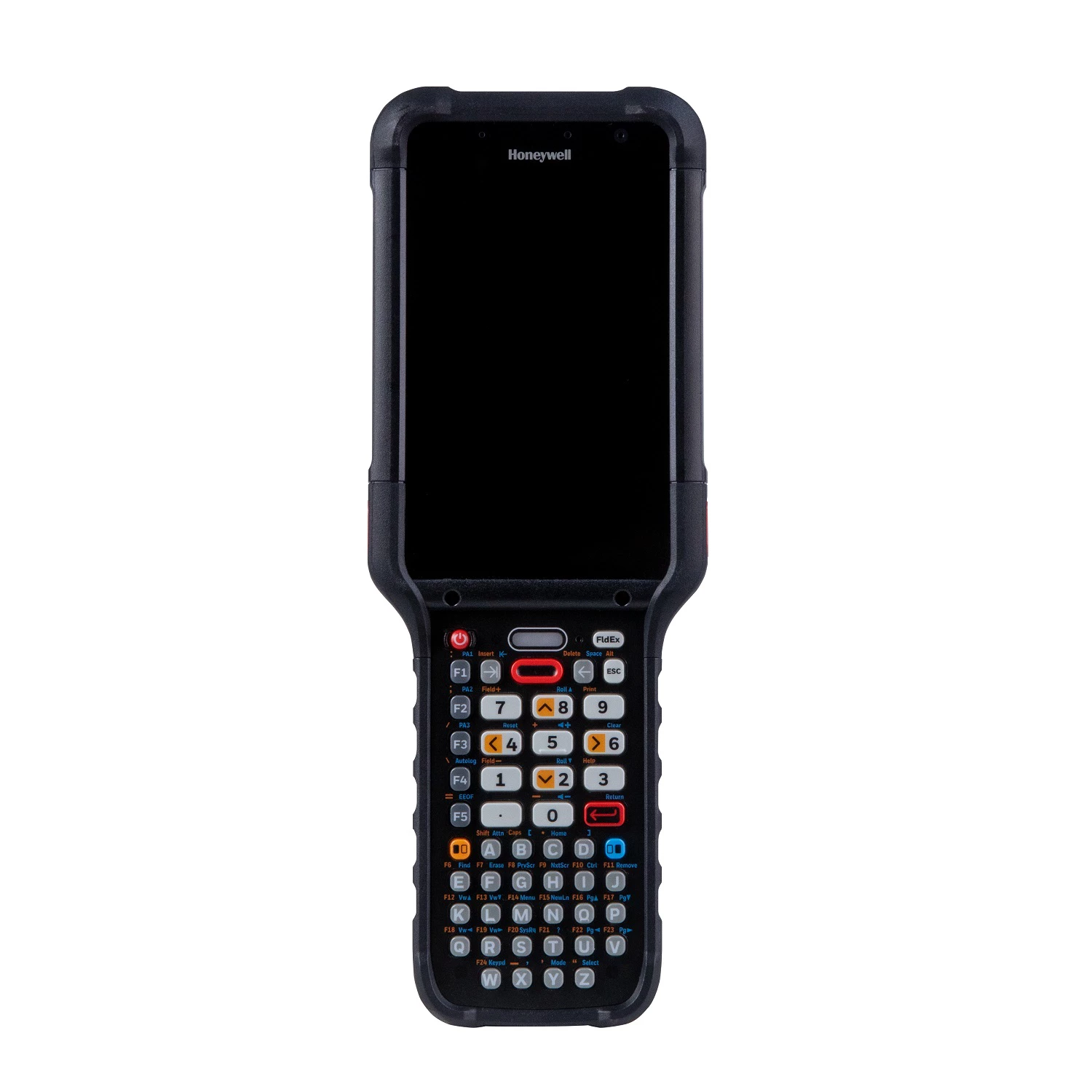
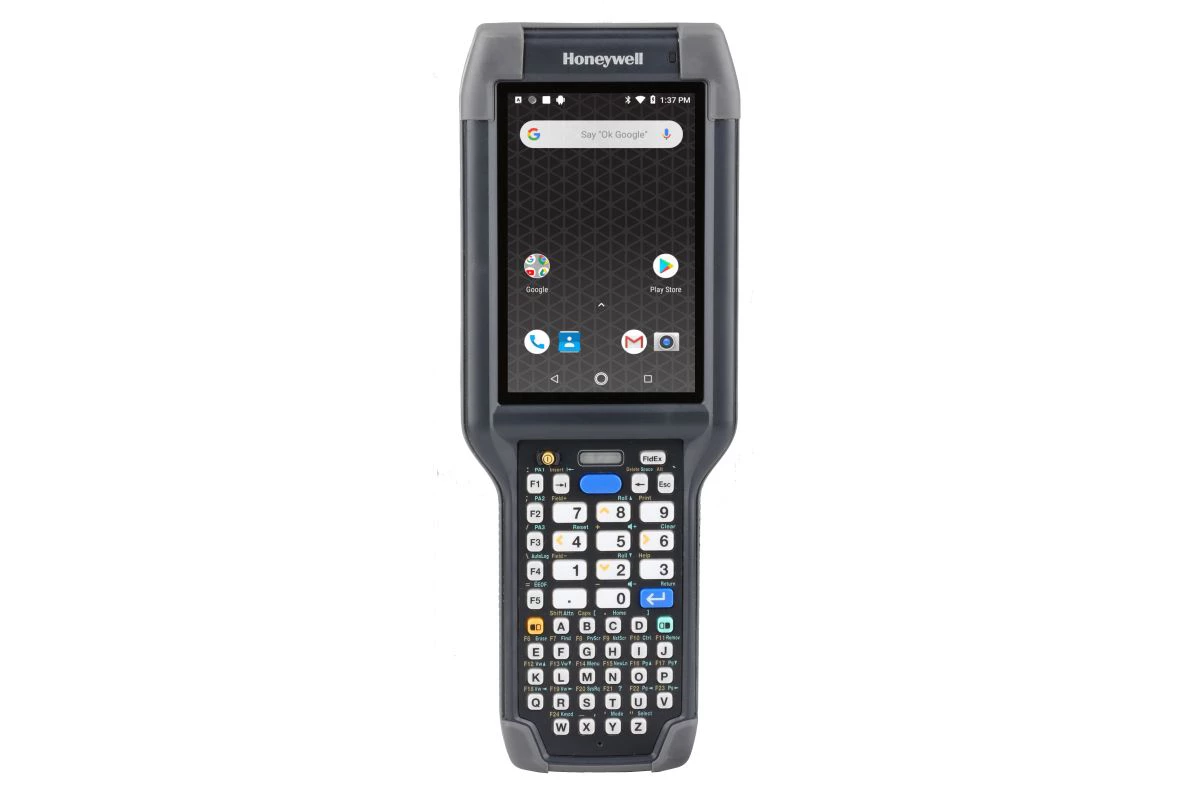
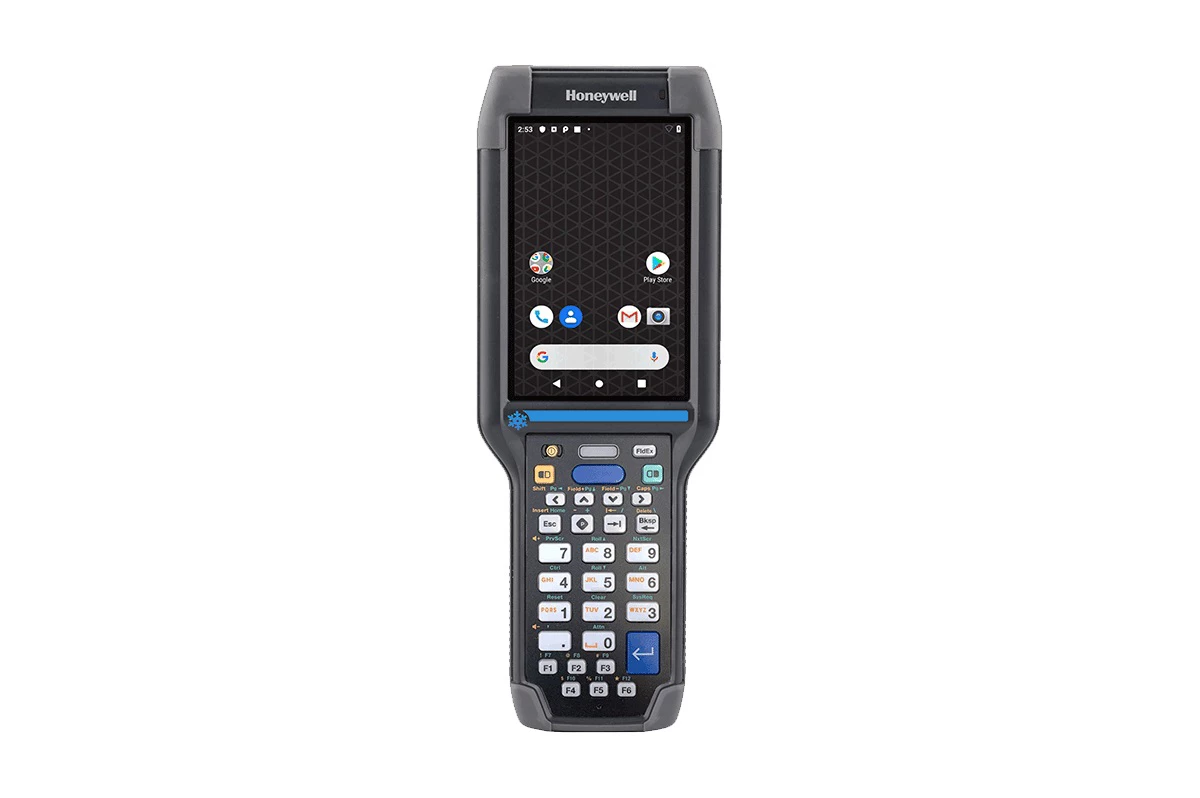
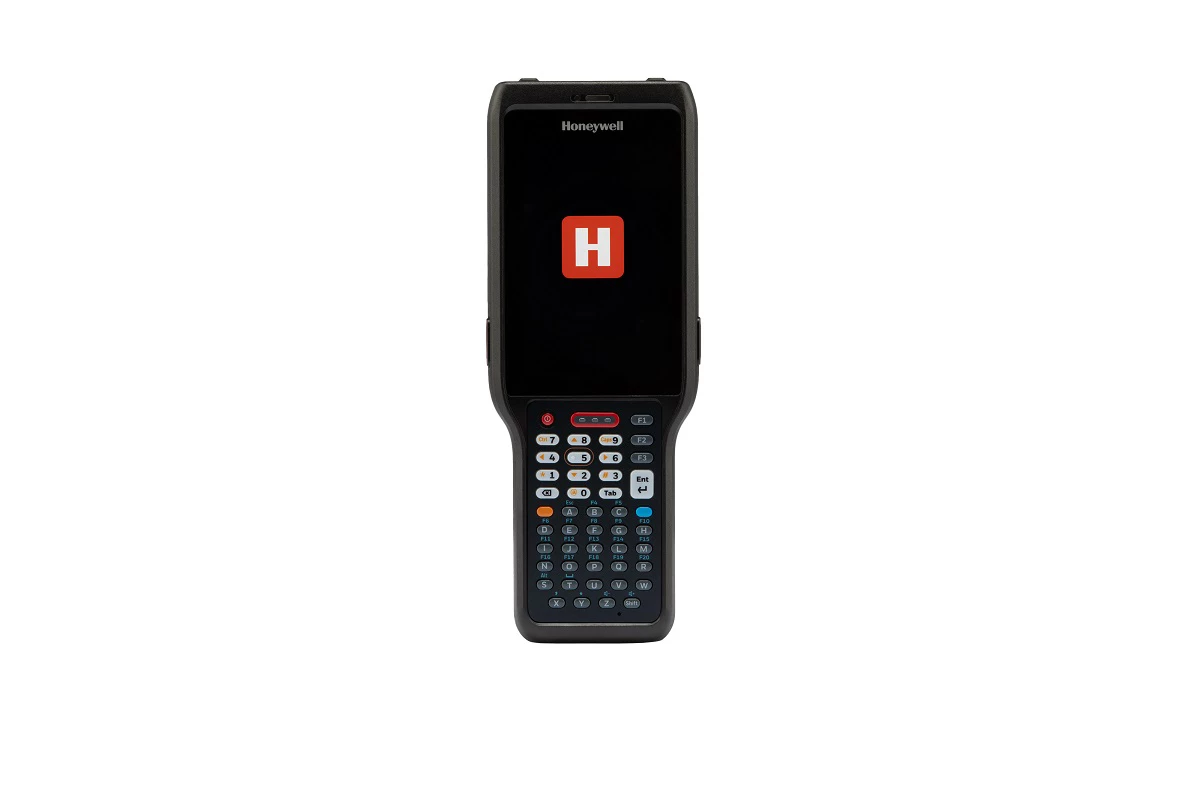
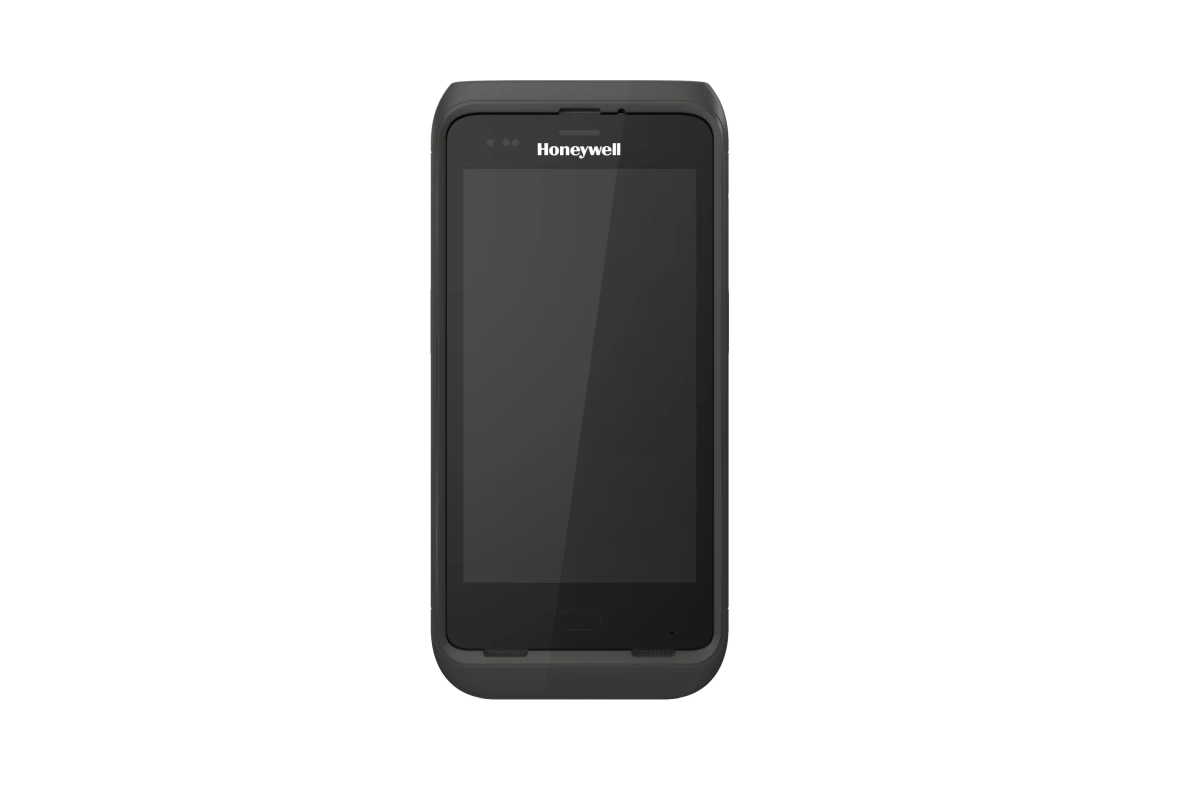
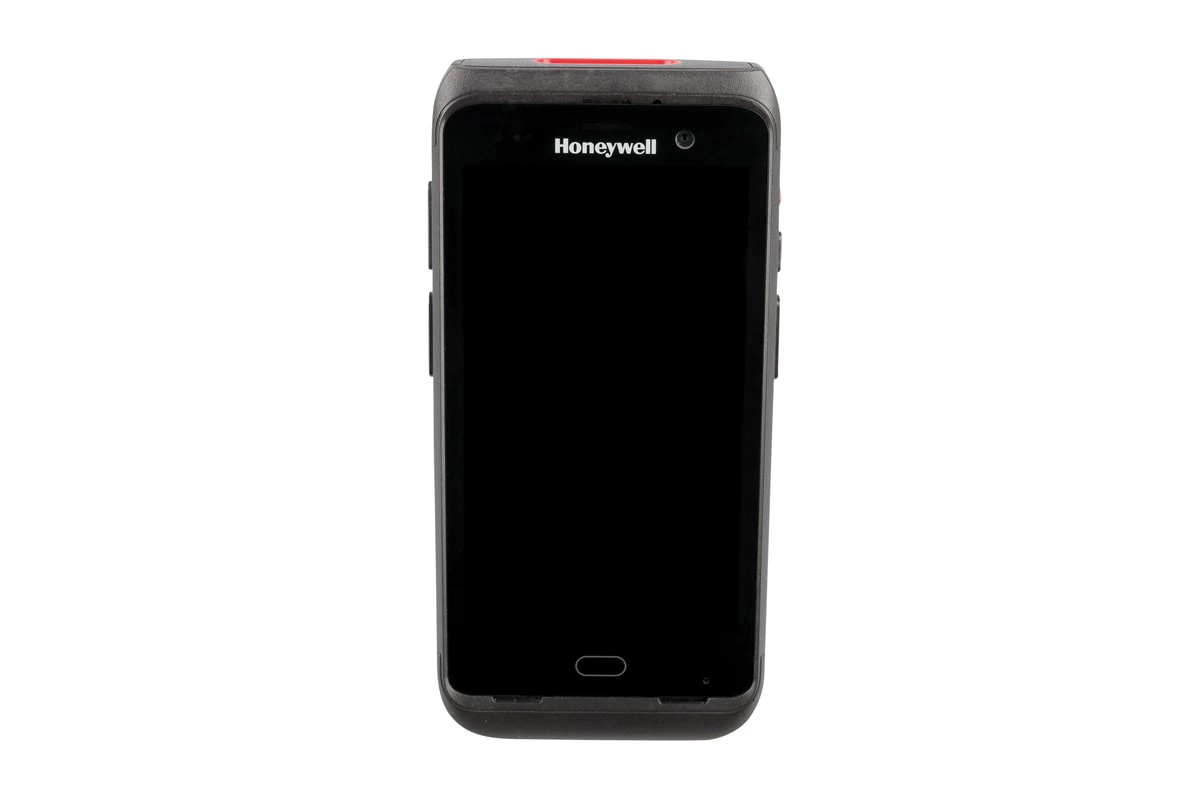
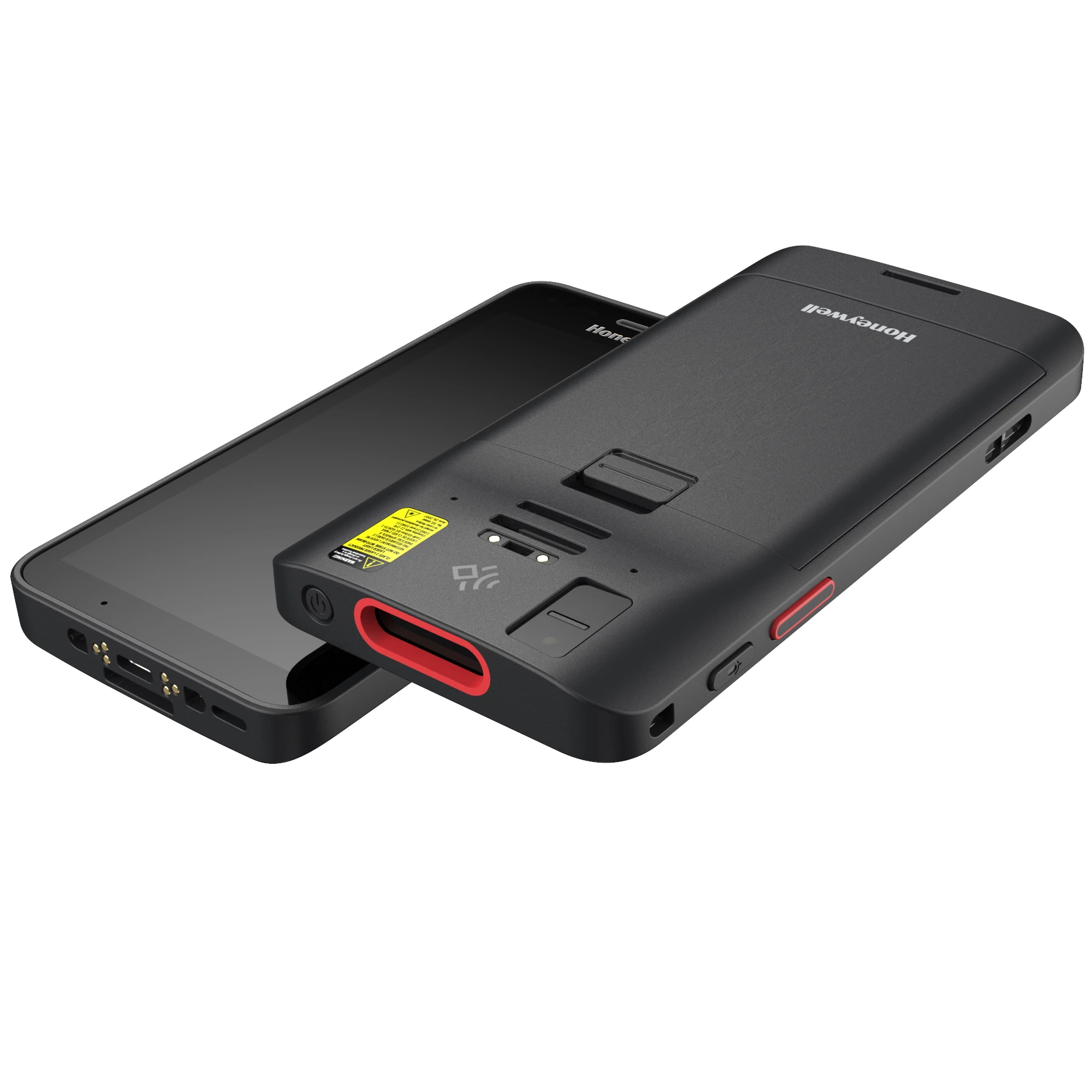
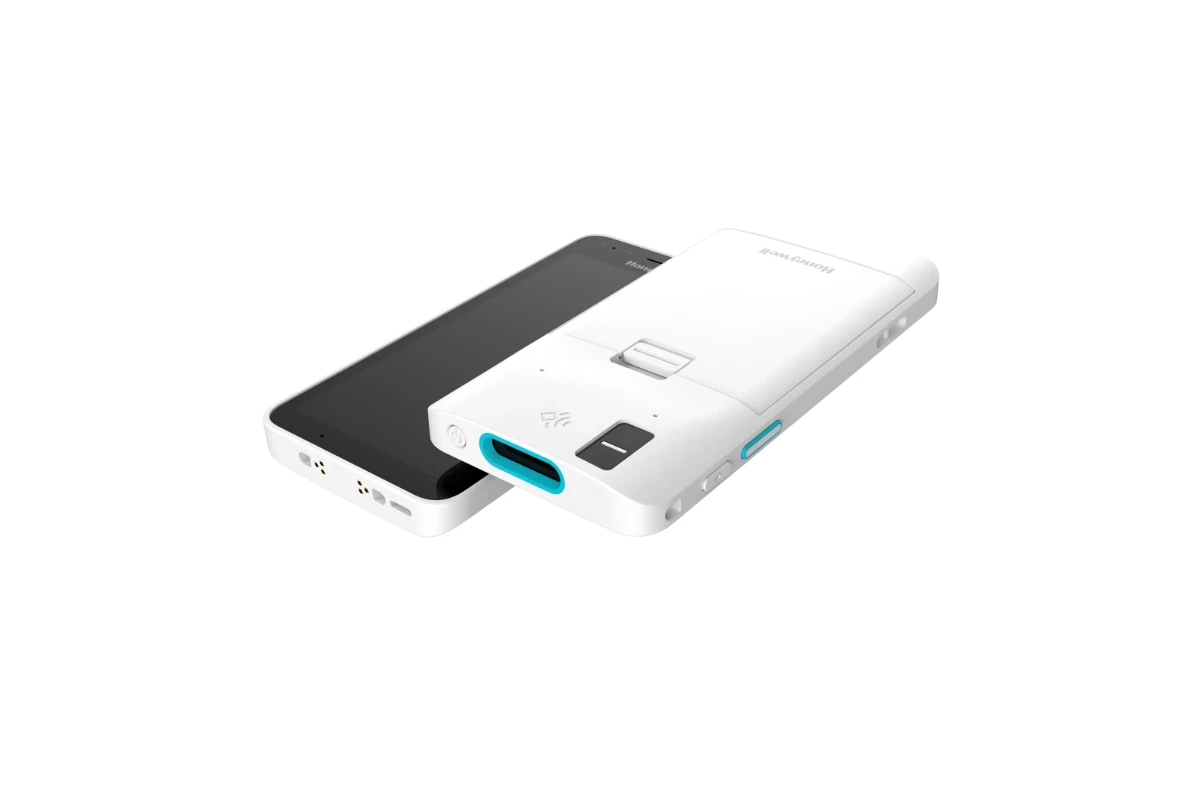
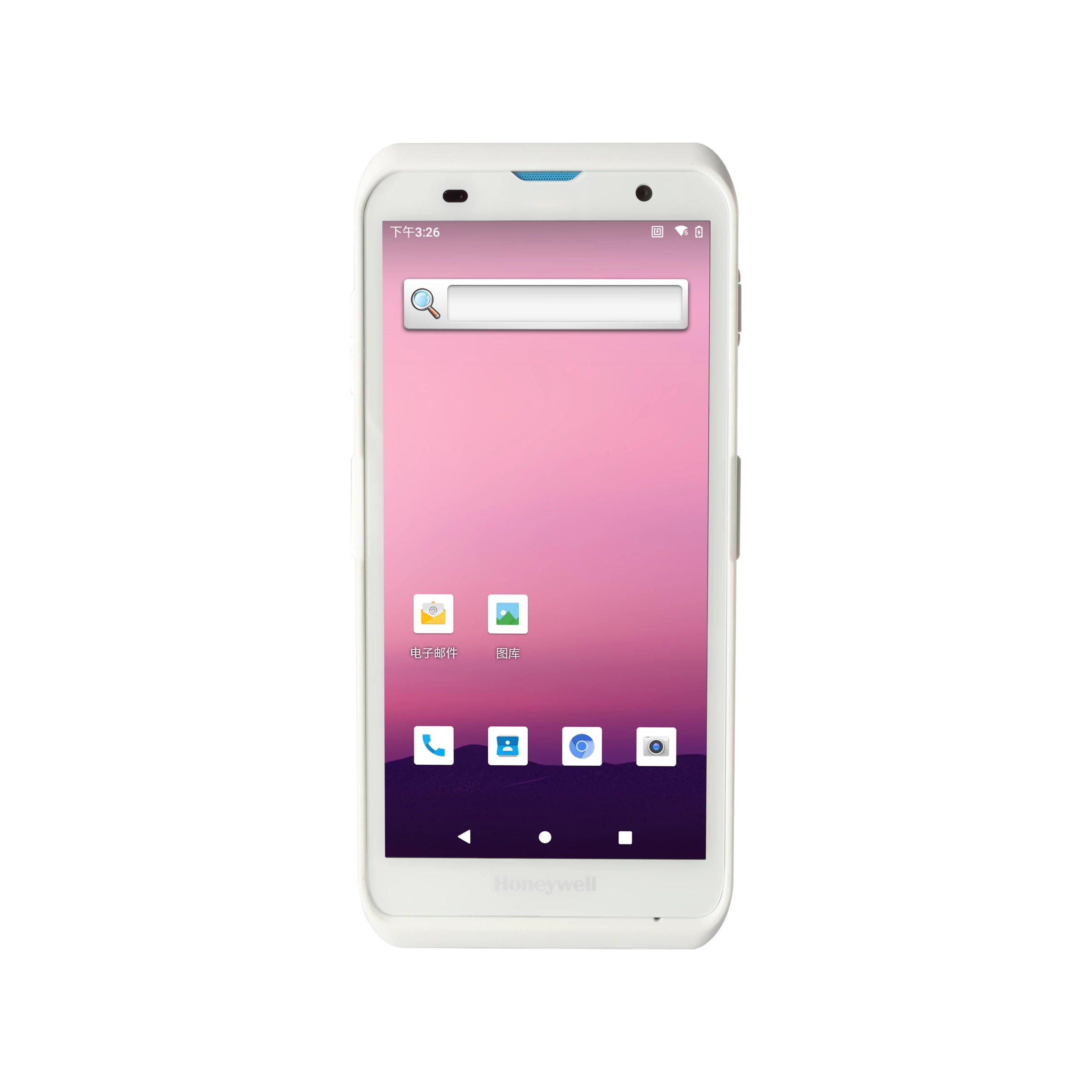
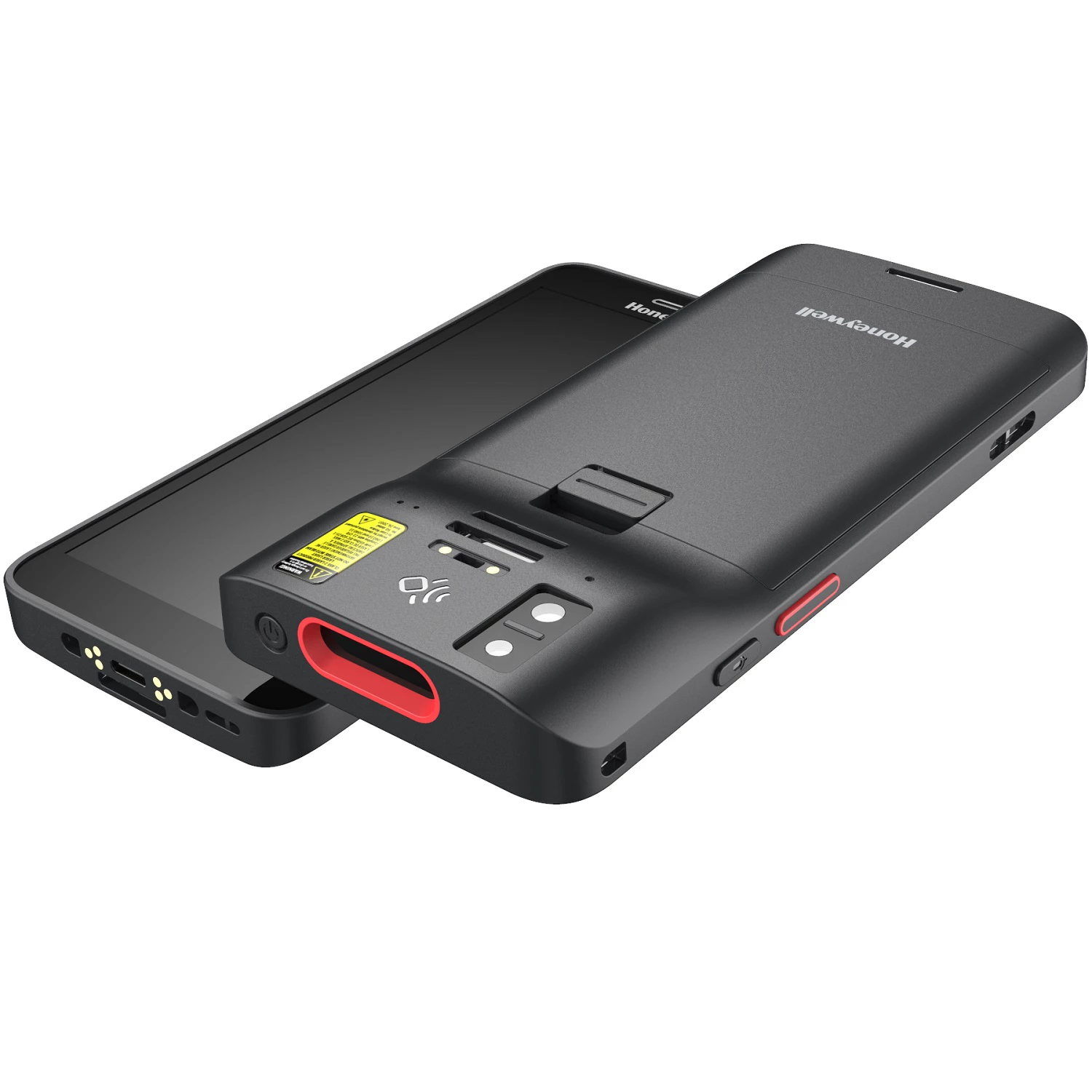
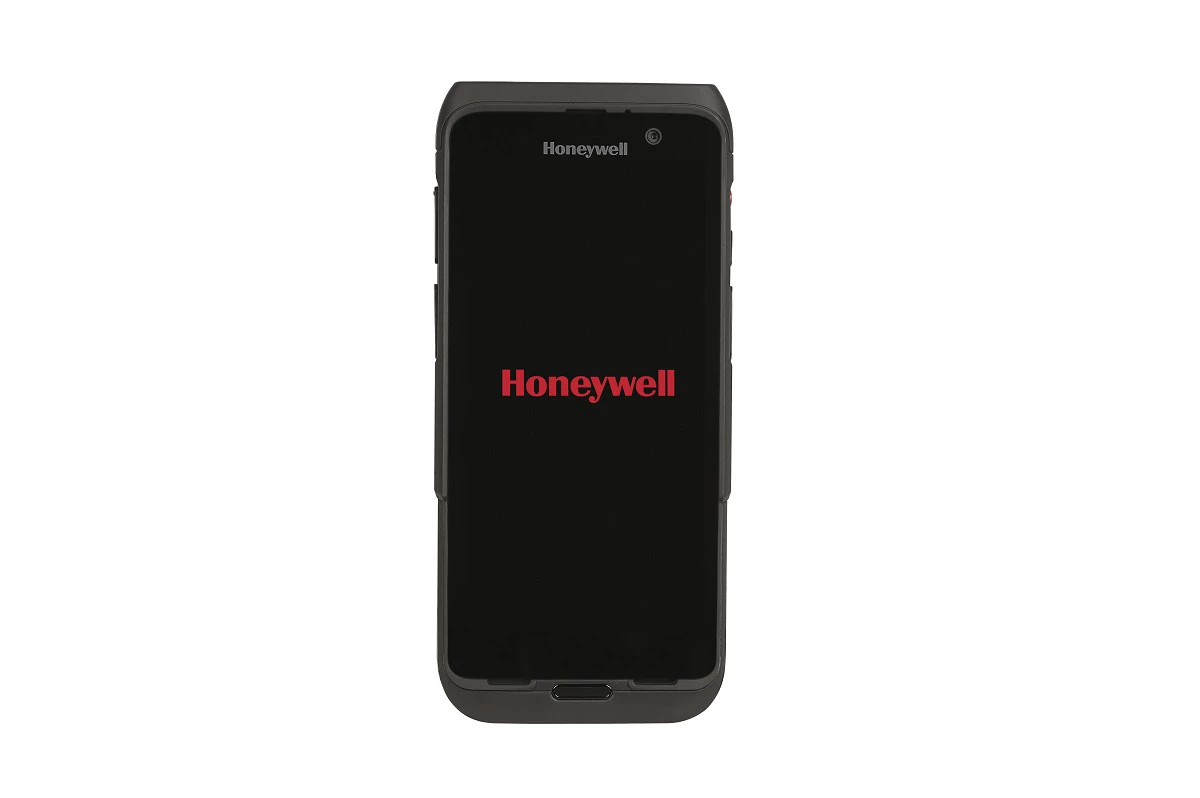
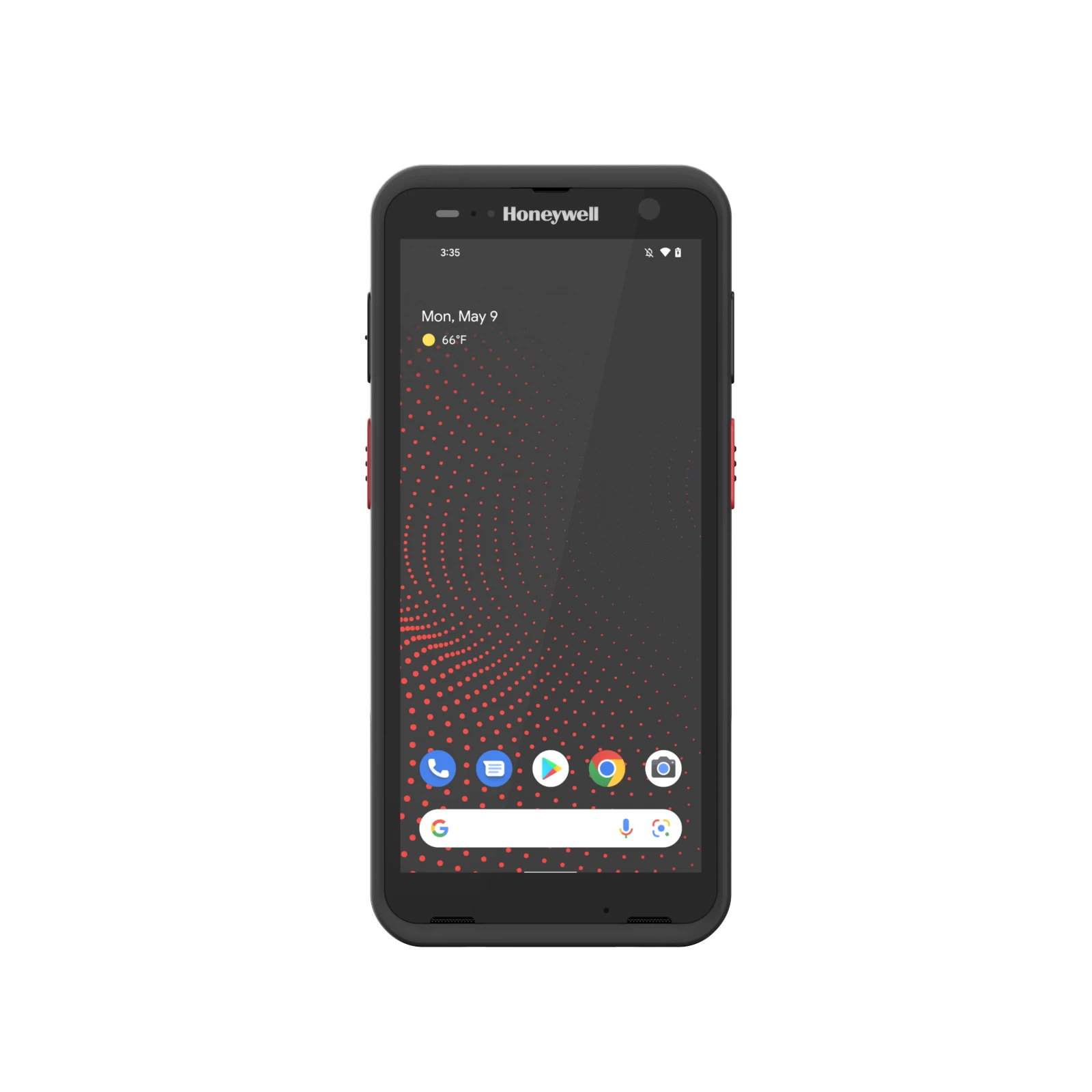
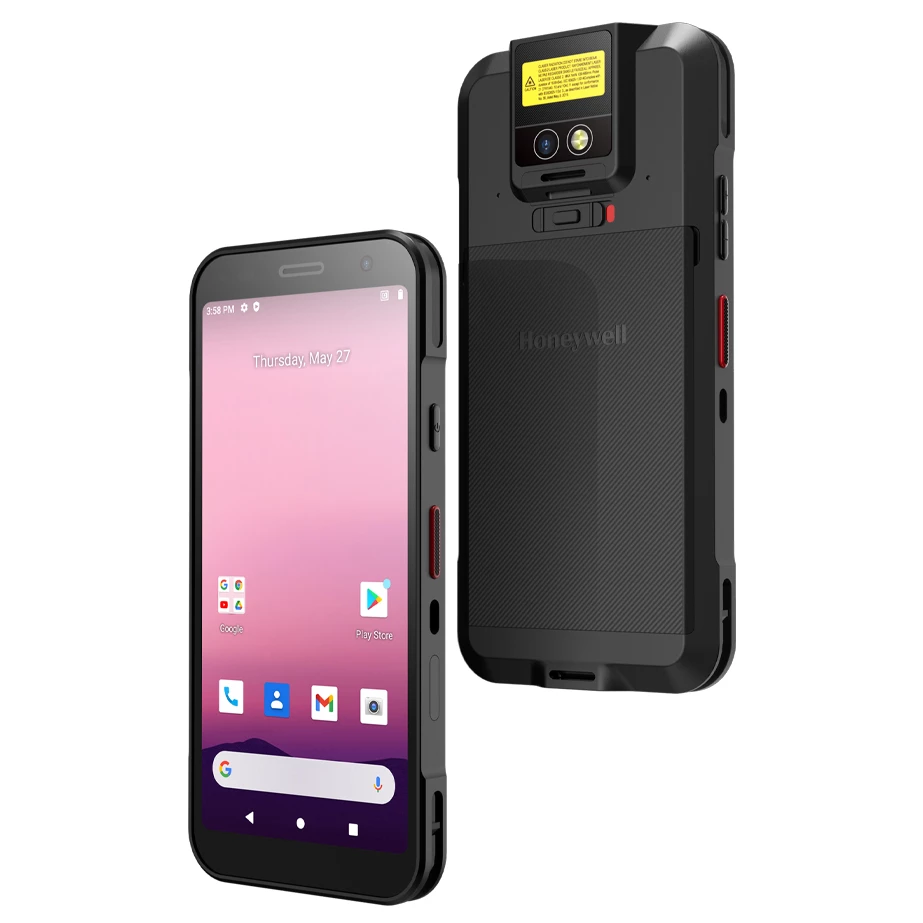
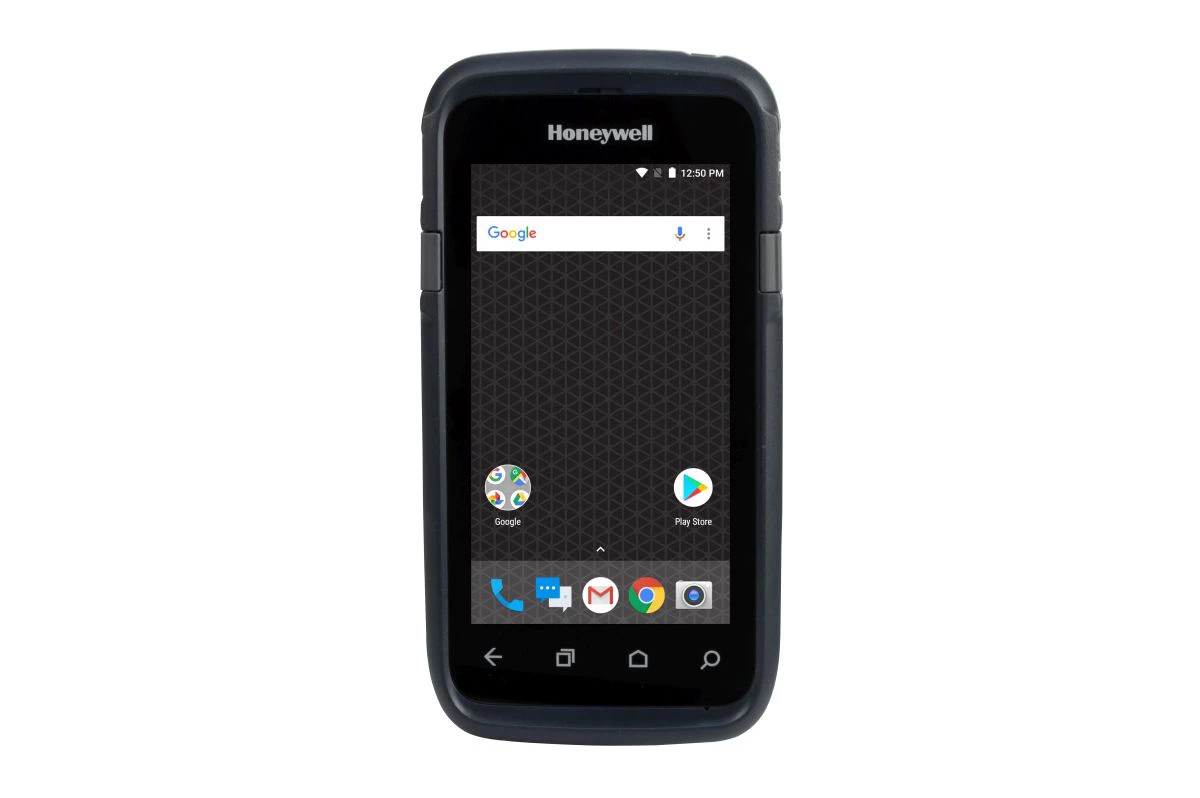
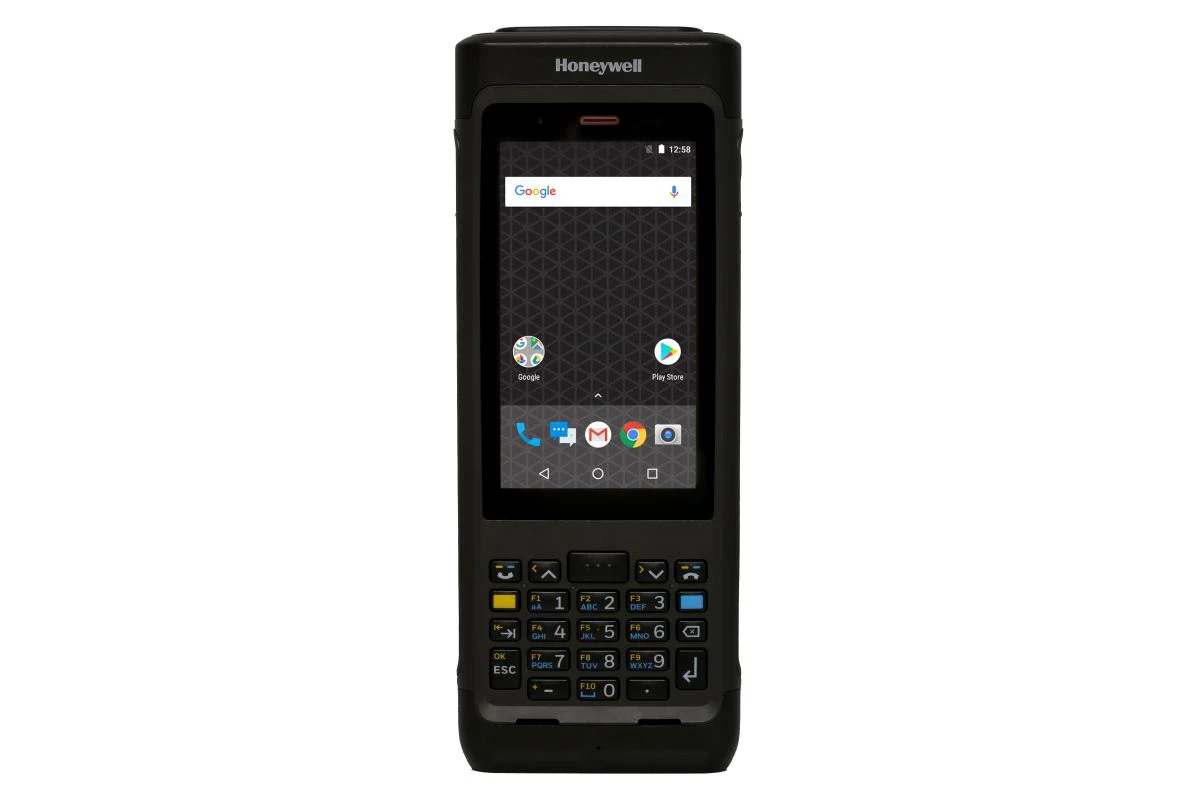
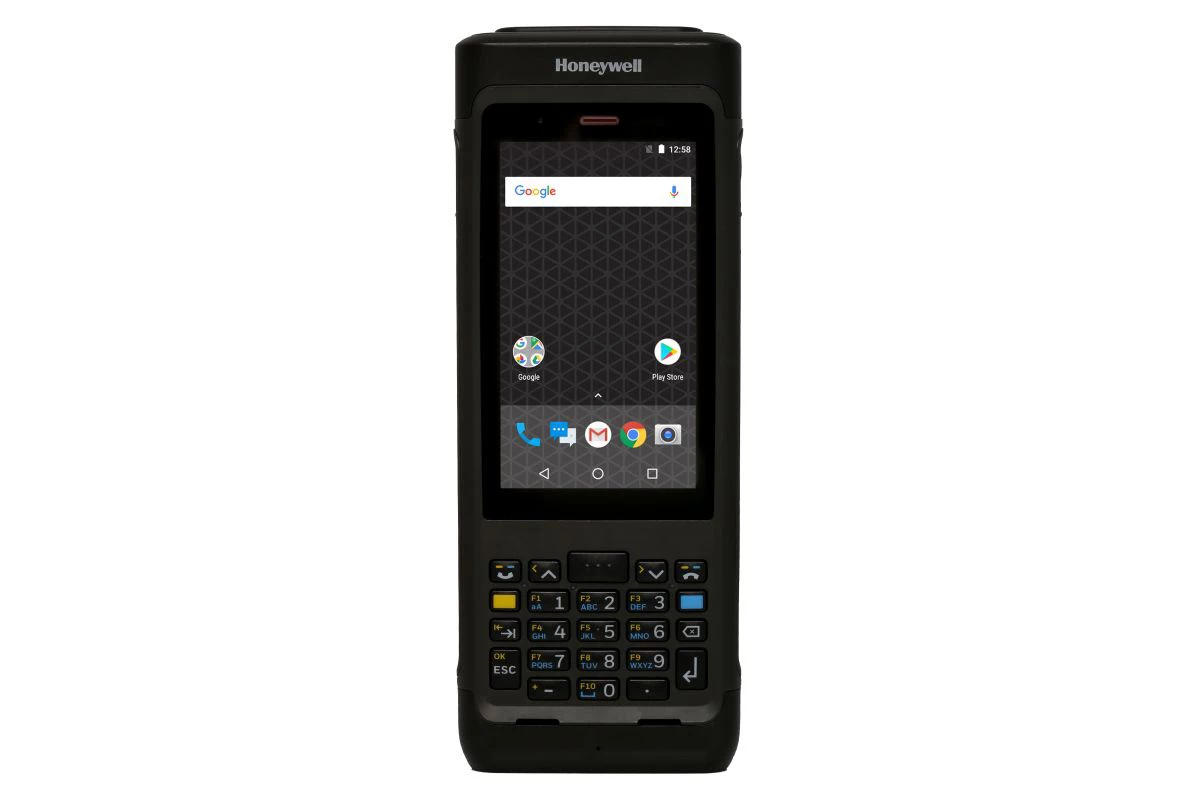
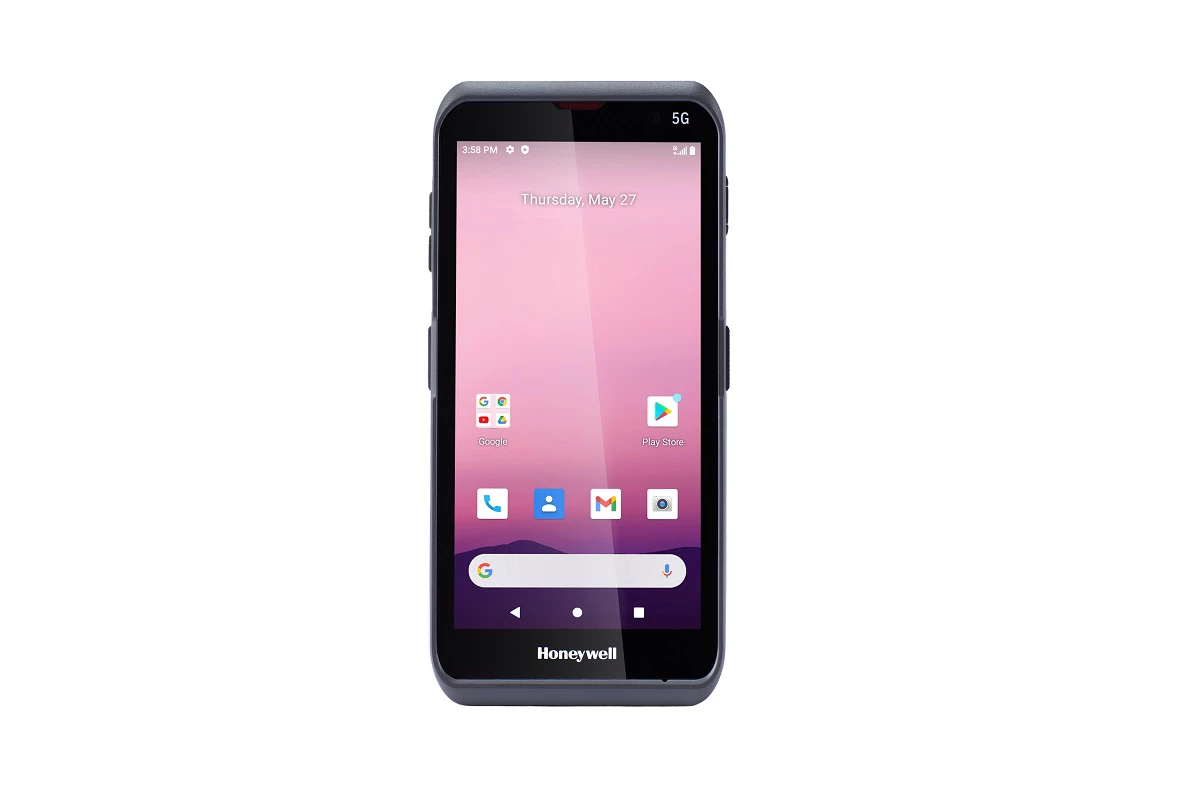
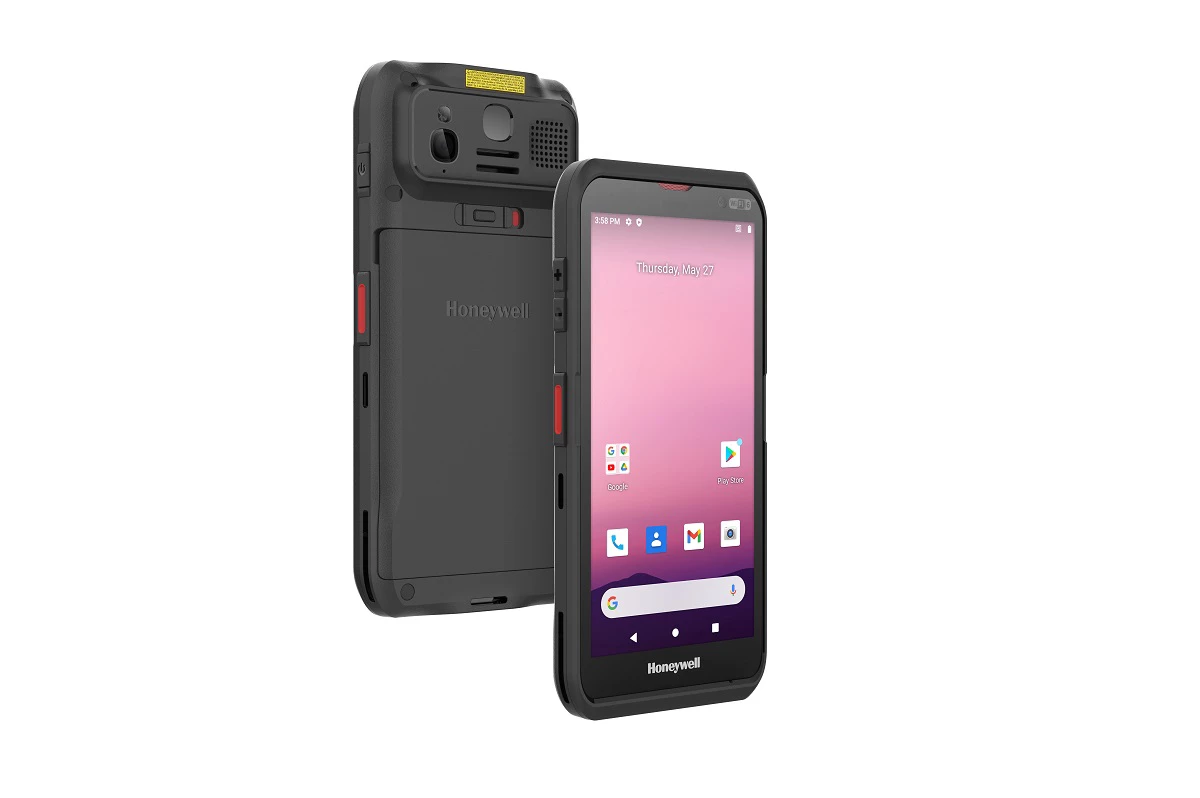
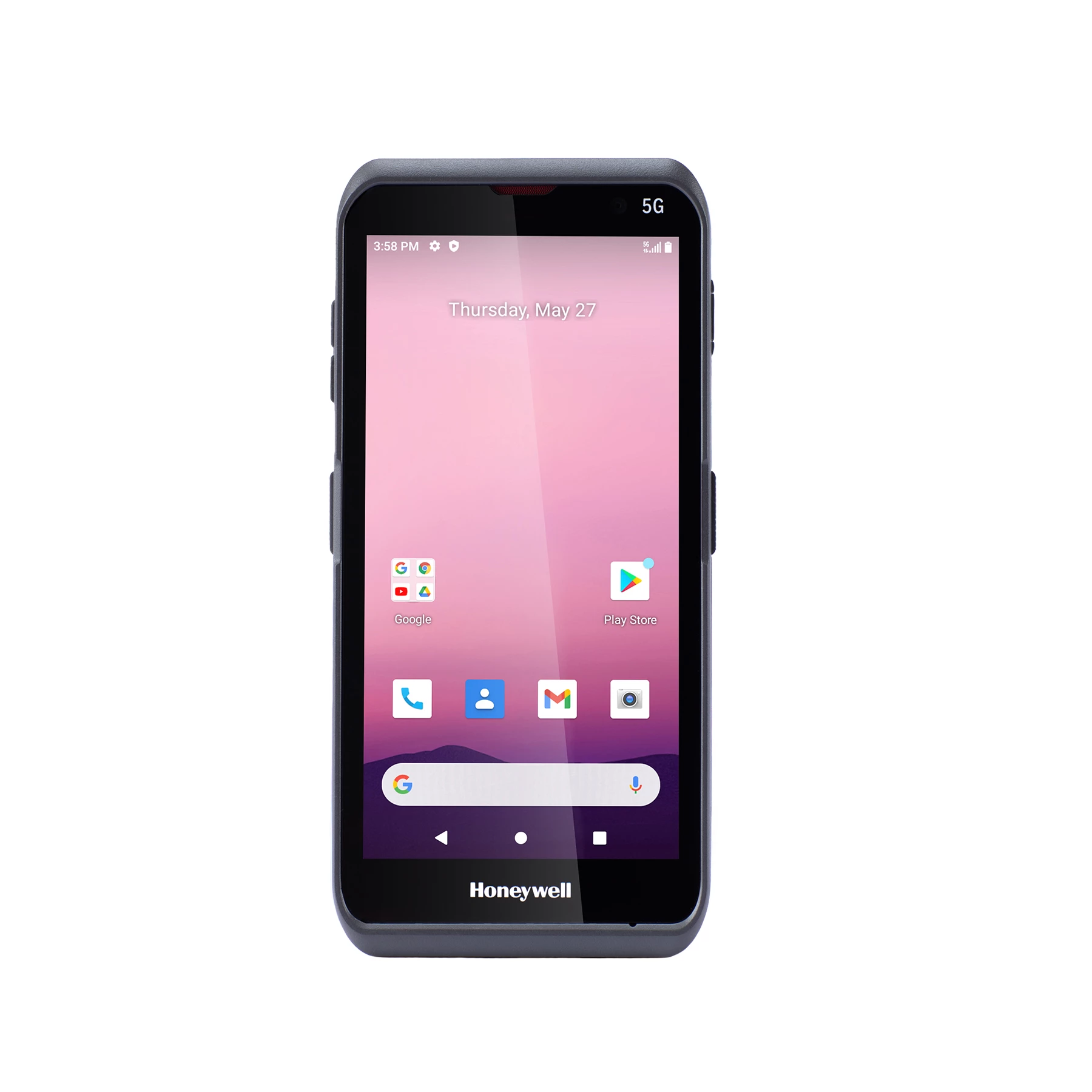
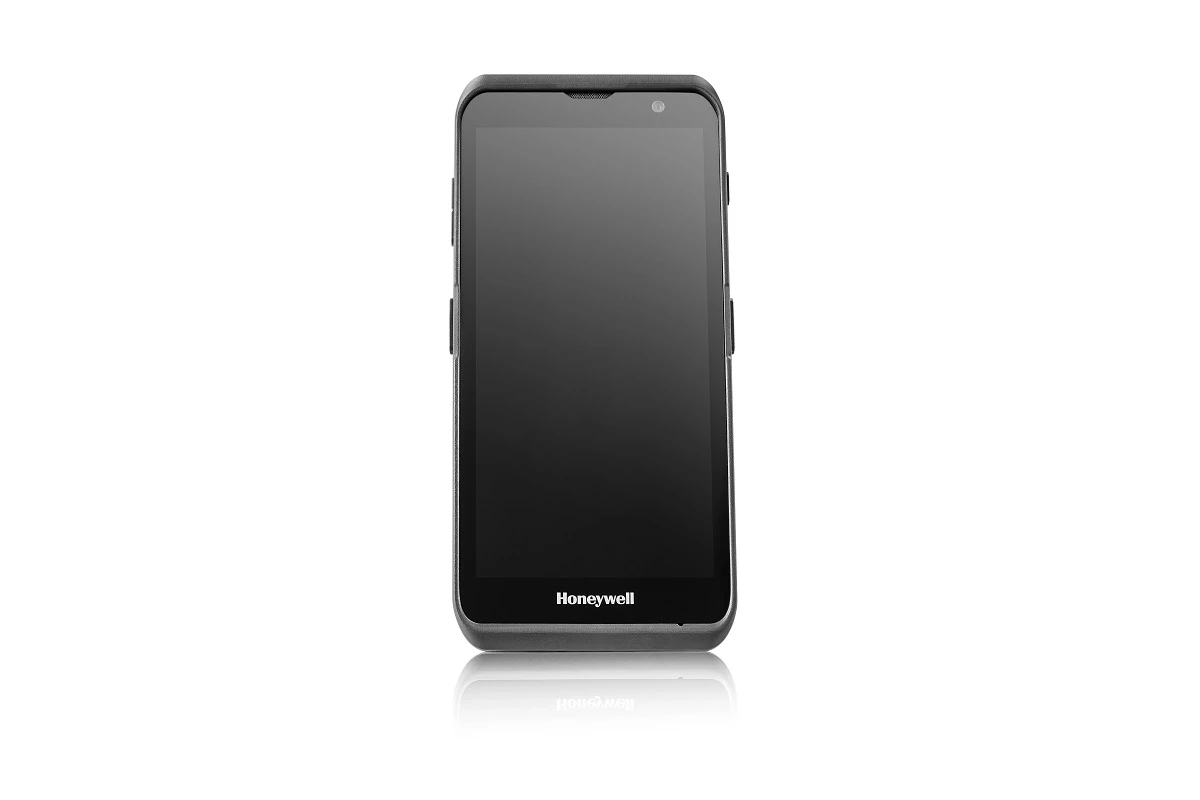
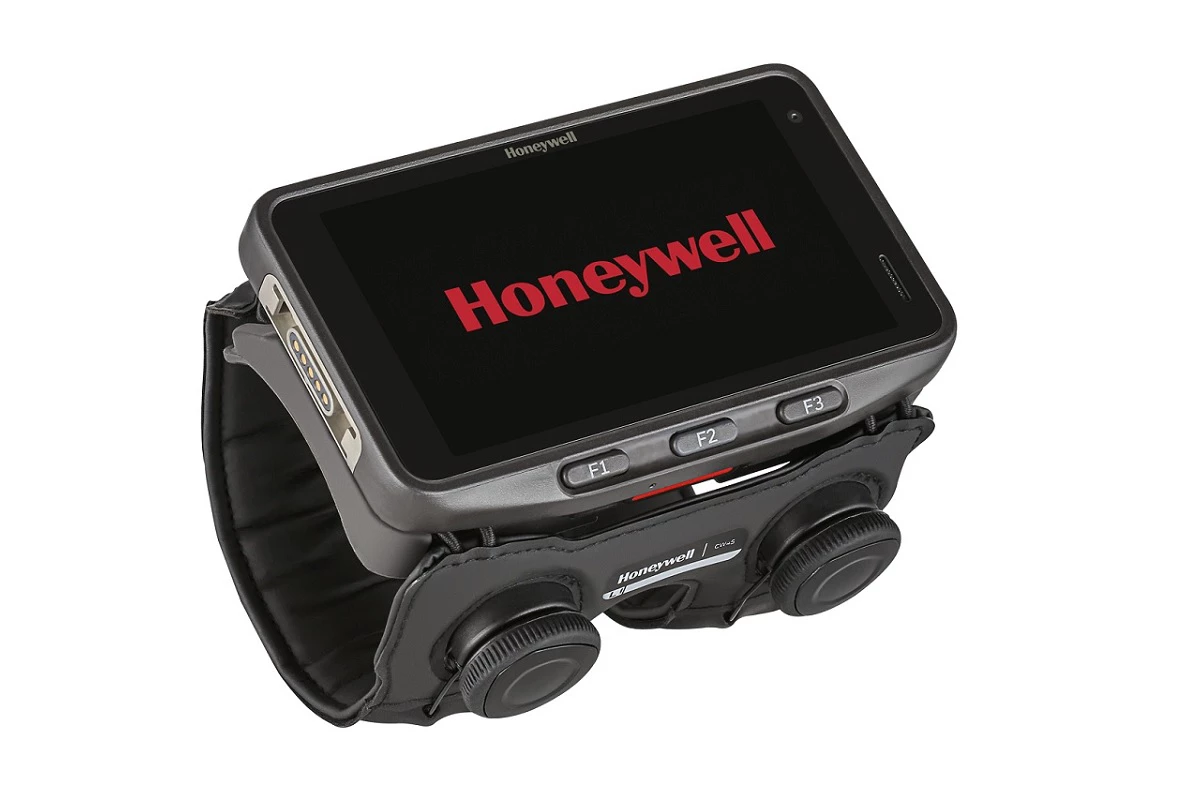
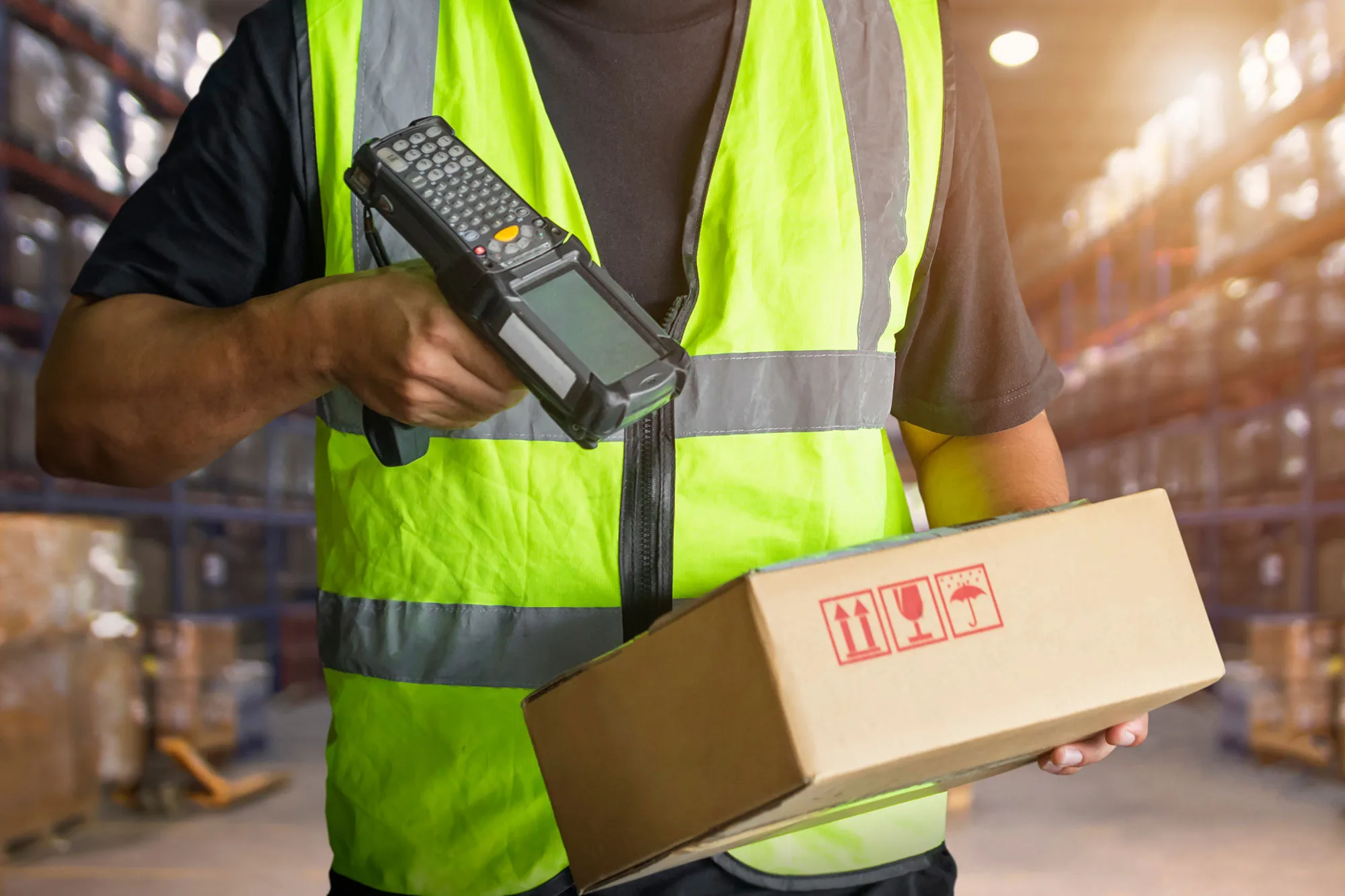
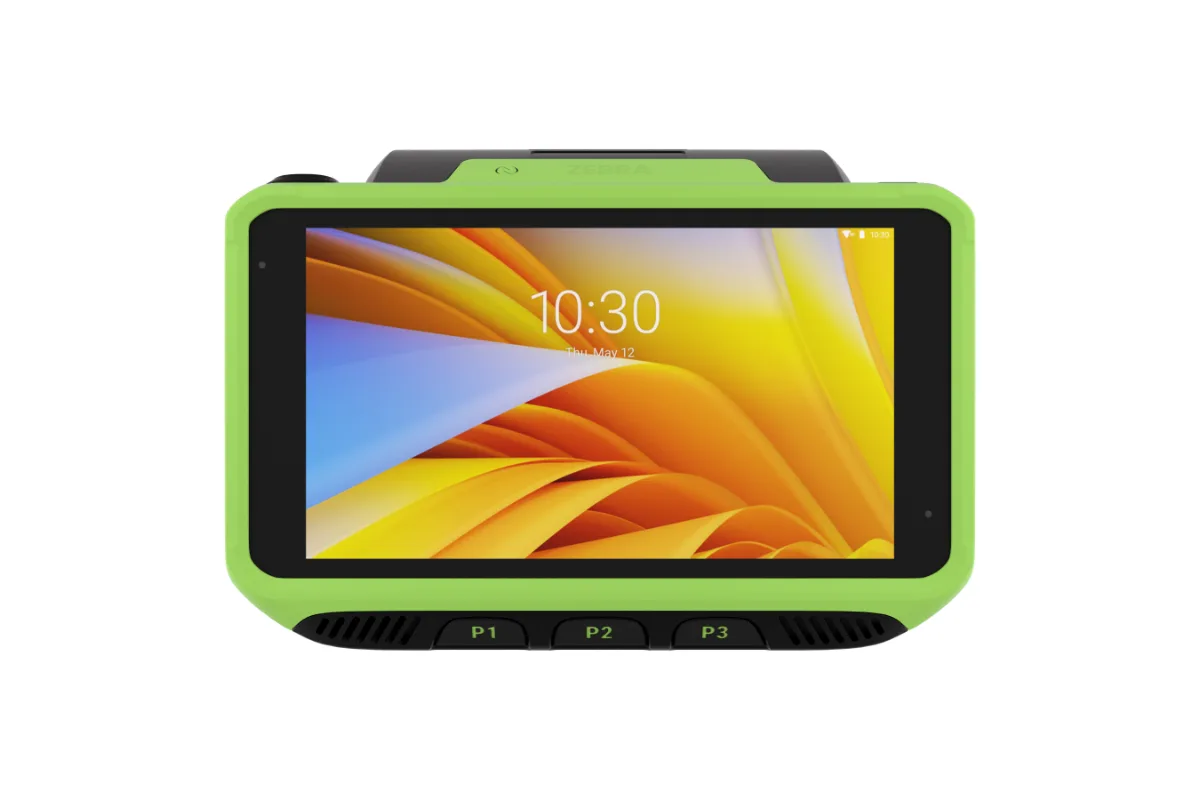
It runs the application as well as reading the barcode. A mobile computer is a rugged Android device with a scan engine in it, so the picker sees the next task on screen instead of walking back to a terminal. That matters most where the work moves: picking, put away, cycle counts and delivery.

  • Runs your WMS or a browser client on the device
  • Scans, photographs, signs and prints from one unit
  • Sealed, drop rated, and built for a full shift on one battery
02

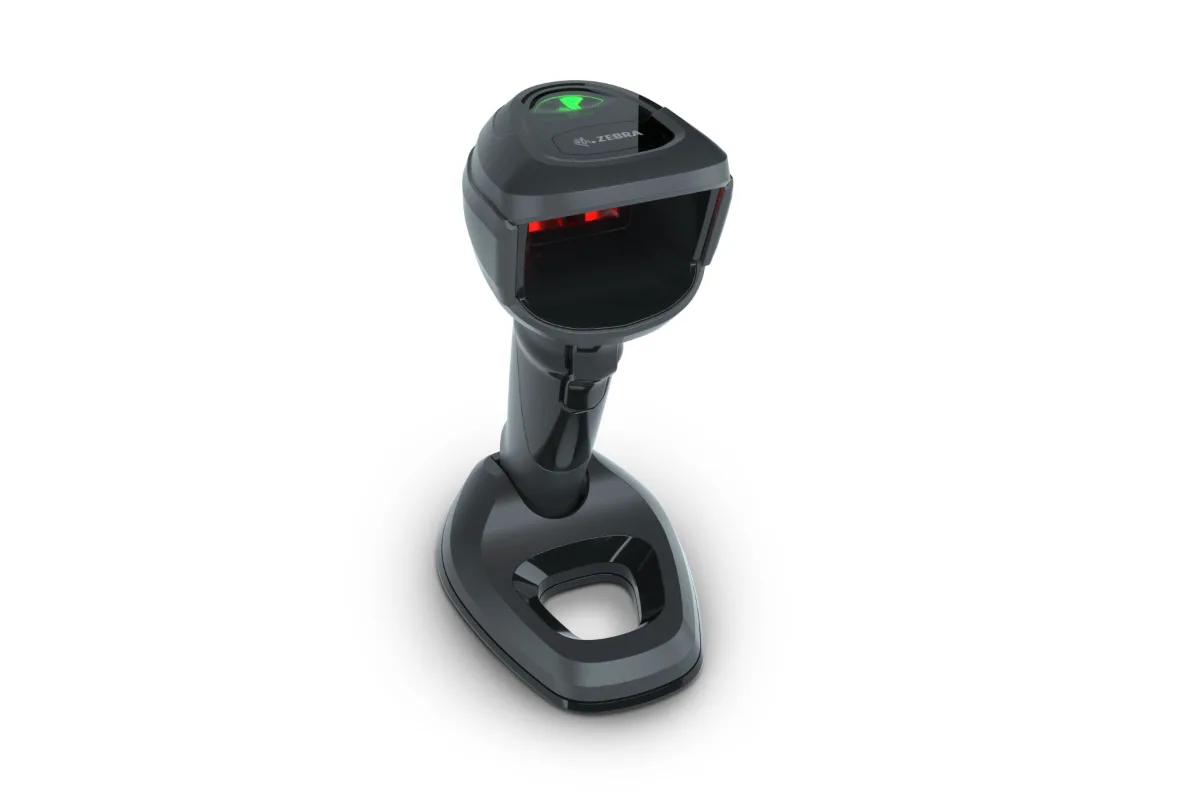
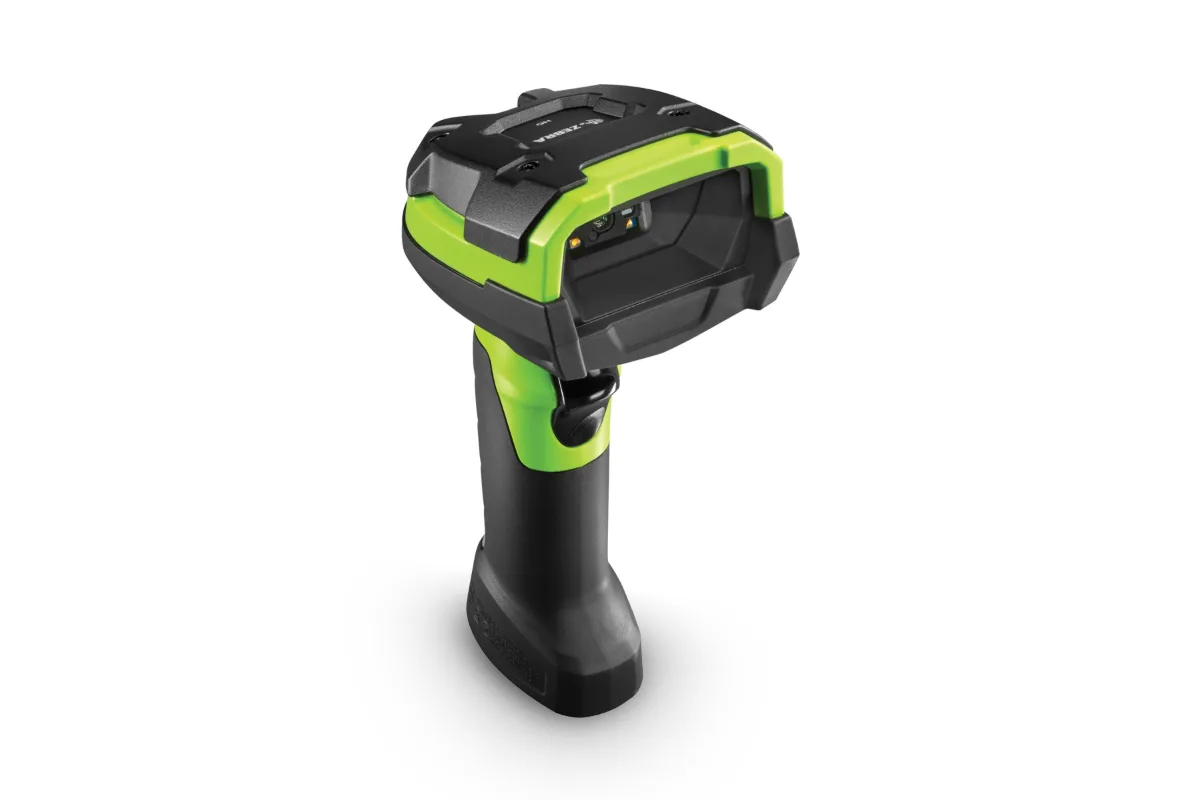
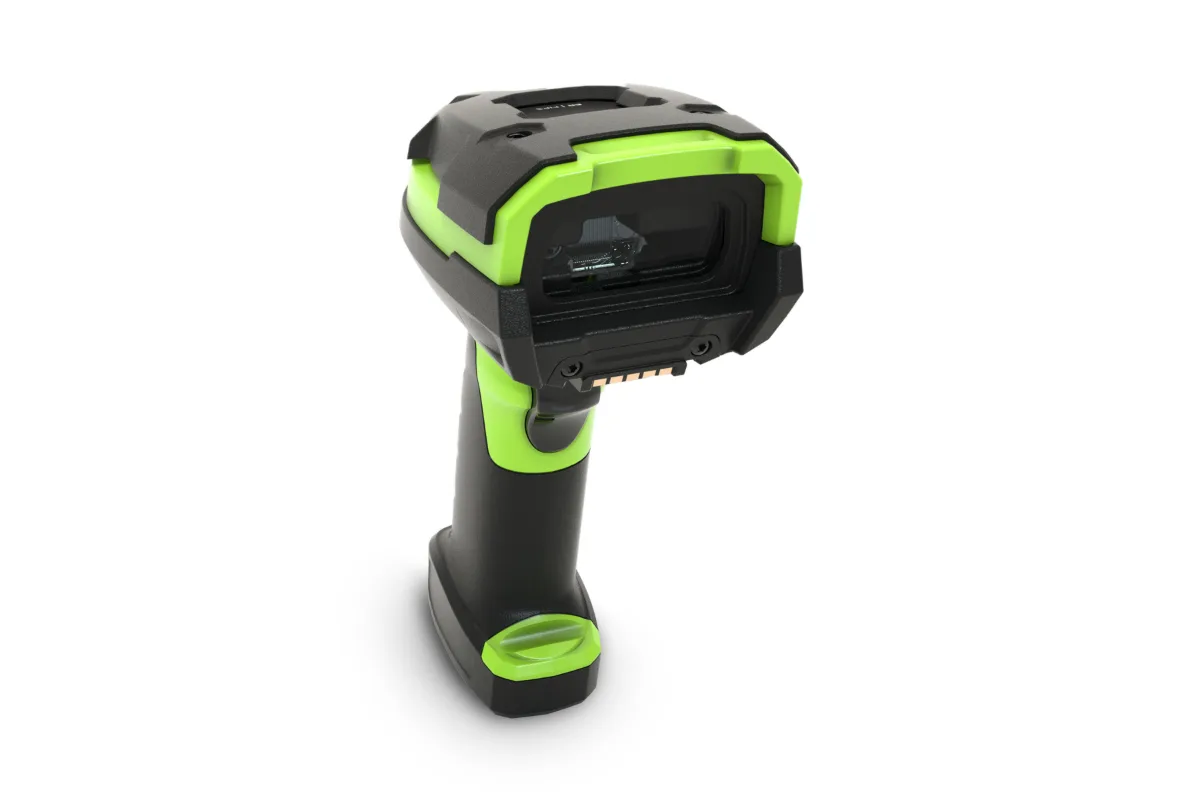
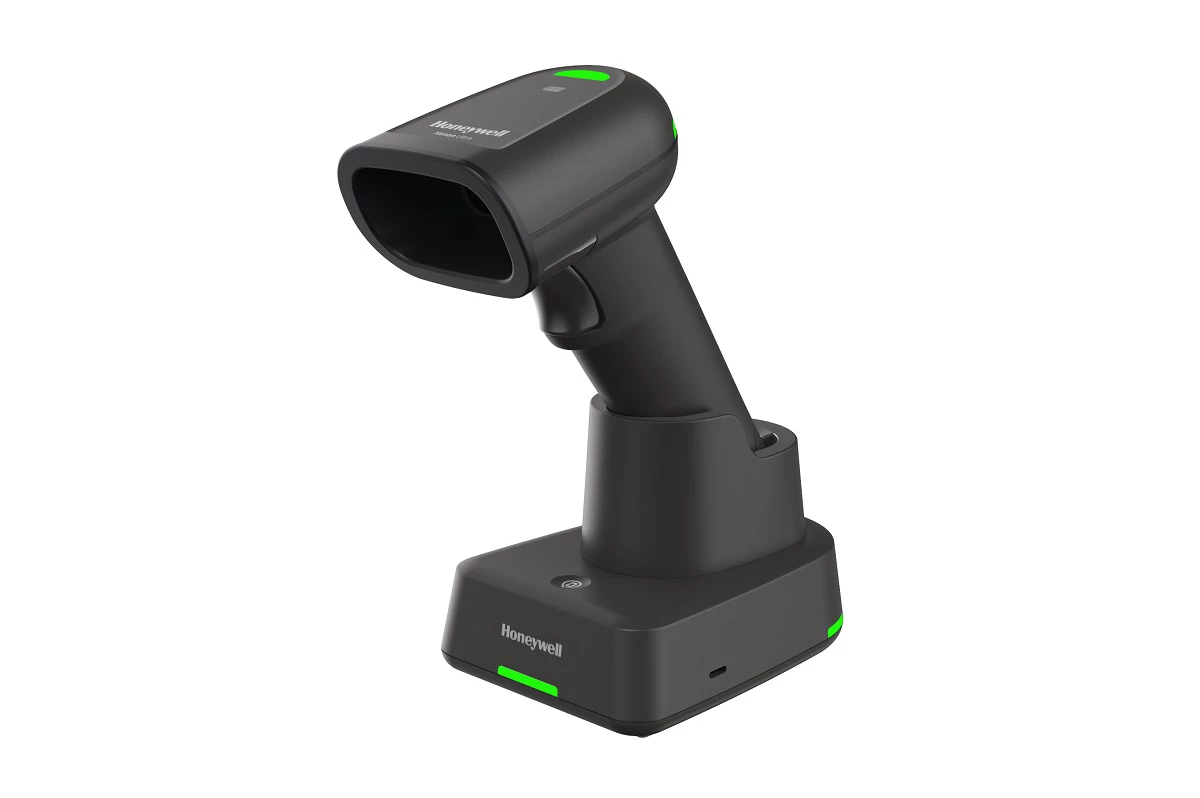
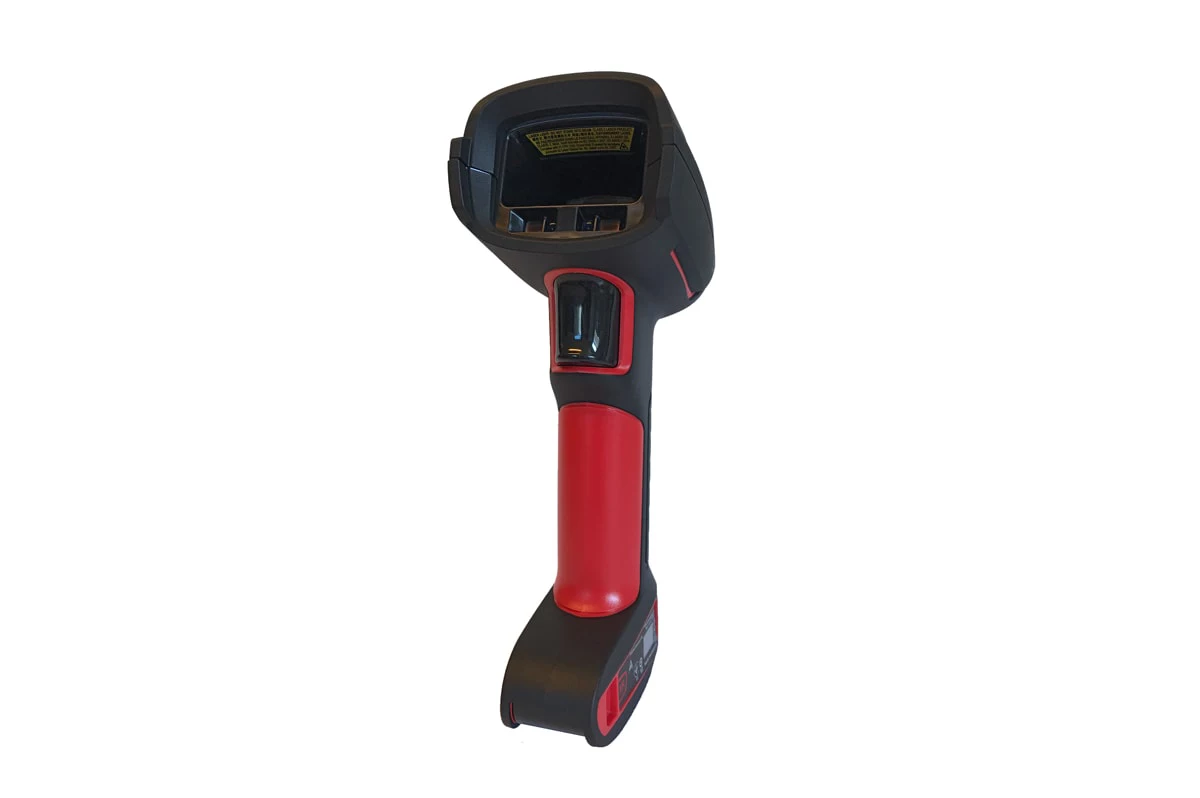
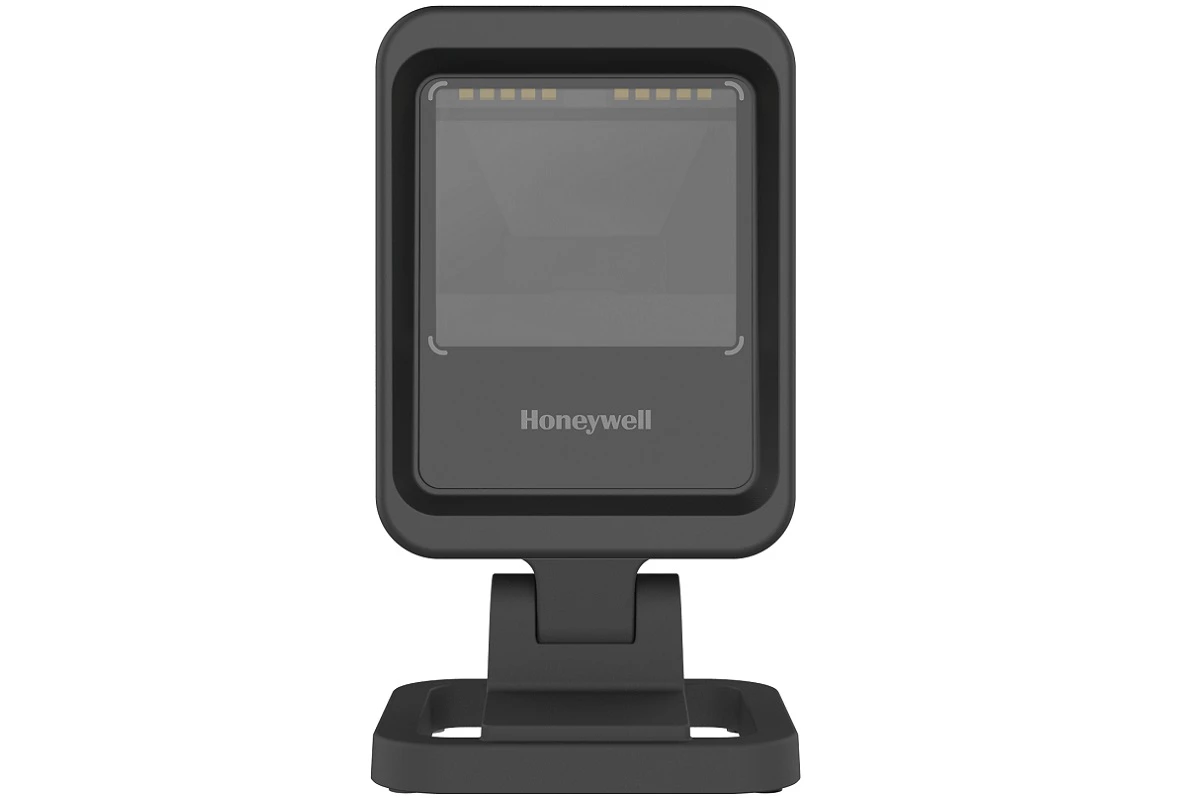
When a barcode scanner is the right answer

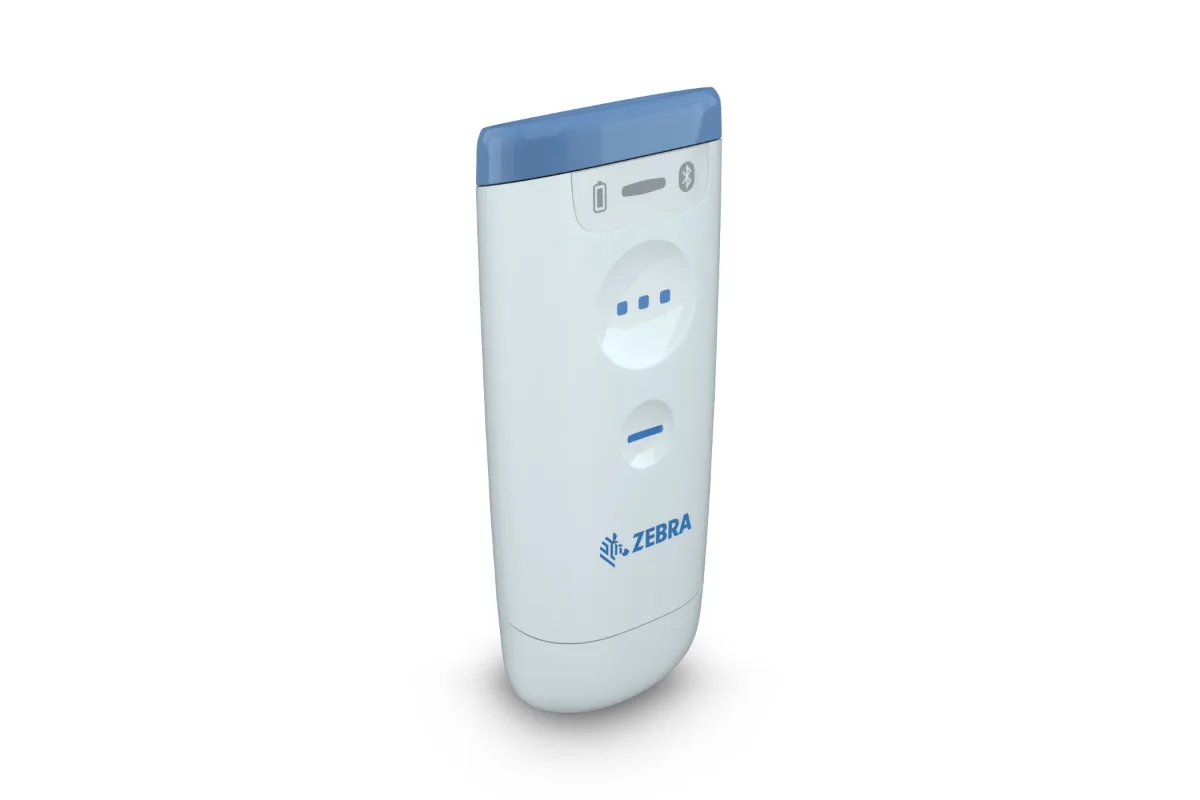
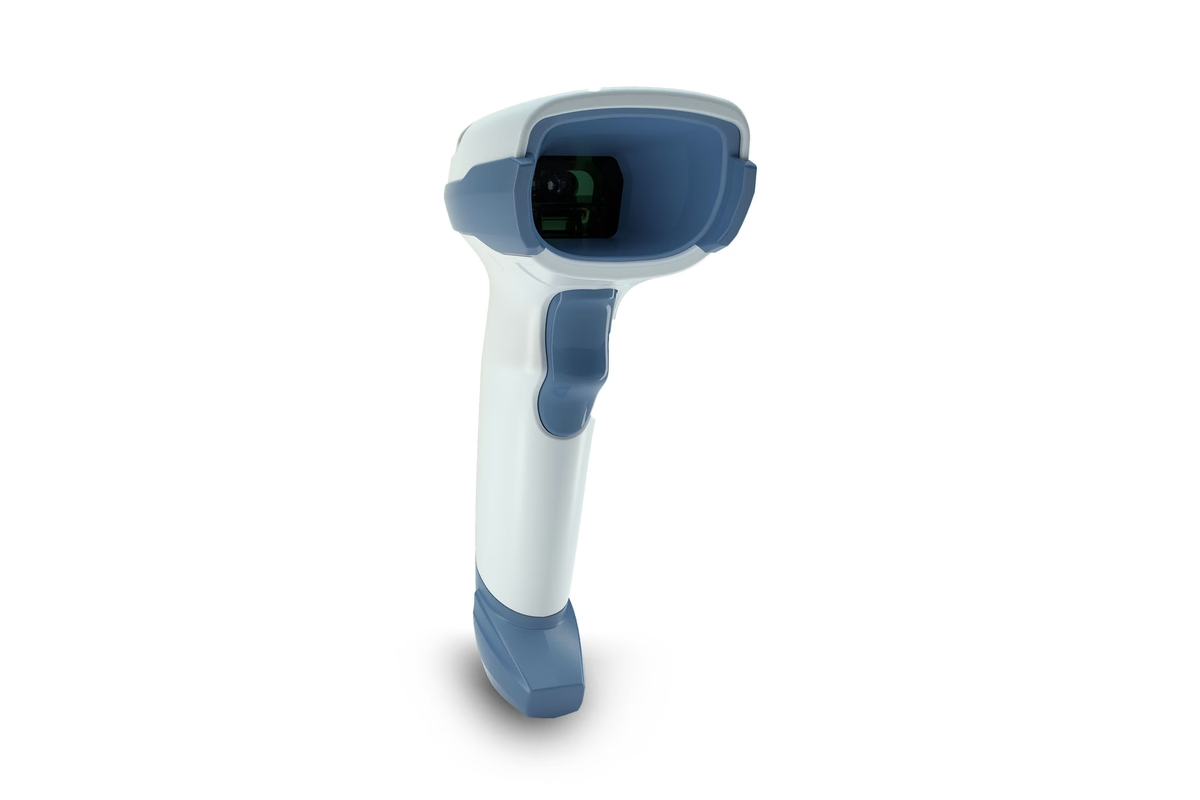
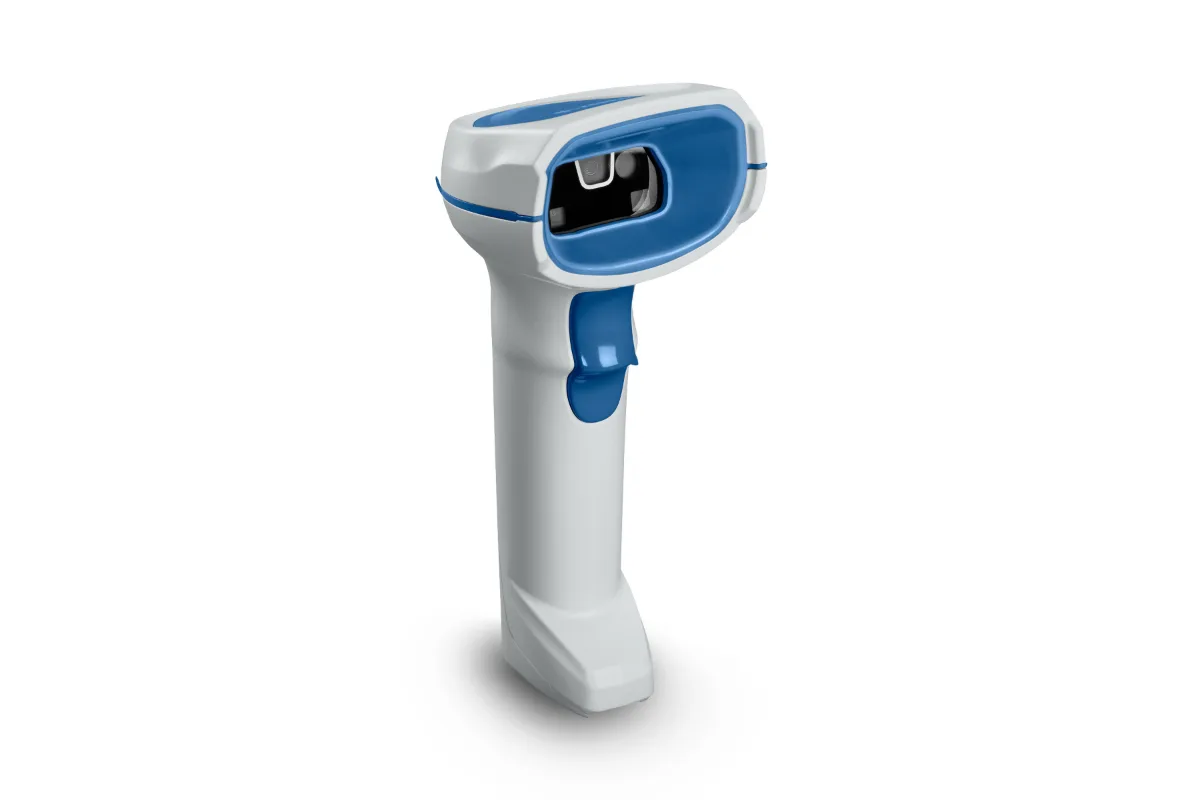
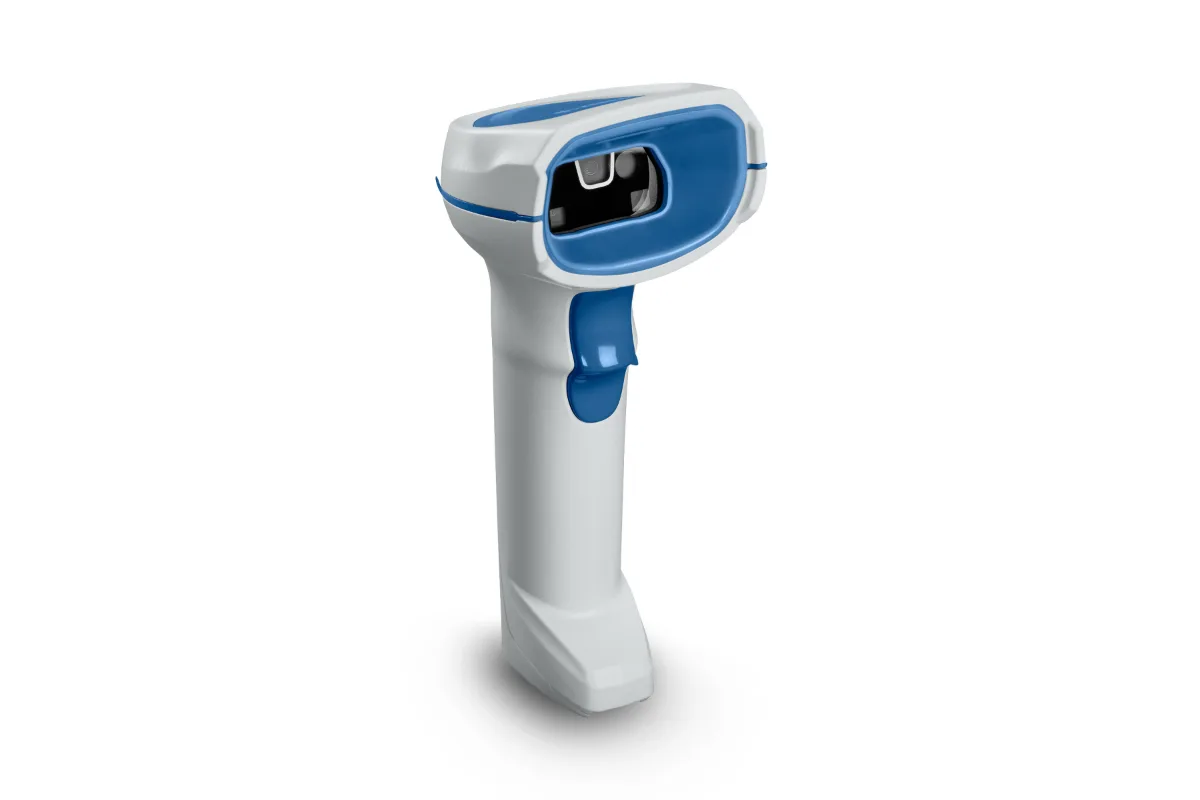
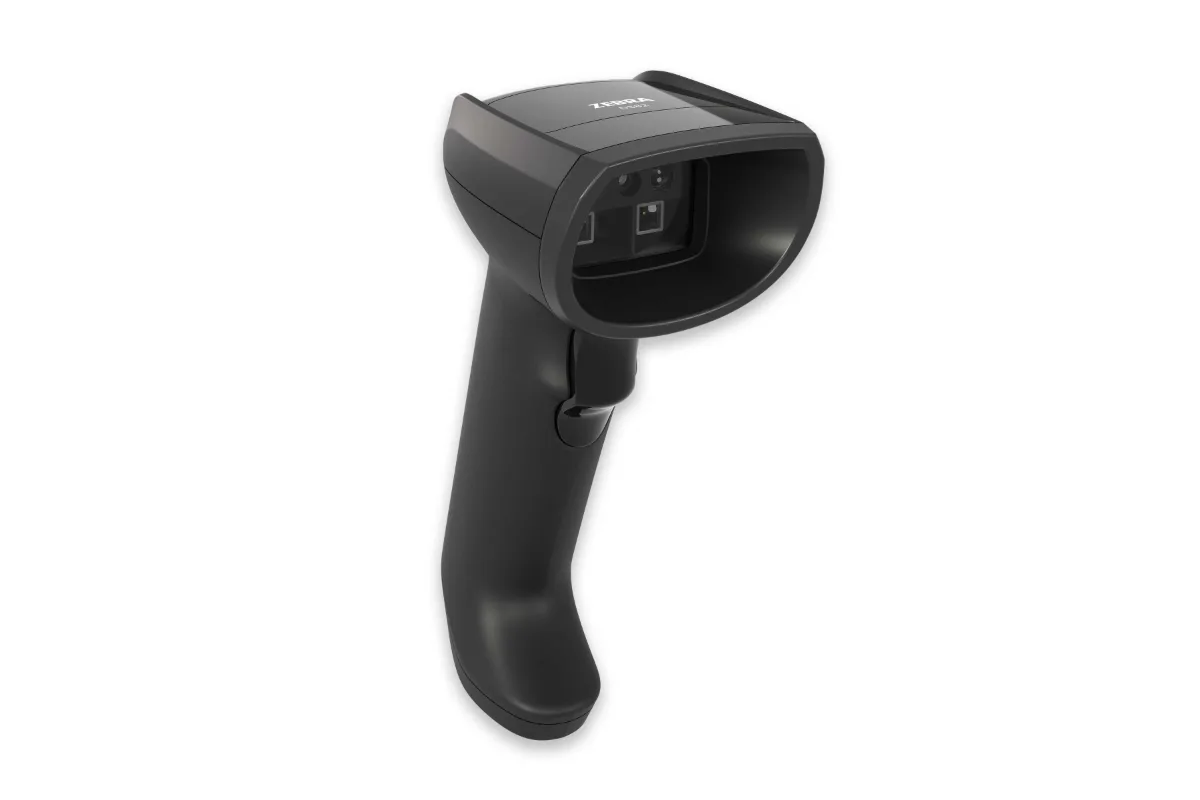
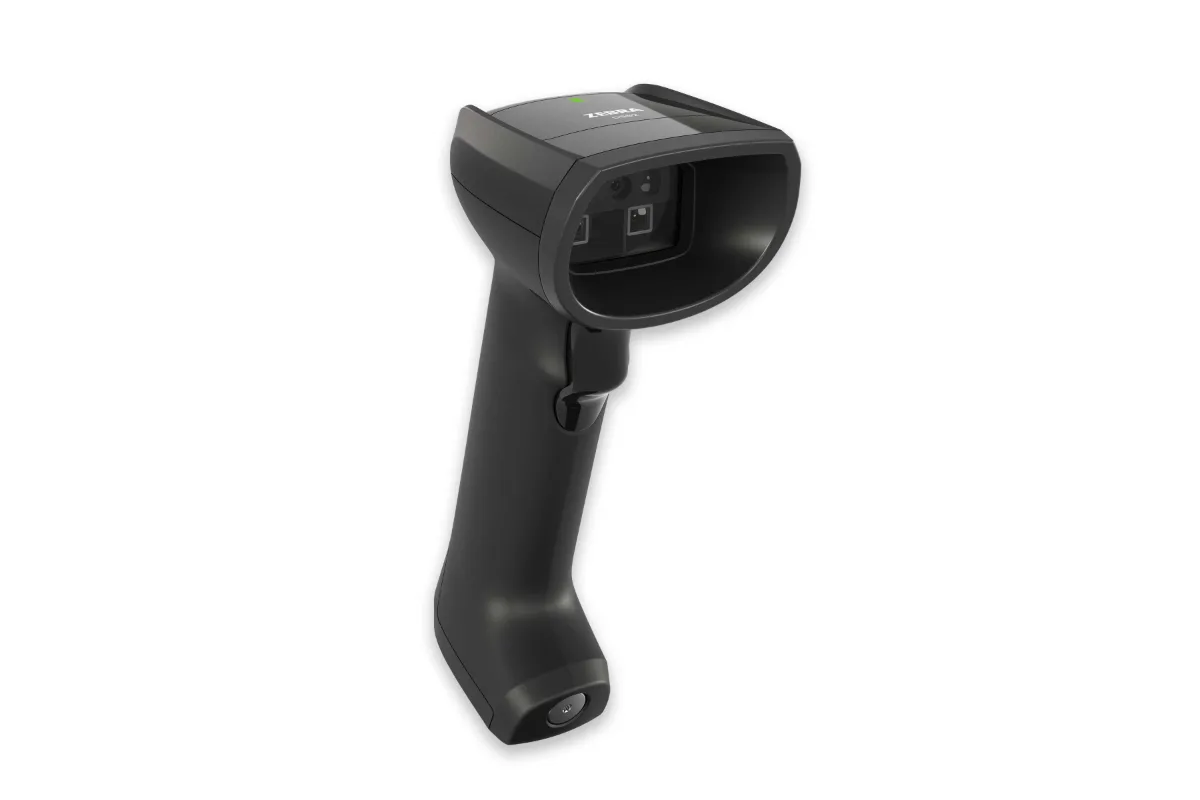
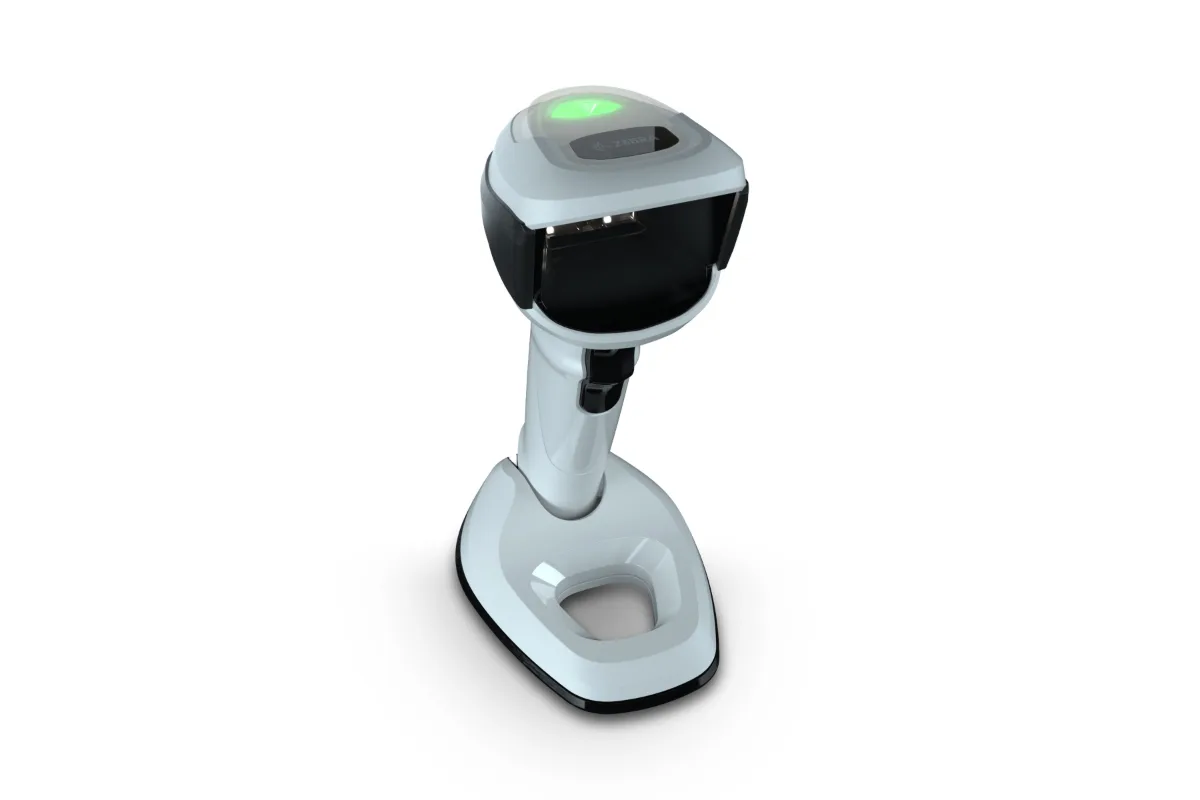
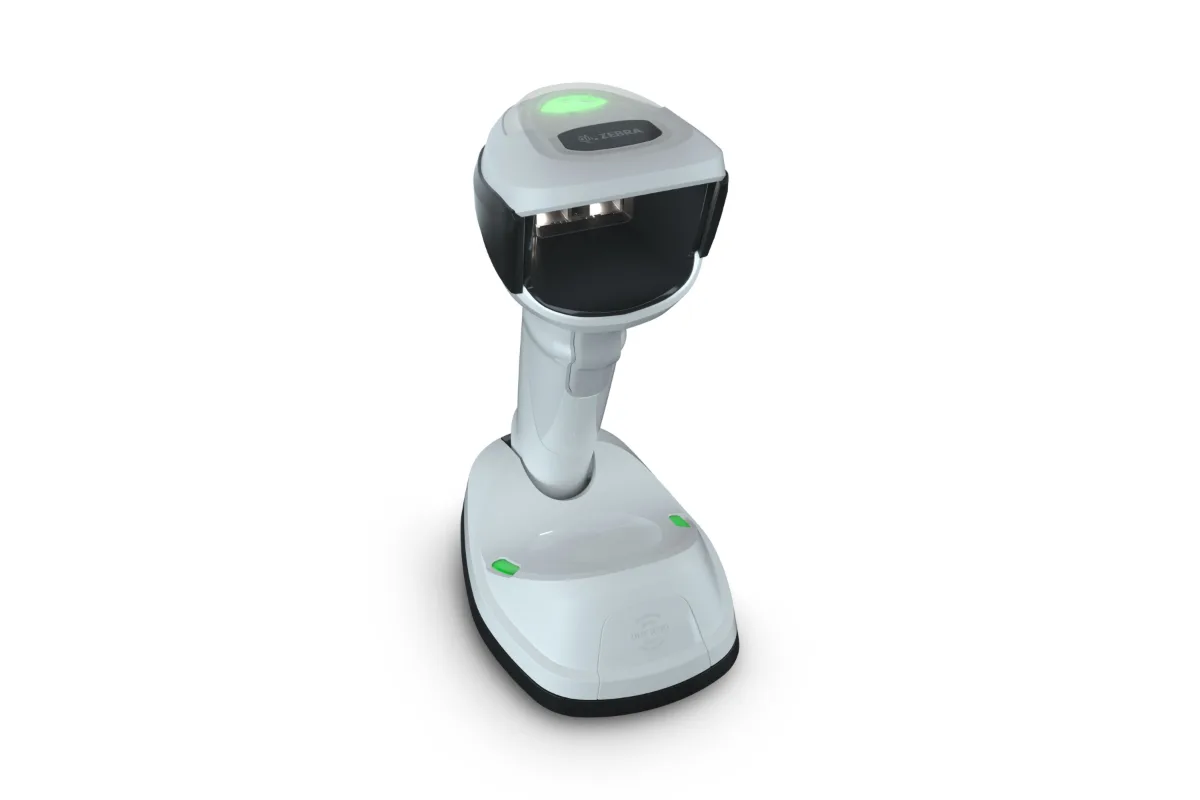
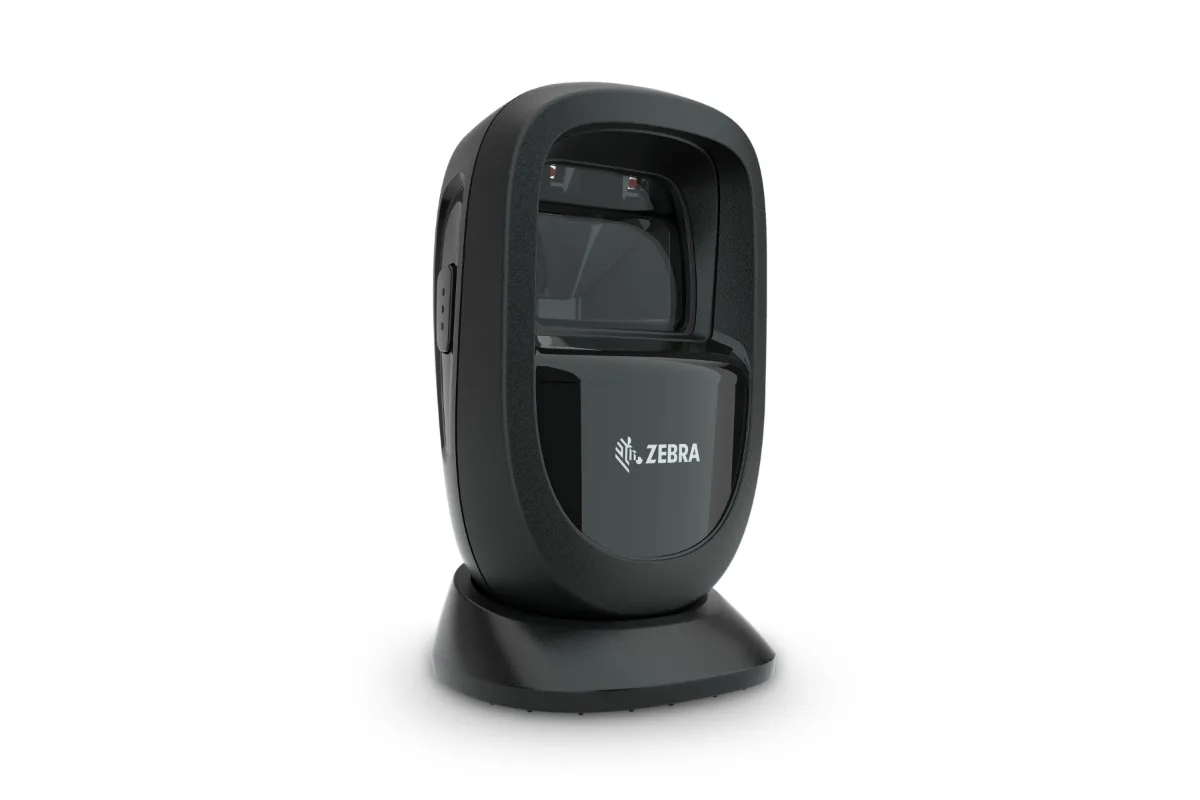
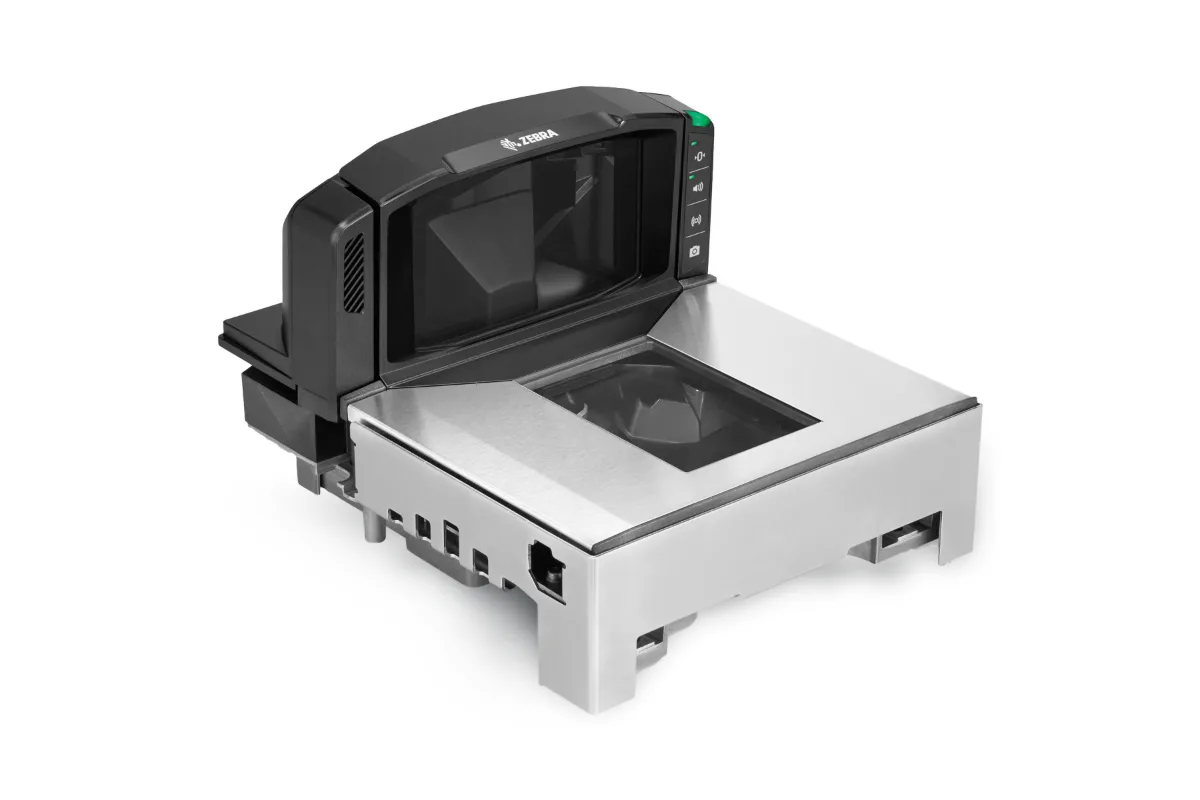
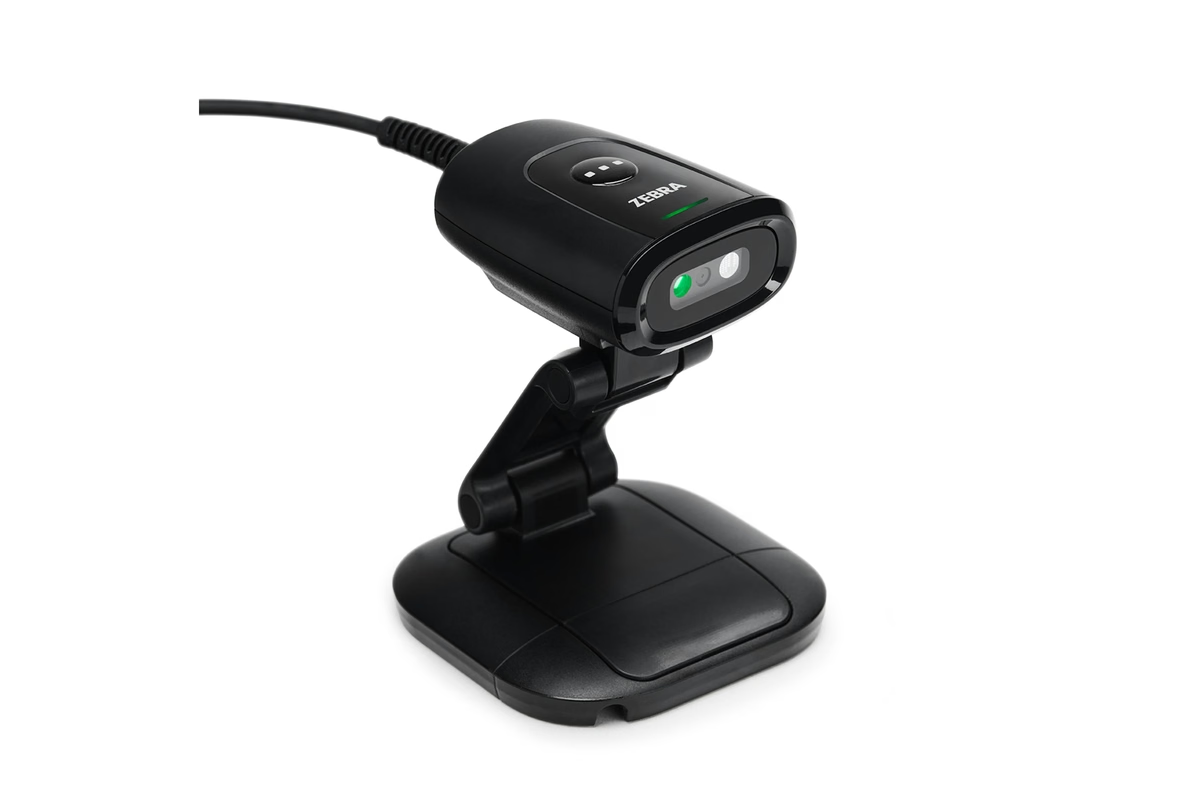
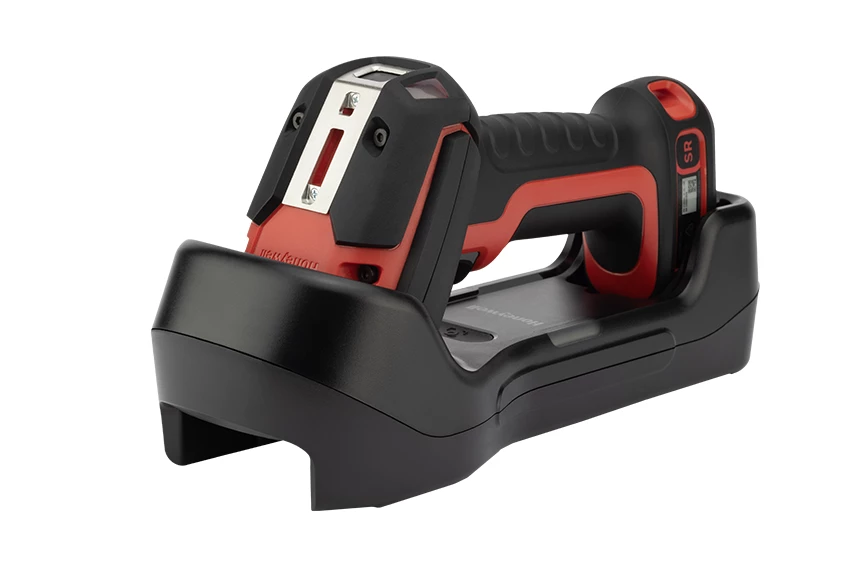
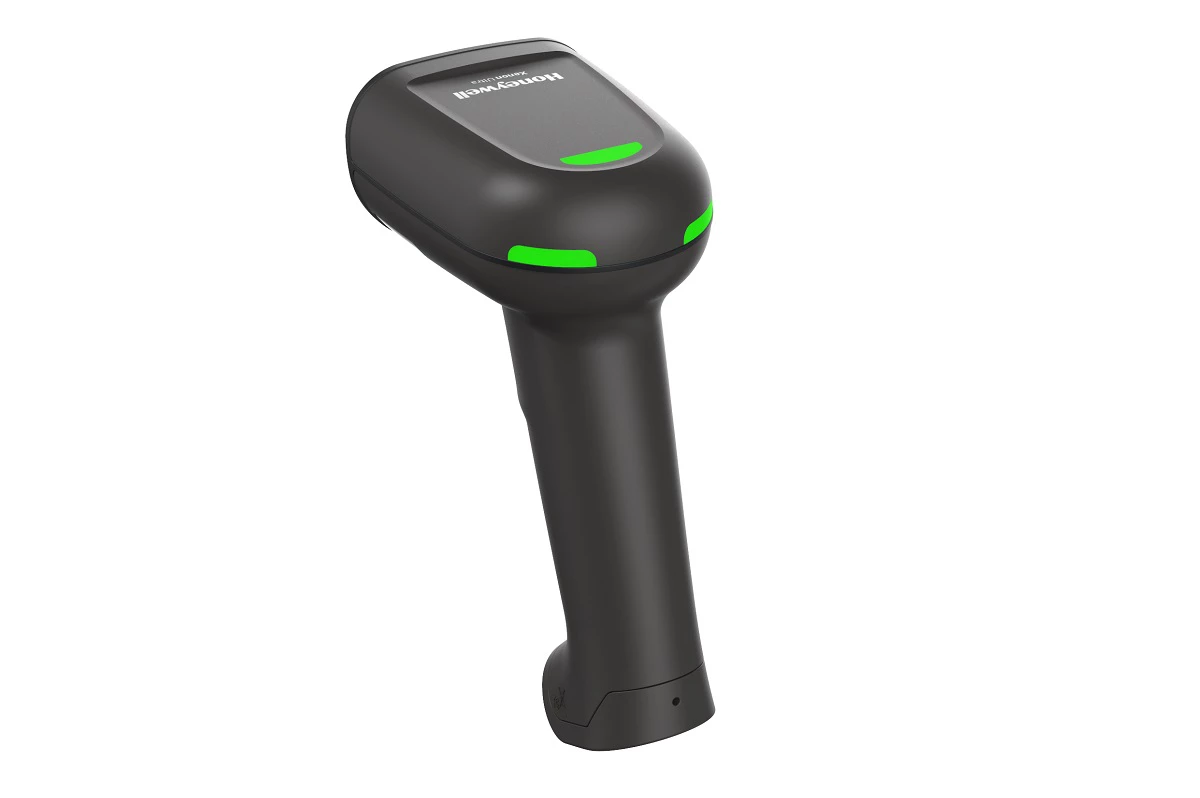
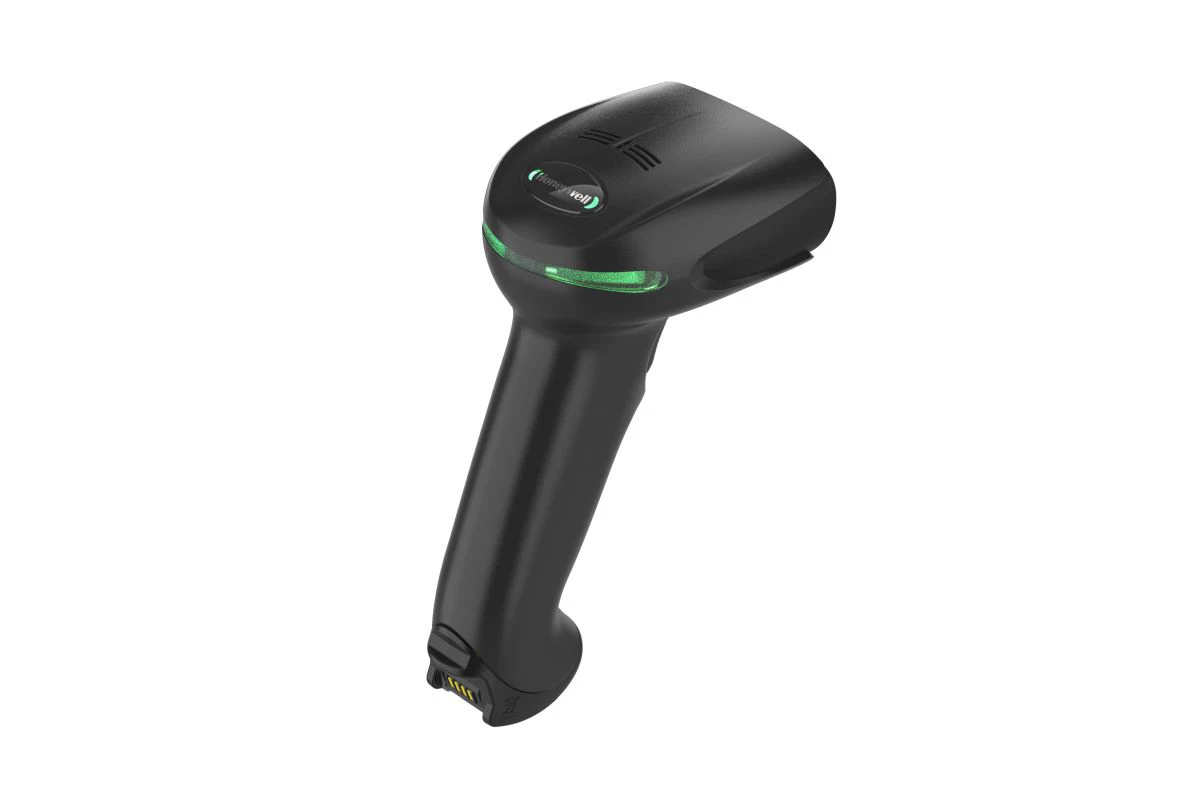
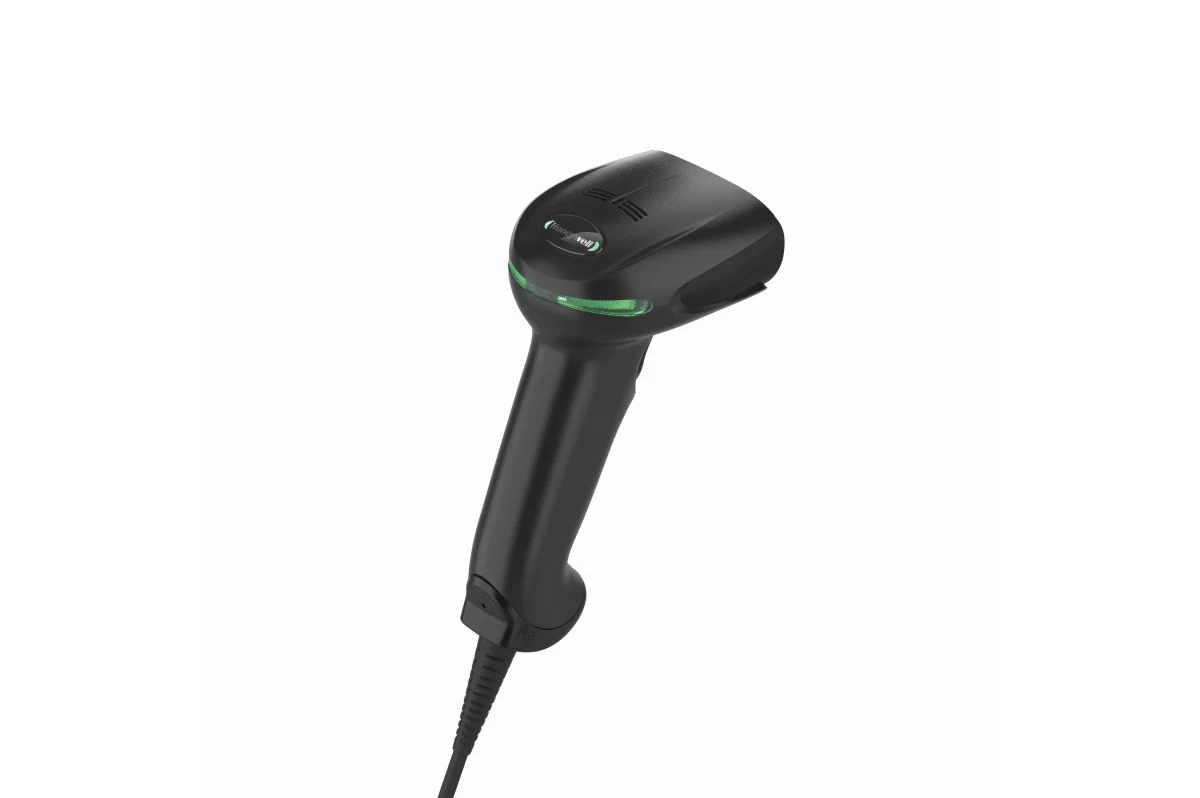
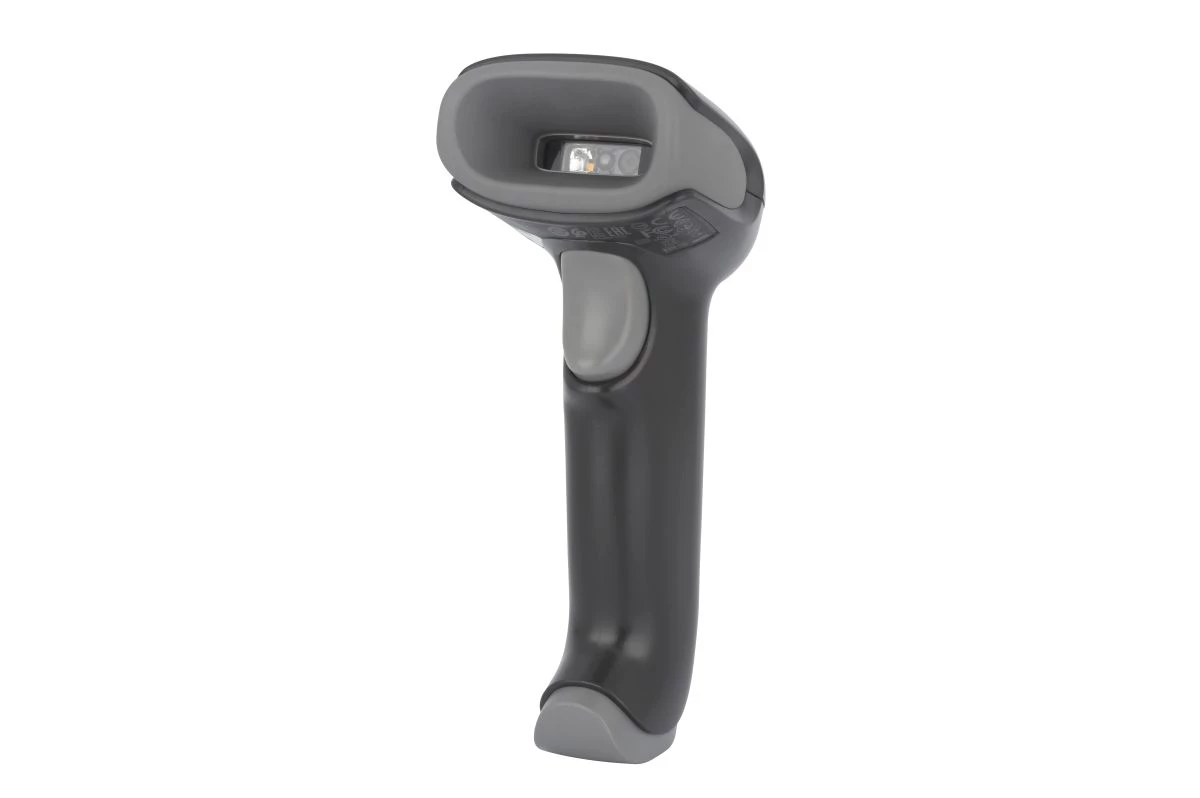
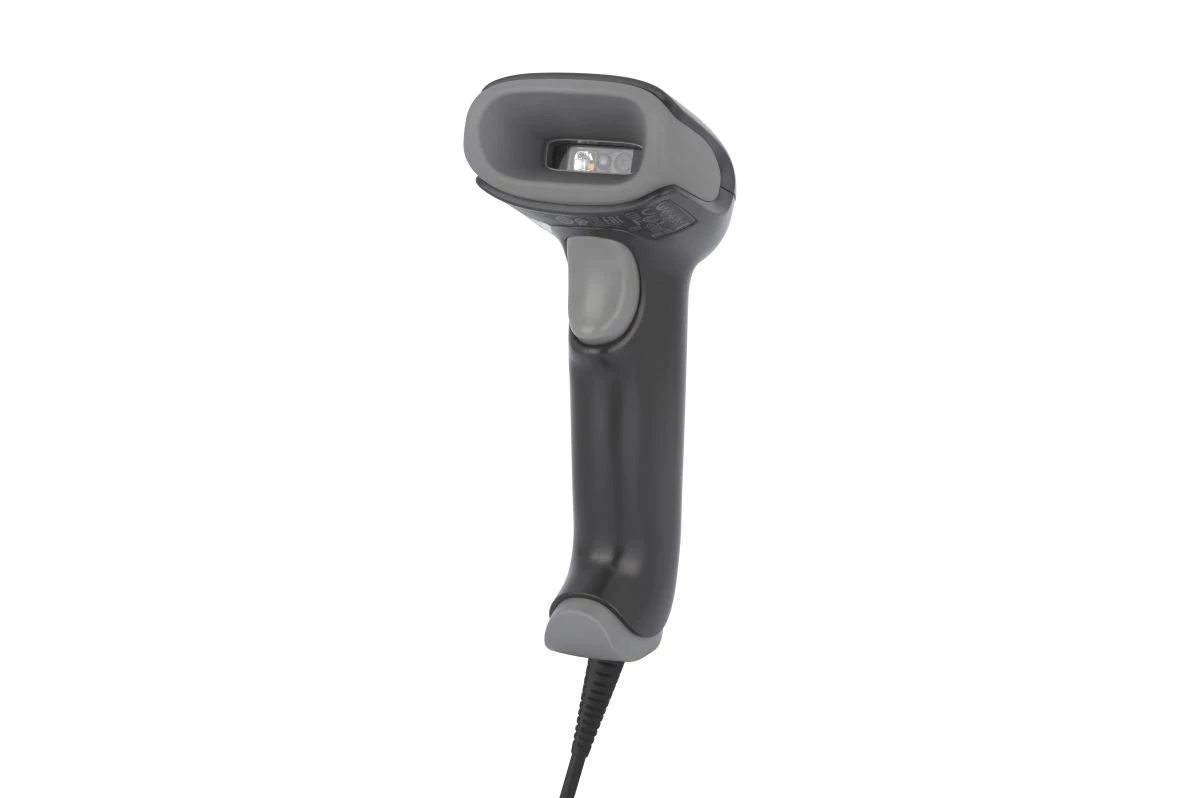
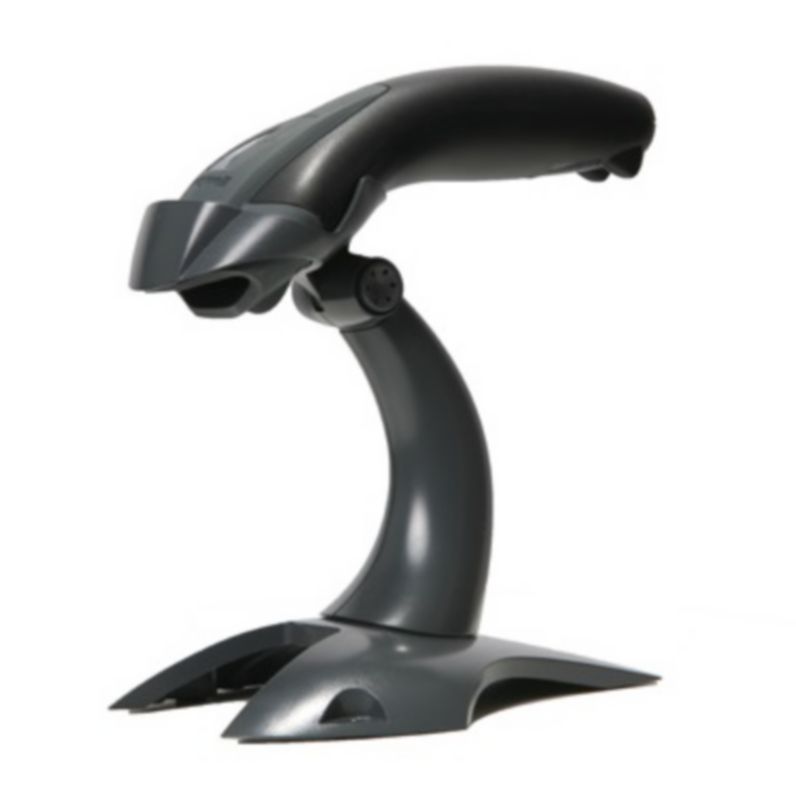
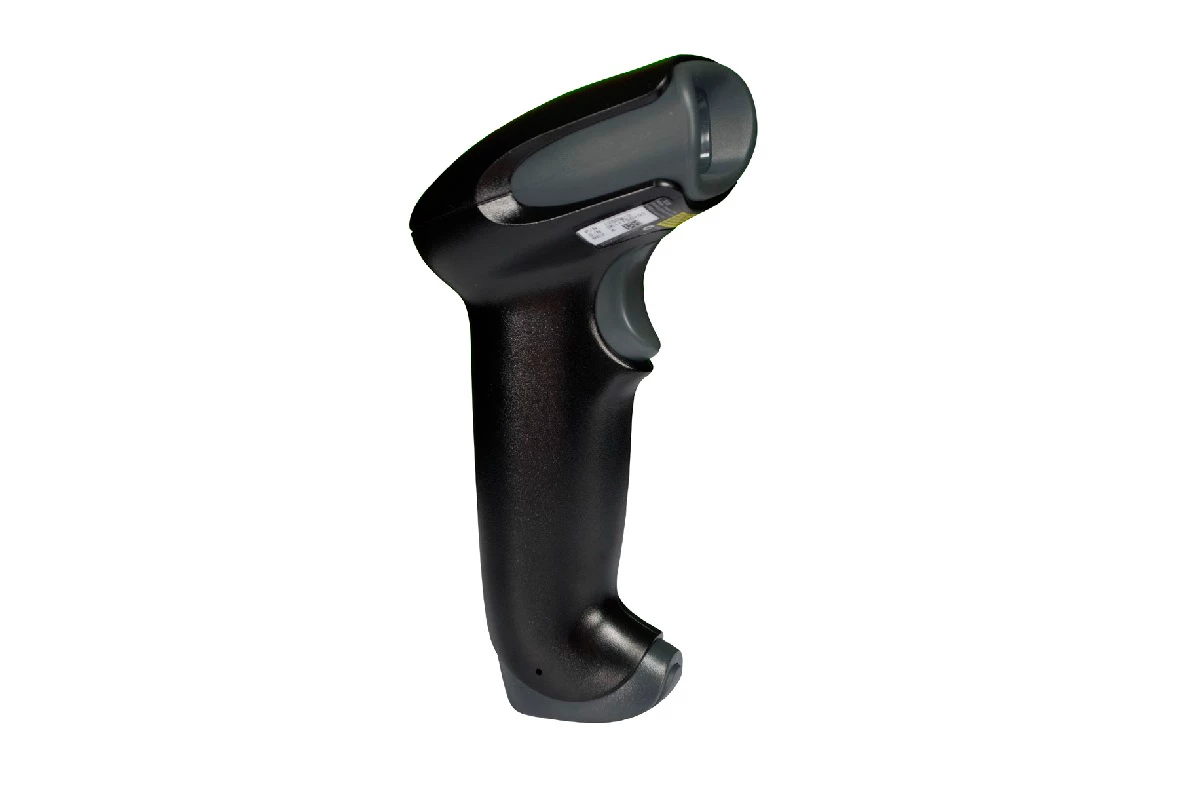
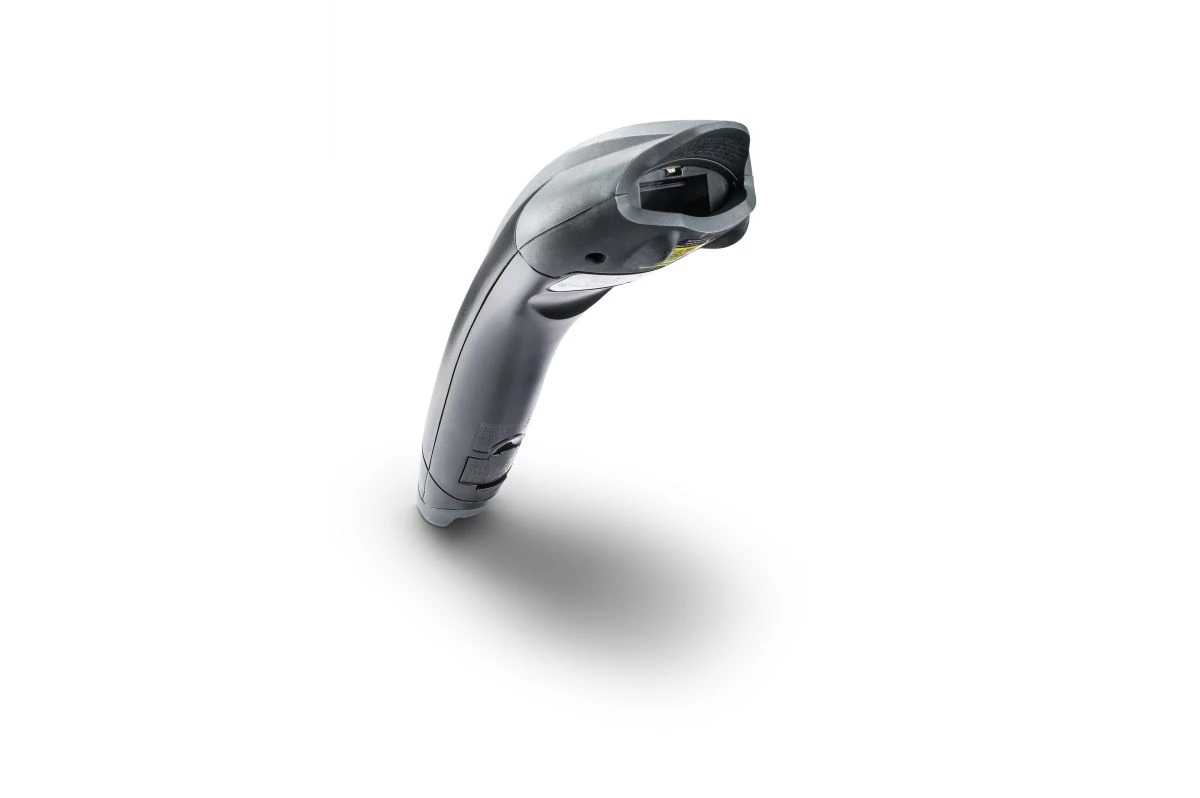
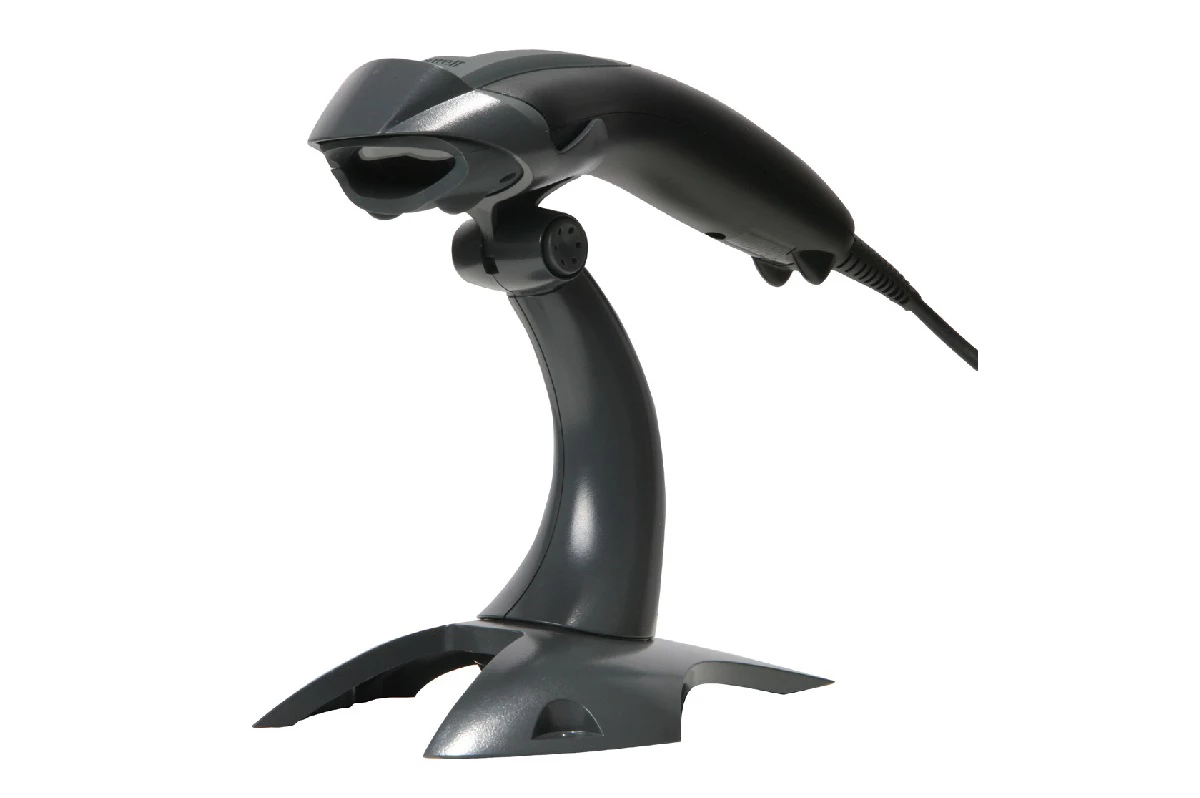
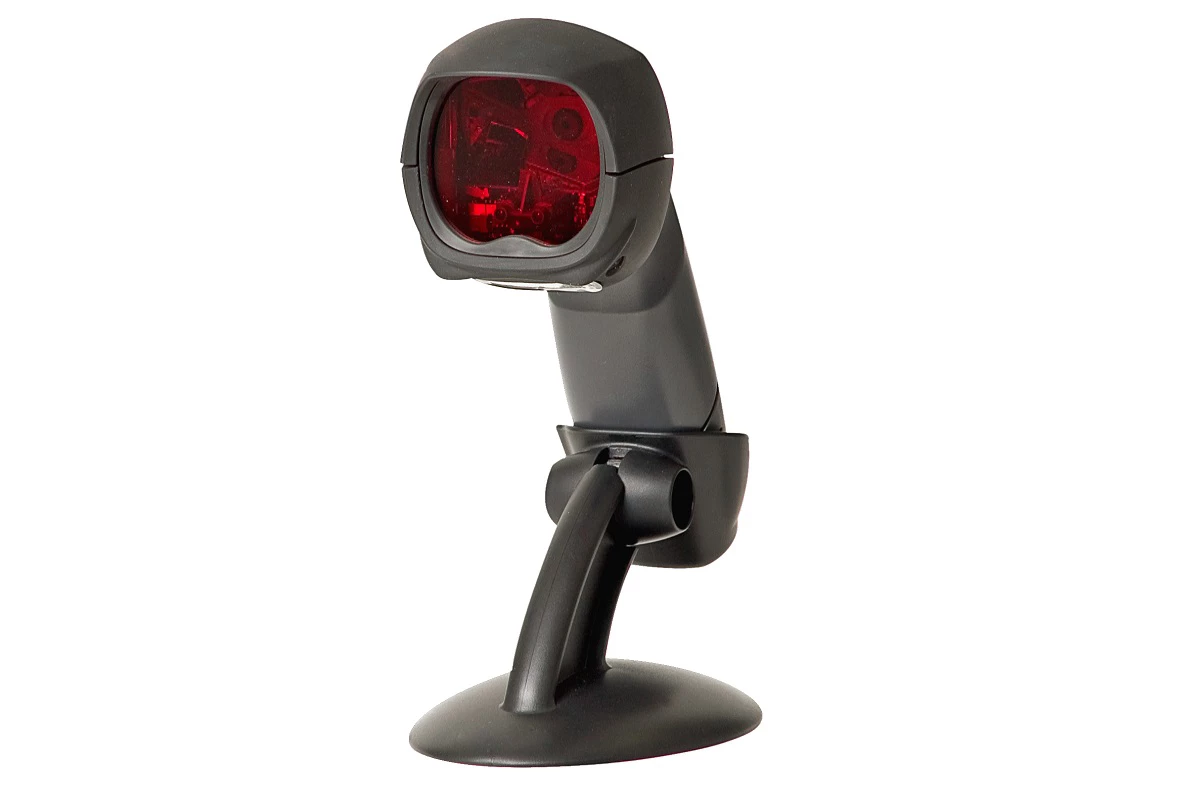
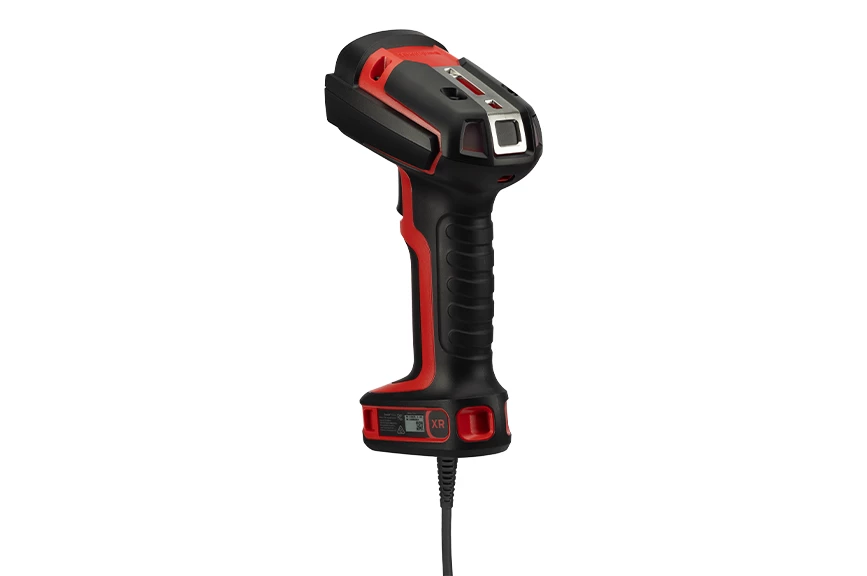
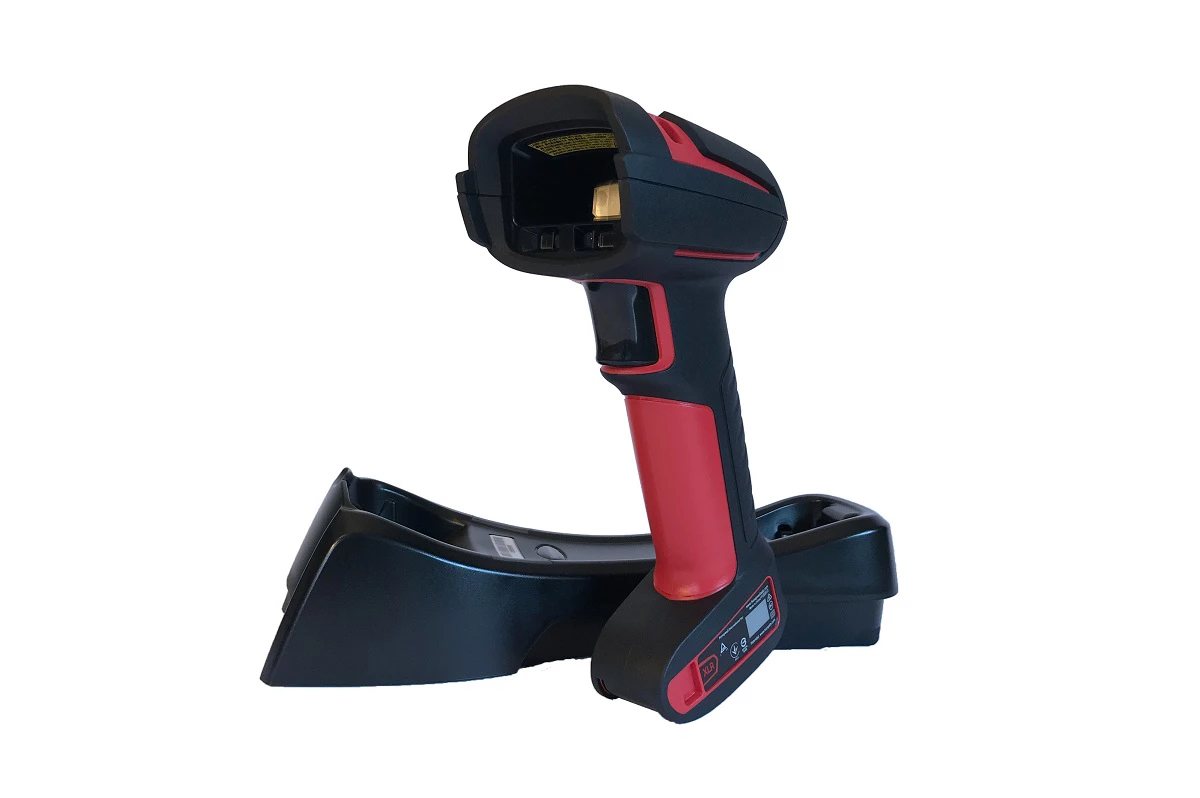
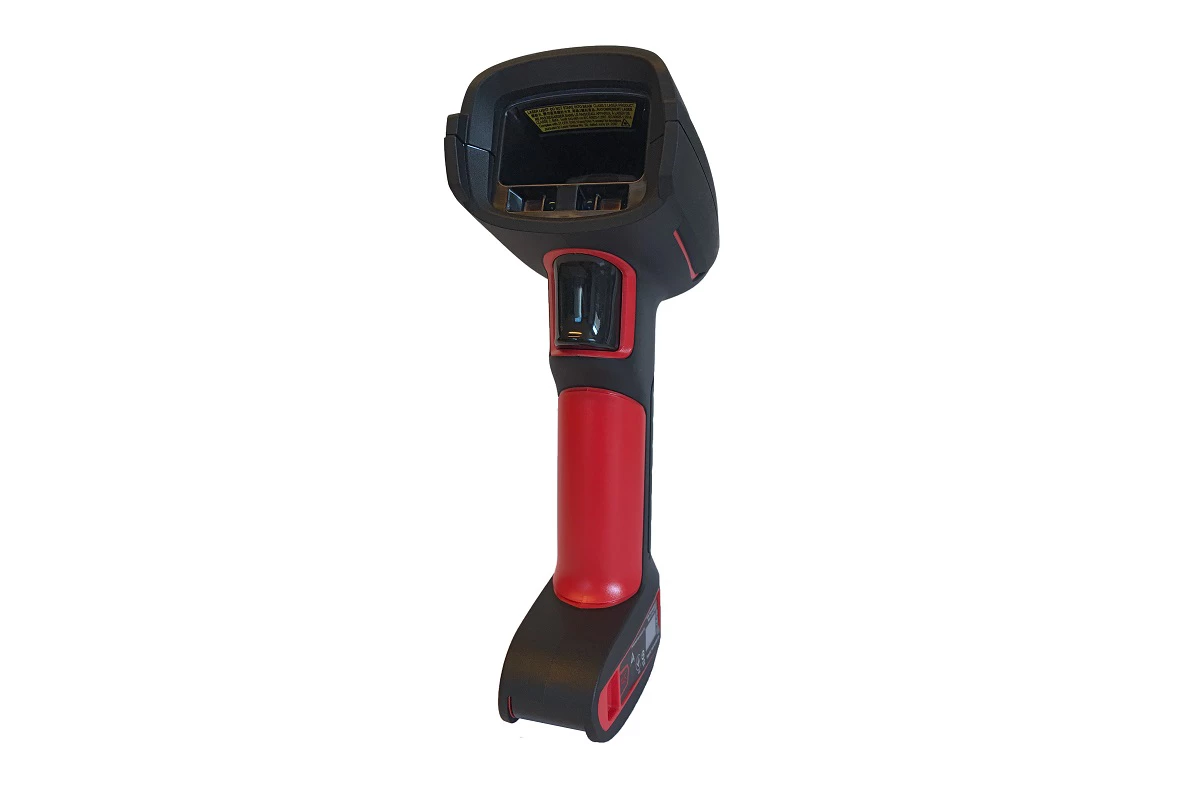
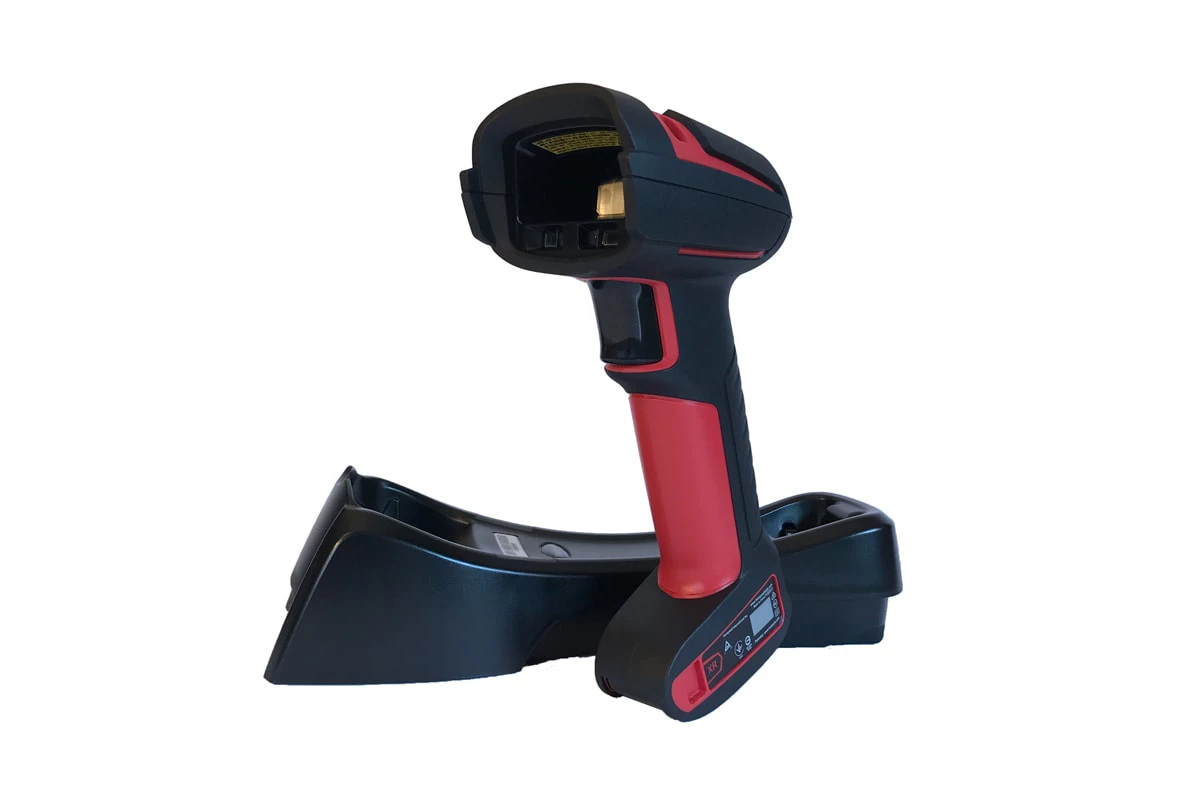
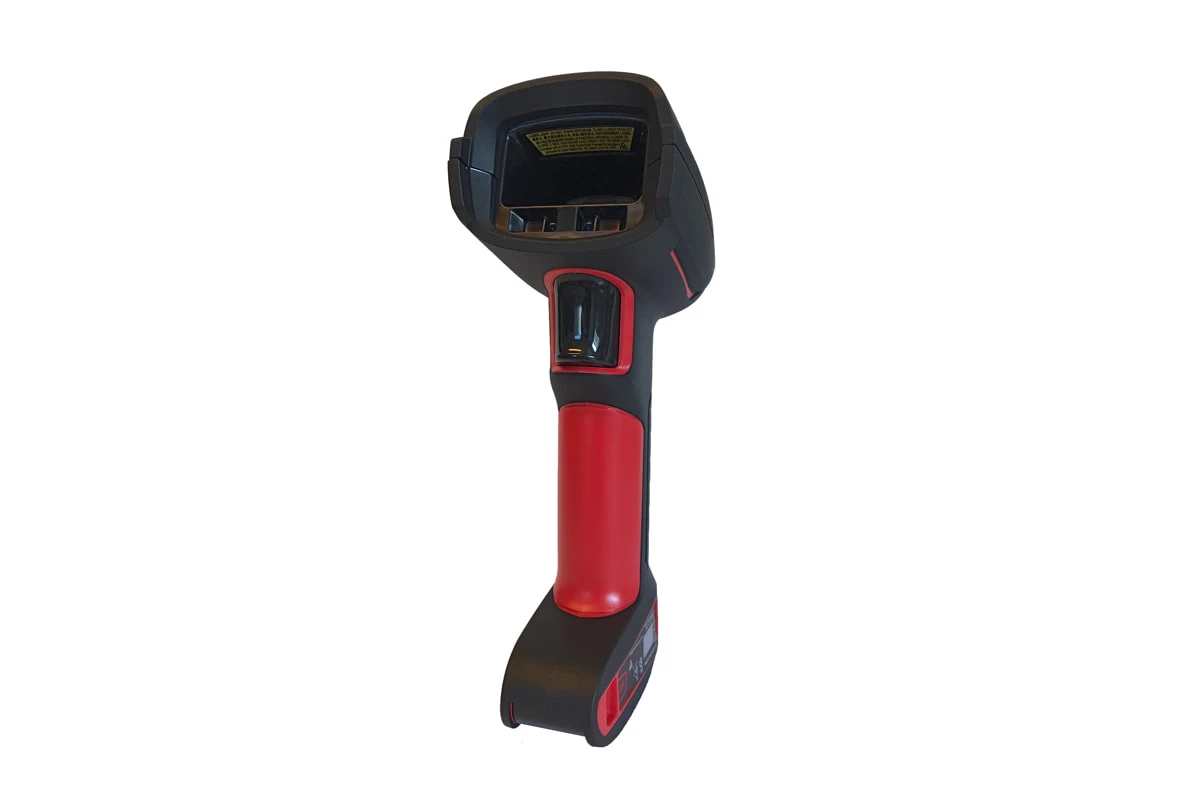
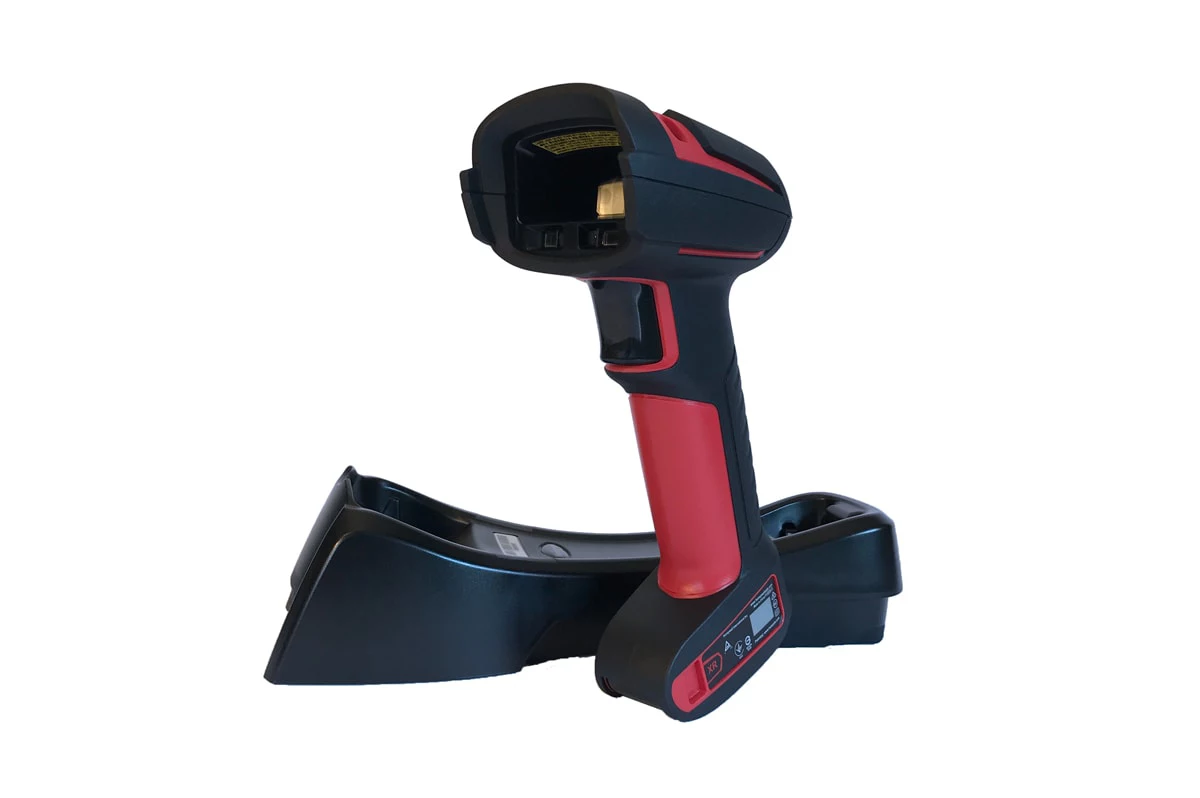
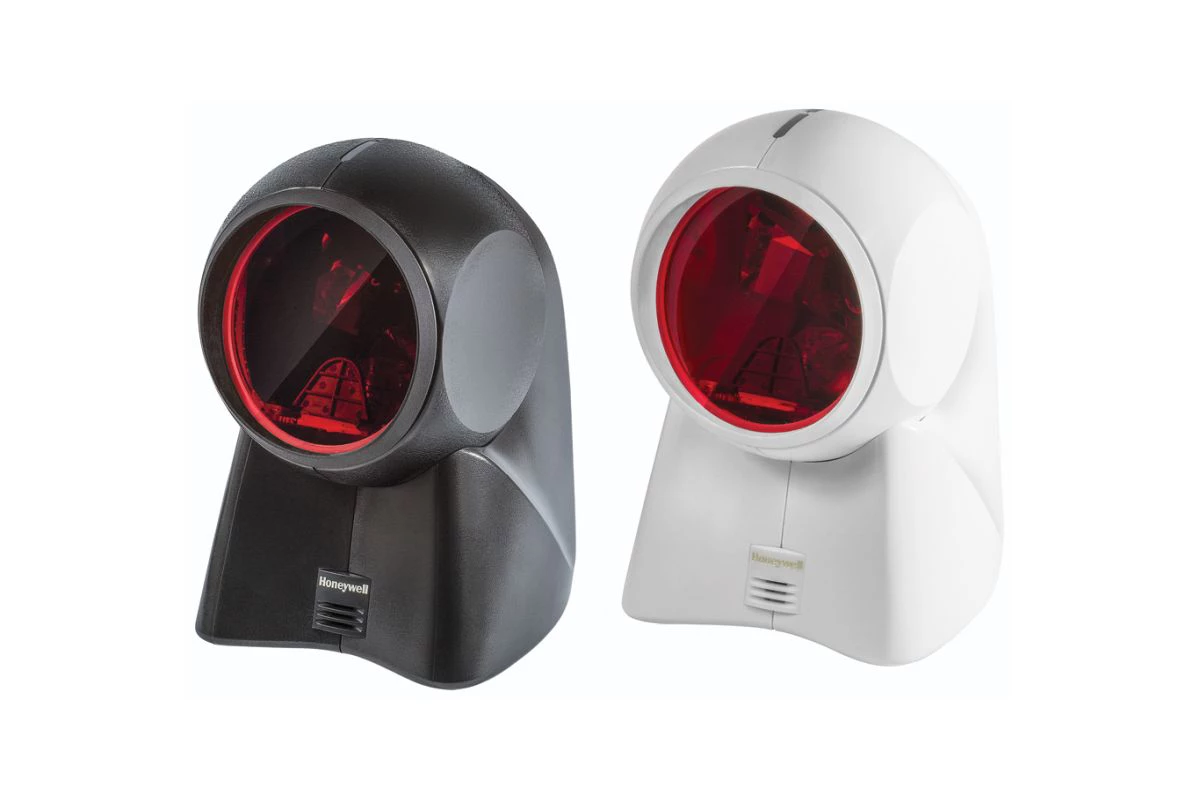
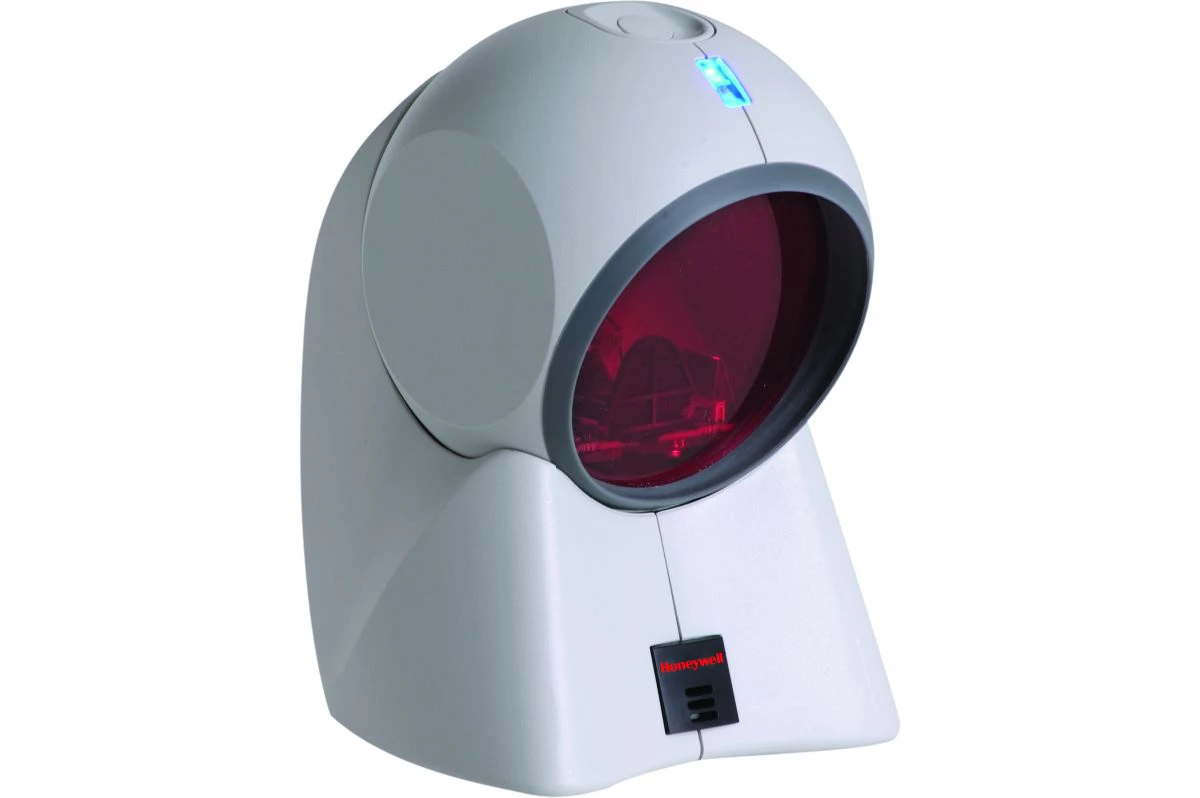
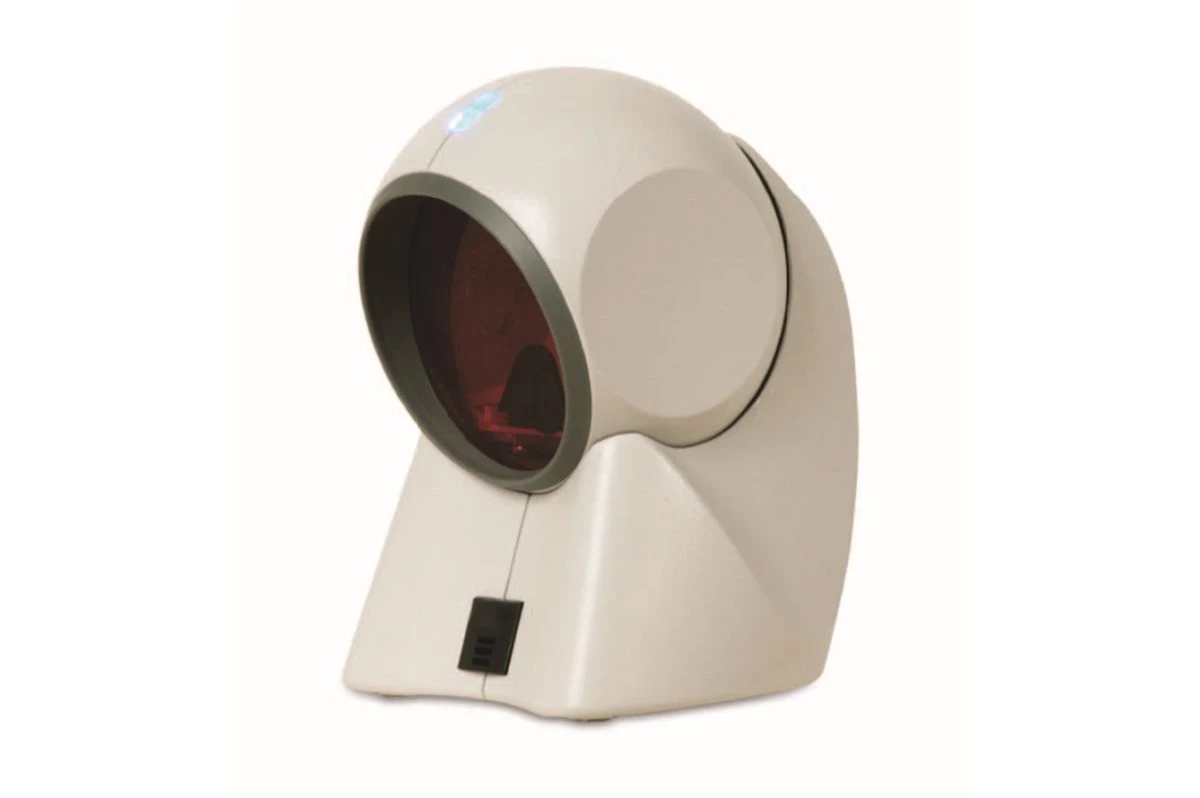
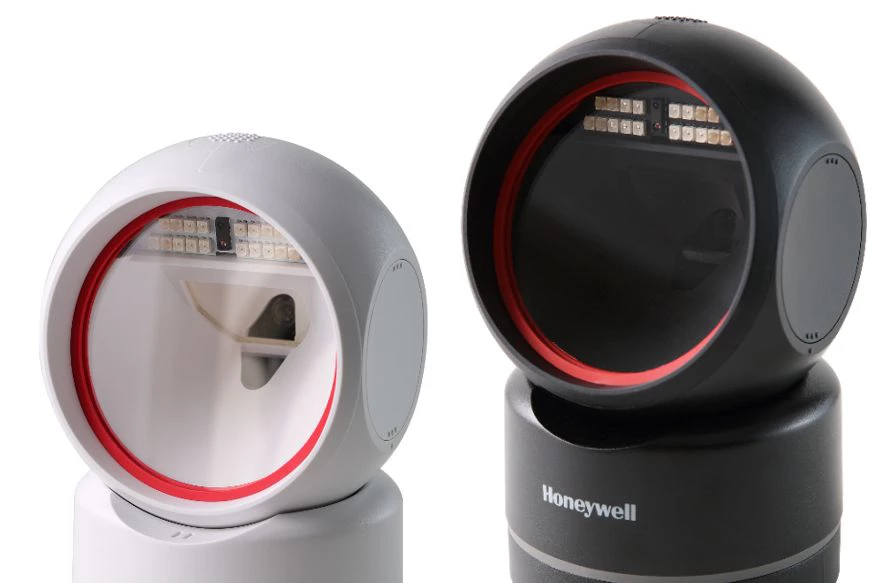
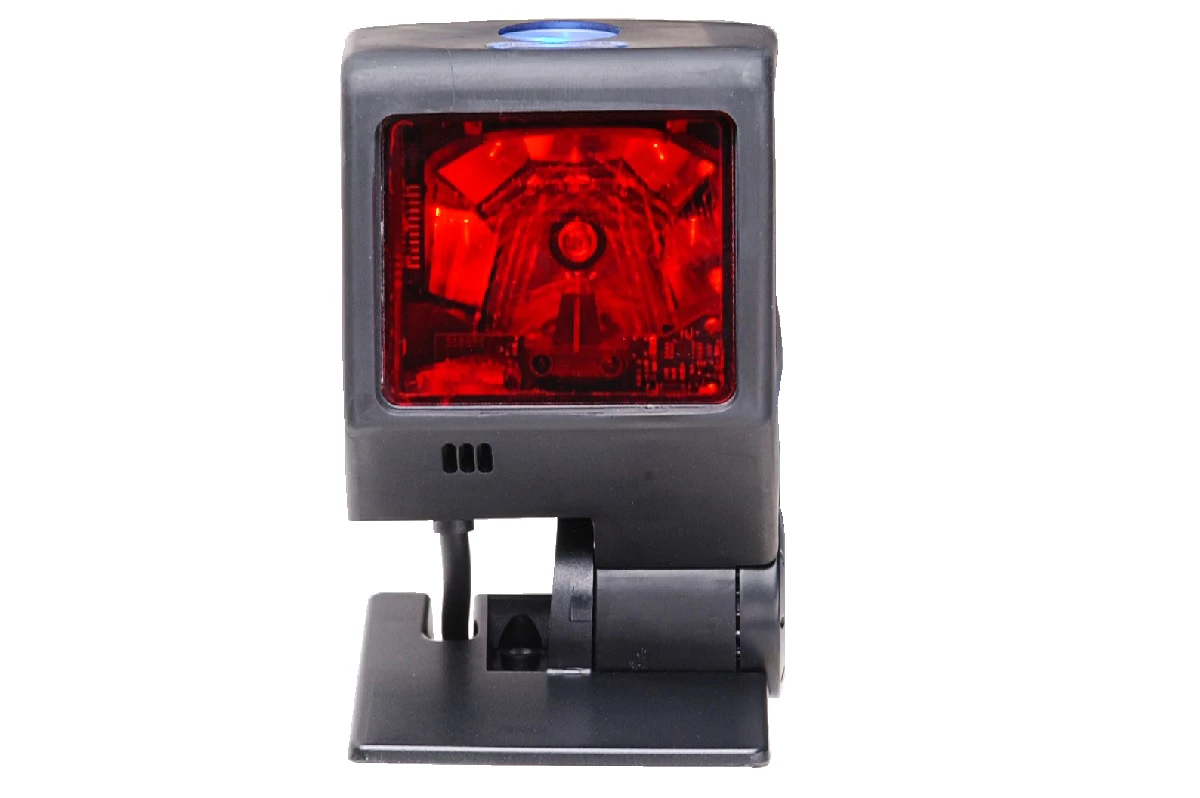
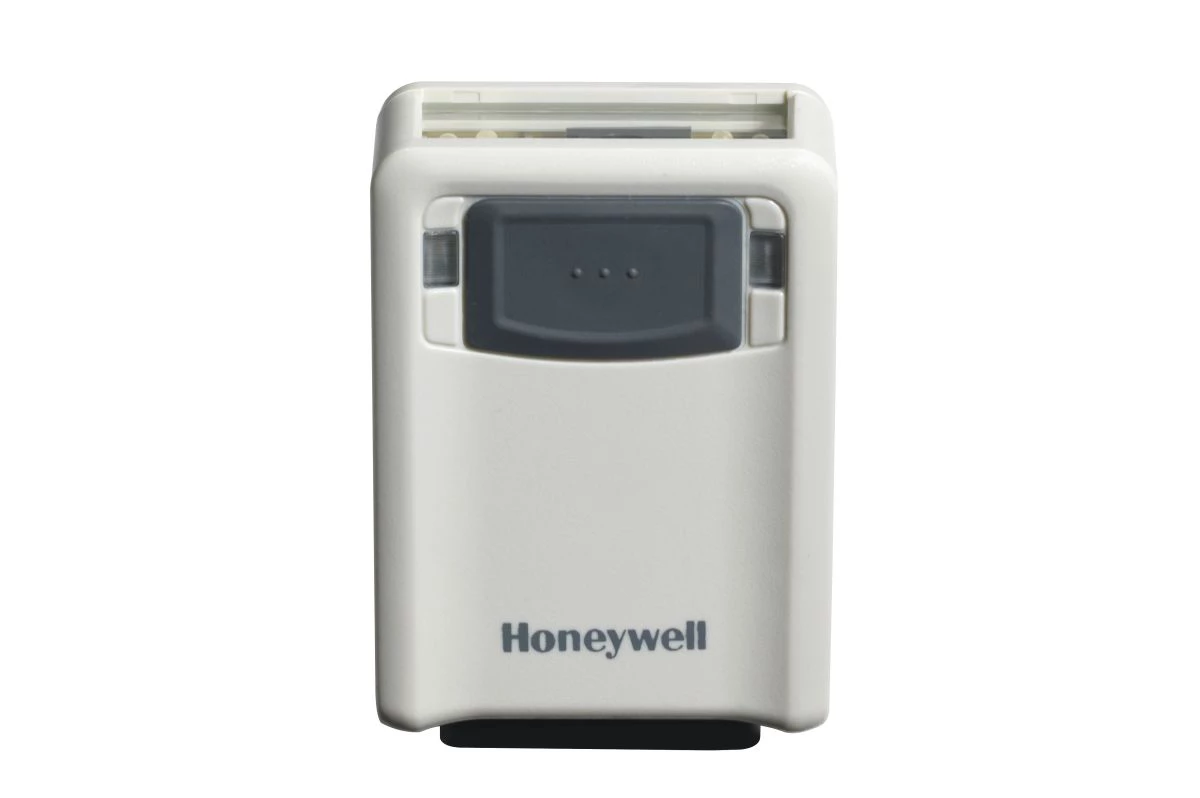
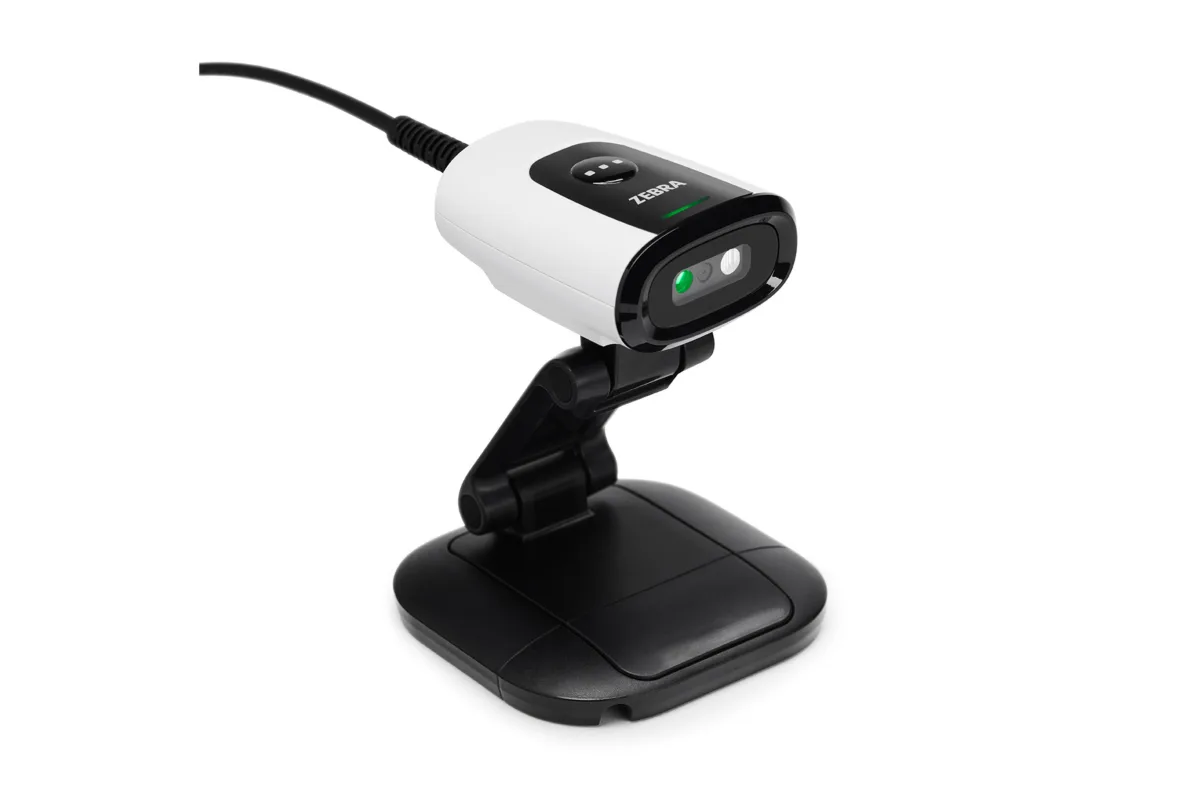
When the host system is already in front of the operator. A scanner is an input device: it reads the code and hands the characters to whatever has focus, which makes it the cheaper and simpler choice at a packing bench, a receiving desk or a till. Ask where the screen is. If the operator is standing at one, a scanner is usually enough.

  • Cheapest route to reliable data capture at a fixed station
  • Corded or Bluetooth, 1D and 2D, standard or long range
  • No device management, no application, no battery estate
03

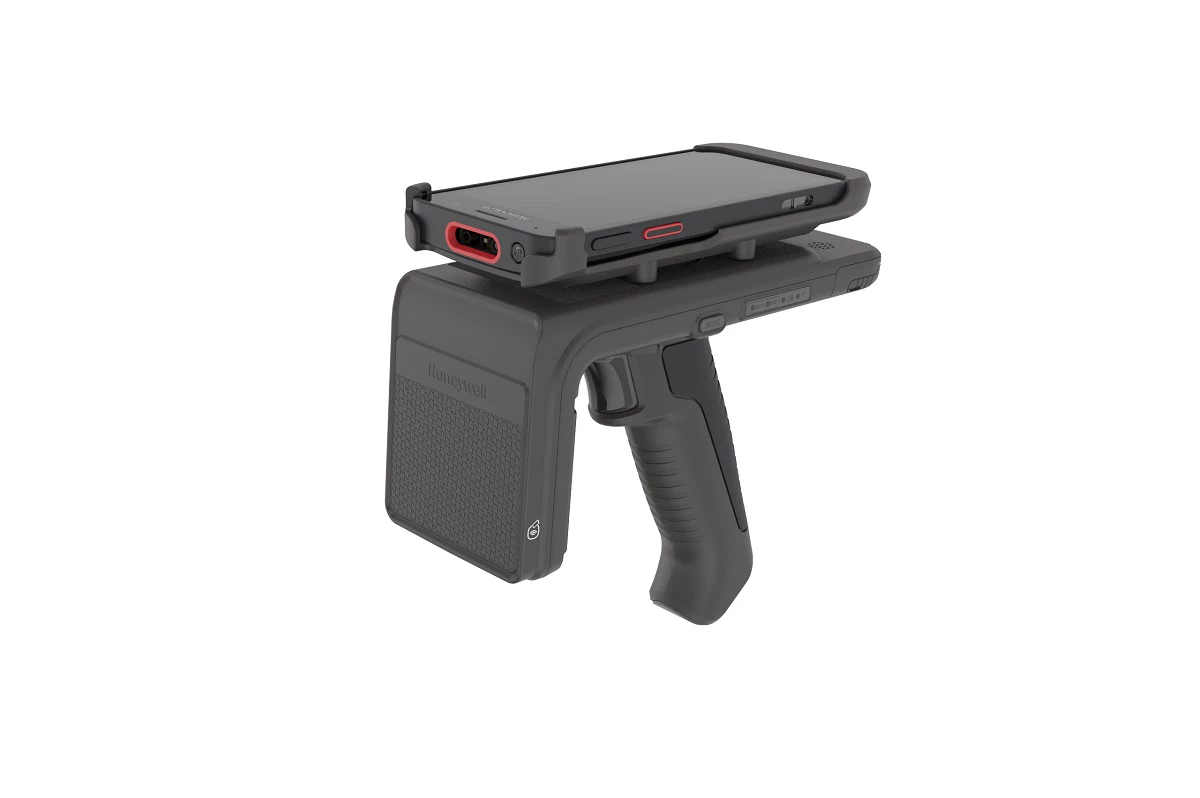
What RFID reads that a barcode will not

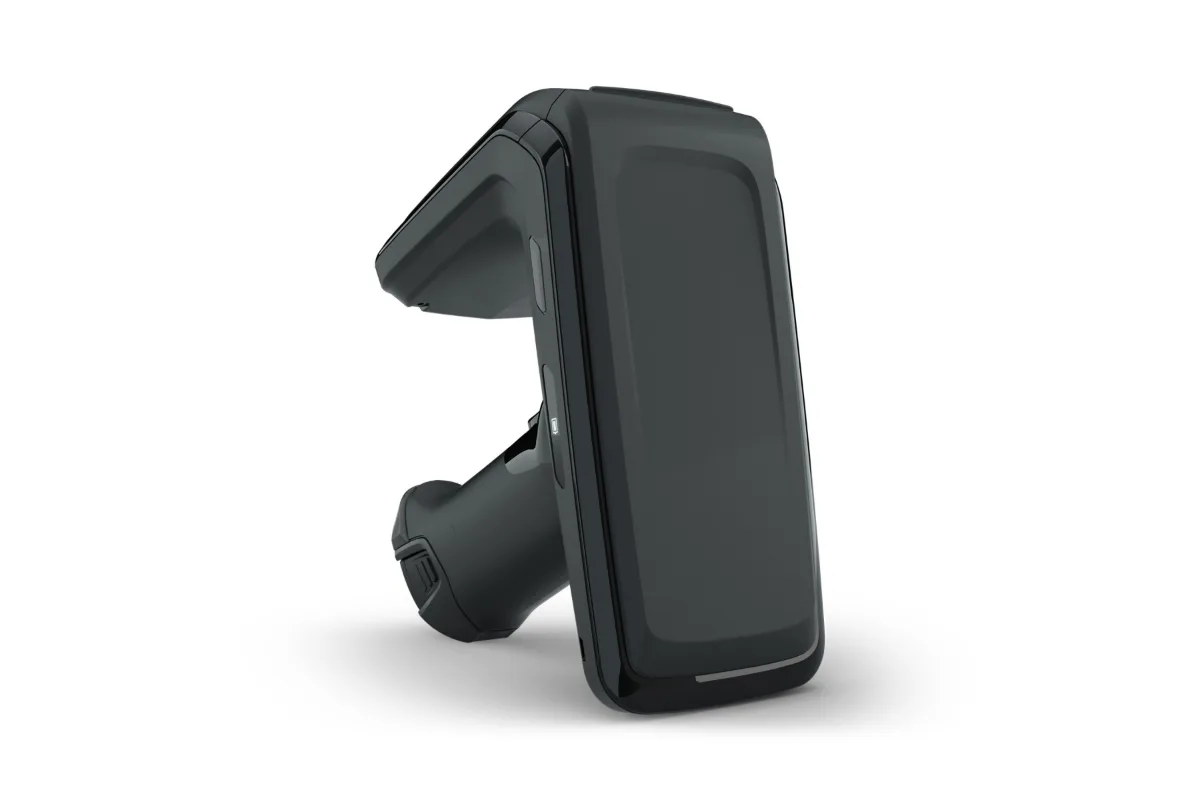
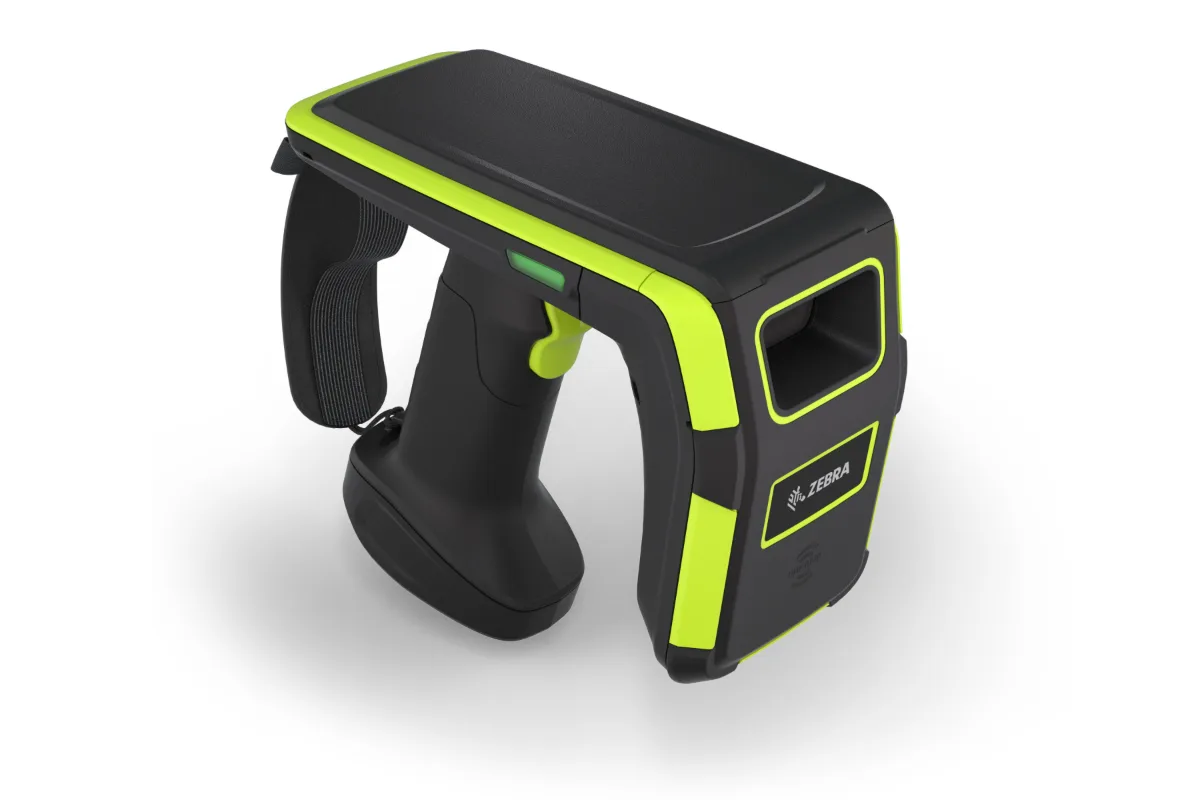
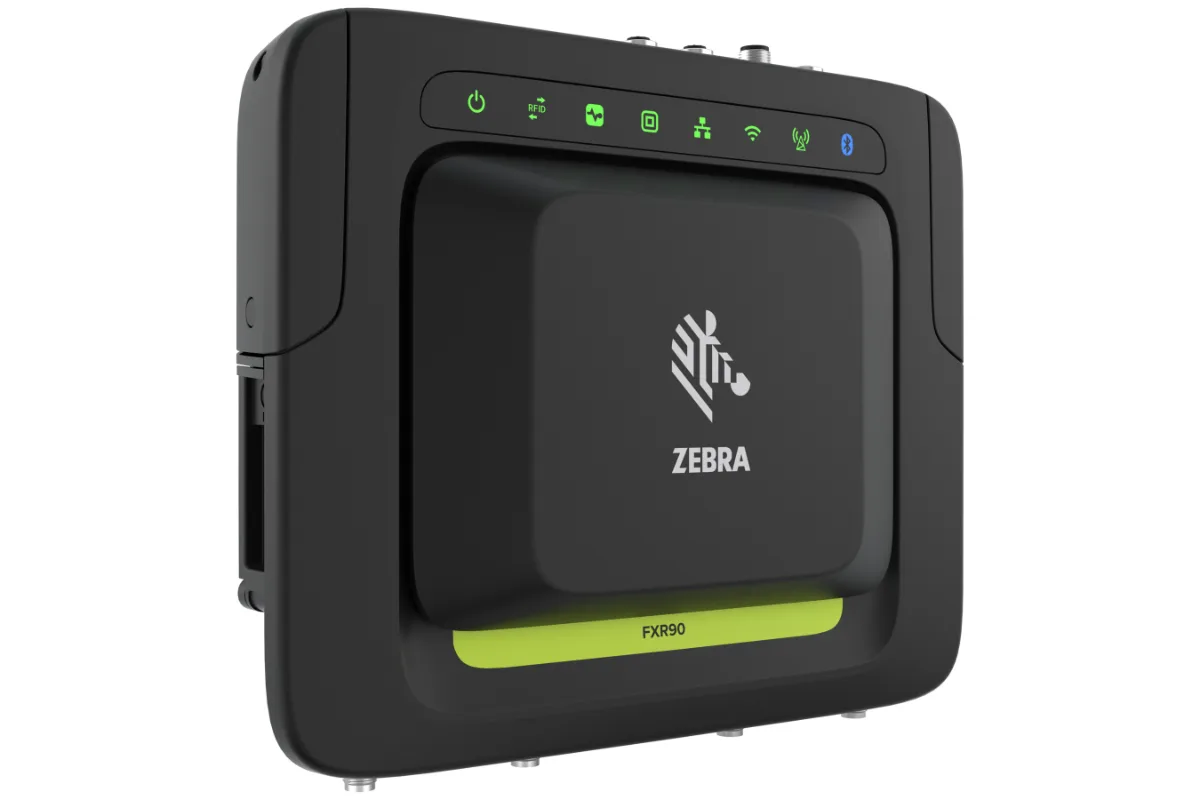
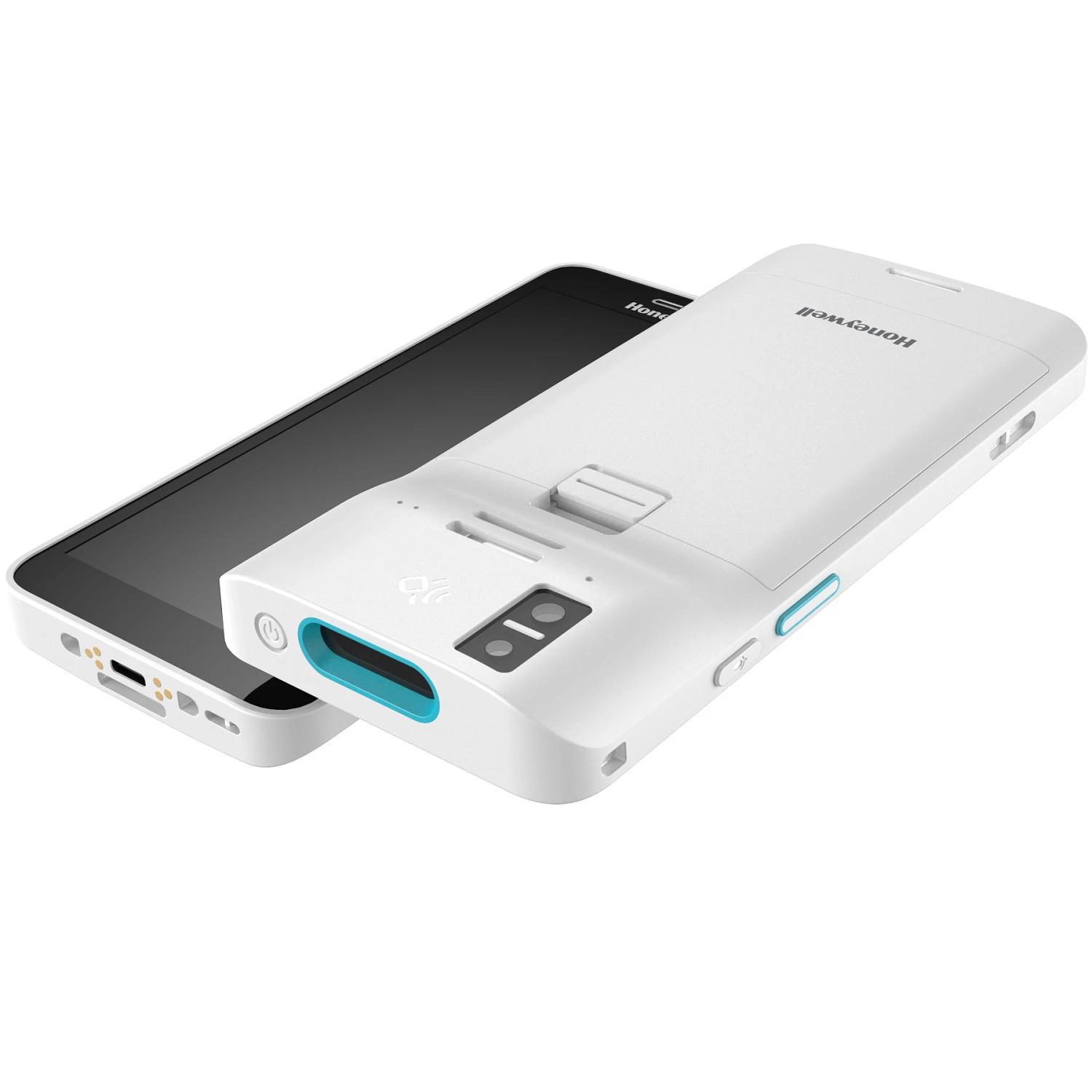
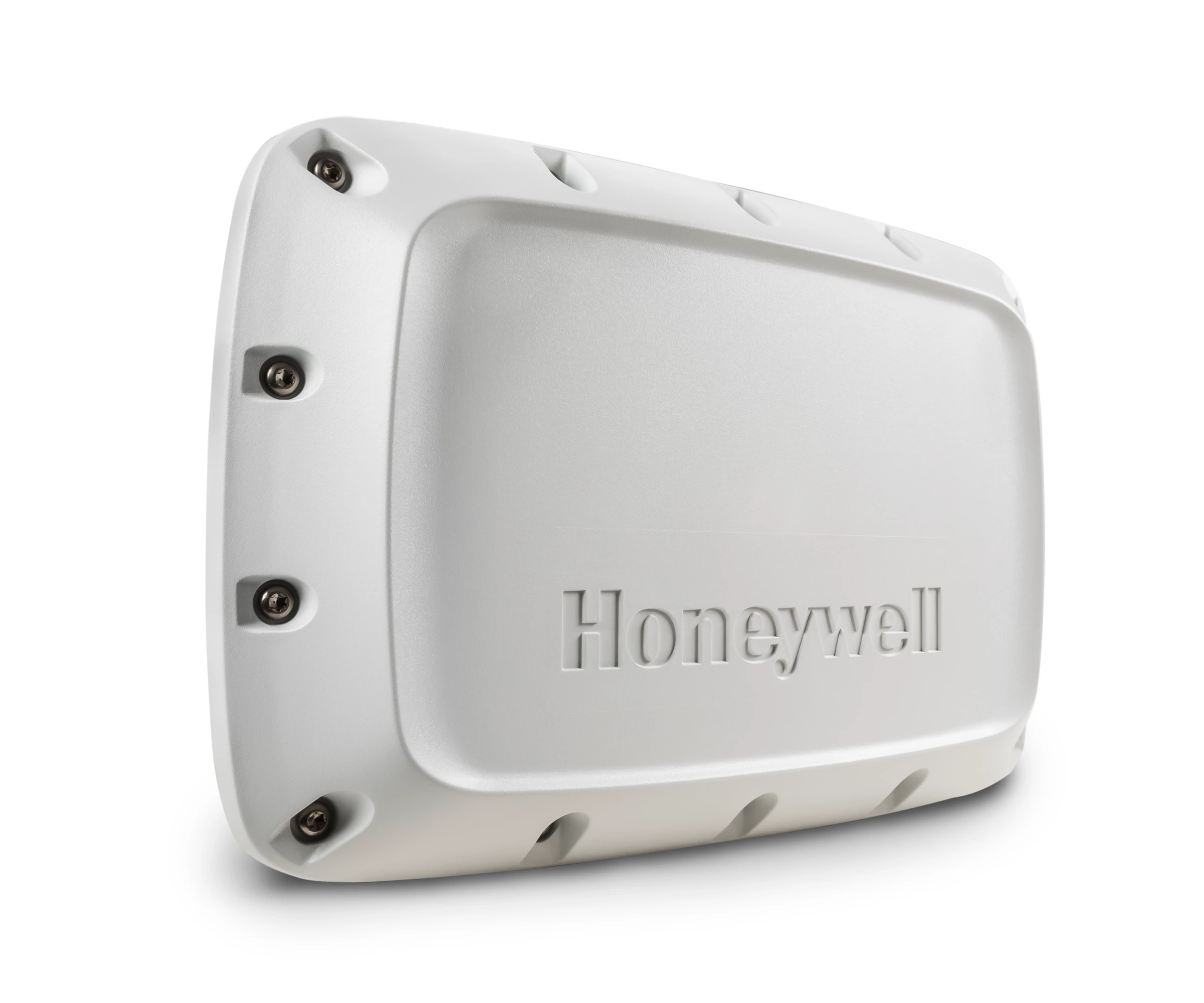
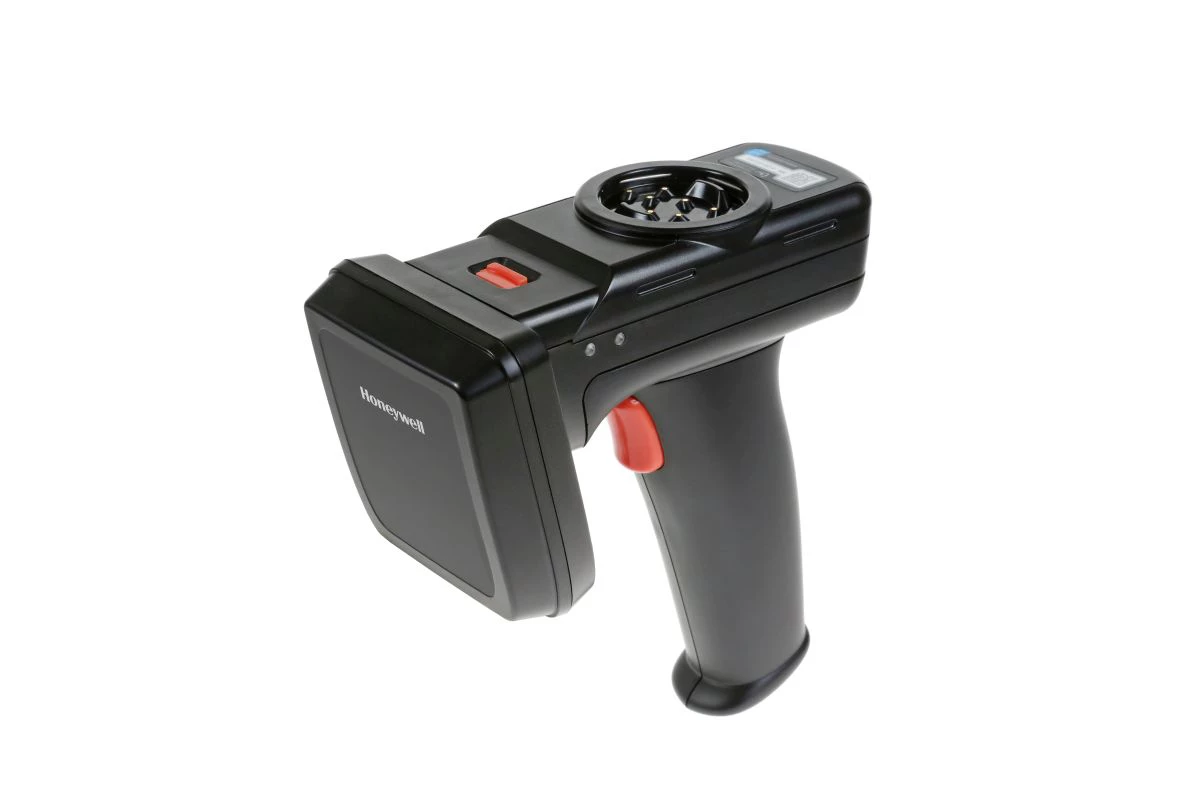
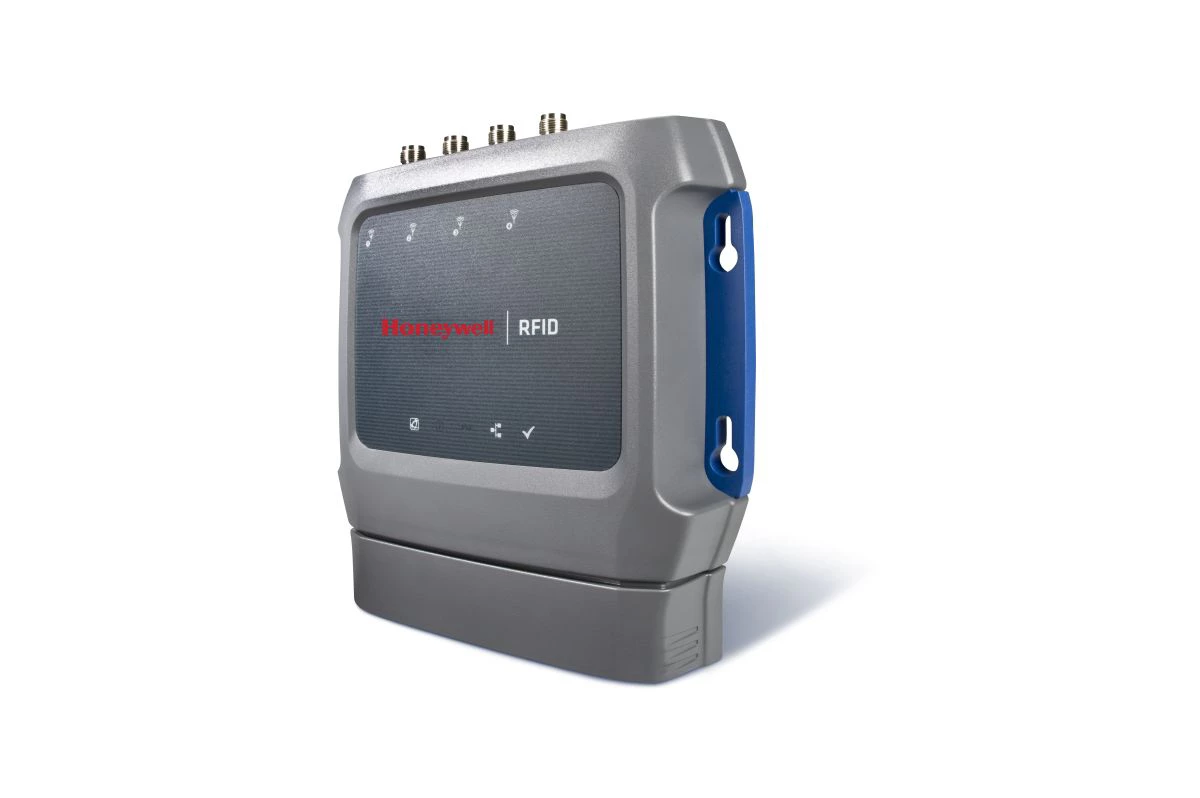
Tags it cannot see. RFID reads in bulk and without line of sight, so a pallet can be counted through shrink wrap and a cage of returns can be read in one pass. It is the answer when the counting itself is the cost, not the scanning. It is not a cheaper barcode, and it does not replace one.

  • Hundreds of tags a second, no line of sight needed
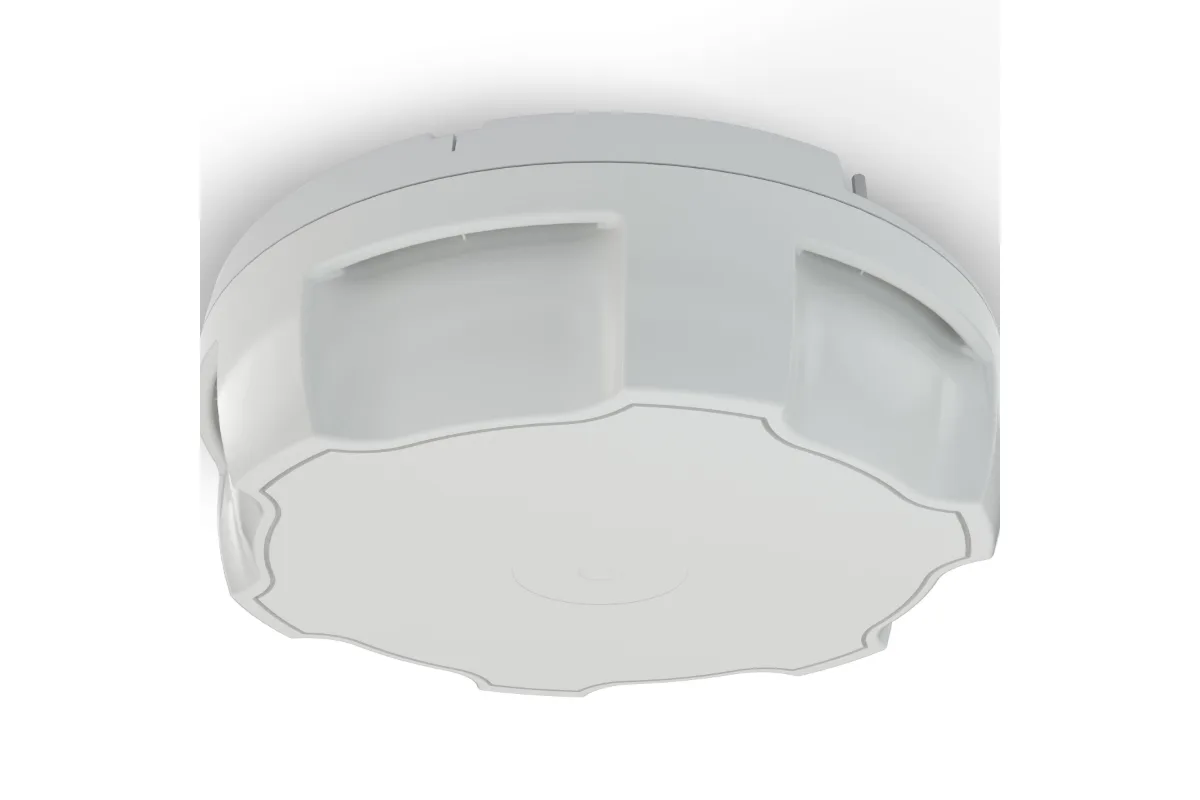
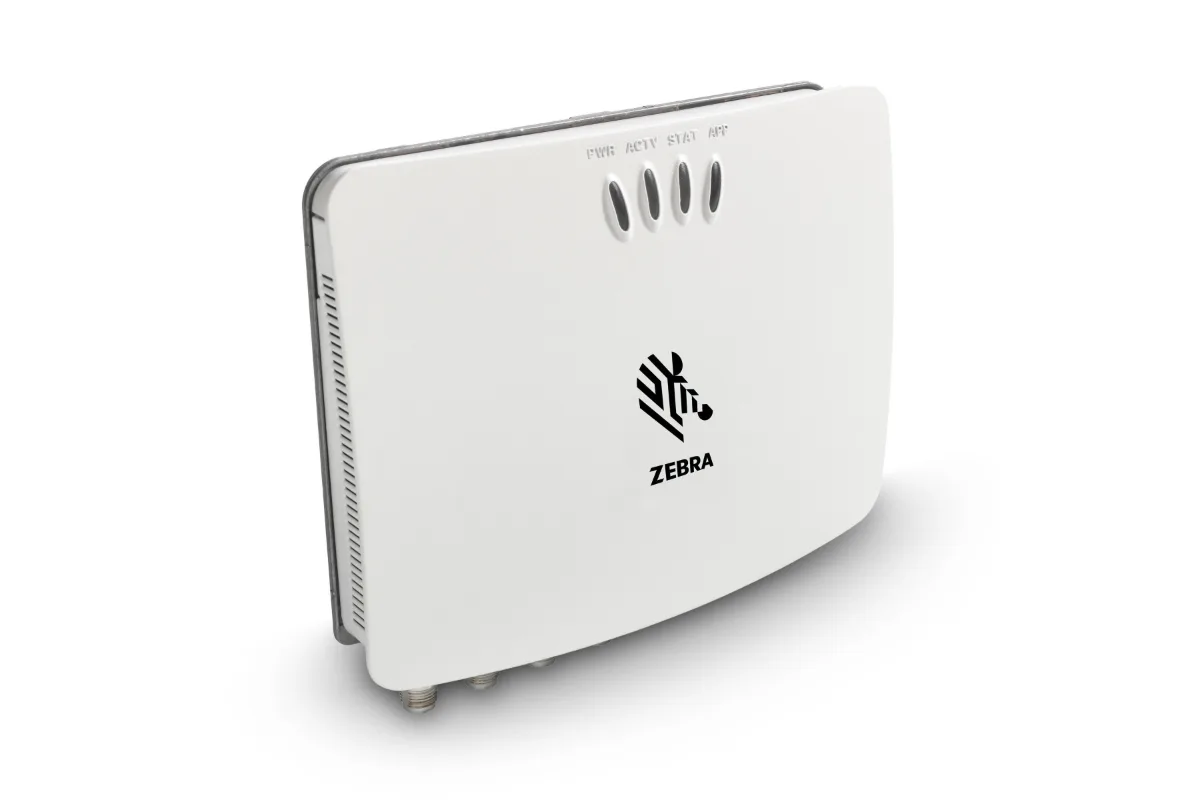
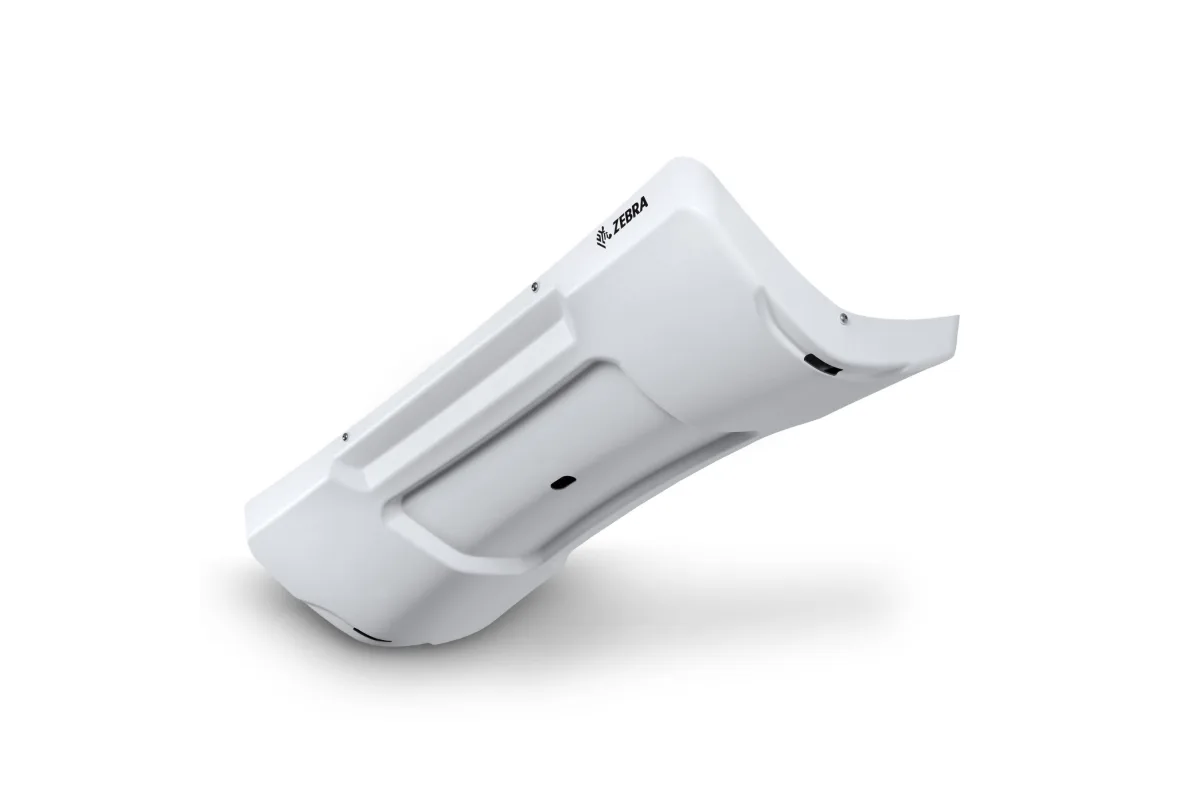
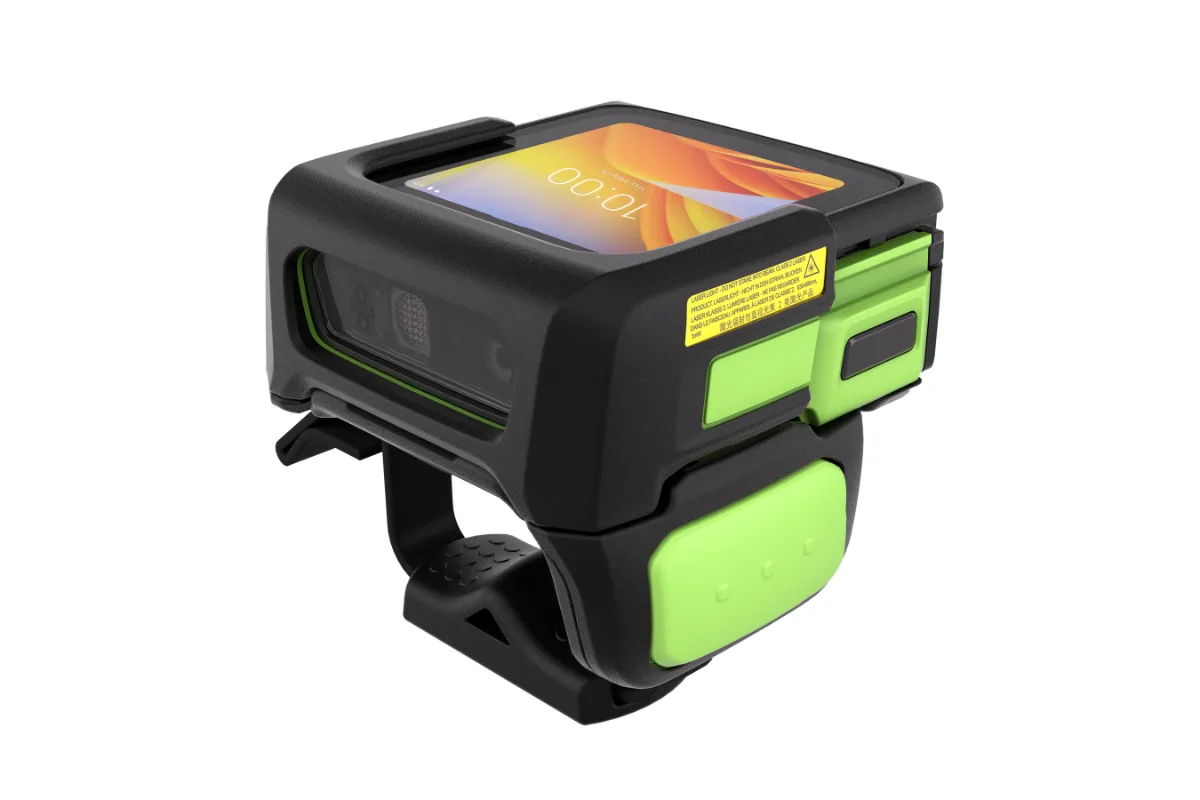
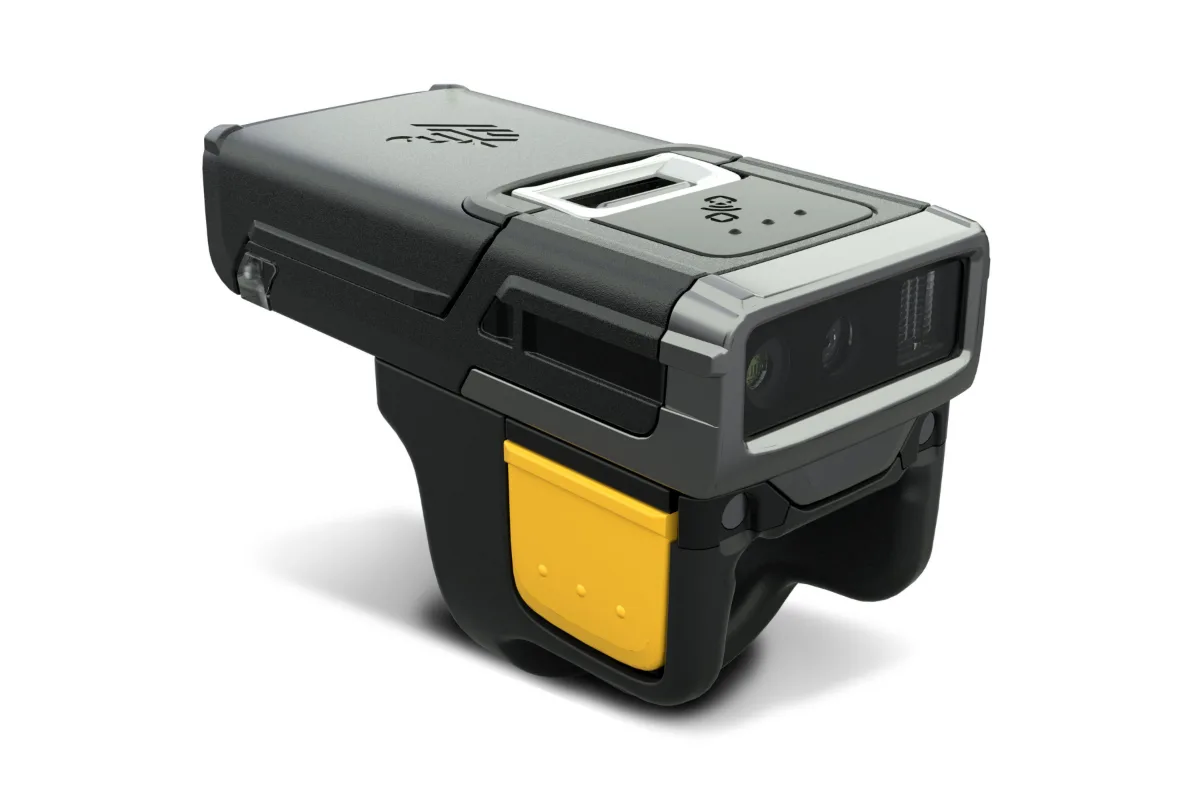
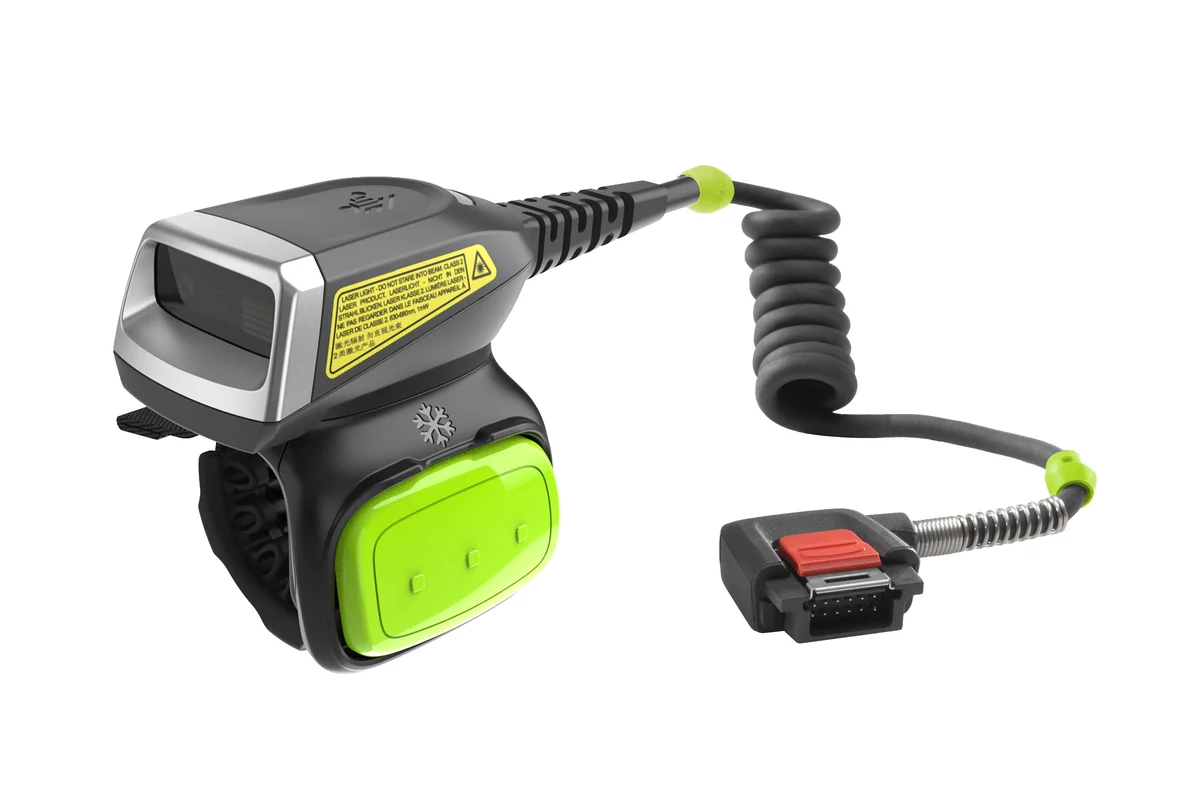
  • Handheld sleds, integrated readers, fixed portals and overhead
  • Cycle counting, asset search and receiving at pallet level
04

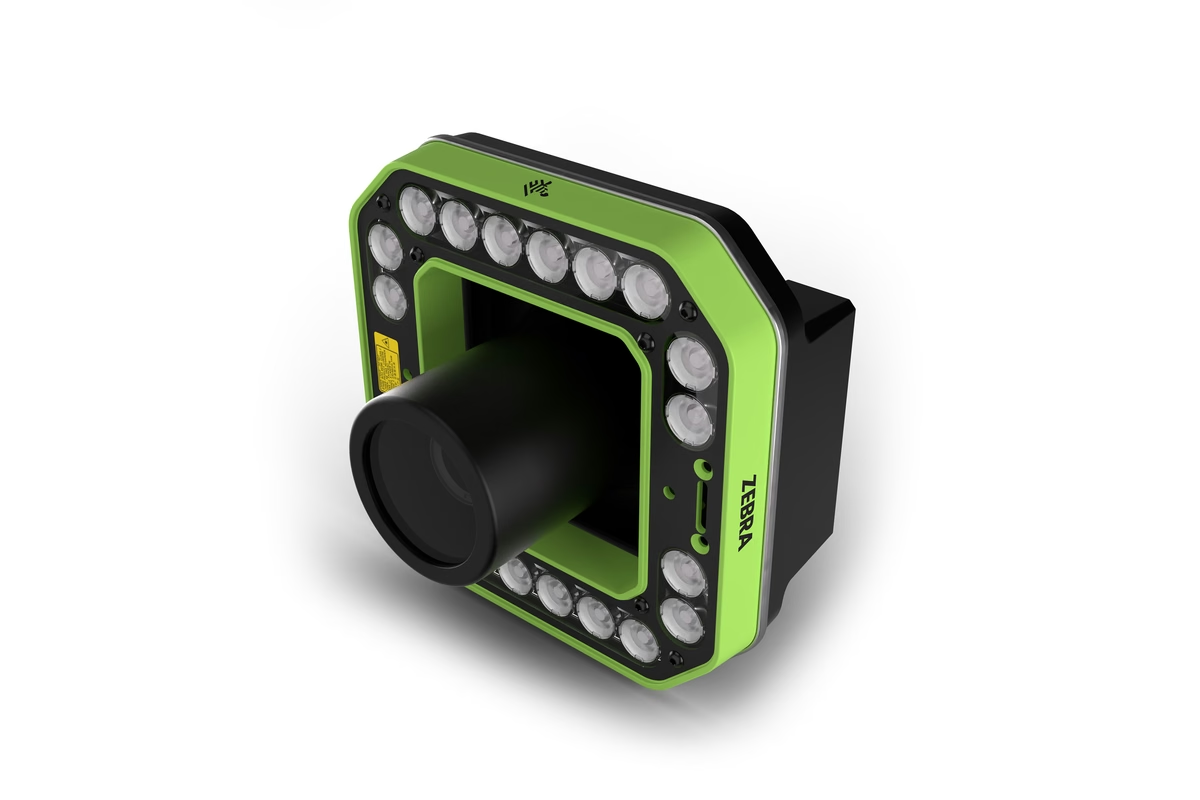
Where fixed industrial scanning replaces the operator

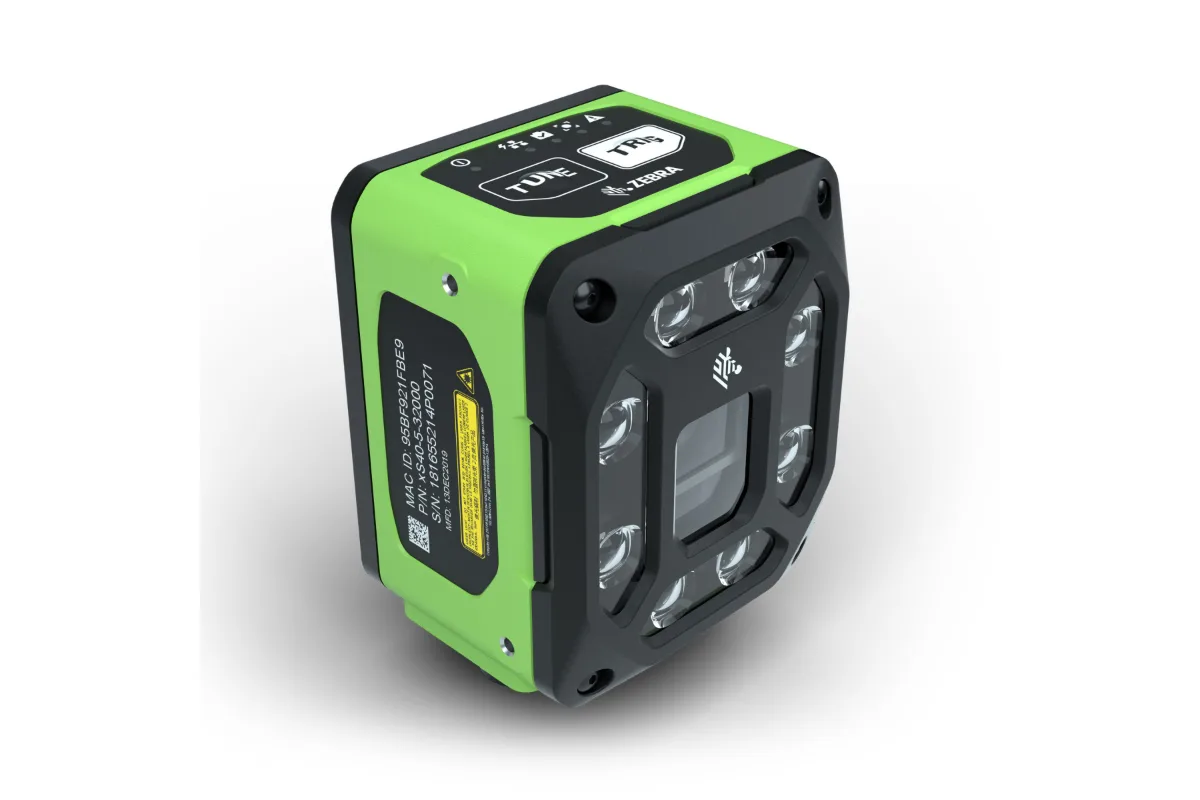
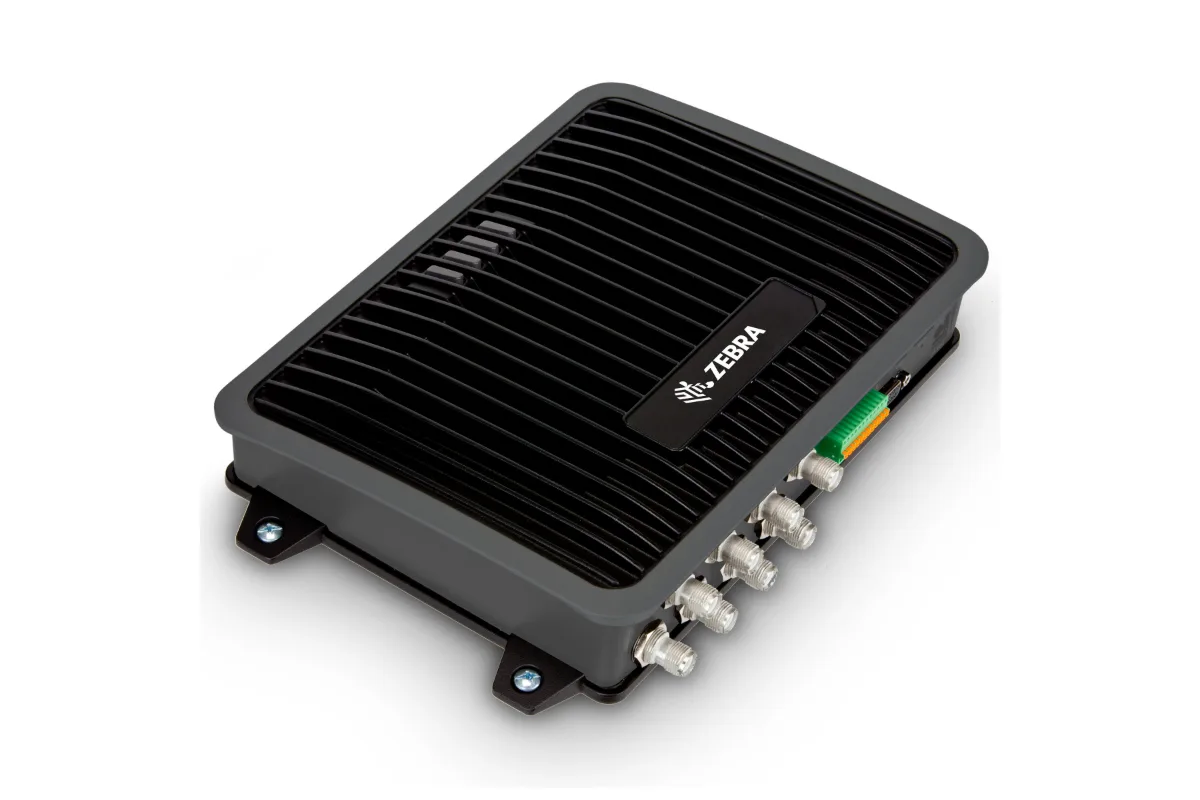
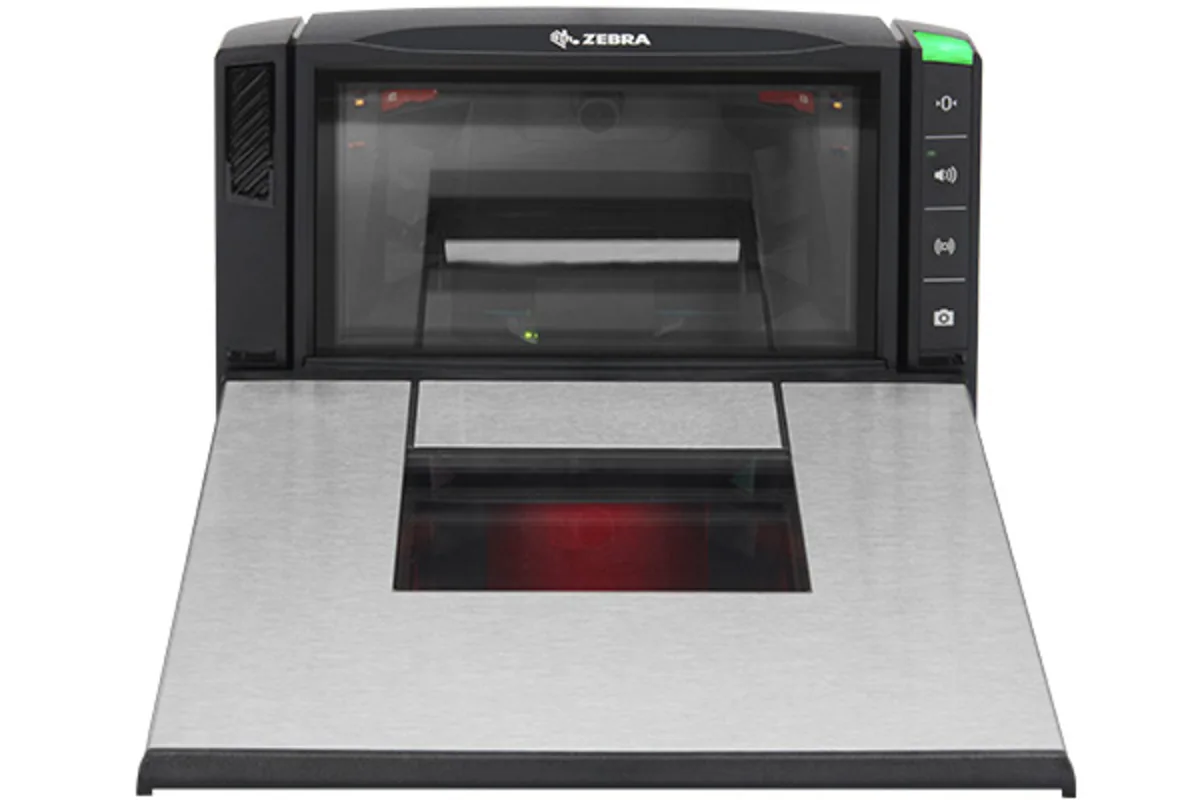
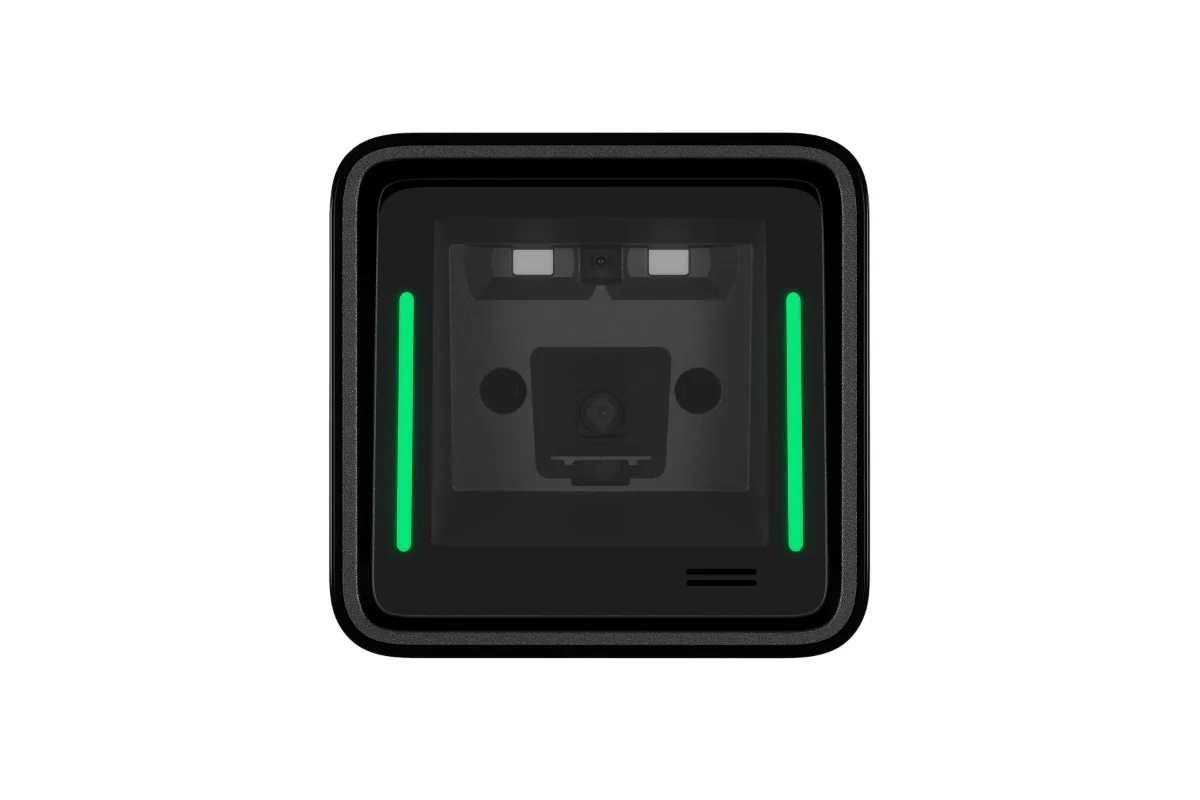
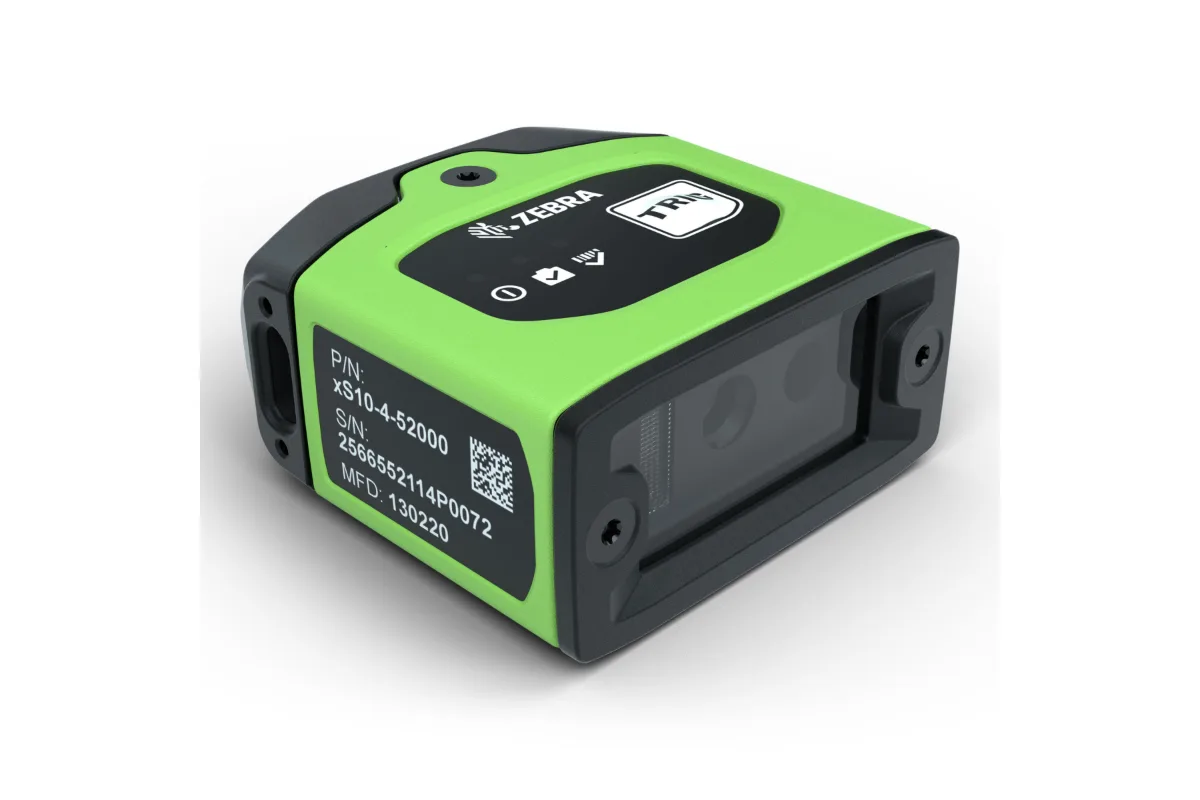
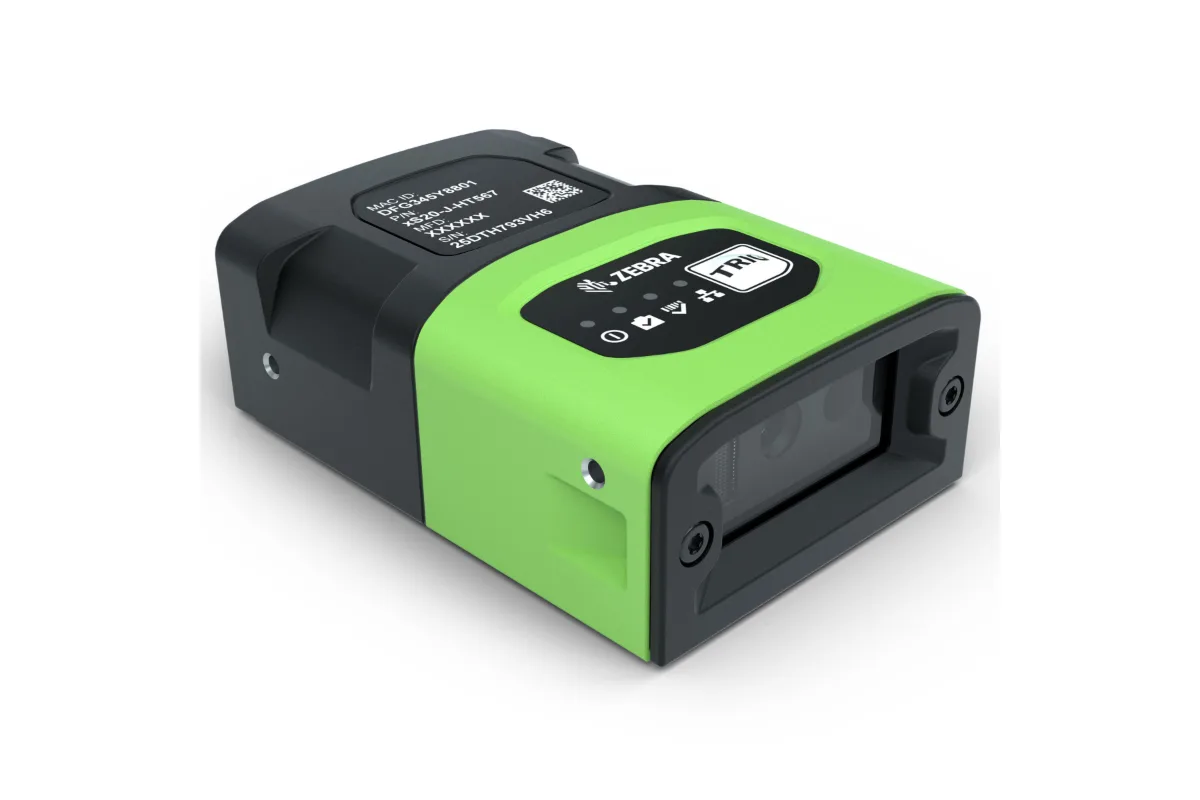
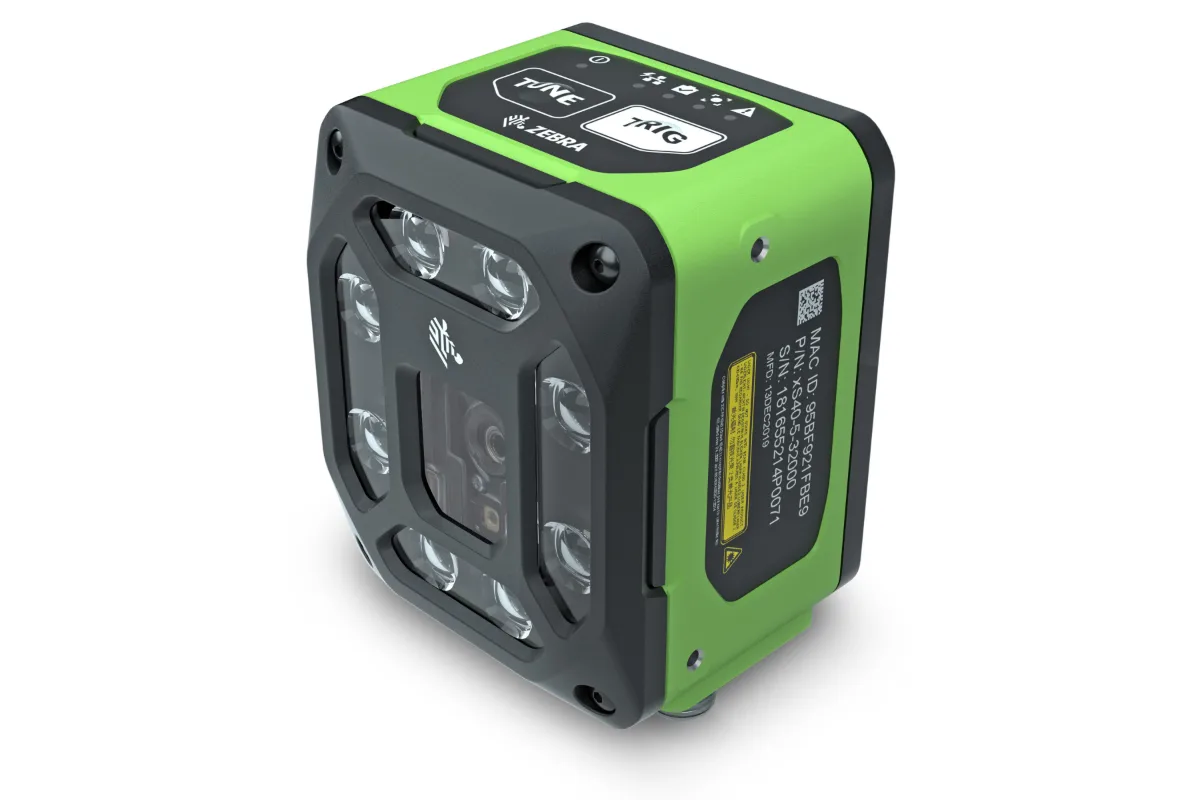
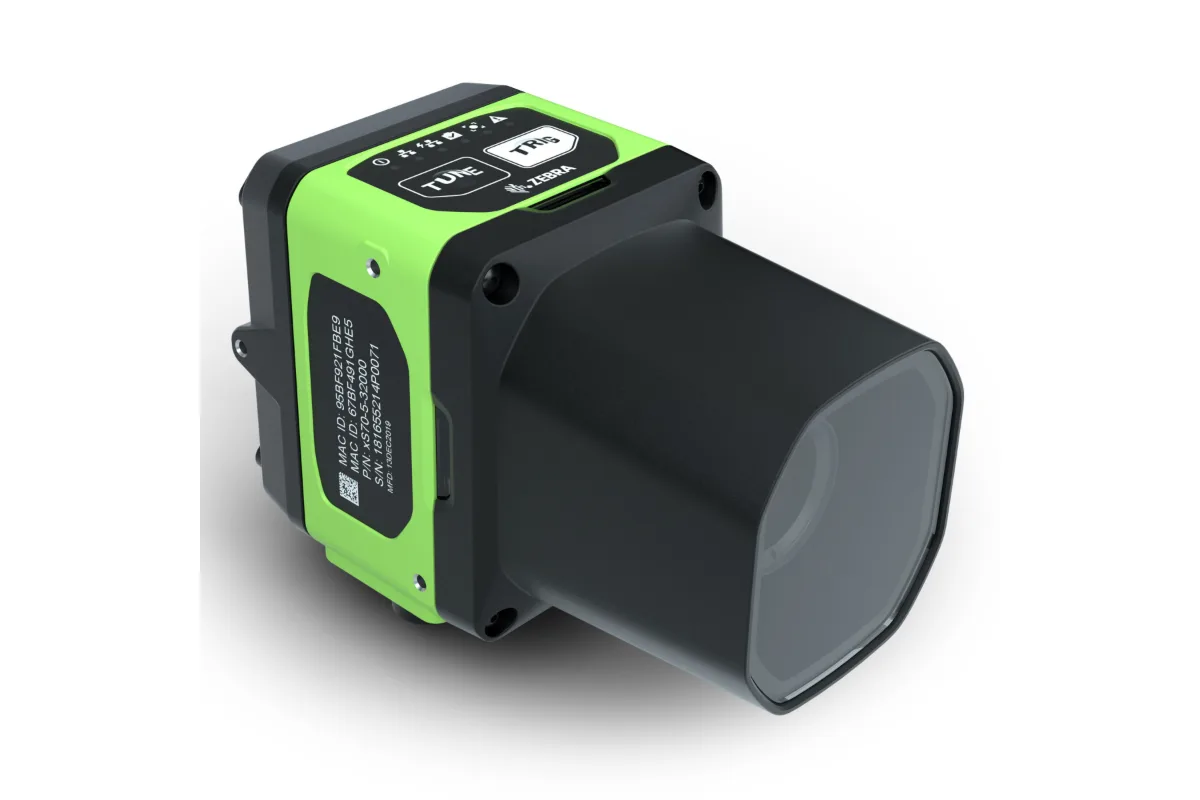
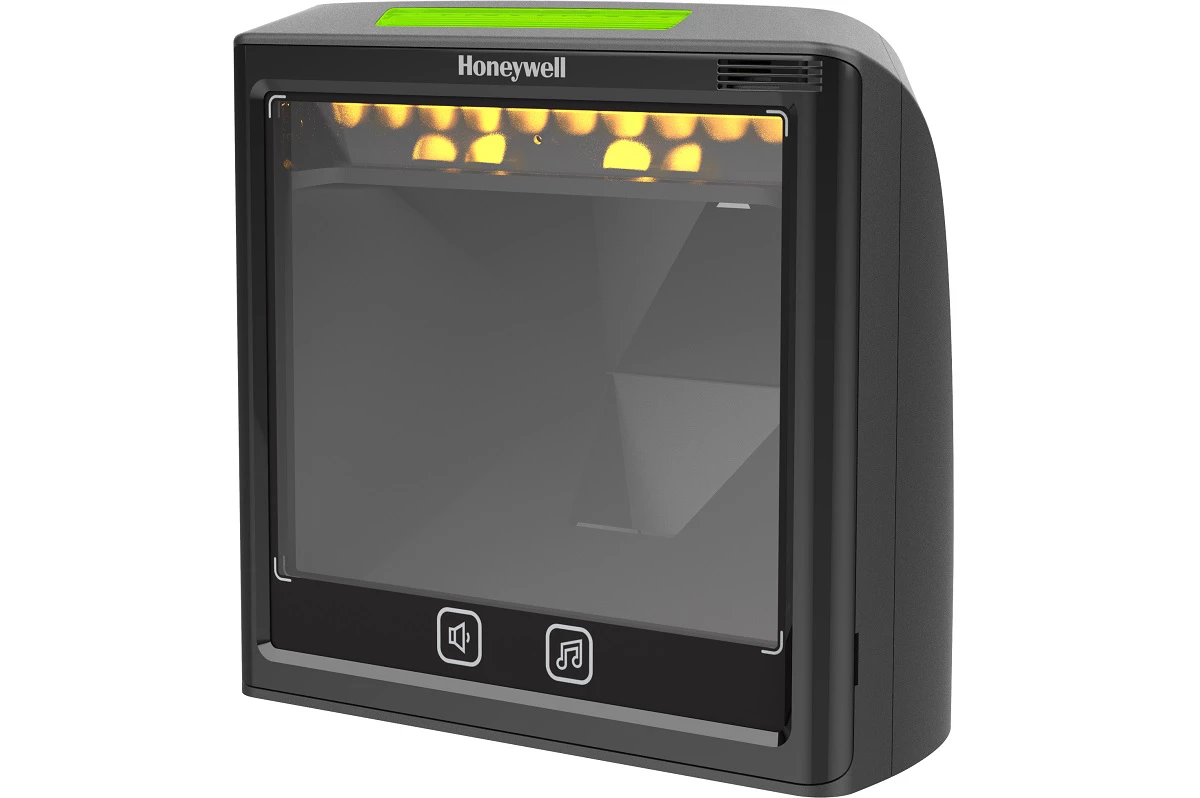
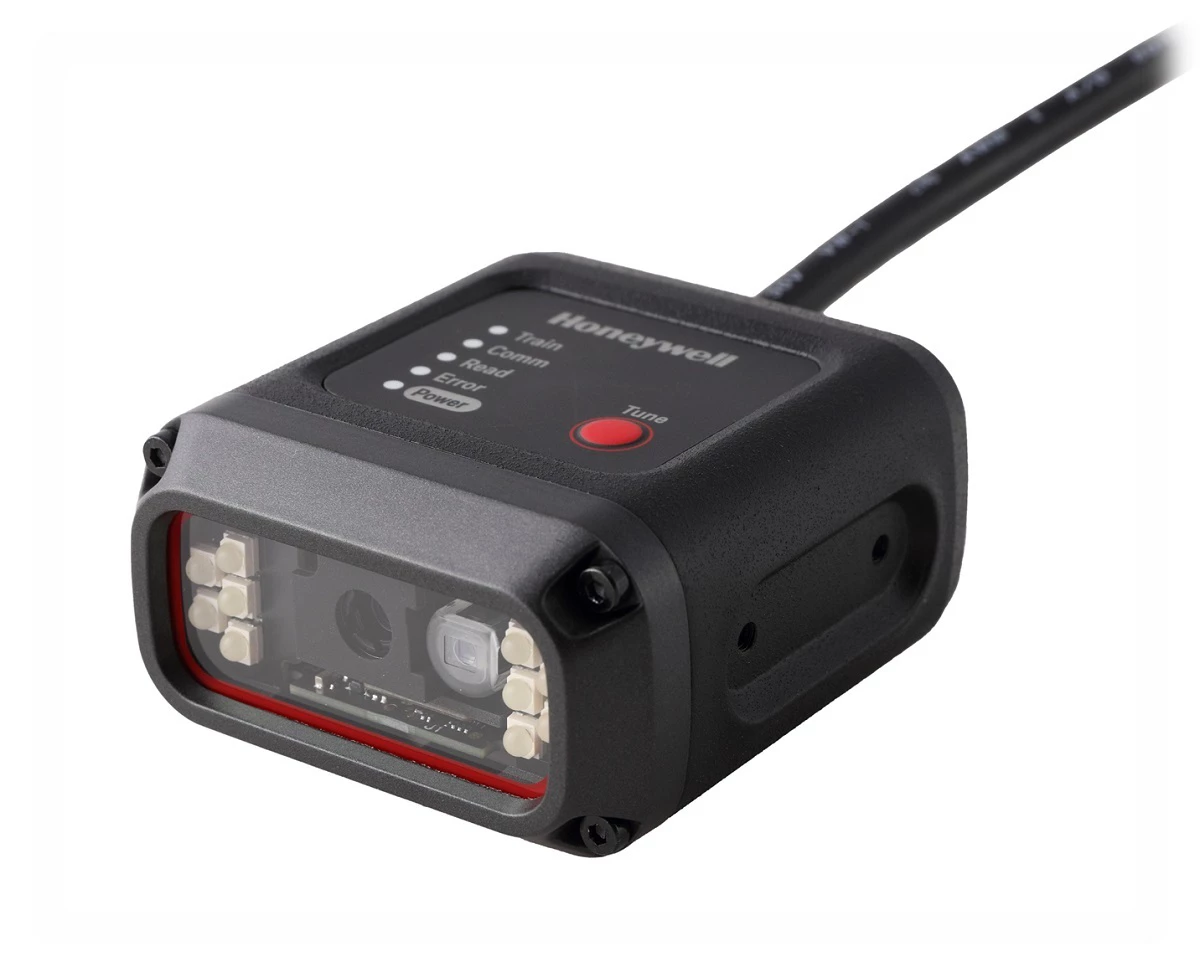
On the conveyor and the production line, where there is no one to hold anything. A fixed scanner or a vision camera reads every item that passes, at line speed, and tells the control system what it saw. The decision here is about the read rate you have to hit and what happens to the ones that fail.

  • Reads at line speed with no operator in the loop
  • Barcode reading, presence checking and machine vision inspection
  • Feeds the sorter, the diverter or the PLC directly

Mobile computer or barcode scanner, side by side

Mobile computerBarcode scanner
What it runsYour WMS or browser client, on the deviceNothing. It sends characters to the host
Where the operator isMoving through the buildingStanding at a screen
What it replacesA paper list and a walk back to the terminalTyping
Typical deployment costHigher per unit, plus device managementLower per unit, no estate to manage
When it is the wrong choiceA fixed packing bench that already has a PCAnywhere the worker has to carry the screen

Not sure which class you need? Start from the job your team actually does.
See the job router