Label Validation and Vision-Inspection Systems: Catching the Error Before It Ships
Explore how label validation and vision inspection catch printing, barcode, and application errors before recalls, audits, or chargebacks occur.
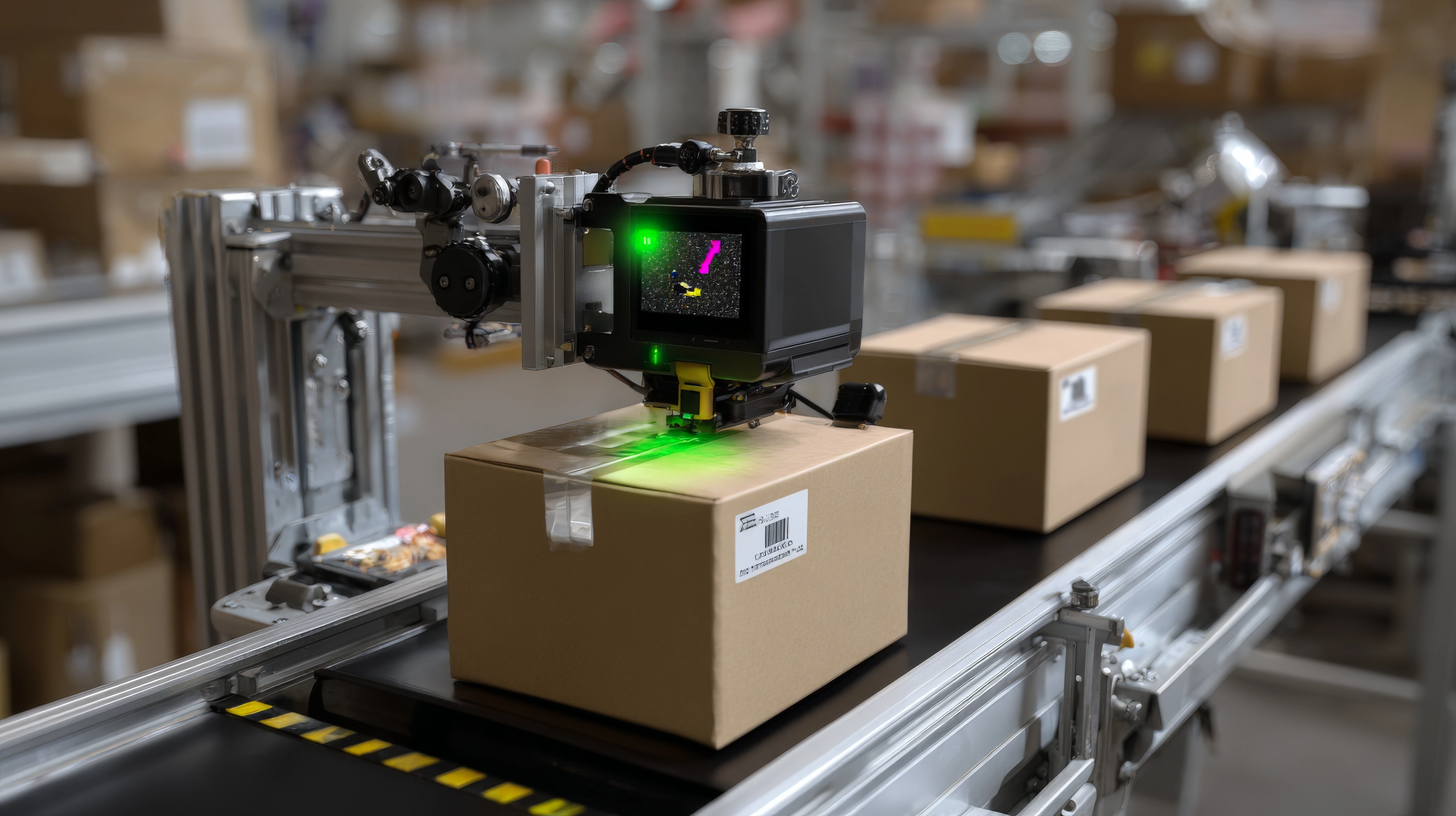
Most labeling errors that trigger a recall, an audit finding, or a customer chargeback weren't invisible, they were just never checked. A barcode that scans fine on a bench-top reader but fails intermittently on a warehouse scanner. A lot number that's correct in the system but printed with a ribbon wrinkle that makes two digits ambiguous. A label applied slightly askew often enough to occasionally clip the code's quiet zone. None of these require a system failure to happen; they require the absence of a check that would have caught them.
This is what label validation and vision inspection are for, and the decision most compliance and operations teams face isn't whether to validate, but at what level.
Three levels of label validation, and what each one catches
- Visual/manual inspection. A person looks at the label, right product, right placement, readable text. This catches gross errors (wrong label entirely, obviously misprinted text) but is unreliable for the errors that actually cause downstream problems: barcode grade degradation, subtle contrast issues, or content errors in dense data fields like lot numbers and expiration dates that look "close enough" to a human eye but fail a scanner.
- Barcode verification (grading). A dedicated barcode verifier measures a printed barcode against the ISO/IEC 15416 standard (and ANSI grading conventions), scoring elements like contrast, decode consistency, and quiet zone integrity on an A-to-F scale. This is an objective, repeatable measurement of whether a barcode will perform in the field, not just whether it happens to scan on the equipment sitting on the QA bench that day. It's the difference between "it scanned once" and "it will scan reliably; on the scanning equipment your customers and auditors actually use."
- Full vision inspection. A vision system captures and analyzes the entire label, verifying not just the barcode but text accuracy, correct label presence, placement, and in some systems, matching printed content against the source data (the lot number that was supposed to print vs. what printed). This is the level that catches print-content mismatches a barcode-only check would miss entirely, and it's increasingly the standard for pharmaceutical, medical device, and high-consequence food labeling.
Matching validation level to actual risk
Not every label needs full vision inspection, and treating all labels identically usually means either overspending on low-risk applications or underprotecting high-risk ones. A practical way to think about it:
Application = Recommended minimum
Internal warehouse/asset labels = Visual inspection, periodic barcode spot-checks
Commercial product barcodes (retail, general shipping) = Barcode verification at qualification, periodic in-line spot-checks
Regulated pharma, medical device, unit-dose, or serialized product = In-line barcode verification and/or full vision inspection at the point of print/apply, on every unit or a statistically justified sample.
Blinded clinical trail materials = Full vision inspection, with particular attention to content-match verification against randomization/IRT data
The common mistake is applying validation once, at initial qualification, and treating it as permanent. Barcode print quality degrades gradually, printhead wear, ribbon quality drift, label material lot-to-lot variation, which is exactly why in-line, ongoing verification catches problems a one-time validation study will miss entirely.
Why this matters more than it looks like it should
The economics here are almost always favorable, for a simple reason: the cost of a vision or verification system is a fixed, known, one-time (or ongoing but predictable) investment. The cost of an undetected labeling error is variable, unpredictable and, as covered in our companion piece on the true cost of a labeling error, routinely runs into six or seven figures once investigation, product loss, schedule delay, and regulatory exposure are accounted for.
There's also an audit-readiness dimension that's easy to overlook: a documented, ongoing verification process is itself evidence of a controlled labeling process during an inspection. "We checked it once, in 2019" is a very different answer to an auditor's question than "here's our in-line verification log showing every batch's barcode grade for the past twelve months."
A practical decision checklist
- Classify your labeling applications by regulatory consequence, internal, commercial, regulated, or blinded/high-stakes, and set a minimum validation level for each tier.
- Move from spot-check to in-line verification for any application where an undetected failure would trigger a recall, an audit finding, or a patient safety event.
- Confirm your verification equipment tests against ISO/IEC 15416 grading, not just "does it scan" grade thresholds catch degradation before it becomes a failure.
- Build verification data into your quality records, so ongoing barcode grade history is available as audit evidence, not just a pass/fail gate at the moment of production.
FAQ
What's the difference between barcode verification and vision inspection?
Barcode verification specifically grades a printed barcode's scanability against the ISO/IEC 15416 standard. Vision inspection is broader, it can verify barcode quality plus text accuracy, label presence, correct placement, and content matching against source data.
Is barcode verification required by regulation?
Regulations like UDI and DSCSA require that a barcode be present and machine-read able but generally don't mandate a specific verification method. In practice, verification is how organizations demonstrate, to themselves and to auditors, that their barcodes reliably meet that "machine-readable" requirement in the field, not just at the moment of printing.
How often should barcode grading be checked once a label is validated?
Best practice is in-line or statistically sampled ongoing verification, not a one-time check at initial validation, since print quality degrades gradually with equipment wear and material variation overtime.
Ahearn & Soper's vision and barcode verification systems are built to catch labeling errors at the point of print — before they become a recall, an audit finding, or a scan failure downstream. Explore our vision validation systems or learn about barcode verification.
Articles you might read next
Three more reads on accuracy, labelling, traceability and the systems underneath them.


Ready to talk about your operation?
Tell us what your warehouse has to do, and we will tell you plainly whether we can help.