An overview of pharmaceutical labelling requirements
Pharmaceutical labelling is critical to patient safety, regulatory compliance, and product integrity. Here are the core label elements, readability rules, and serialization requirements.

In the pharmaceutical industry, labelling is far more than a branding exercise, it is a critical component of patient safety, regulatory compliance, and product integrity. From prescription medications to over-the-counter products, labels must communicate essential information clearly, accurately, and consistently. For companies navigating this highly regulated space, understanding pharmaceutical labelling requirements is key to avoiding costly errors and ensuring consumer trust.
Why pharmaceutical labelling matters
Pharmaceutical labels serve as the primary interface between a medication and its end user, whether that’s a healthcare professional, pharmacist, or patient. A well-designed label provides vital information such as dosage instructions, active ingredients, warnings, storage conditions, and expiration dates.
Errors or omissions in labelling can lead to serious consequences, including medication misuse, adverse reactions, product recalls, and regulatory penalties. As a result, health authorities worldwide enforce strict guidelines governing how pharmaceutical products must be labelled.
Key regulatory bodies and standards
Pharmaceutical labelling requirements vary by region, but they are universally governed by stringent regulatory frameworks. Some of the most influential authorities include:
- The U.S. Food and Drug Administration (FDA)
- Health Canada
- The European Medicines Agency (EMA)
Each organization outlines detailed requirements for label content, formatting, language, and placement. While specifics may differ, the overarching goal remains the same: to ensure that labelling supports safe and effective use of medications.
Core elements of pharmaceutical labels
Despite regional differences, most pharmaceutical labels must include several core components:
1. Product identification
This includes the drug name (brand and generic), strength, dosage form, and route of administration. In Canada, the label must also show the Drug Identification Number (DIN) assigned by Health Canada. Clear identification helps prevent medication errors and ensures proper dispensing.
2. Active and inactive ingredients
Listing all active ingredients and often key inactive ones is essential for transparency and for patients with allergies or sensitivities.
3. Dosage and administration instructions
Precise directions for use are critical. Labels must clearly state dosage amounts, frequency, and any special instructions (e.g., take with food, avoid alcohol).
4. Warnings and precautions
Safety warnings, contraindications, and potential side effects must be prominently displayed. These are often standardized to align with regulatory guidelines.
5. Lot number and expiration date
Traceability is a fundamental requirement in pharmaceuticals. Lot numbers and expiration dates enable efficient recalls and ensure product quality over time.
6. Storage conditions
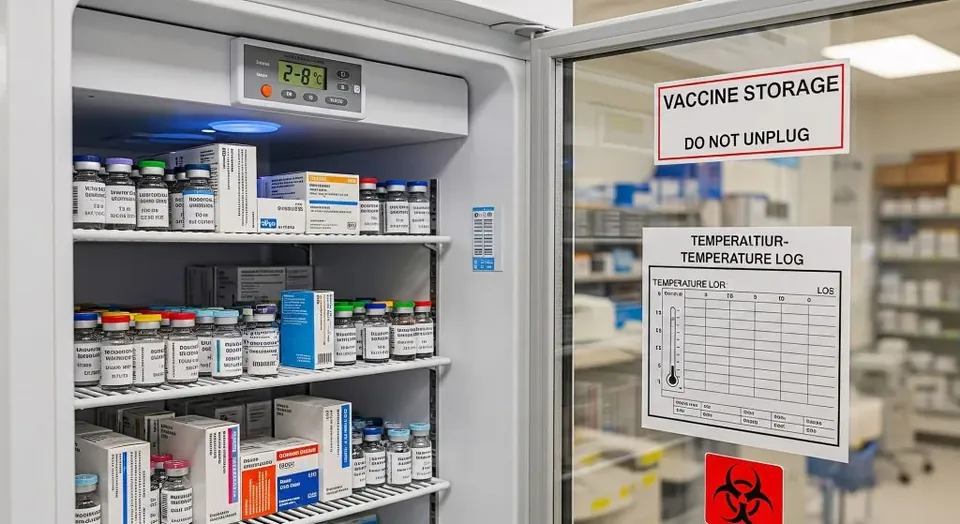
Instructions such as temperature ranges or light sensitivity help maintain drug efficacy throughout its shelf life.
Label design and readability
Beyond content, the design of pharmaceutical labels plays a crucial role in usability. Regulatory agencies emphasize readability and clarity, including:
- Minimum font sizes
- High-contrast colour schemes
- Logical information hierarchy
- Use of standardized symbols where applicable
Poor design can lead to misinterpretation, even if all required information is present. This is especially important in high-pressure environments like hospitals and pharmacies.
Serialization and track-and-trace requirements
Many regions now require pharmaceutical products to include serialization, unique identifiers that allow each package to be tracked through the supply chain. In the EU, serialization and an anti-tampering device have been required since 9 February 2019, and the US Drug Supply Chain Security Act (DSCSA) sets similar requirements. Health Canada does not currently require serialization, but suppliers shipping to the US and EU must comply. These systems help combat counterfeit drugs and improve supply chain transparency.
Labels may need to incorporate:
- Barcodes or QR codes
- Serial numbers
- Tamper-evident features
Meeting these requirements often demands advanced printing technologies and robust data management systems.
Challenges in pharmaceutical labelling
Pharmaceutical companies face several challenges when it comes to labelling:
- Keeping up with evolving regulations across multiple markets
- Managing multilingual requirements
- Ensuring consistency across packaging formats
- Integrating labelling with digital systems and supply chains
These complexities make it essential to partner with experienced labelling providers who understand both compliance and production demands.
The role of specialized labelling solutions
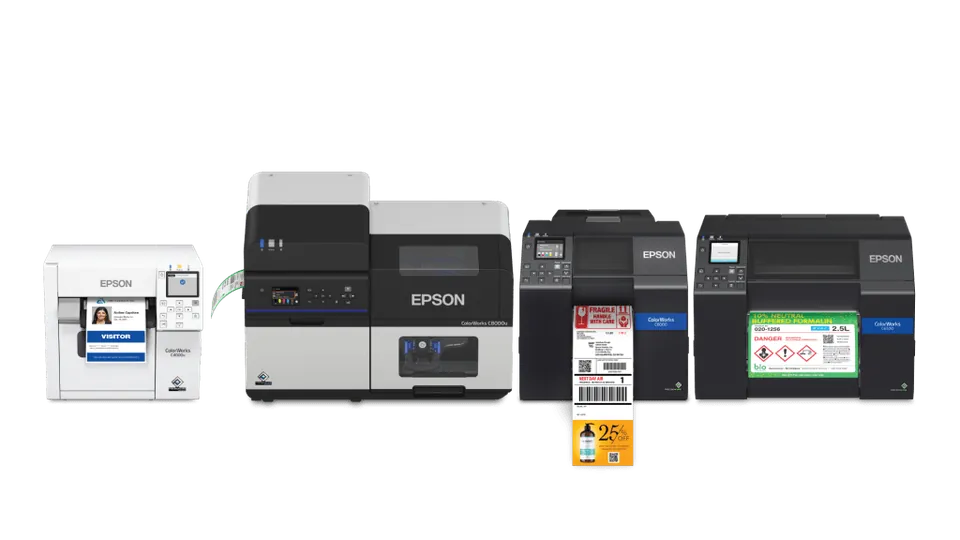
High-quality labelling solutions are critical for meeting pharmaceutical standards. This includes not only durable materials and precise printing but also the ability to handle variable data, serialization, and regulatory updates.
Working with a knowledgeable partner can streamline the process, reduce risk, and ensure that labels meet both regulatory and operational requirements.
Conclusion
Pharmaceutical labelling is a highly regulated and essential aspect of the healthcare ecosystem. It plays a direct role in patient safety, regulatory compliance, and brand credibility. By understanding the core requirements and investing in reliable labelling solutions, pharmaceutical companies can navigate this complex landscape with confidence.
As regulations continue to evolve, staying informed and adaptable is key. With the right expertise and technology, organizations can ensure their labels not only comply with standards but also support safe and effective medication use.
Articles you might read next
Three more reads on accuracy, labelling, traceability and the systems underneath them.

Ready to talk about your operation?
Tell us what your warehouse has to do, and we will tell you plainly whether we can help.