Production et traçabilité
Connaissez votre production et prouvez-la, lot par lot
Quand un défaut ou un rappel remonte jusqu'à votre ligne, la question n'est pas de savoir si vous trouverez la réponse, mais à quelle vitesse. Ahearn & Soper dote les usines du secteur de la fabrication des technologies de code à barres, de RFID et de vision qui font des travaux en cours un historique entièrement traçable, de la matière première à l'unité finie et expédiée.
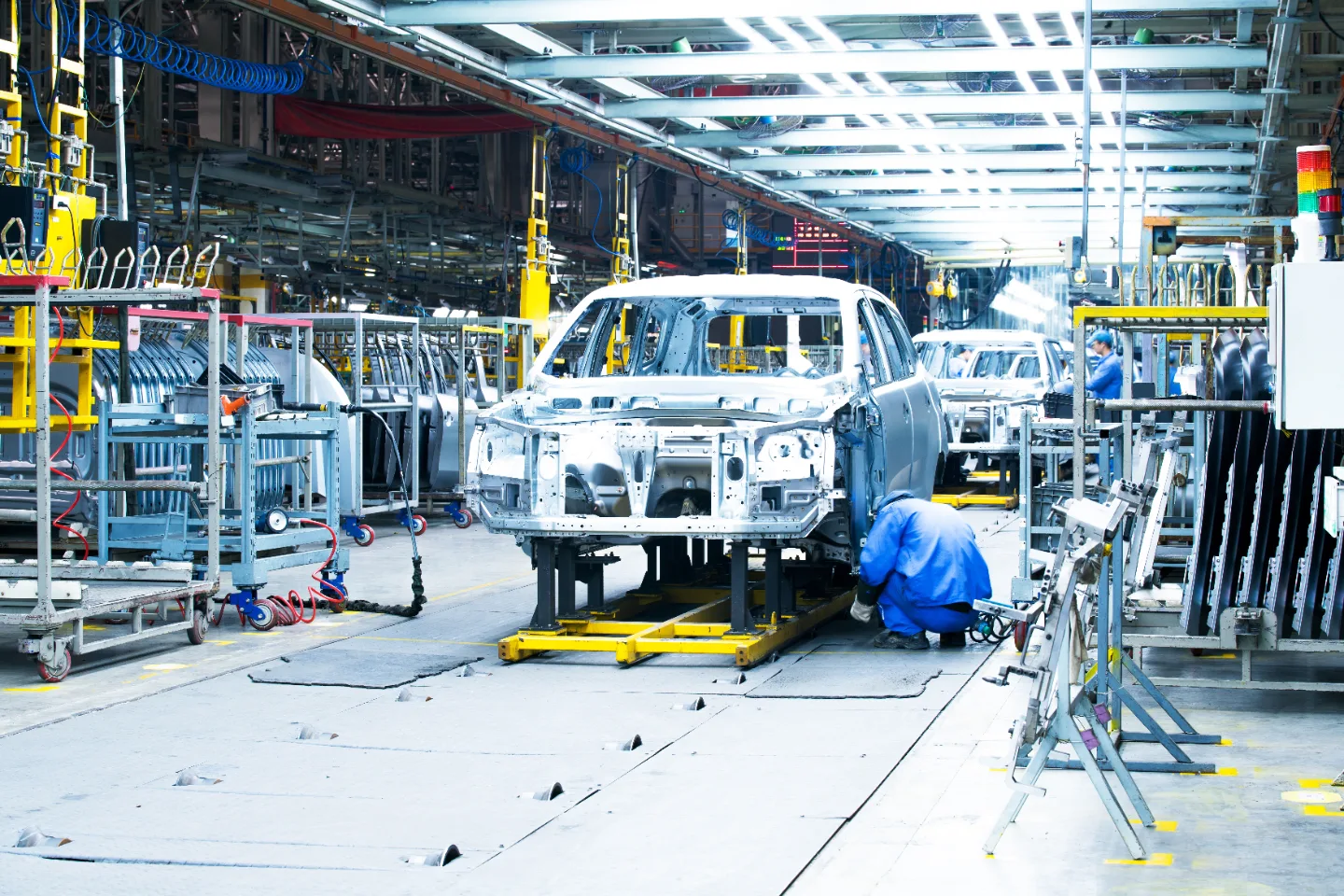
Où l'argent se perd
Une usine s'expose à des risques partout où la trace des événements accuse du retard sur les événements eux-mêmes. Chacune des lacunes ci-dessous naît petite, à un seul poste ou sur une seule étiquette, et chacune coûte le plus cher le jour où l'on vous demande de prouver la traçabilité d'un lot.
- Des travaux en cours suivis sur papier ou dans des chiffriers qui accusent du retard sur ce qui se passe sur la ligne
- Aucun moyen rapide de retracer un lot ou un numéro de série à travers la production lorsqu'un défaut apparaît
- Des étapes manuelles d'assemblage et d'étiquetage où la mauvaise pièce ou la mauvaise étiquette se retrouve sur la mauvaise unité
- Un suivi des actifs et de l'outillage qui repose sur la mémoire de quelqu'un pour savoir où l'équipement a servi la dernière fois
- Du matériel d'étiquetage et d'identification qui ne résiste pas à la chaleur, aux produits chimiques ou aux environnements de lavage à grande eau, pour lesquels l'équipement de qualité bureau n'a jamais été conçu
Comment nous y répondons
Ahearn & Soper spécifie, intègre et entretient toute la chaîne, et en assure la formation : le logiciel qui saisit les données de lot et de généalogie, la vision qui vérifie avant que l'unité avance, les points de lecture qui gardent l'historique continu, le matériel et les étiquettes adaptés à votre usine, et la prévention des erreurs qui l'entoure. Cinq volets, une seule équipe responsable.
Intégration des travaux en cours et de la traçabilité
Ahearn & Soper déploie et intègre des logiciels de suivi des travaux en cours et de système d'exécution de la fabrication (MES) qui saisissent les données de lot, de numéro de série et de généalogie à chaque étape de production. Ainsi, la traçabilité n'est pas un projet qu'on lance une fois que quelque chose a déjà mal tourné.
Validation et vérification par vision
Des systèmes d'inspection par caméra confirment que la bonne étiquette, la bonne pièce ou le bon composant se trouve au bon endroit avant que l'unité passe au poste suivant, ce qui permet d'intercepter l'erreur sur la ligne plutôt que chez le client.
Lecture RFID et de codes à barres à chaque étape
De la réception des matières premières jusqu'à l'expédition des produits finis, en passant par l'assemblage, nous mettons en place les points de lecture qui assurent la continuité de votre historique de traçabilité, plutôt que de le reconstituer morceau par morceau après coup.
Matériel robuste pour le plancher de production
Des ordinateurs montés sur véhicule et des ordinateurs mobiles portatifs, ainsi que des matériaux d'étiquettes et des adhésifs conçus pour résister à la chaleur, au froid, aux produits chimiques et au lavage à grande eau, choisis pour votre environnement de production réel plutôt que selon une spécification générique de bureau.
Prévention des erreurs et suivi des actifs
Des systèmes qui signalent en temps réel une lecture erronée ou un composant qui ne correspond pas, et qui assurent le suivi de l'outillage et de l'équipement d'un quart de travail à l'autre et d'un service à l'autre.
Les produits adaptés à ce travail
Voici les imprimantes, les lecteurs et les ordinateurs mobiles que nous installons le plus souvent dans les usines canadiennes. Filtrez selon ce que vous cherchez à faire ou triez la liste. Chaque appareil est pris en charge par l'équipe même qui le fournit.
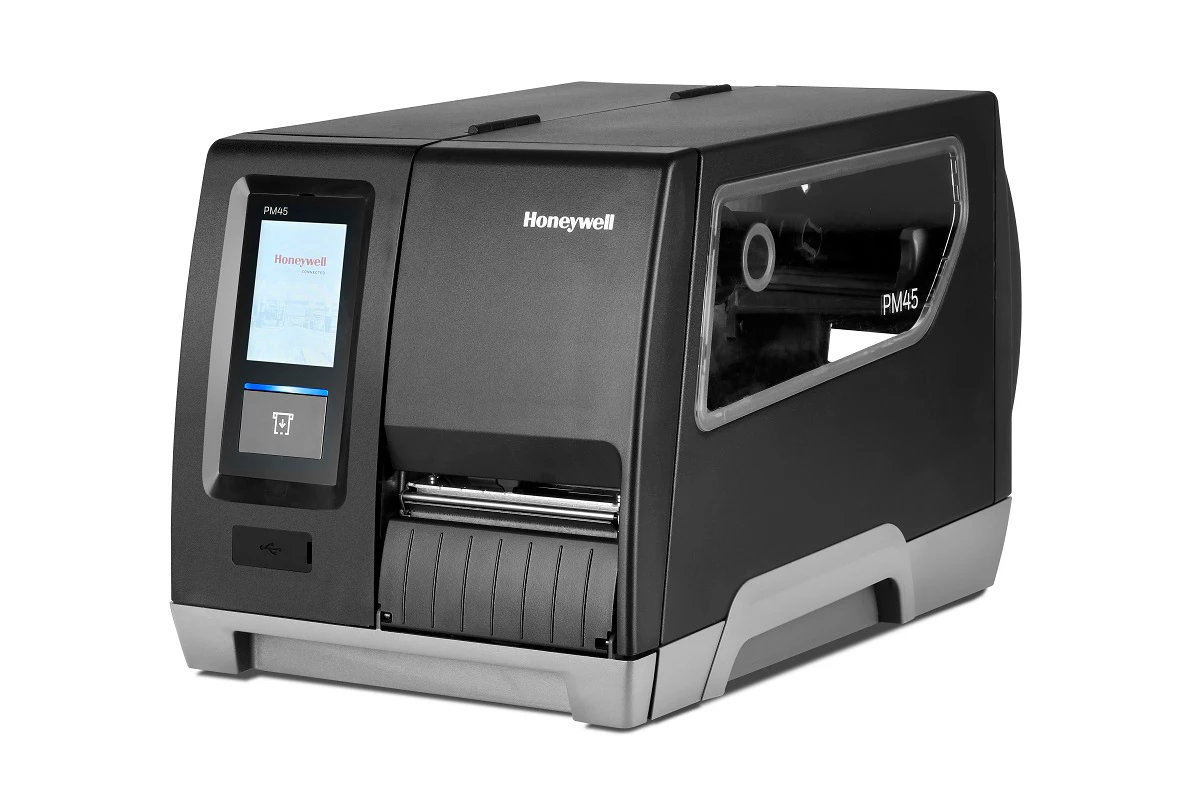
Honeywell PM45, imprimante industrielle
Imprimante industrielle de milieu de gamme avec connectivité WWAN, conçue pour le suivi et la traçabilité à grande échelle.
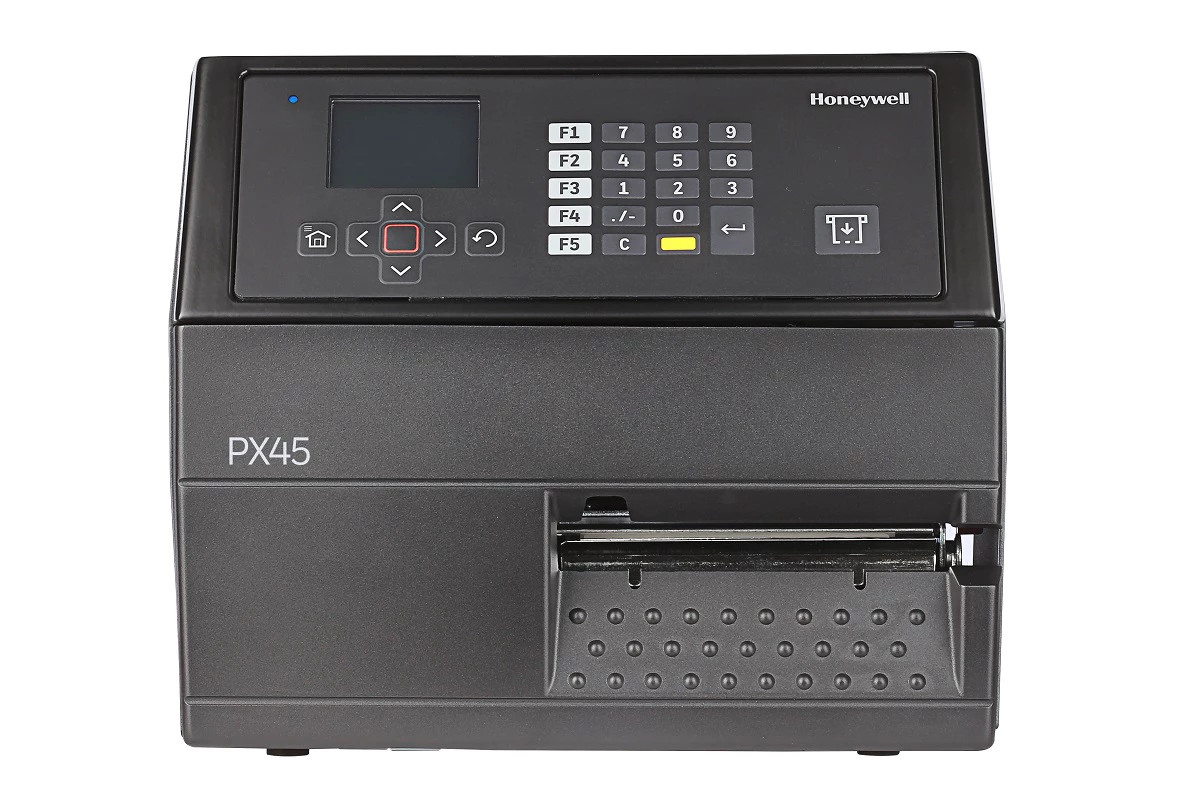
Honeywell PX45, imprimante industrielle
Imprimante industrielle compacte tout métal allant jusqu'à 12 po/s, avec 406 ppp offerts pour les codes à barres denses.
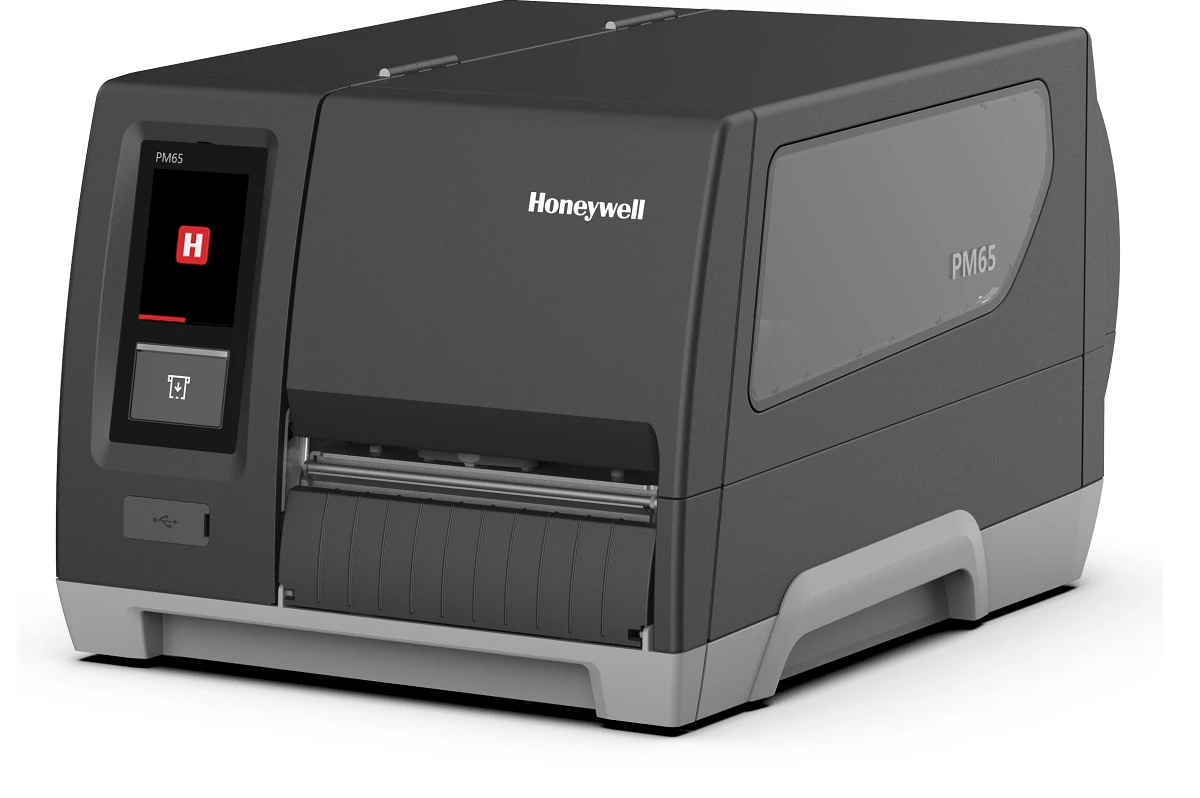
Honeywell PM65, imprimante industrielle
La PM de 6 po. Même moteur et même visibilité à distance que la PM45, dimensionnée pour les étiquettes et les étiquettes volantes plus grandes.
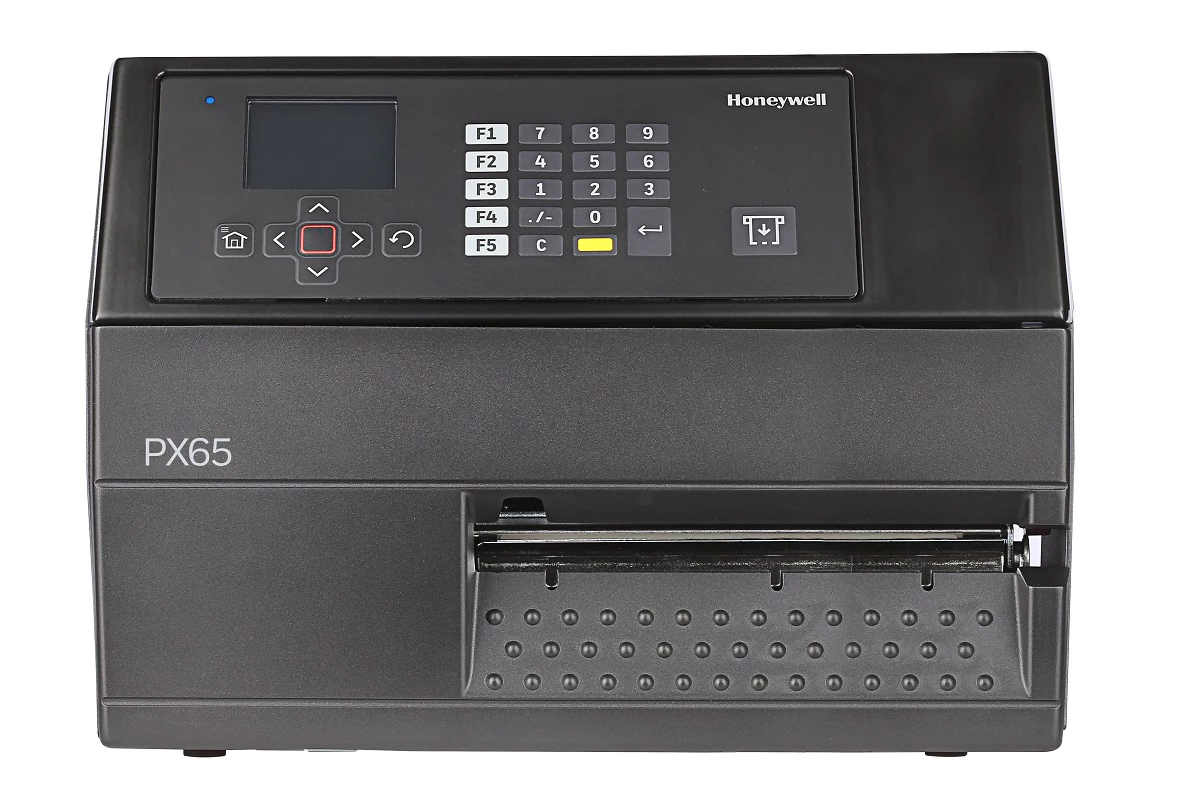
Honeywell PX65, imprimante industrielle
La PX grand format, même vitesse et même plateforme Smart Printer, dimensionnée pour les étiquettes et les étiquettes volantes plus grandes.
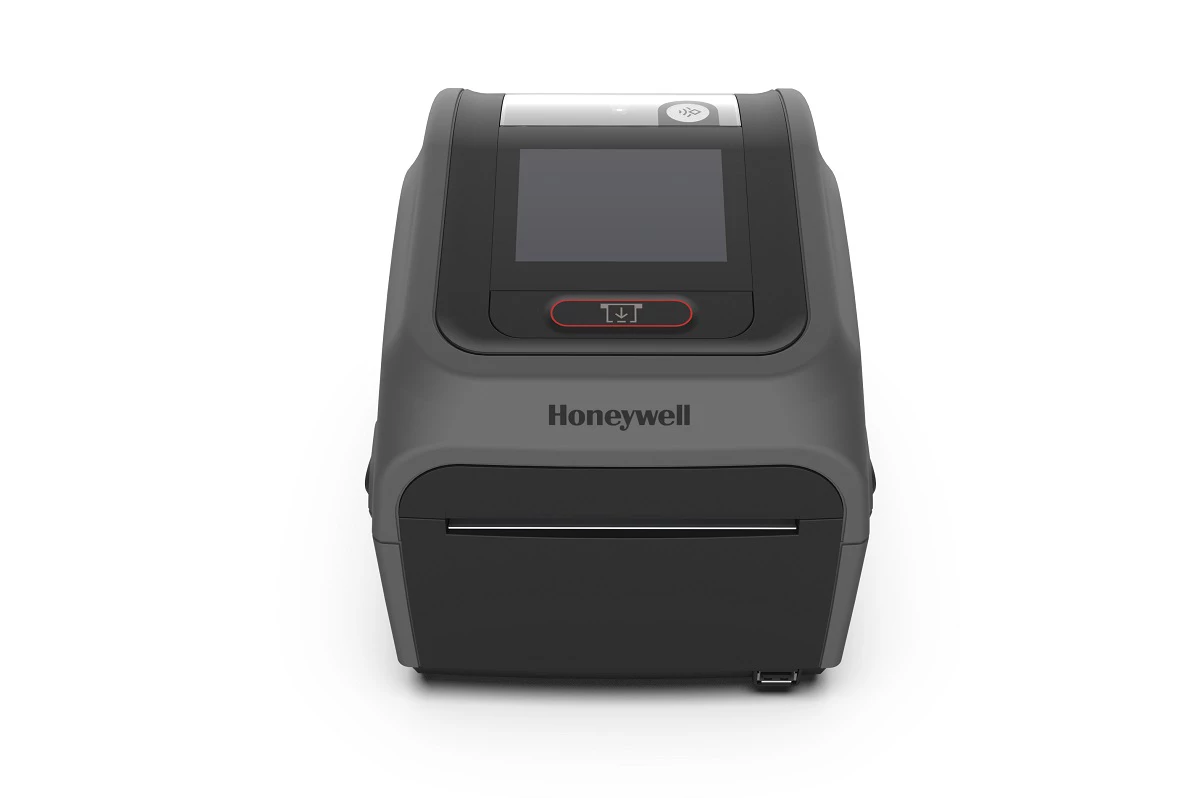
Honeywell PC45D, imprimante de bureau
La plateforme de bureau phare de Honeywell. Écran tactile complet, Wi-Fi et Bluetooth de série, garantie de 2 ans.
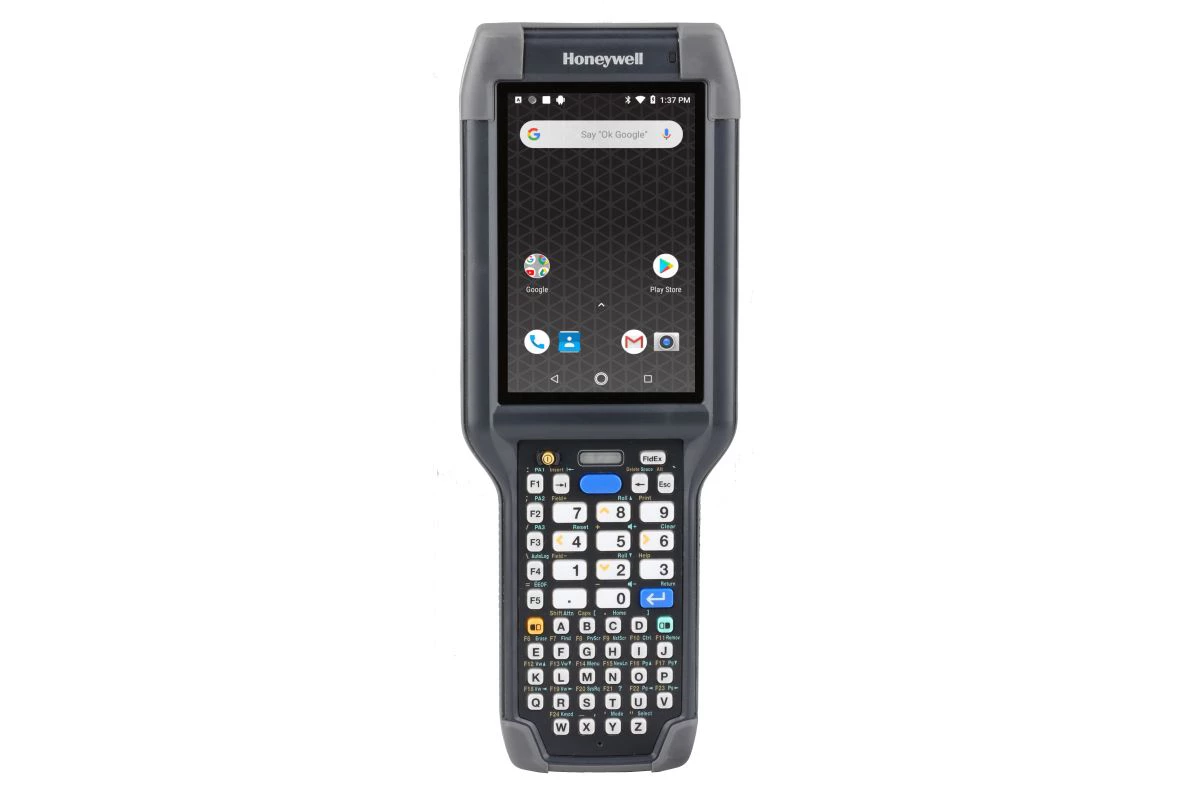
Honeywell CK65, ordinateur portatif ultra-robuste
Ordinateur ultra-robuste à clavier et écran tactile, conçu pour résister à des chutes de 3 m et tenir un quart de travail complet sur une seule charge.
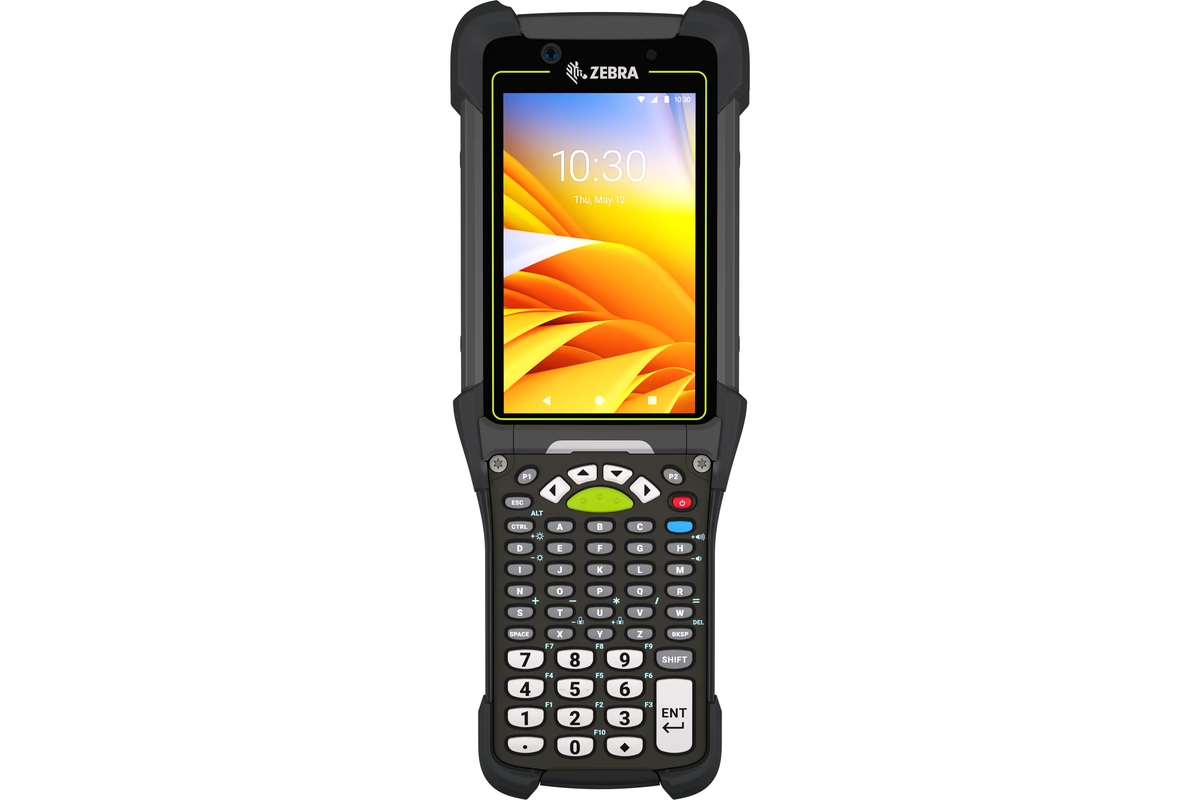
Zebra MC9400 et MC9450
Portatif ultra-robuste avec écran de 4,3 po et Wi-Fi 6E, avec données 5G sur le MC9450.
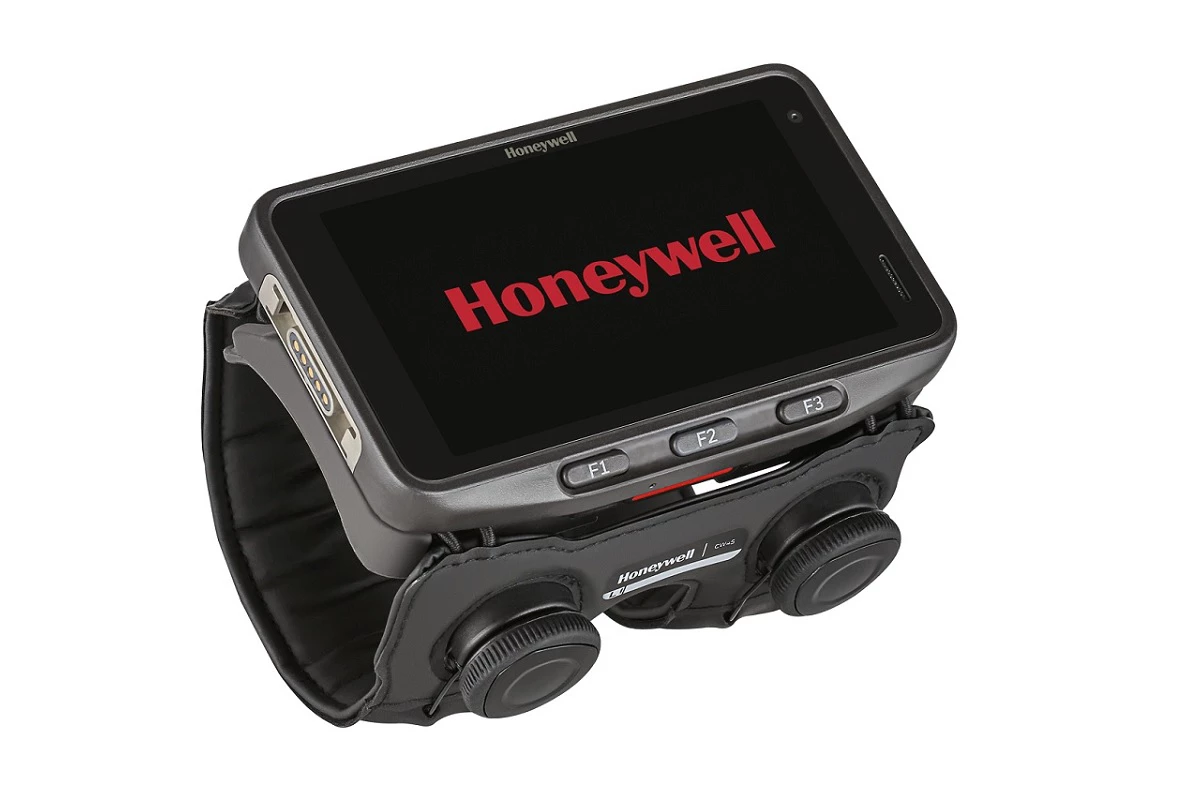
Honeywell CW45, ordinateur à porter
Ordinateur de 4,7 po porté au bras qui laisse les deux mains libres pour manipuler le carton.
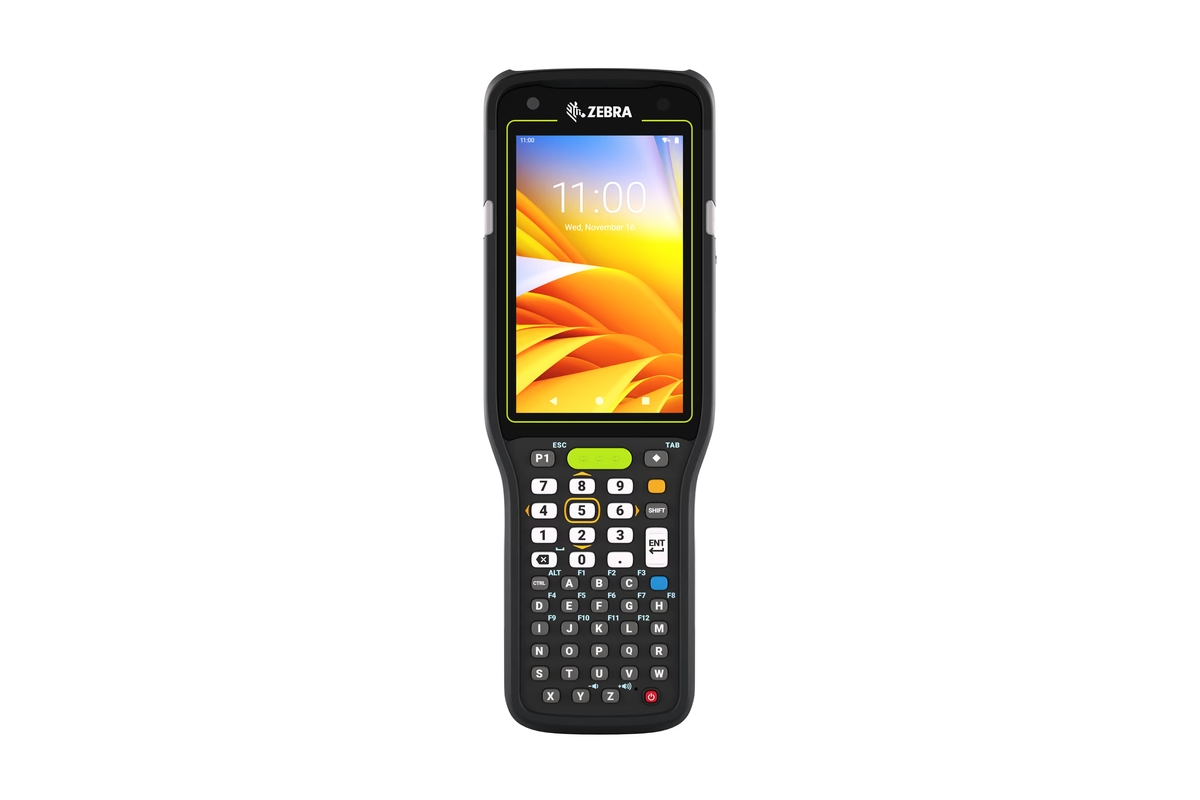
Zebra MC3400 et MC3450
Ordinateur mobile à clavier avec écran de 4 po et Wi-Fi 6E, avec données 5G sur le MC3450.
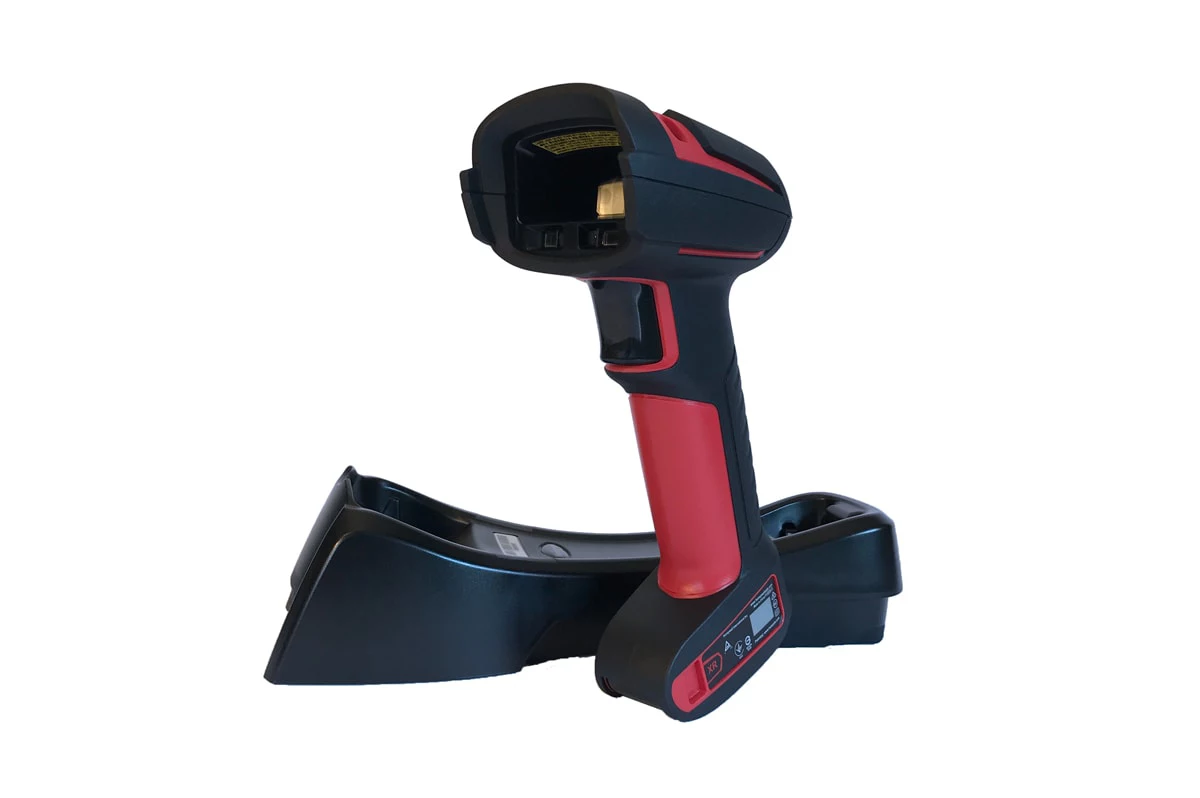
Honeywell Granit 1991iSR, lecteur
Lecteur industriel sans fil à portée standard. Le cheval de bataille de la gamme Granit.
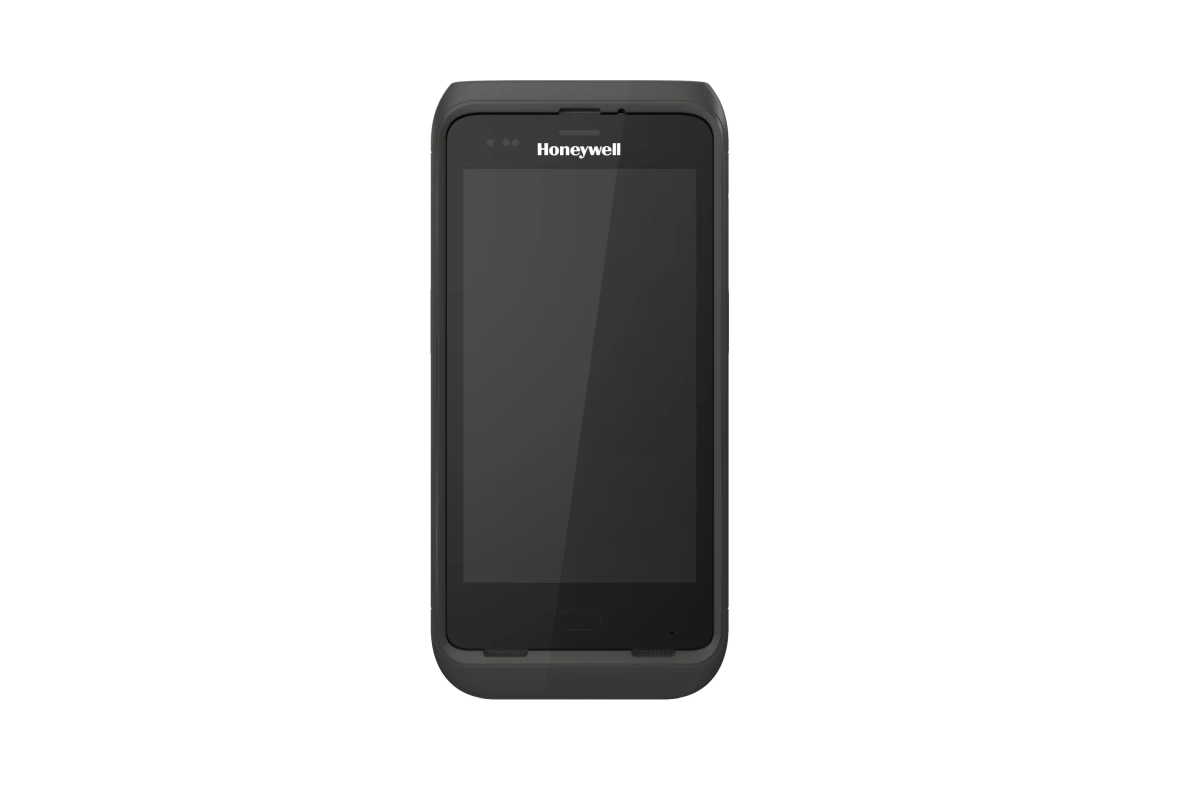
Honeywell CT45 / CT45 XP, ordinateur mobile
L'ordinateur tactile robuste tout usage. Le XP ajoute le Wi-Fi 6, un écran Full HD et plus de mémoire.
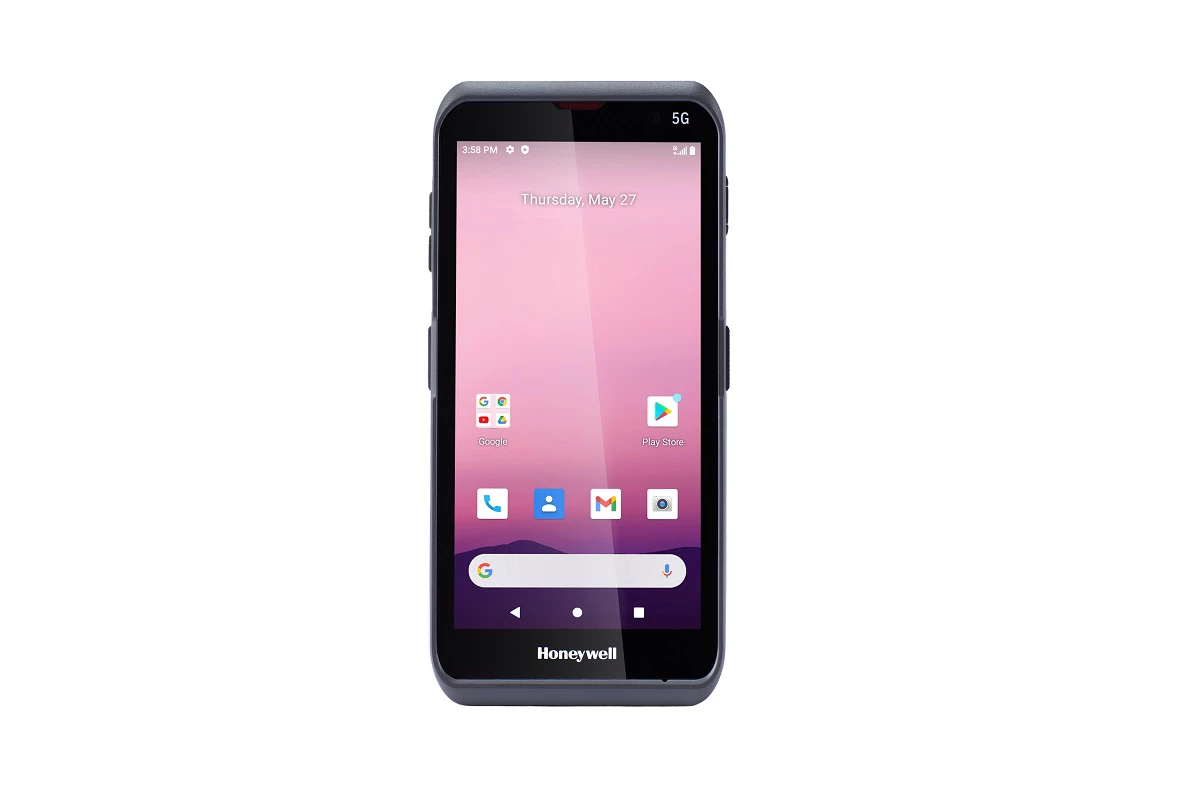
Honeywell ScanPal EDA57, ordinateur portatif
Le haut de la gamme ScanPal. Portatif d'entreprise 5G pour le commerce de détail, la logistique et la fabrication.
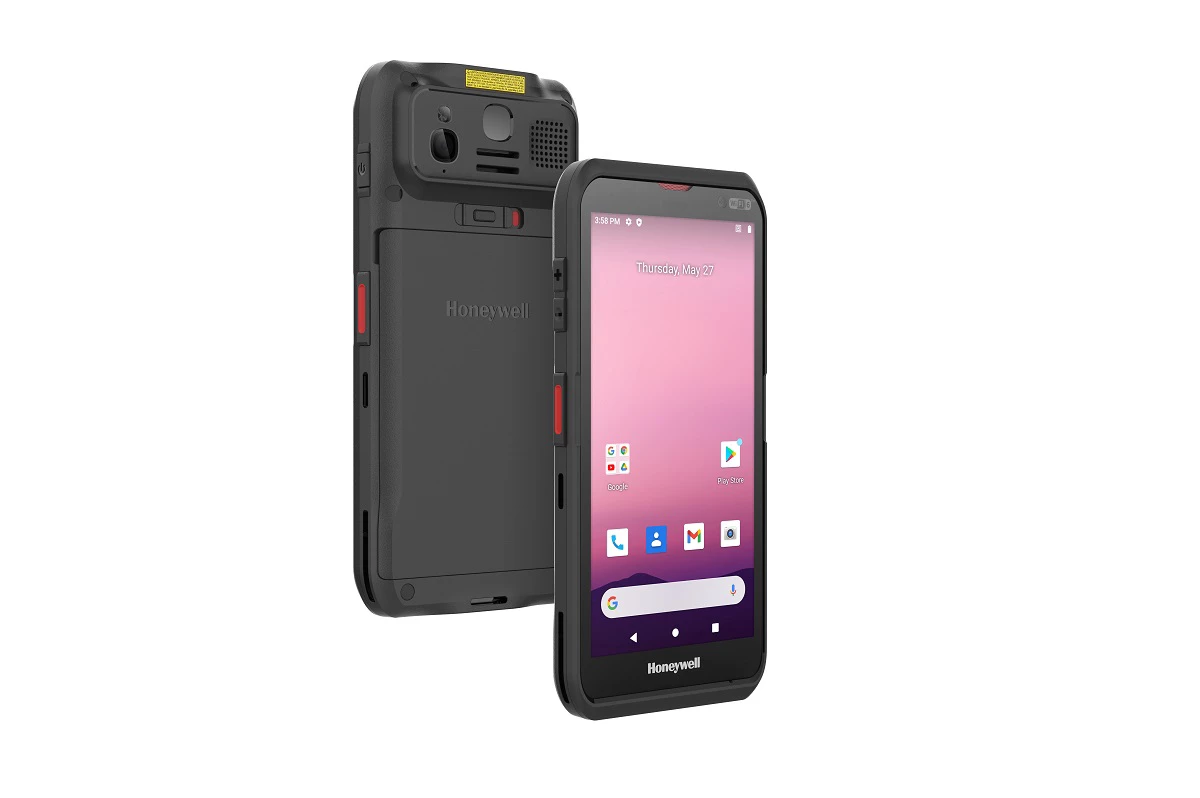
Honeywell ScanPal EDA56, ordinateur mobile
Portatif Wi-Fi 6 de gamme économique pour le commerce de détail, la fabrication et la logistique.
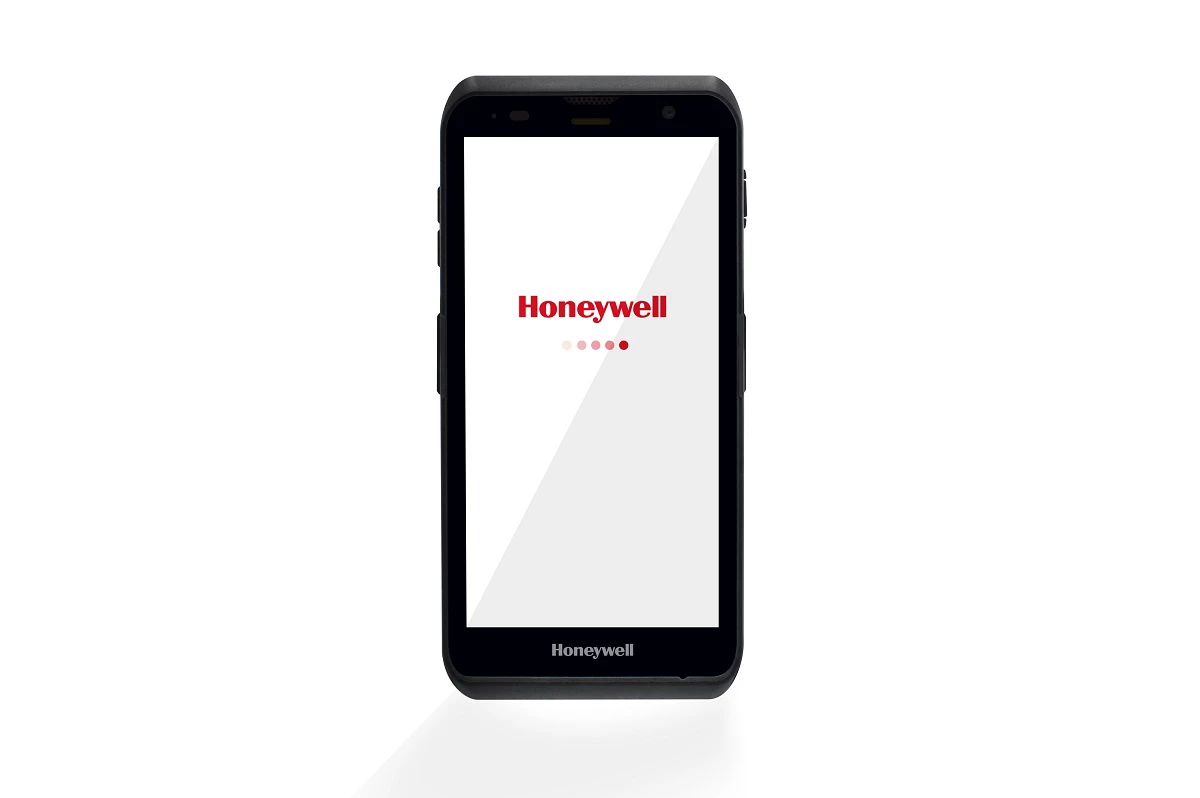
Honeywell ScanPal EDA52, ordinateur portatif
Le EDA52 tout usage, pour le commerce de détail, la logistique, la santé et la fabrication.
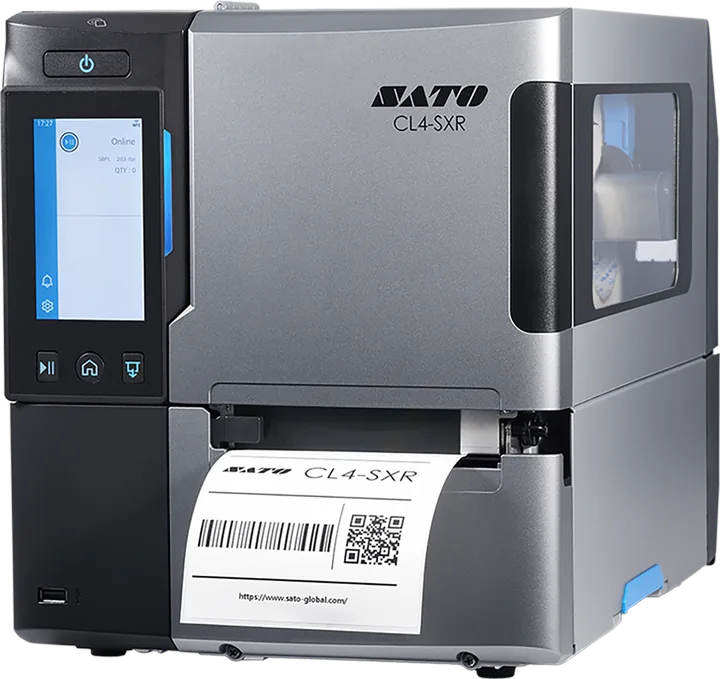
SATO CL4-SXR
La SATO de 4 po la plus récente, conçue pour les lignes où une étiquette manquée bloque une expédition. Précision d'impression de ±0,3 mm, maintenance prédictive pilotée par l'IA et écran tactile de 4,3 po avec guidage vocal.
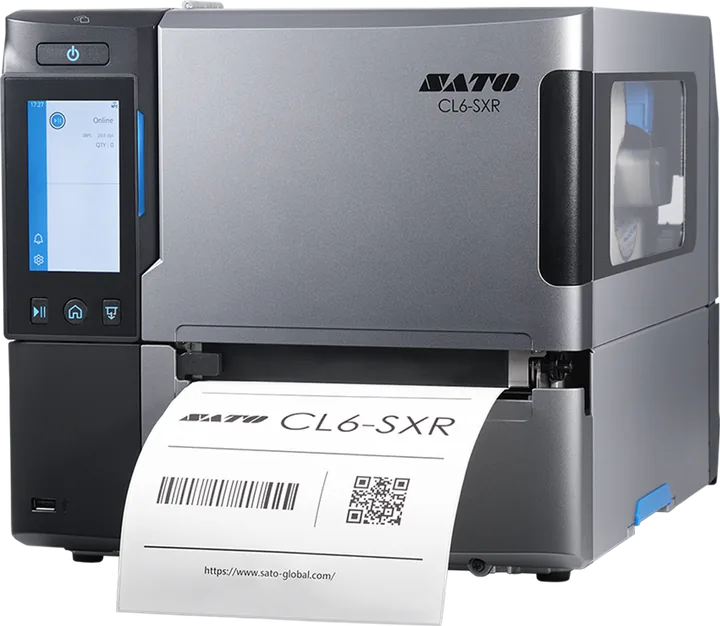
SATO CL6-SXR
La plateforme SXR en 6 po, pour les étiquettes de palettes, de cartons et de fûts. La même maintenance prédictive et le même écran tactile que la CL4-SXR, avec une option RFID UHF.
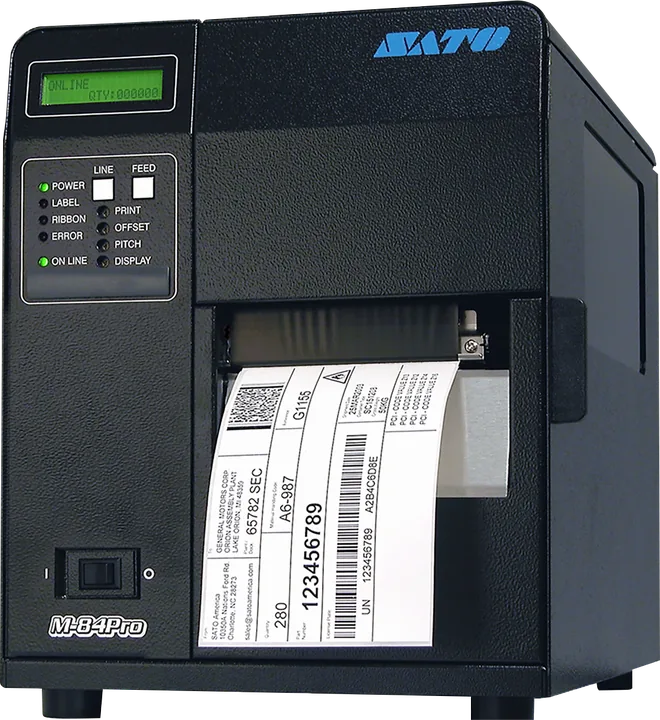
SATO M-84Pro
Impression intensive en 4 po, avec moins de pièces mobiles à maîtriser. Changez de résolution en remplaçant la tête d'impression; l'imprimante la détecte et s'ajuste.
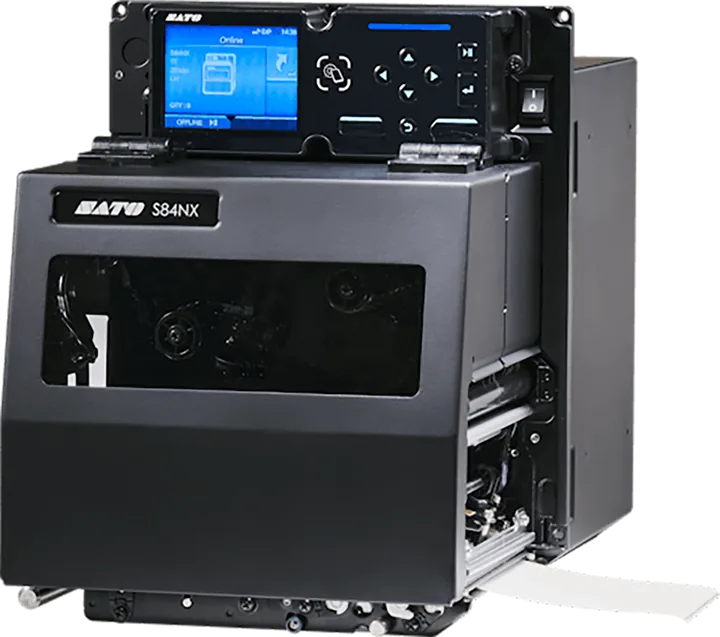
SATO S84NX
Le moteur de 4 po pour l'impression et la pose. Remplacement de la tête d'impression sans outil, écran couleur de 3,5 po et option RFID UHF.
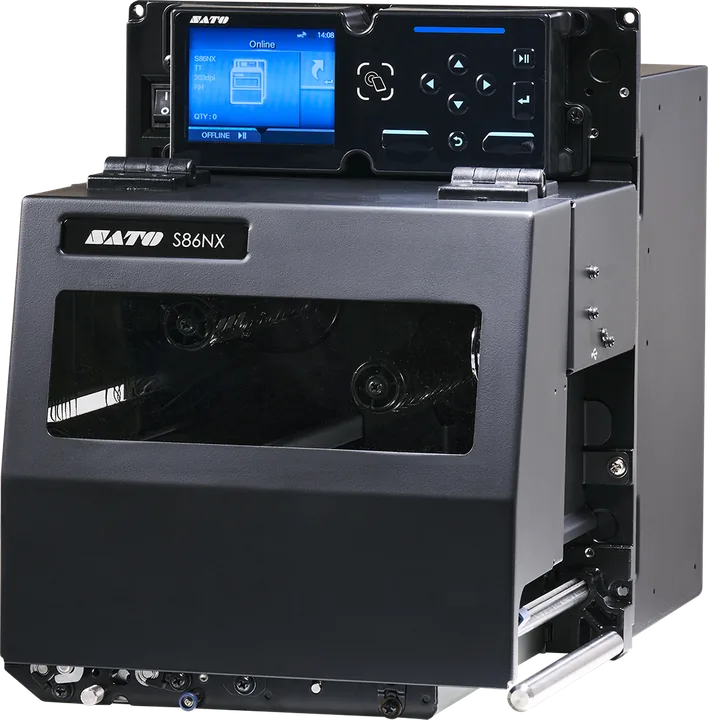
SATO S86NX
La version de 6 po du S84NX, pour les étiquettes de palettes et de grandes caisses sur la ligne.
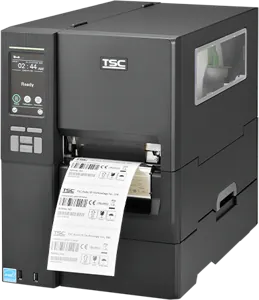
TSC MH 4 po
Le fleuron industriel de TSC : tête d'impression haut de gamme et vitesses les plus élevées.
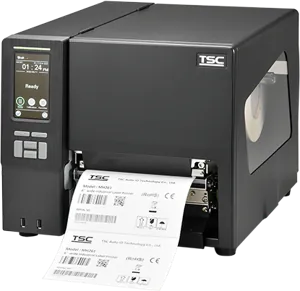
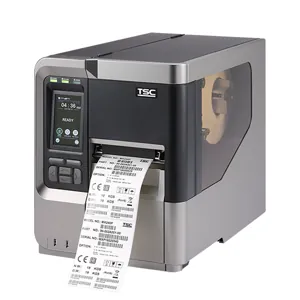
TSC MX 4 po
Les vitesses d'impression les plus élevées de TSC, pour la fabrication et l'expédition.
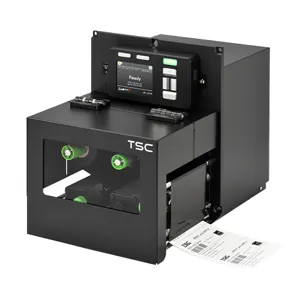
TSC PEX 4 po
Moteur d'impression à intégrer aux systèmes d'impression et de pose.
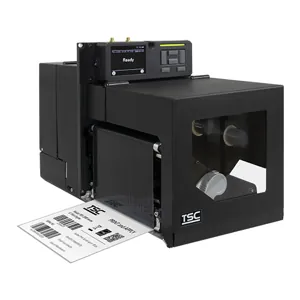
TSC PEX-2000 6 po
Moteur d'impression de 6 po pour l'automatisation de l'impression et de la pose.
Les étiquettes qui conviennent
L'étiquette est la composante du système qui doit survivre au procédé lui-même : la chaleur, les produits chimiques, le lavage à grande eau, l'abrasion, et une surface parfois huilée ou qui accepte à peine un adhésif. Choisir la bonne construction pour vos conditions, c'est ce qui garde un code lisible une fois que la pièce a traversé l'usine.
Sur le plancher de production, les étiquettes remplissent trois fonctions qui exigent trois constructions différentes. L'erreur la plus coûteuse consiste à acheter un seul matériau pour les trois.
Les étiquettes qui traversent un procédé ont besoin d'un matériau frontal et d'un adhésif conçus pour ce que subit la pièce : les fours de cuisson, les cycles de lavage, l'exposition aux produits chimiques ou l'abrasion dans un gabarit. Des matériaux frontaux haute température existent précisément pour cela, et c'est le surlaminé, et non le corps de l'étiquette, qui protège le code imprimé.
Les étiquettes de travaux en cours ont une vie plus courte, mais elles changent constamment de mains et se posent sur la surface qu'offre la pièce ou le support de transport, quelle qu'elle soit. Le métal huileux et les plastiques à faible énergie de surface sont les deux surfaces où un acrylique permanent standard décolle. Ces surfaces exigent un adhésif choisi en fonction de la surface elle-même plutôt que de ce qui se trouve sur la tablette.
Les étiquettes d'actifs et d'outillage sont celles qui doivent durer. Elles restent en place pendant des années sur la machinerie, souvent dans des zones de lavage à grande eau. On les choisit donc pour leur durée de vie et leur lisibilité plutôt que pour le débit.
Où l'identification intervient dans votre journée
Une pièce est identifiée à six endroits entre le quai de réception et la remorque d'expédition. La différence avec un entrepôt, c'est que la pièce elle-même se transforme à plusieurs de ces endroits, et son identité doit donc évoluer avec elle.
Réception des matières premières
C'est ici que la matière entrante reçoit sa première identité et sa référence de lot. Associez-la à la fiche du fournisseur, et chaque maillon en aval aura un point d'ancrage vers lequel remonter. Sautez cette étape, et la traçabilité n'a aucun point de départ, peu importe ce que vous ferez ensuite.
Identification au poste
La pièce est étiquetée pour le parcours qu'elle s'apprête à suivre plutôt que pour la tablette d'où elle vient. C'est à cette étape qu'on crée une identité de travaux en cours pour un élément qui n'a pas encore de numéro de pièce.
Travaux en cours
Chaque déplacement d'un poste à l'autre est saisi au moment où il se produit plutôt qu'entré à la fin du quart. Sans cela, un ordre de travail existe bel et bien sur le plancher, mais le système ne peut pas dire à quelle étape il est parvenu ni depuis combien de temps il attend.
Assemblage
Les composants sont liés à l'unité parente dans laquelle ils ont été intégrés. C'est l'étape qui rend la généalogie bien réelle, et c'est aussi celle qu'on saute le plus souvent, parce que rien ne semble défaillant jusqu'au jour où quelqu'un demande ce que contenait une unité précise.
Vérification
La vérification par vision ou par lecture confirme qu'il s'agit de la bonne pièce et de la bonne étiquette avant que l'unité poursuive son chemin. Détecter une non-concordance à cette étape coûte une reprise. La détecter chez le client vous fait perdre ce client.
Produits finis et expédition
L'unité finie reçoit l'étiquette que le client et le transporteur liront. Cette étiquette doit se lire chez eux, et pas seulement chez vous, et demeurer lisible après le procédé qui a produit l'unité.
Les questions qu'on nous pose le plus
Ces questions reviennent dans presque toutes nos discussions en usine. Les réponses courtes viennent d'abord, pour que vous puissiez juger rapidement s'il s'agit d'un problème d'étiquette, de saisie ou de systèmes.
GS1 Sunrise 2027 est-il obligatoire pour les fabricants?
Non. Sunrise 2027 est un objectif volontaire fixé par GS1, et non une loi : aucun organisme de réglementation ne l'encadre et aucune amende n'est prévue si vous le ratez. Ce qui n'est pas volontaire, ce sont les exigences de vos partenaires commerciaux : à mesure que les détaillants et les distributeurs passent aux codes 2D, un lecteur laser linéaire est physiquement incapable d'en décoder un. Si vos clients font le saut et que votre matériel ne peut pas suivre, c'est cela qui fixe votre échéancier, et non la date elle-même.
Qu'est-ce qui permet à une étiquette de résister à la chaleur, aux produits chimiques ou à un cycle de lavage à grande eau?
C'est la combinaison qui compte, et non une couche en particulier. Le matériau frontal doit conserver ses dimensions à la température visée pendant toute la durée d'exposition, l'adhésif doit maintenir son adhérence pendant ce même cycle et le surlaminé protège le code imprimé contre l'abrasion et les produits chimiques. Une construction qui réussit sur papier, mais échoue dans votre usine, a habituellement flanché sur la durée d'exposition ou sur la surface. Une réponse honnête exige donc de connaître vos conditions réelles.
Comment identifier une pièce qui n'a pas encore de numéro de pièce?
On attribue une identité à l'ordre de travail plutôt qu'à la pièce. Une étiquette de travaux en cours porte un numéro de série ou un identifiant de type « licence plate » qui accompagne l'article d'un poste à l'autre, et le système conserve ce que cette identité représente à ce moment-là. Le numéro de pièce arrive lorsque la pièce en devient vraiment une. D'ici là, c'est l'étiquette qui rend l'historique possible.
Le suivi des travaux en cours relève-t-il d'un WMS ou d'un MES?
Le suivi des travaux en cours au niveau des postes relève d'un MES, et il vaut la peine d'être clair à ce sujet. Un système de gestion d'entrepôt gère les stocks et les mouvements : ce qui a été reçu, où cela se trouve, ce qui a été expédié. Un système d'exécution de la fabrication gère les opérations, les gammes de fabrication et la généalogie au poste. Ahearn & Soper déploie et intègre le volet MES et peut vous dire dans lequel des deux votre problème se situe réellement.
La RFID en vaut-elle la peine sur un plancher de production, ou est-ce un problème de code à barres?
Tout dépend de savoir si quelqu'un doit s'arrêter. Le code à barres est la bonne réponse lorsque les pièces sont manipulées une à une et qu'on a une ligne de visée directe, et il coûte nettement moins cher par article. La RFID prend tout son sens lorsque les composants circulent en vrac, se trouvent dans des bacs ou des supports de transport, ou passent devant un point fixe plus vite que ne le permet une lecture article par article.
Que signifie la traçabilité quand une unité est assemblée à partir de six autres pièces?
Elle signifie conserver les liens parent-enfant, et pas seulement le numéro de série du produit fini. La généalogie permet de limiter un rappel ou une réclamation sous garantie au lot réellement touché plutôt qu'à tout ce qui a été fabriqué cette semaine-là, et elle ne fonctionne que si chaque composant portait une identité qui a subsisté jusqu'à l'assemblage.
Lectures connexes


Réservez une visite guidée de votre exploitation
Dites-nous ce que vous utilisez aujourd'hui et à quel moment le registre cesse de correspondre à ce qui s'est réellement passé. Un spécialiste lit votre message, pose les deux ou trois questions qui décident vraiment de la réponse et vous revient avec ce qui changerait, plutôt qu'avec une liste de pièces.
Merci, nous avons reçu votre demande
Un spécialiste vous répondra dans un délai d’un jour ouvrable.
Une erreur s’est produite et vos renseignements n’ont pas été envoyés. Veuillez réessayer dans un instant.