Food & Beverage Traceability Labeling: What FSMA 204 Actually Requires
Prepare for FSMA Section 204 with practical insights into traceability, GS1 labeling, record keeping, and recall readiness.
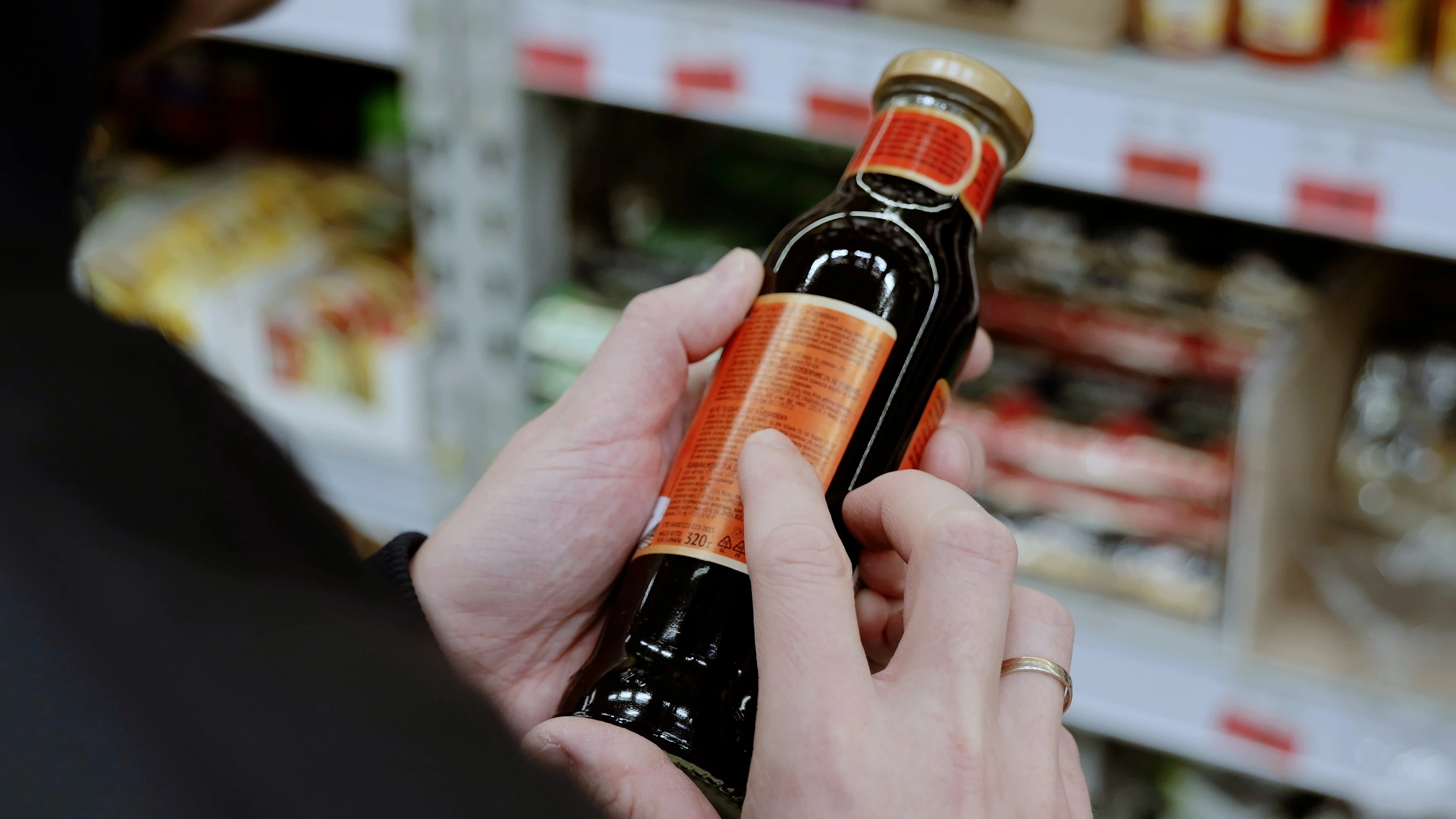
If you manufacture, process, pack, or hold foods on the FDA's Food Traceability List (FTL), you're facing a compliance date that has already moved once and is treated by regulators as final: July 20, 2028. The rule's substantive requirements haven't changed, only the enforcement date has, and the labeling and record keeping infrastructure it demands takes years to build, not months. Retailers aren't waiting for the federal deadline either: several major retail traceability programs already require GS1-standard labeling today.
This is a practical breakdown of what FSMA Section 204 requires, how it connects to your labeling process specifically, and what "recall-ready" looks like on the shop floor.
What FSMA 204 requires, in plain terms
FSMA Section 204, the FDA/CFIA Food Traceability Rule (21 CFR Part 1, Subpart S), requires covered entities to maintain records of Key Data Elements (KDEs) at defined Critical Tracking Events(CTEs) in a food's journey: growing, receiving, transforming, creating, shipping, and other points in the supply chain. When the FDA requests records during an outbreak investigation, covered entities must produce them in an electronic, sortable format within 24 hours.
The rule doesn't mandate a specific technology. But a 24-hour, sortable-format response requirement makes paper-based or disconnected record keeping impractical for most covered operations, which is why the rule points to GS1 standards as one accepted way to structure the data: a Key Data Element like a Global Trade Item Number (GTIN) can be directly tied to a Critical Tracking Event, the location it moves through, and the traceability lot code assigned to it.
Where labeling fits into traceability compliance
Recordkeeping and labeling are two different requirements that depend on each other. The record only works if the physical product can be reliably matched to it, which means:
Traceability Lot Codes (TLCs) must be assigned, printed, and scanned reliably at every Critical Tracking Event. A TLC that's correct in your system but printed with poor contrast, wrong placement,or a barcode that fails to scan under warehouse lighting breaks the chain the rule is designed to create, even though the underlying data was correct.
Case and pallet labeling must support both your CTEs and your customers' requirements. Several major retailers already require GS1-128 case labels and SSCC-18 pallet labels as a condition of doing business, ahead of, and independent of, the federal deadline. Chargebacks for non-compliant shipments are a today problem, not a 2028 problem.
Label durability must match the product's actual journey. Cold-chain proteins, high-humidity processing environments, and multi-touch distribution all stress labels in ways that degrade barcode scannability over time, precisely the failure mode that breaks a 24-hour traceability response when a lot can't be reliably identified at the point it's needed.
Building a recall-ready labeling process
A genuinely recall-ready operation can answer, for any lot, in well under the FDA's/CFIA’s 24-hour window:
- What Critical Tracking Events has this lot passed through, and when?
- What upstream ingredients or lots does it contain (for transformed products)?
- What downstream customers or locations received it?
- Can every barcode tie to this lot be scanned, today, by the equipment in use at each point in the chain?
That last question is the one labeling programs most often overlook. A traceability is only as good as the physical barcode's ability to be scanned reliably months after printing, after refrigeration, after handling. This is where barcode verification, checking print quality against ISO/IEC 15416 grading strands, earns its keep in a food operation, not just a pharmaceutical one.
A practical readiness checklist
- Confirm which of your products appear on the FDA/CFIA Food Traceability List and which Critical Tracking Events apply to your operation.
- Map your current label content against the Key Data Elements required at each applicable CTE, product description, traceability lot code, quantity, location, and relevant dates.
- Verify barcode scannability under real operating conditions (cold storage, high humidity, high-speed line scanning), not just at the point of print.
- Confirm your labeling equipment can produce GS1-128 case labels and SSCC-18 pallet labels if required by your retail trading partners now, independent of the federal timeline.
- Run a mock traceback: pick a lot at random and time how long it takes your team to answer the four readiness questions above, end to end.
FAQ
When does FSMA 204 actually take effect?
The compliance date was extended from January 20, 2026, to July 20, 2028, following an FDA/CFIA-proposed 30-month extension and a subsequent Congressional directive not to enforce before that date. The rule's substantive requirements did not change, only the enforcement date.
Does FSMA 204 require a specific barcode or labeling technology?
No. The rule requires that Key Data Elements be captured and producible within 24 hours in an electronic, sortable format. It does not mandate a specific technology, but GS1 standards (GTIN, GLN, traceability lot codes) are widely used because they map directly to the rule's Critical Tracking Events and Key Data Elements.
Do I need to comply now if my compliance date is 2028?
If you sell into retail channels with their own traceability requirements, likely yes, several major retailers already require GS1-standard case and pallet labeling as a condition of shipment, independent of the federal deadline.
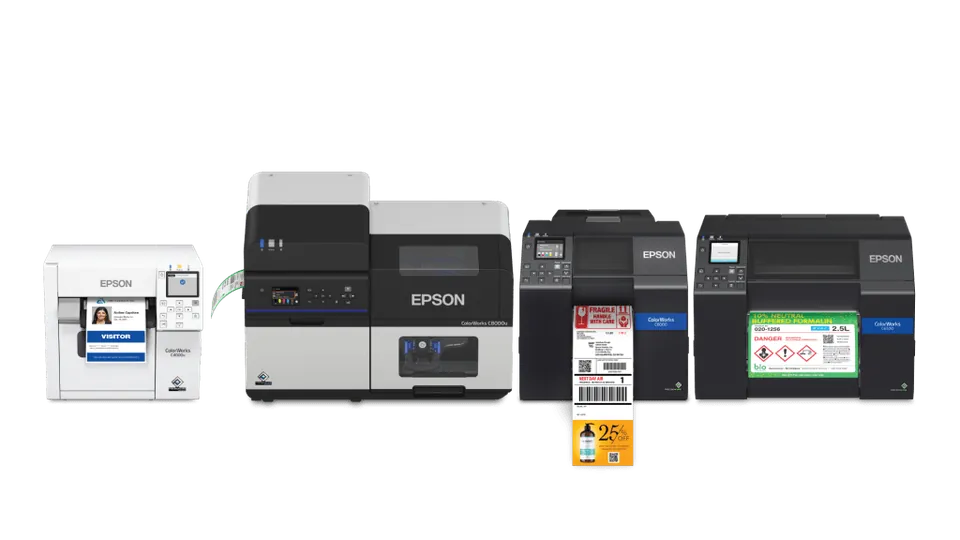
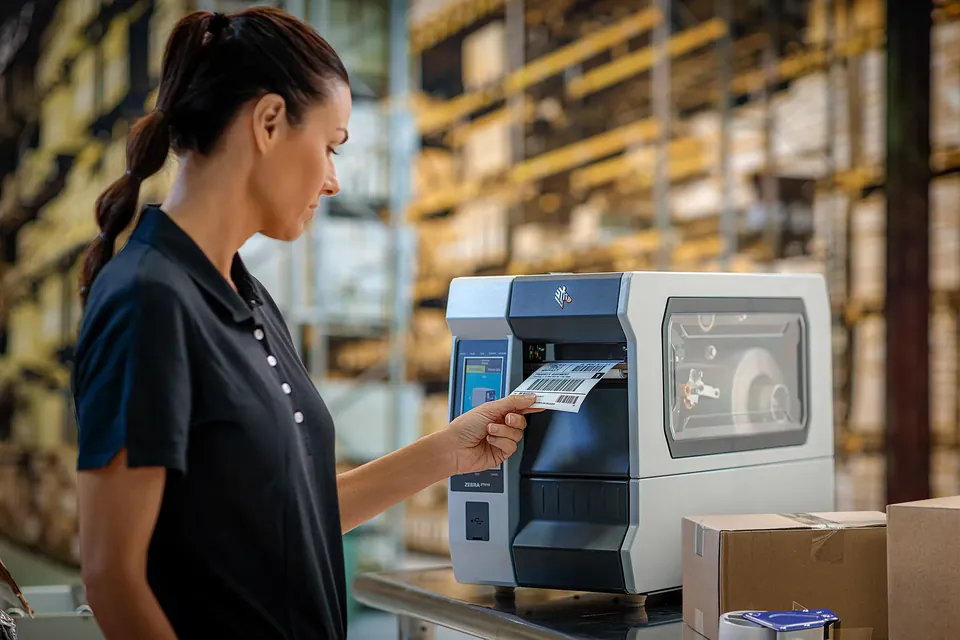
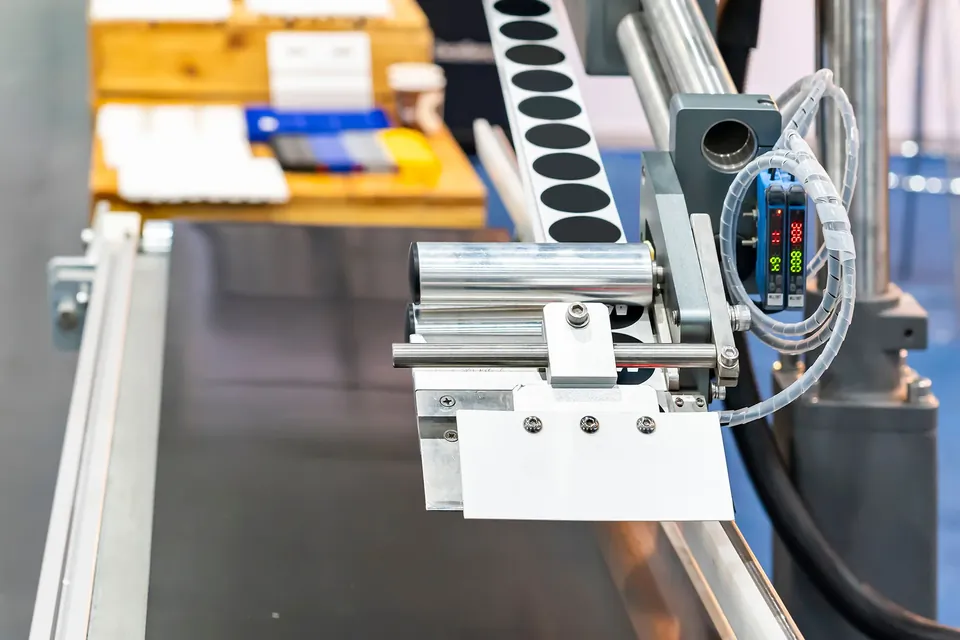
Ahearn & Soper's ProVision Labels and label applicator systems help food and beverage manufacturers produce compliant, scannable GS1 case and pallet label sat production speed. Get a label quote or explore our label applicator systems.
Articles you might read next
Three more reads on accuracy, labelling, traceability and the systems underneath them.
Ready to talk about your operation?
Tell us what your warehouse has to do, and we will tell you plainly whether we can help.