Cet article est en anglais. La version française est en préparation.
Blood Bank and Laboratory Specimen Labels: Preventing Critical Errors
How blood banks and labs prevent specimen labelling errors: labels that survive the lab, bedside labelling, regular audits and new technology.
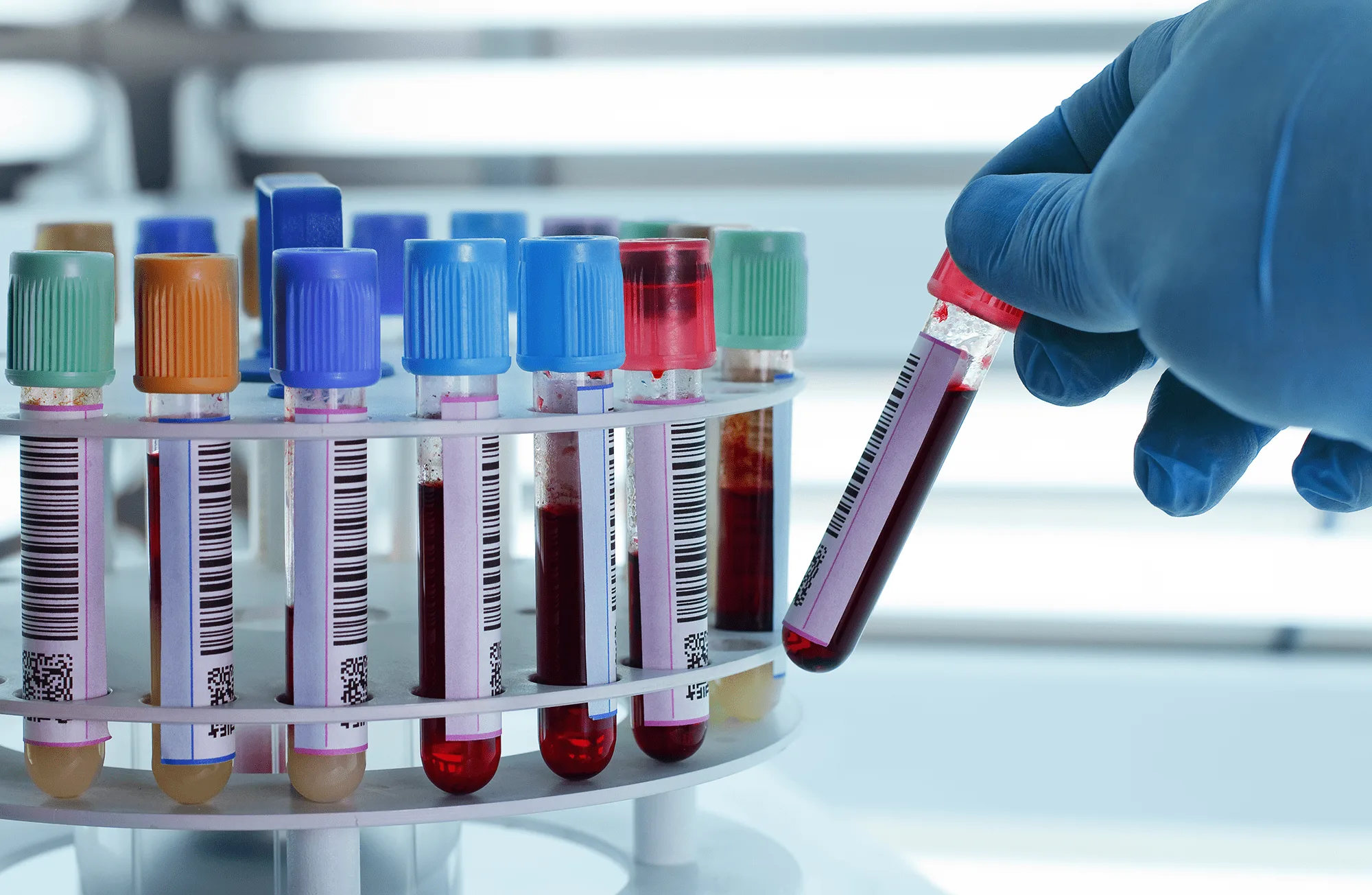
You prevent specimen labelling errors with three things: labels built to survive the lab, a strict bedside labelling routine, and a culture that reports and learns from mistakes. Blood bank samples need the tightest controls, because a single wrong label can lead to a fatal transfusion. Barcodes, mobile printers and regular audits close the remaining gaps.
In blood banks and clinical labs, one labelling error can have terrible results. Mislabelled specimens, transfusion reactions and delayed diagnoses are not just numbers. They are real threats to patients. For lab managers and patient safety officers, strong labelling rules are more than a regulatory box to tick. They are a basic part of quality care.
How big is the risk of specimen labelling errors?
Specimen mislabelling is one of the most stubborn problems in healthcare. In a study of 122 laboratories, 1.12% of blood bank samples were mislabelled, and 0.04% (about 1 in 2,500) had the wrong blood in the tube [3]. Blood bank samples need the highest accuracy, because transfusion errors can kill.
One wrong blood type label can lead to an ABO-incompatible transfusion, which can be fatal. Yet these events are preventable with proper patient identification.
The harm goes beyond the patient in front of you. Mislabelled specimens get rejected and must be collected again, which delays diagnosis and treatment. They raise lab costs through wasted materials and staff time. Most of all, they damage patient trust and expose your facility to liability.
What causes specimen labelling errors?
Most labelling errors happen at a few key points before testing begins. Common causes include:
- Labelling tubes before identifying the patient
- Copying errors when writing details by hand
- Using the wrong patient's label from nearby specimens
- Not checking the patient's identity at the bedside
Poor lighting, interruptions during collection and time pressure make these risks worse.
Blood bank samples have their own weak spots. Blood typing and crossmatching demand total certainty about who the patient is. In emergencies, speed matters, but skipping steps can raise error rates. Patients with similar names, patients who are unconscious or cannot speak, and newborns all need extra identification safeguards.
What features should laboratory labels have?
Good specimen labels are the base of accurate patient identification through every test. Labels made for labs and blood banks need several key features to cope with clinical conditions.
1. Adhesive that holds in extreme conditions
Lab specimens face temperatures that would defeat standard labels. Blood bank samples may be refrigerated at 1 to 6°C, the range US rules set for stored whole blood [1]. They may also be frozen at -20°C or below, or spun in a centrifuge at high speed, which creates heat. The adhesive must hold across this range. It must not curl, fall off or leave residue that could affect identification or automated processing.
2. Resistance to chemicals and moisture
In the lab, labels will meet blood, body fluids, disinfectants and reagents. They must resist damage from all of these and stay legible. The label stock and the print must not smudge or fade when they meet alcohol, bleach or other common lab chemicals.
3. Barcodes that scan every time
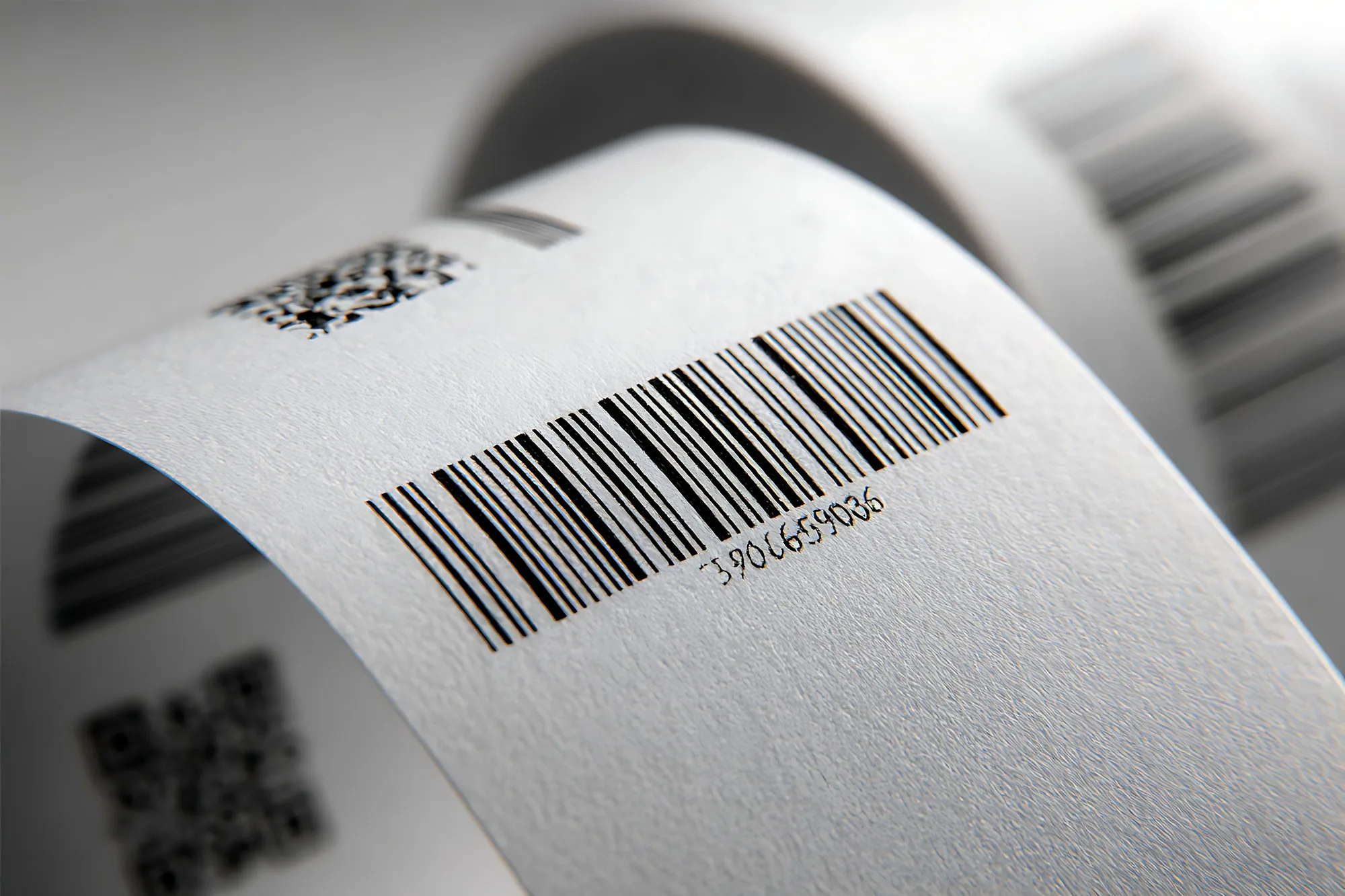
Modern labs rely on automated systems to track specimens and report results. Barcodes must stay readable after moisture, handling and storage. Barcode quality matters. Quiet zones, bar width ratios and contrast all affect how well scanners read the code. Good barcodes mean fewer scanning errors that could put the specimen at risk.
4. Print that lasts
You might use thermal transfer, direct thermal or laser printing. Either way, the print must stay sharp from collection to disposal. Smudged names, unreadable dates or faded barcodes make checks harder and raise the risk of error. Quality label stock, paired with the right printing method, keeps information readable for the specimen's whole life.
What are the best practices for blood bank labelling?
Blood bank samples demand the highest labelling accuracy. AABB (the Association for the Advancement of Blood & Biotherapies) [2] and the College of American Pathologists (CAP) publish detailed standards. Both stress positive patient identification and proper labelling as key safety requirements.
Label at the bedside
The gold standard is to label tubes at the patient's bedside, right after positive identification. Use at least two independent identifiers. These are usually the patient's full name and date of birth or medical record number. Check them against the patient's wristband before you collect. Then label each tube at once with all required details: patient identifiers, collection date and time, and the phlebotomist's initials.
Pre-labelled tubes are convenient, but they bring unacceptable risk in blood banking. Staff can grab the wrong tube. A label meant for one patient can end up on another patient's sample. Either mistake can be catastrophic. Canadian transfusion guidance says samples must be labelled in the patient's presence at the time of collection [4]. UK guidance goes further: sample tubes should never be pre-labelled [5].
Include the right information
Every blood bank label must carry certain details so each sample can be traced. At minimum, show:
- The patient's full legal name
- A second unique identifier, such as date of birth or medical record number
- The collection date and time
- The phlebotomist's ID
Many facilities also add the ordering physician, specimen type and any special handling needs.
For transfusion services, think about colour-coded labels for each specimen type, such as type and screen, crossmatch or direct antiglobulin tests. A visual cue lowers the risk of running a specimen through the wrong test.
Check identity electronically
Linking barcodes to electronic health records (EHR) adds another layer of safety. A point-of-care scanner reads the patient's wristband to confirm identity. It then prints a specimen label with a unique barcode tied to that patient visit. This cuts copying errors. It also creates an audit trail for every specimen from collection to result.
How can you reduce errors across all lab specimens?
Blood bank samples need the strictest controls. But every lab specimen benefits from a clear labelling routine that reduces errors and improves traceability.
1. Use one standard label layout
A consistent label design across your facility makes labels easier to read. Staff find key details faster. Put patient identifiers in the same spot on every label type. Use clear fonts, sized to read well in any lighting. Keep colour coding for a few well-defined uses. A complex colour system is hard to remember and easy to get wrong.
2. Put labels on the tube the right way
Where the label sits on the tube matters more than many people think. Apply labels lengthwise along the tube. Do not cover the fill lines or the maker's markings that staff may need to see. Make sure labels do not overlap, which can cause bubbles, peeling or hidden details. For small pediatric tubes, choose labels sized to fit all the details without wrapping several times or leaving large overhangs.
3. Label every tube in a set
When you collect several tubes from one patient, label every tube with all patient identifiers. Do not rely on rubber bands to keep tubes together. Do not label just one tube in a set. Tubes can get separated in transport or processing. A few extra seconds to label each tube prevents serious identification errors later.
How do you keep labelling quality high over time?
Even with great labels and clear rules, you need steady quality checks. They keep staff compliant and help you spot problems fast.
Run regular audits and competency checks
Schedule regular audits of labelling practice. Watch phlebotomy staff directly as they collect. Review rejected specimens for patterns. Are certain staff, collection sites or times of day linked to more errors? Use what you find to target training or process fixes where they are needed most.
Run yearly competency checks that include specimen labelling as a core skill. Make sure staff can explain your policies, show the right technique and understand why the rules exist.
Set clear rejection rules
Set and enforce clear rules for rejecting specimens with labelling problems. Reject and recollect any specimen that is unlabelled, does not match its requisition, has an unreadable label or lacks required details. This may seem strict. But steady enforcement stops shortcuts and shows staff that labelling matters.
Record every rejected specimen and the reason. This data shows where errors happen. It also helps justify spending on process fixes or more training.
Investigate the root cause
When a labelling error happens, especially one that affects patient care, look for the root cause instead of blaming a person. Most errors come from system failures. Common culprits are unclear rules, weak training, confusing label designs or a work area that makes good labelling hard. Fixing these system issues prevents repeat errors better than discipline alone.
What new technology helps prevent labelling errors?
New technologies offer more ways to reduce labelling errors and make labs safer.
1. Mobile printing
Portable label printers linked to mobile devices let phlebotomists print labels at the bedside, right after they identify the patient. These systems can pull patient data straight from the EHR. That removes copying errors and makes sure labels are printed only after identity is confirmed.
2. RFID
Radio frequency identification (RFID) tags built into specimen labels add tracking that barcodes cannot. RFID systems can log each specimen's movement through the lab automatically. They can confirm specimens are stored in the right place. They can also alert staff when specimens near their expiry time or have left the safe temperature range.
3. Automated labelling
For high-volume labs, automated specimen processing systems apply labels with great accuracy and consistency. They check the tube type, apply the label the right way round and record when it was applied. This cuts handling errors and frees staff for more valuable work.
How do you build a culture of labelling safety?
Technology and rules give you a framework. Culture decides whether people use them well. Lab managers and patient safety officers play a key role. They can build a workplace where staff see proper labelling as part of patient care, not as paperwork.
Encourage staff to speak up about shortcuts or errors without fear of blame. Celebrate compliance and near-miss reports, not just failures. When errors happen, treat them as chances for the whole team to learn.
Share stories, with privacy protected, about how good labelling stopped an error or how a labelling failure hurt a real patient. Stories make policies real. They show why small details matter so much.
Why choose ProVision Labels by Ahearn & Soper Inc.?
The right labelling partner makes a measurable difference to your lab's safety. At ProVision Labels by Ahearn & Soper Inc., we design custom labels for the tough demands of blood banks and clinical labs.
Our labels hold their adhesion and stay legible in the extreme conditions your specimens face every day, from freezer storage to the centrifuge to chemical exposure. We work closely with lab managers to learn your workflows, equipment and challenges. Then we design labels that fit smoothly into your processes and make them safer and more efficient.
You may need blood bank labels that meet AABB standards, chemistry labels that survive automated processing or special labels for unique uses. Either way, our team brings decades of healthcare labelling experience to every project. We know that in your world, label failure is not just inconvenient. It is unacceptable.
Why do specimen labels matter so much?
Every specimen label is a promise. It promises that the sample will be tracked and tested accurately, so the right result reaches the right patient at the right time. In blood banking and lab medicine, minutes can matter and accuracy is not negotiable.
Invest in quality labels, follow evidence-based rules, use the right technology and build a culture of safety. Do this, and lab managers and patient safety officers can greatly reduce identification errors. The result is more than compliance or lower liability. It is confidence that your lab delivers the accurate results that clinicians and patients rely on.
Specimen labels can seem like a small detail. But as every lab professional knows, there are no small details in our field. There are only critical ones.
To learn more about lab and blood bank labels designed for safety and reliability, contact ProVision Labels by Ahearn & Soper Inc. Our team is ready to help you choose or customize labels that meet your facility's needs and support patient safety.
Frequently asked questions
What information should a blood bank specimen label include?
At minimum, the patient's full legal name, a second unique identifier such as date of birth or medical record number, the collection date and time, and the phlebotomist's ID.
Why should blood bank tubes not be pre-labelled?
Staff can grab the wrong pre-labelled tube, or a label meant for one patient can end up on another patient's sample. Labelling at the bedside, right after positive identification, avoids both risks.
What conditions must laboratory specimen labels withstand?
Refrigeration, freezing at -20°C or below, the heat of high-speed centrifuges, and contact with blood, body fluids, alcohol, bleach and other lab chemicals, while keeping barcodes readable.
Sources
- eCFR, 21 CFR 640.4(h), storage of Whole Blood between 1 and 6°C.
- AABB, "About AABB" (AABB is now the Association for the Advancement of Blood & Biotherapies).
- Grimm E, Friedberg RC, Wilkinson DS and others, "Blood bank safety practices: mislabeled samples and wrong blood in tube", Archives of Pathology & Laboratory Medicine, 2010;134(8):1108 to 1115.
- Canadian Blood Services, Clinical Guide to Transfusion, chapter 8, "Pre-transfusion testing".
- British Committee for Standards in Haematology, "Guideline on the administration of blood components".
Articles you might read next
Three more reads on accuracy, labelling, traceability and the systems underneath them.


Ready to talk about your operation?
Tell us what your warehouse has to do, and we will tell you plainly whether we can help.