Cet article est en anglais. La version française est en préparation.
Entry-level Android mobile computers compared: Point Mobile, Datalogic and CipherLab
The Point Mobile PM75, Datalogic Memor 12 or 17 and CipherLab RS36 all suit everyday scanning; they differ in Android path, sealing and batteries.
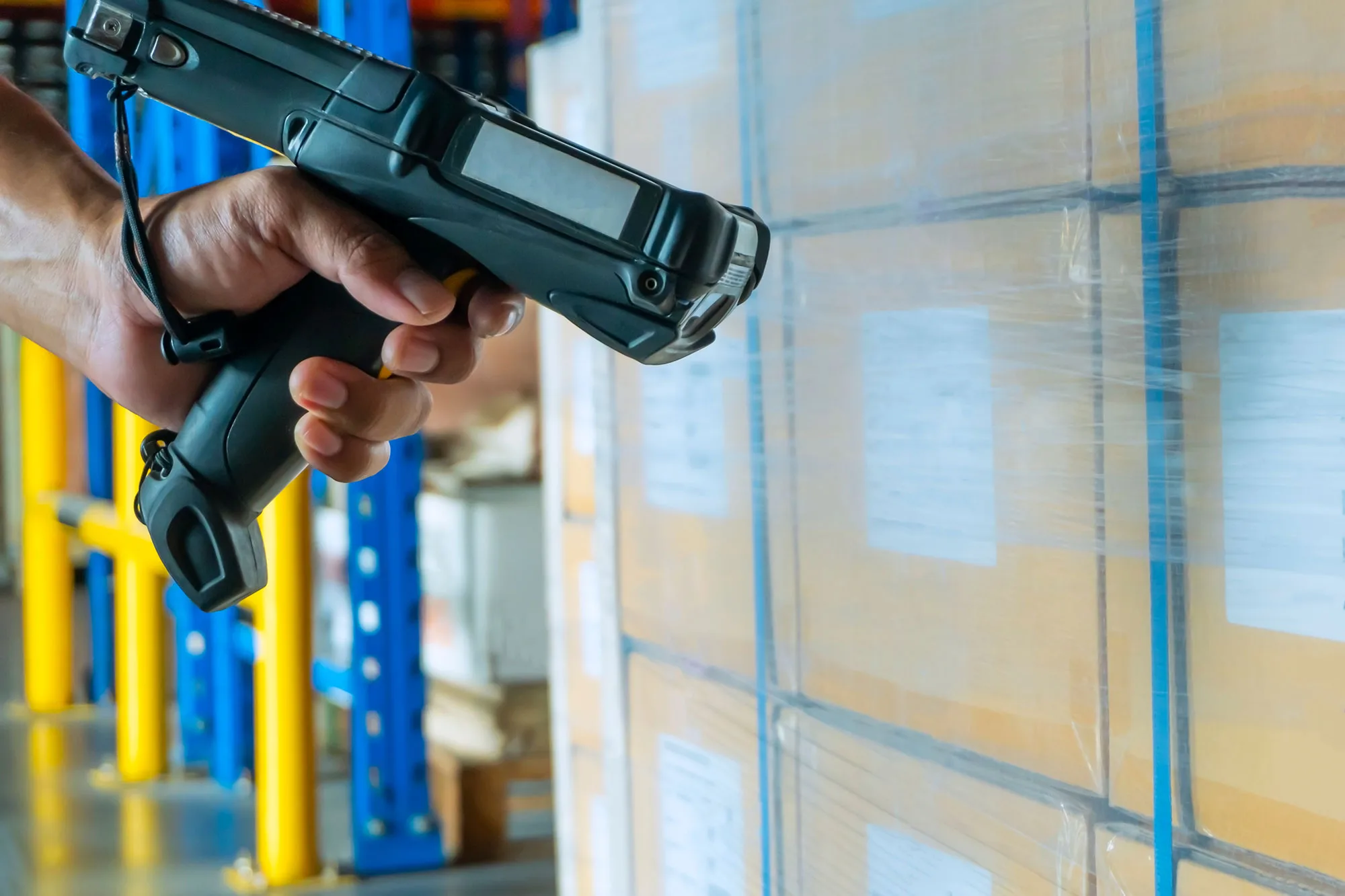
For everyday scanning in a warehouse or store, three good entry-level picks are the Point Mobile PM75, the Datalogic Memor 12 or Memor 17, and the CipherLab RS36. Choose the Memor for the newest Android and the longest upgrade path. Choose the RS36 for hot-swap batteries and RFID. Choose the PM75 for a light, simple device for indoor work.
What is an entry-level Android mobile computer?
It is a rugged, phone-shaped handheld with a built-in barcode scanner. It runs Android with Google Mobile Services (GMS), so it works with common apps and device management tools. Entry-level models usually have a full touch screen and lighter rugged specs than flagship models. They suit indoor work such as picking, receiving, stock counts and price checks.
Datalogic’s Memor 12-17 data sheet places the family in its entry-level tier. Point Mobile and CipherLab do not use that label, so we chose each brand’s compact, mainstream touch model. All specs below come from the makers’ own product pages and data sheets.
The three models at a glance
Point Mobile PM75
- Android 11, upgradeable to Android 14
- 5.5 inch HD+ touch screen
- Choice of N3601 or N6603 1D/2D scan engine
- 2,900 mAh battery, or 5,800 mAh extended battery
- IP65, multiple 1.5 m (5 ft) drops to concrete
- 246 g (8.7 oz) with the standard battery
Point Mobile’s PULS program gives Android and security updates for up to seven years after a product’s launch. See the PM75 page for full specs.
Datalogic Memor 12 and Memor 17
- Android 13 or 15 with GMS, platform upgradeable to Android 19
- 6 inch FHD+ touch screen with Gorilla Glass 7
- Datalogic Halogen DE2121-DL scan engine with Green Spot (a green light on the label that confirms a good read)
- 4,000 mAh battery with wireless charging
- IP65 and IP68 in Datalogic’s data sheet; some part numbers list IP67, so confirm the rating for your exact model
- Multiple 1.5 m (4.9 ft) drops to concrete with a rubber boot, 1.3 m (4.3 ft) without
- 245 g (8.6 oz)
The Memor 12 is Wi-Fi only. The Memor 17 adds 5G. The data sheet lists SafeSwap, which protects app data during a battery change, on the Memor 17 only. See the Memor 12-17 page.
CipherLab RS36
- Android 12 or 14 with GMS, upgradeable to Android 14 or 16
- 5.5 inch HD+ touch screen, 630 nits for outdoor use
- Standard range imager, or an advanced range imager for far scans
- 4,000 mAh battery, or 6,000 mAh extended, both hot-swappable
- IP65 and IP68, multiple 1.5 m (5 ft) drops to concrete, 1.8 m (6 ft) with a rubber boot
- 288 g (10.2 oz) with the standard battery
The RS36 also reads NFC and HF RFID tags. An optional add-on reader gives it UHF RFID. See the RS36 page.
How tough are they?
All three pass repeated drops to concrete, tested by each maker. The bigger gap is the IP rating, set by the IEC 60529 standard. The first digit covers dust: 6 means dust-tight. The second digit covers water:
- 5: protected against water jets
- 7: protected against temporary immersion, 1 m (3.3 ft) for 30 minutes
- 8: protected against continuous immersion, under conditions set by the maker that are more severe than for 7
The RS36 is IP68. The Memor 12-17 is IP67 or IP68, depending on the part number. The PM75 is IP65, so it is not rated for immersion. That is fine for indoor work, but worth noting for yard or dock use in rain.
Which one should you choose?
- Choose the Datalogic Memor 12 or 17 if you want the newest Android out of the box, the longest upgrade path, a larger 6 inch screen or wireless charging. Pick the Memor 17 if staff need 5G outside Wi-Fi range.
- Choose the CipherLab RS36 if shifts run long and you want hot-swap and extended batteries. It also fits if you scan labels on high racks or plan to add RFID.
- Choose the Point Mobile PM75 if your work is indoors, your apps run on Android 11 to 14, and you want a light device backed by Point Mobile’s PULS update program.
- Need a physical keypad? Point Mobile’s PM67 has a 24-key keypad, IP67 sealing and a 4,200 mAh battery.
What to check before you buy
- Android version: confirm your apps and your device management tool support it.
- Update support: ask how many years of security patches remain, not just the launch date.
- Scan distance: standard engines suit close work; high shelves need an extended or advanced range engine.
- Battery: count the hours in a shift and decide whether hot-swap matters.
- Accessories: price cradles, spare batteries and rubber boots with the device.
Frequently asked questions
Do entry-level handhelds run Google apps?
Yes. All three models listed here ship with Google Mobile Services (GMS). That gives access to Google Play apps and services.
Is IP68 better than IP65?
Both mean the device is dust-tight. IP68 adds protection when the device is under water, so it suits wet outdoor work better.
Can I upgrade the Android version later?
Yes, within limits set by the maker. The PM75 goes up to Android 14, the RS36 to Android 14 or 16, and the Memor 12-17 platform to Android 19.
Which model is the lightest?
The Memor 12-17 (245 g) and the PM75 (246 g) weigh about the same. The RS36 is heavier at 288 g with its standard battery.
Ahearn & Soper sells Point Mobile, Datalogic and CipherLab mobile computers. Talk to our team about your workflow, and we will help you pick the right device.
Articles you might read next
Three more reads on accuracy, labelling, traceability and the systems underneath them.


Ready to talk about your operation?
Tell us what your warehouse has to do, and we will tell you plainly whether we can help.