Cet article est en anglais. La version française est en préparation.
6 Key Effects on the Warehouse Automation Market
Warehouse automation is shifting due to economic uncertainty, tariffs, e-commerce changes, and evolving logistics investment strategies.
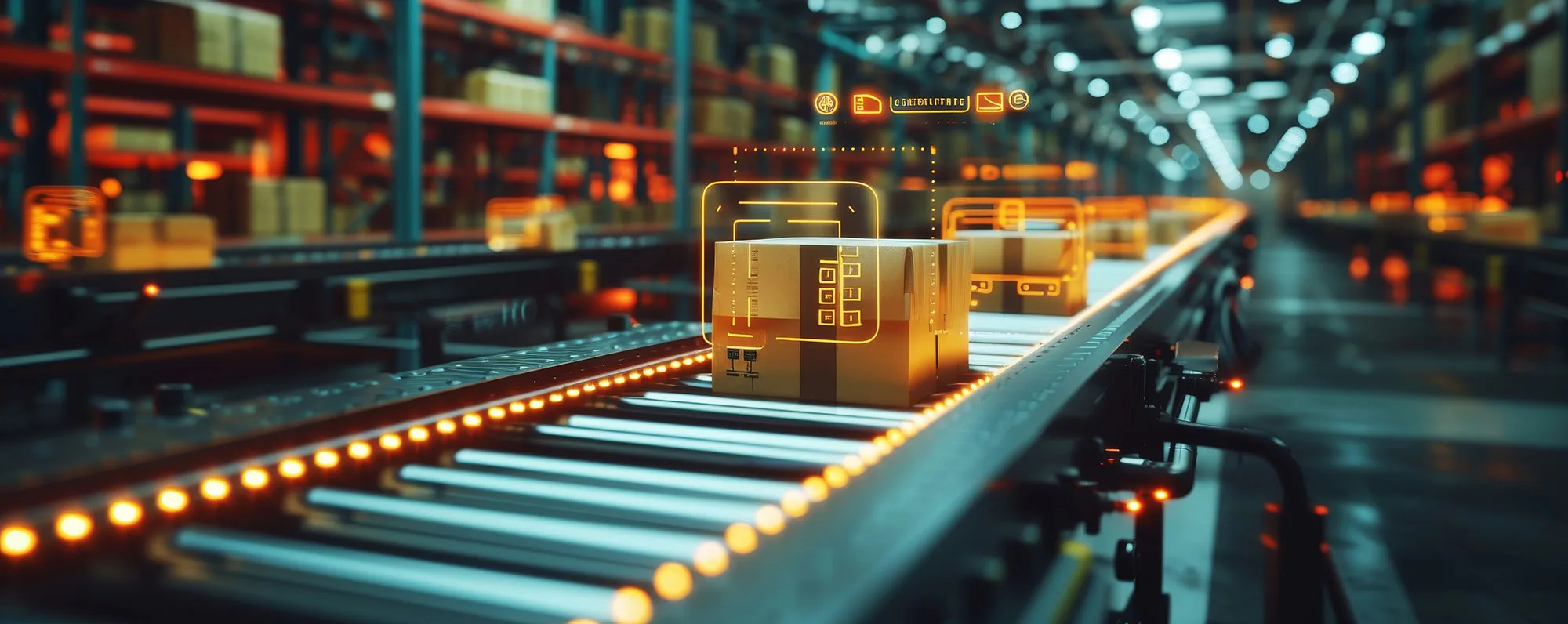
Six market forces shaped warehouse automation spending in 2025. Economic uncertainty slowed large projects, while 3PL growth, higher inventory, nearshoring, US steel tariffs and de minimis changes shifted where and how companies automate. Across all six, buyers want modular, flexible systems that pay back faster.
Warehouse automation is still a key focus for businesses that want to run better. But several market forces are changing how companies invest and how they roll out new systems. Here are the six effects we see.
1. Why are companies slowing capital investment in automation?
Economic uncertainty has made many companies more careful with large automation projects. Interest rates have moved up and down, and markets feel less stable. So decision makers now favour systems with a shorter return on investment (ROI) and a lower upfront cost. The focus has moved to modular systems you can add in stages, not full warehouse overhauls.
2. Why are 3PL firms investing more in automation?
Some sectors are holding back, but third party logistics (3PL) providers are speeding up. More businesses outsource logistics to cut fixed costs, and 3PLs have answered with better technology. They serve many clients with the same equipment, so they can justify bigger investments. Advanced sorting systems, autonomous mobile robots (AMRs) and modern warehouse management systems now set leading 3PLs apart.
3. How do higher inventory levels affect warehouse demand?
Many businesses still recovering from supply chain disruptions have moved from "just in time" to "just in case" inventory. Higher stock levels drive demand for more warehouse space. They also push companies to make better use of the space they have. That has raised interest in high density and vertical storage. It has also raised interest in inventory tools that handle more stock while keeping it easy to reach and orders moving.
4. Why has automation investment fallen in Southeast Asia, Canada and Mexico?
Nearshoring and reshoring have changed where manufacturers invest. Spending on durable goods warehouse automation has dropped in the traditional manufacturing hubs of Southeast Asia. Growth in Canadian and Mexican manufacturing was expected, but warehouse automation spending there has not kept pace. Many companies are waiting to see how trade relationships and regulations settle.
5. How do US steel tariffs affect automation ROI?
In March 2025, the United States put a 25% tariff on steel imports from all countries [1]. In June 2025 it raised the rate to 50% for most countries [2]. Since April 2026, that 50% is charged on the full value of most steel products, and many goods made with steel pay 25% [3]. Some countries get different rates. Many automation systems rely on steel, from racking to conveyors to robot frames. So the tariff raises costs and stretches payback periods in the US. In response, buyers are looking at other materials and designs. They are also turning to software that improves efficiency without large hardware spending.
6. How has the de minimis change affected e-commerce fulfilment?
Tighter de minimis import rules have changed cross-border e-commerce. Before, shipments under set value limits could enter a country with few customs steps and duties. The US has now suspended its USD 800 de minimis exemption for shipments from every country, except some postal shipments, and a 2025 law ends it for good on July 1, 2027 [4]. New rules have pushed online retailers to redesign their distribution networks. The result is more regional fulfilment centres and more demand for flexible automation that can adapt as rules change.
How can Ahearn & Soper help?
At Ahearn & Soper Inc., we follow these market shifts and work closely with clients as they plan their next steps. Our solutions are built to flex and scale. They help you respond to market changes while running an efficient operation.
Frequently asked questions
Why are companies choosing modular warehouse automation?
Economic uncertainty has made buyers favour a shorter ROI and lower upfront cost. Modular systems can be added in stages instead of a full warehouse overhaul.
Why are 3PLs investing more in automation than other sectors?
More businesses outsource logistics to cut fixed costs. 3PLs serve many clients with the same equipment, so they can justify larger automation investments.
How do steel tariffs affect warehouse automation in the US?
Racking, conveyors and robot frames rely on steel, so tariffs raise costs and stretch payback periods. Buyers are responding with other materials and designs, and with software that improves efficiency.
Sources
- The White House, "Adjusting Imports of Steel into the United States" (proclamation of February 10, 2025; 25% tariff for all countries from March 12, 2025).
- The White House, "Fact Sheet: President Donald J. Trump Increases Section 232 Tariffs on Steel and Aluminum" (June 2025).
- Federal Register, Proclamation 11021, "Strengthening Actions Taken To Adjust Imports of Aluminum, Steel, and Copper Into the United States" (signed April 2, 2026; effective April 6, 2026).
- Federal Register, US Customs and Border Protection, "Indefinite Suspension of the De Minimis Exemption for Merchandise Arriving Through All Modes Other Than the International Postal Network" (effective June 24, 2026).
Articles you might read next
Three more reads on accuracy, labelling, traceability and the systems underneath them.

Ready to talk about your operation?
Tell us what your warehouse has to do, and we will tell you plainly whether we can help.